Yang Rui, An Li Y, Miao Qin F, Li Feng M, Han Yong, Wang Hui X, Liu Dang P, Chen Rong, Tang Sha Q
School of Medicine, Southeast University, Nanjing, People's Republic of China.
Jiangsu Key Laboratory of Molecular and Fuctional Imaging, Department of Radiology, Zhongda Hospital, Nanjing, People's Republic of China.
Oncotarget. 2016 Jun 14;7(24):35894-35916. doi: 10.18632/oncotarget.9116.
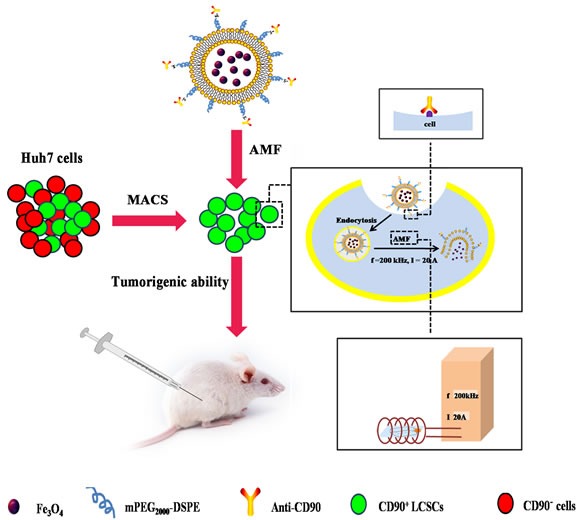
To investigate the use of thermosensitive magnetoliposomes (TMs) loaded with magnetic iron oxide (Fe3O4) and the anti-cancer stem cell marker CD90 (CD90@TMs) to target and kill CD90+ liver cancer stem cells (LCSCs).
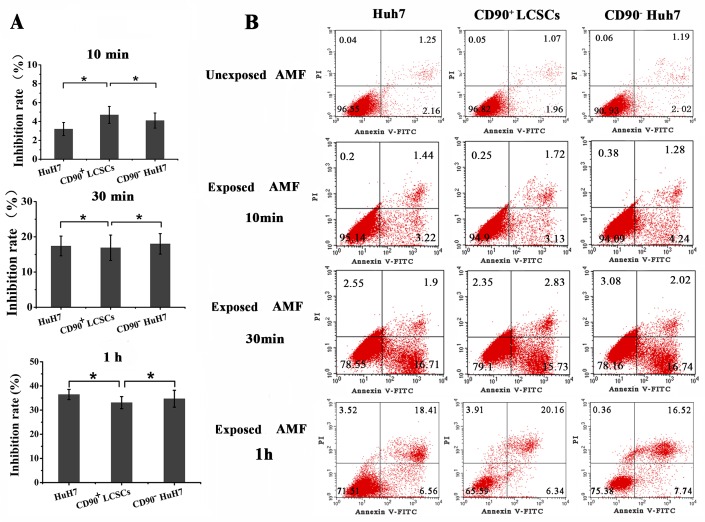
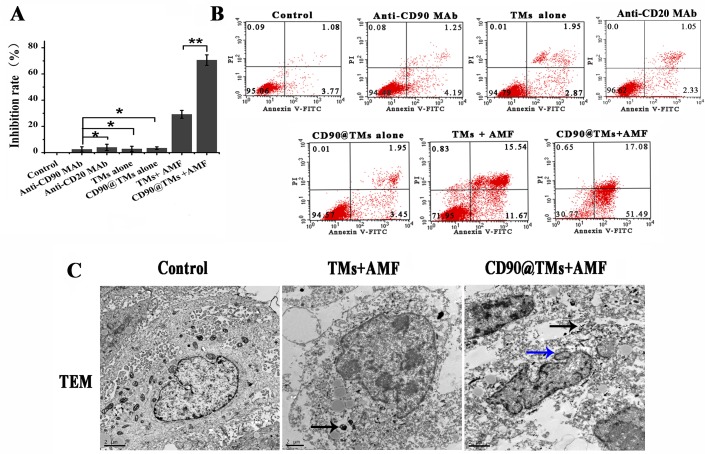
The hepatocellular carcinoma cell line Huh7 was used to separate CD90+ LCSCs by magnetic-activated cell sorting. CD90@TMs was characterized and their ability to target CD90+ LCSCs was determined. Experiments were used to investigate whether CD90@TMs combined with magnetic hyperthermia could effectively eliminate CD90+ LCSCs.
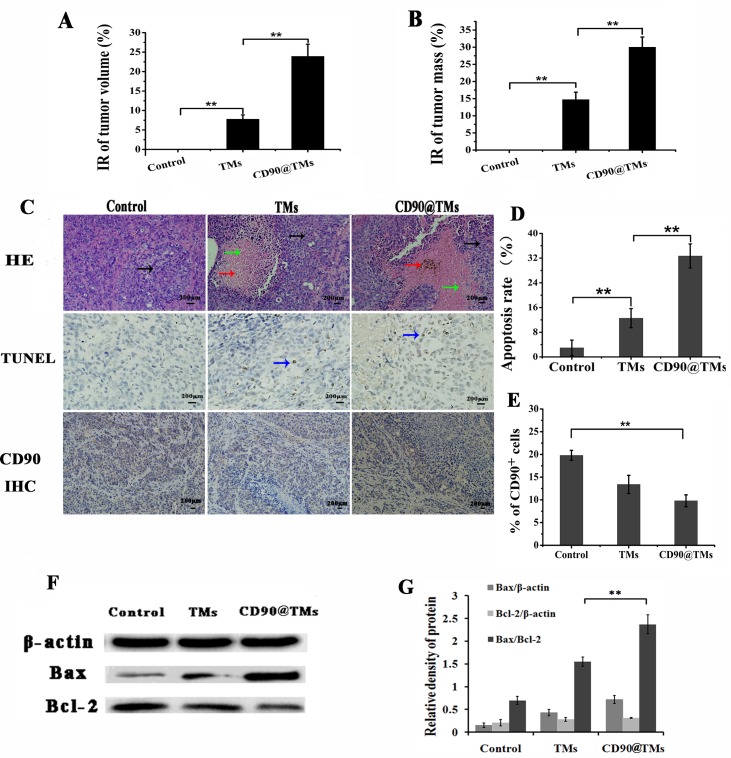
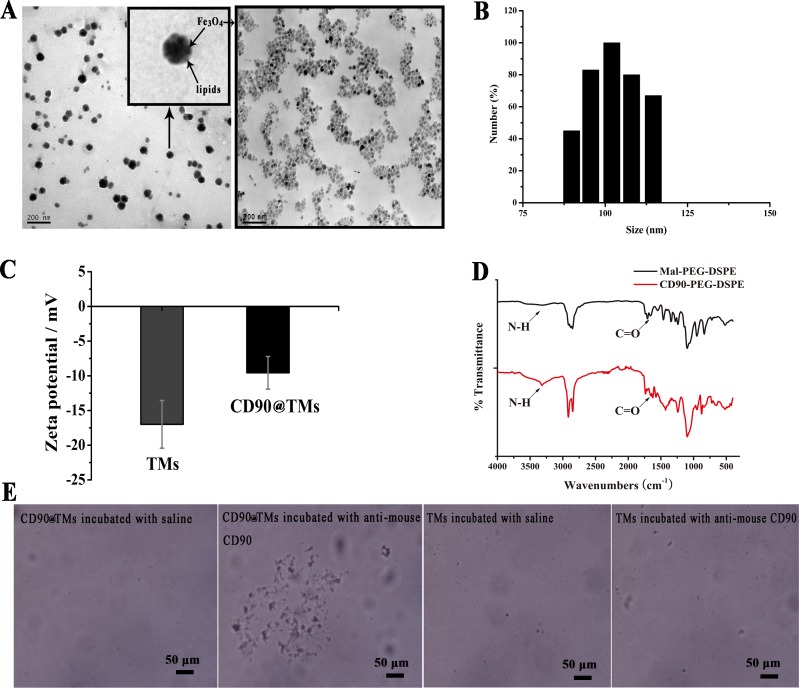
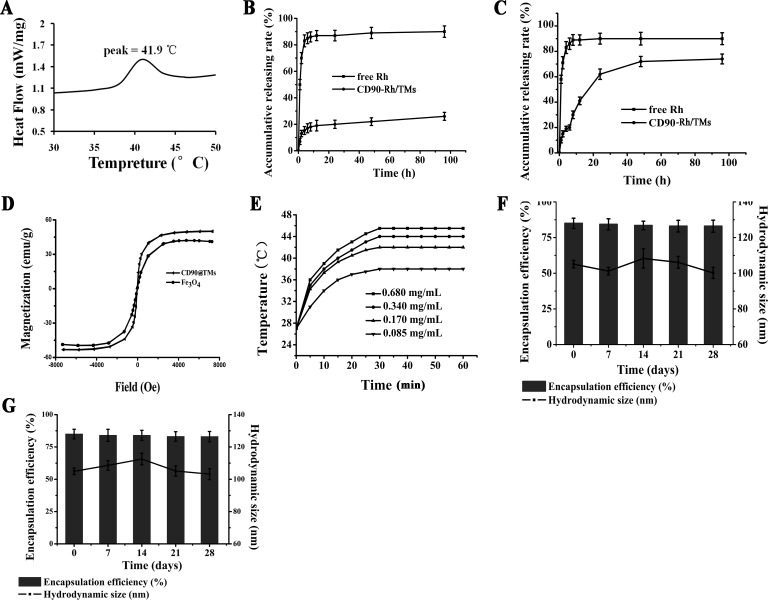
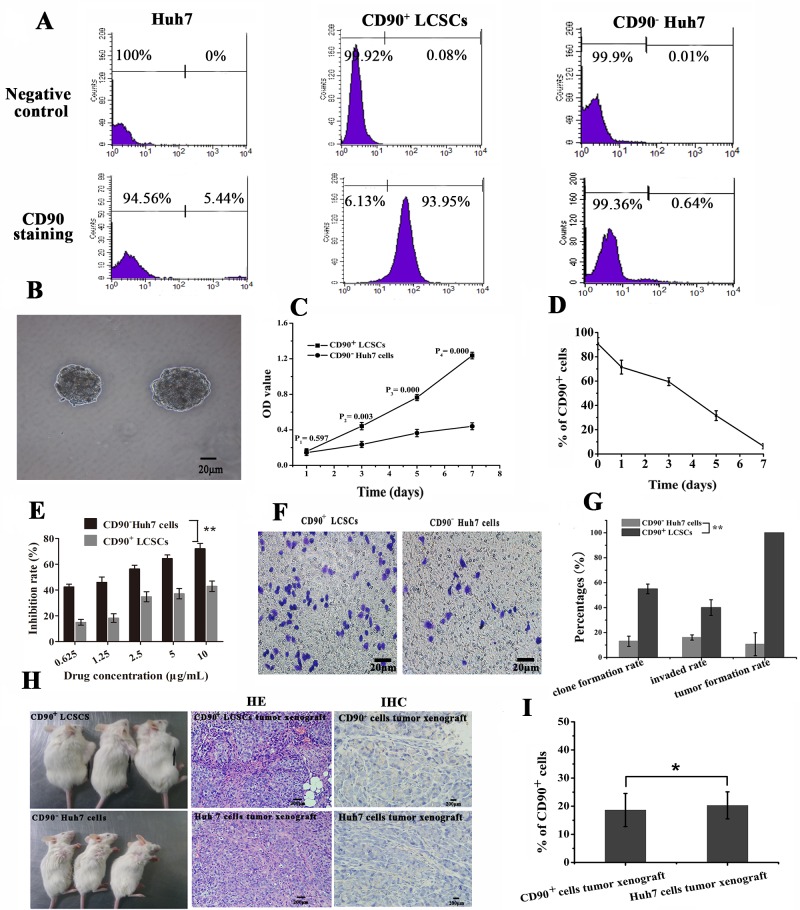
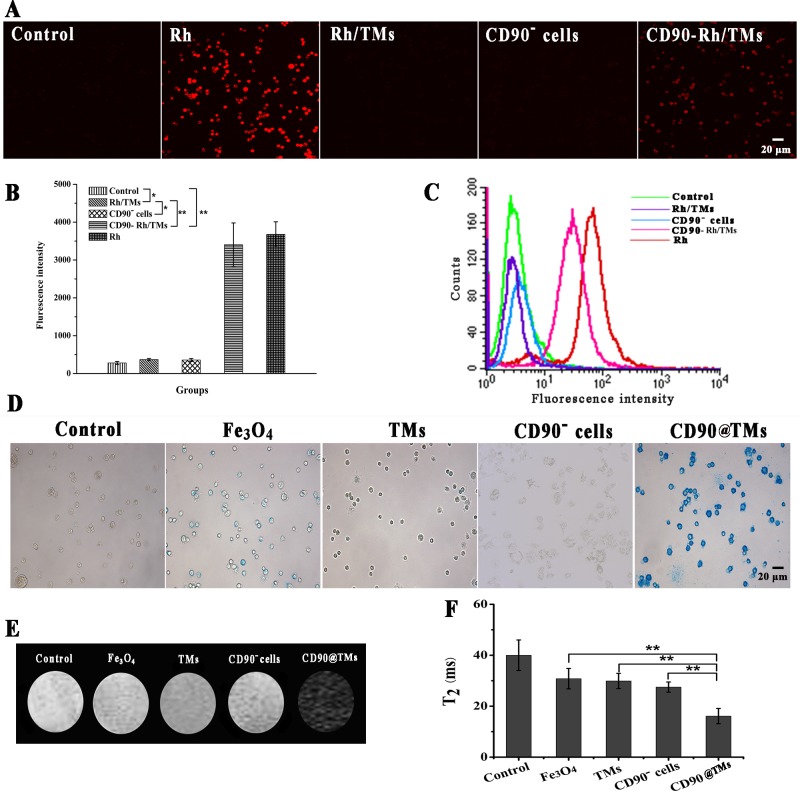
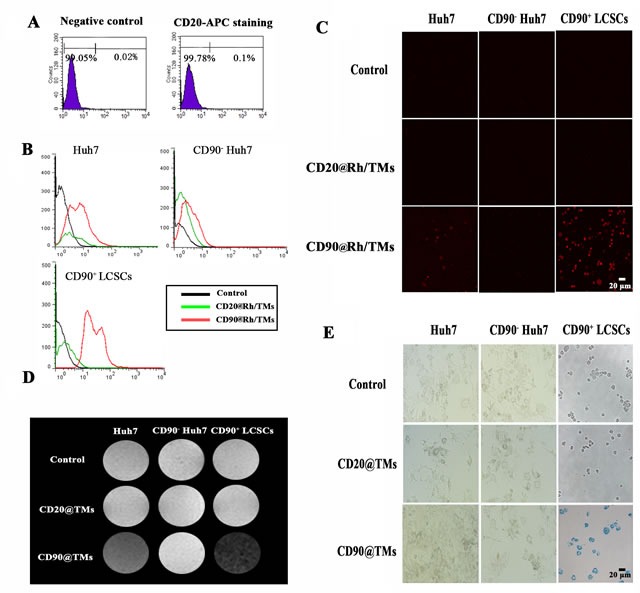
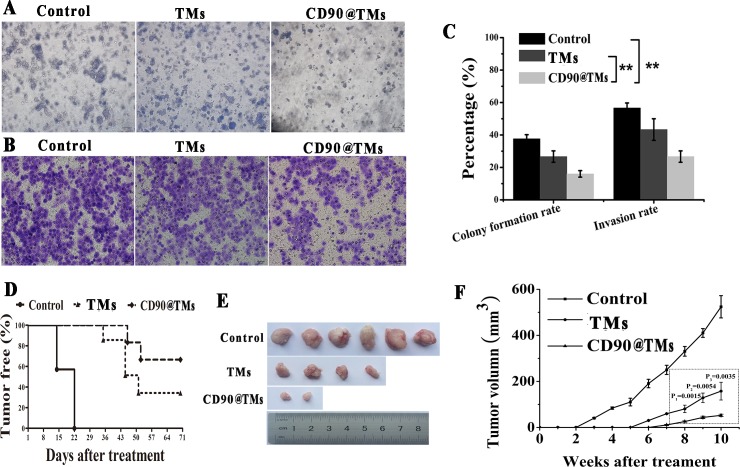
The present study demonstrated that CD90+ LCSCs with stem cells properties were successfully isolated. We also successfully prepared CD90@TMs that was almost spherical and uniform with an average diameter of 130±4.6 nm and determined that magnetic iron oxide could be incorporated and retained a superparamagnetic response. CD90@TMs showed good targeting and increased inhibition of CD90+ LCSCs in vitro and in vivo compared to TMs.
CD90@TMs can be used for controlled and targeted delivery of anticancer drugs, which may offer a promising alternative for HCC therapy.
研究负载磁性氧化铁(Fe3O4)和抗癌干细胞标志物CD90的热敏磁脂质体(TMs,即CD90@TMs)对CD90+肝癌干细胞(LCSCs)的靶向杀伤作用。
采用肝癌细胞系Huh7,通过磁激活细胞分选法分离CD90+ LCSCs。对CD90@TMs进行表征,并测定其靶向CD90+ LCSCs的能力。通过实验研究CD90@TMs联合磁热疗能否有效消除CD90+ LCSCs。
本研究成功分离出具有干细胞特性的CD90+ LCSCs。我们还成功制备了近乎球形且均匀的CD90@TMs,其平均直径为130±4.6 nm,并确定磁性氧化铁可被包入且保持超顺磁响应。与TMs相比,CD90@TMs在体外和体内均表现出良好的靶向性,并增强了对CD90+ LCSCs的抑制作用。
CD90@TMs可用于抗癌药物的可控靶向递送,这可能为肝癌治疗提供一种有前景的替代方法。