Georgescu Mihaela, Gheorghe Irina, Curutiu Carmen, Lazar Veronica, Bleotu Coralia, Chifiriuc Mariana-Carmen
Dermatology Department, Central University Emergency Military Hospital Dr Carol Davila, Bucharest, Romania.
Microbiology Department, Faculty of Biology, University of Bucharest, Bucharest, Romania.
BMC Infect Dis. 2016 Mar 8;16 Suppl 1(Suppl 1):92. doi: 10.1186/s12879-016-1396-3.
The purpose of this study was to evaluate the virulence profiles of Pseudomonas aeruginosa clinical strains recently isolated from patients hospitalized for chronic leg ulcers in the Dermatology Department of Central Military Emergency University Hospital "Carol Davila", Bucharest, Romania.
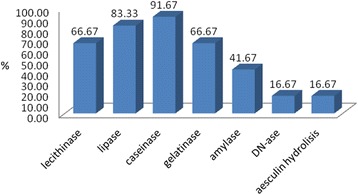
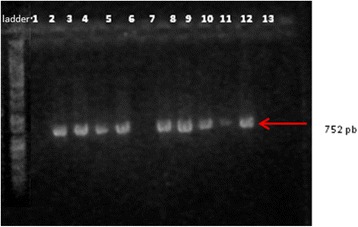
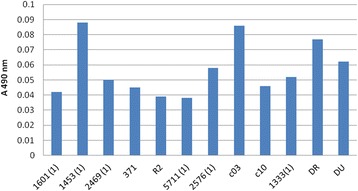
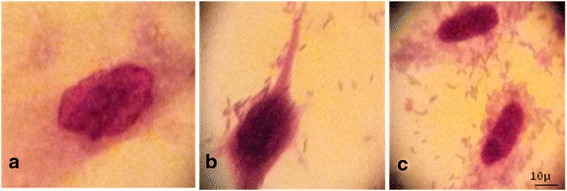
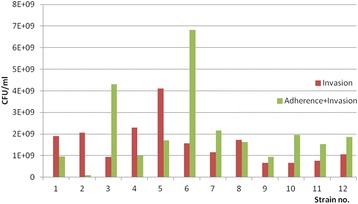
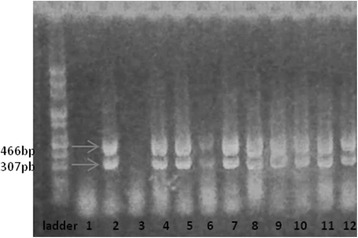
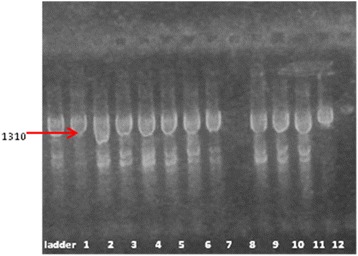
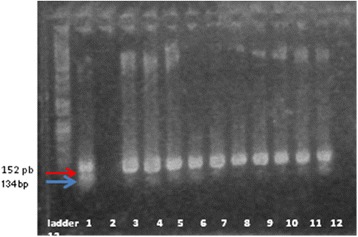
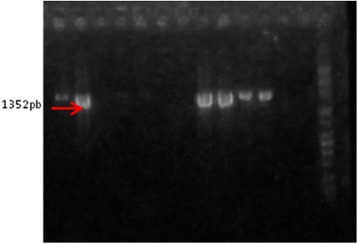
The phenotypic screening evaluated eight soluble virulence factors (haemolysins, lecithinase, lipase, caseinase, gelatinase, amylase, DNase, aesculin hydrolysis), as well as adherence ability (Cravioto adapted method) and invasion capacity on HeLa cells (gentamicin protection assay). Seven virulence genes encoding for protease IV, 3 exoenzymes (exoS, exoT, exoU), two phospholipases plcH- haemolytic phospholipase C and plcN- non-haemolytic phospholipase C) and alginate were investigated by PCR.
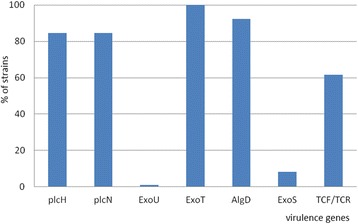
The pore forming toxins and enzymes were expressed in variable proportions, the majority of the tested strains producing beta haemolysin (92.3 %), lipase (76.9 %) and lecithinase (61.5 %). The most frequent virulence genes detected in the analyzed strains were the ExoT (100 %) and AlgD (92.3 %) genes, genes codifying for phospholipases (84.6 % each of them) and for protease IV (61.5 %).
This study reveals that correlating virulence profiles and infection clinical outcome is very useful for setting up efficient preventive and therapeutic procedures for hospitalized patients with chronic leg ulcers and positive P. aeruginosa cultures.
本研究旨在评估从罗马尼亚布加勒斯特“卡罗尔·达维拉”中央军事急救大学医院皮肤科因慢性腿部溃疡住院的患者中最近分离出的铜绿假单胞菌临床菌株的毒力特征。
表型筛选评估了八种可溶性毒力因子(溶血素、卵磷脂酶、脂肪酶、酪蛋白酶、明胶酶、淀粉酶、脱氧核糖核酸酶、七叶苷水解),以及黏附能力(改良的克拉维奥托方法)和对HeLa细胞的侵袭能力(庆大霉素保护试验)。通过聚合酶链反应研究了编码蛋白酶IV、3种外酶(外毒素S、外毒素T、外毒素U)、两种磷脂酶(plcH - 溶血磷脂酶C和plcN - 非溶血磷脂酶C)和藻酸盐的7个毒力基因。
成孔毒素和酶以不同比例表达,大多数测试菌株产生β溶血素(92.3%)、脂肪酶(76.9%)和卵磷脂酶(61.5%)。在分析的菌株中检测到的最常见毒力基因是外毒素T(100%)和AlgD(92.3%)基因、编码磷脂酶的基因(各84.6%)和蛋白酶IV(61.5%)。
本研究表明,将毒力特征与感染临床结果相关联对于为患有慢性腿部溃疡且铜绿假单胞菌培养阳性的住院患者制定有效的预防和治疗程序非常有用。