Department of Biomolecular Engineering, Graduate School of Engineering, Tohoku University, Sendai, Miyagi 980-8579 Japan.
Department of Applied Information Sciences, Graduate School of Information Sciences, Tohoku University, Sendai, Miyagi 980-8579 Japan.
Sci Rep. 2016 Jun 13;6:27923. doi: 10.1038/srep27923.
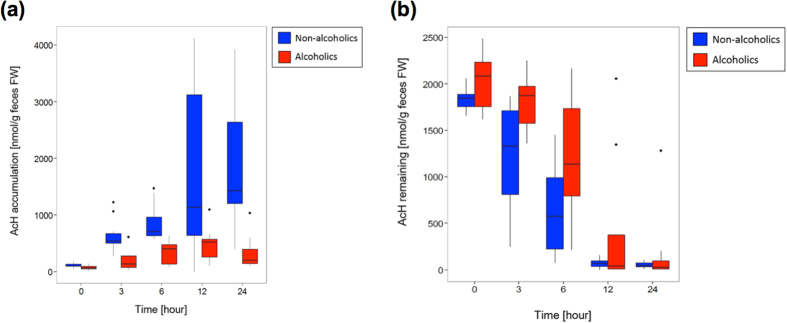
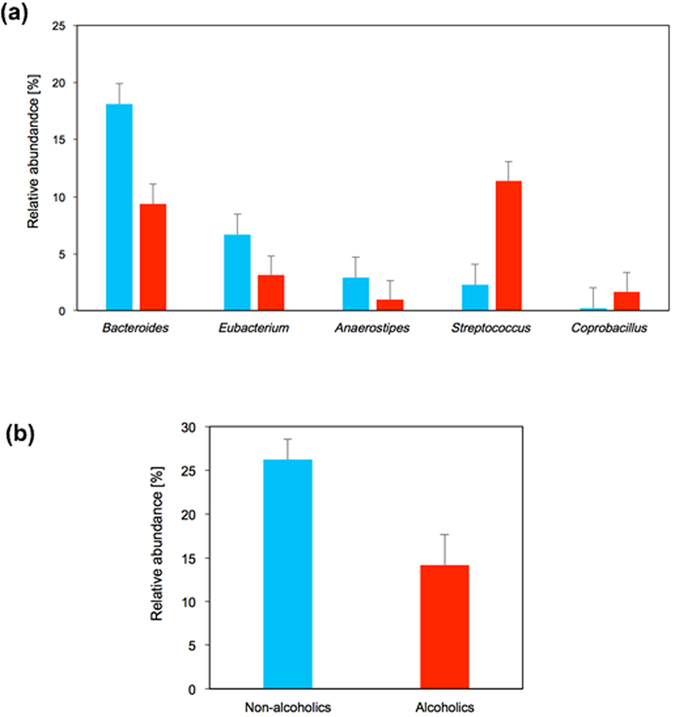
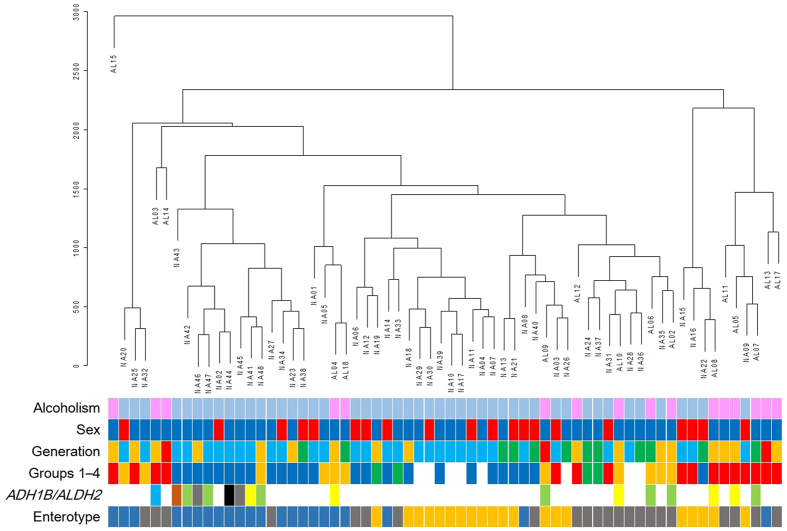
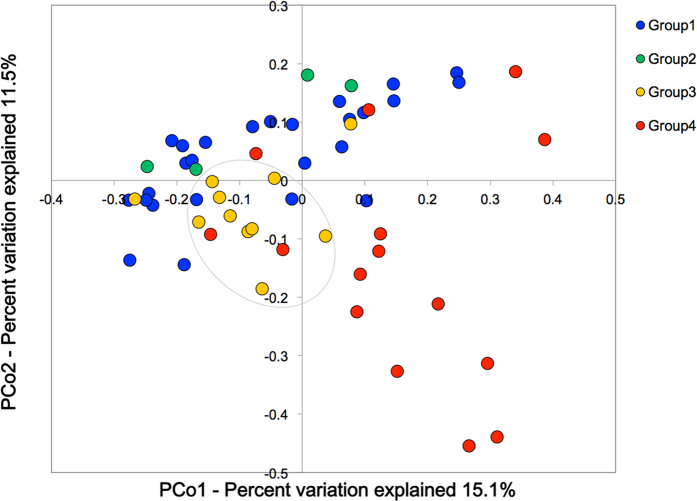
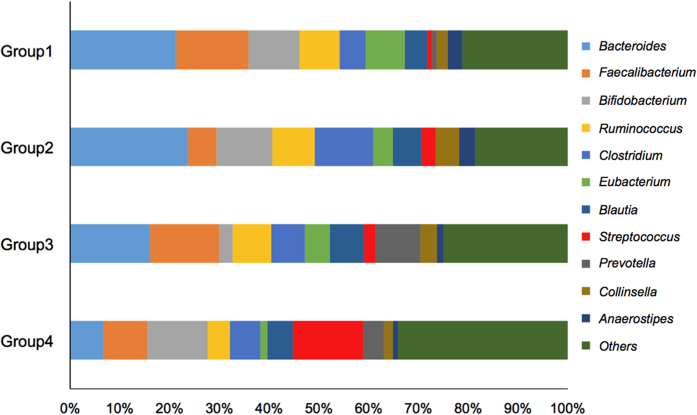
Chronic consumption of excess ethanol increases the risk of colorectal cancer. The pathogenesis of ethanol-related colorectal cancer (ER-CRC) is thought to be partly mediated by gut microbes. Specifically, bacteria in the colon and rectum convert ethanol to acetaldehyde (AcH), which is carcinogenic. However, the effects of chronic ethanol consumption on the human gut microbiome are poorly understood, and the role of gut microbes in the proposed AcH-mediated pathogenesis of ER-CRC remains to be elaborated. Here we analyse and compare the gut microbiota structures of non-alcoholics and alcoholics. The gut microbiotas of alcoholics were diminished in dominant obligate anaerobes (e.g., Bacteroides and Ruminococcus) and enriched in Streptococcus and other minor species. This alteration might be exacerbated by habitual smoking. These observations could at least partly be explained by the susceptibility of obligate anaerobes to reactive oxygen species, which are increased by chronic exposure of the gut mucosa to ethanol. The AcH productivity from ethanol was much lower in the faeces of alcoholic patients than in faeces of non-alcoholic subjects. The faecal phenotype of the alcoholics could be rationalised based on their gut microbiota structures and the ability of gut bacteria to accumulate AcH from ethanol.
慢性过量饮酒会增加结直肠癌的风险。人们认为,乙醇相关结直肠癌(ER-CRC)的发病机制部分是由肠道微生物介导的。具体来说,结肠和直肠中的细菌将乙醇转化为乙醛(AcH),而 AcH 具有致癌性。然而,人们对慢性乙醇摄入对人类肠道微生物组的影响知之甚少,肠道微生物在拟议的 AcH 介导的 ER-CRC 发病机制中的作用仍有待阐述。在这里,我们分析和比较了非饮酒者和饮酒者的肠道微生物组结构。与非饮酒者相比,饮酒者的肠道微生物群中优势需氧厌氧菌(如拟杆菌和真杆菌)减少,链球菌和其他较少的物种增加。这种改变可能会因习惯性吸烟而加剧。这些观察结果至少可以部分解释为需氧厌氧菌对活性氧的敏感性增加,而肠道黏膜长期暴露于乙醇会导致活性氧增加。来自乙醇的 AcH 产量在酒精患者的粪便中比在非酒精患者的粪便中低得多。根据饮酒者的肠道微生物组结构和肠道细菌从乙醇中积累 AcH 的能力,可以合理推断出酒精患者的粪便表型。