Frias Bárbara, Merighi Adalberto
Department of Integrative Medical Biology, University of Umea, 901 87 Umea, Sweden.
Department of Veterinary Sciences, University of Turin, Largo Paolo Braccini 2, I-10095 Grugliasco (TO), Italy.
Molecules. 2016 Jun 18;21(6):797. doi: 10.3390/molecules21060797.
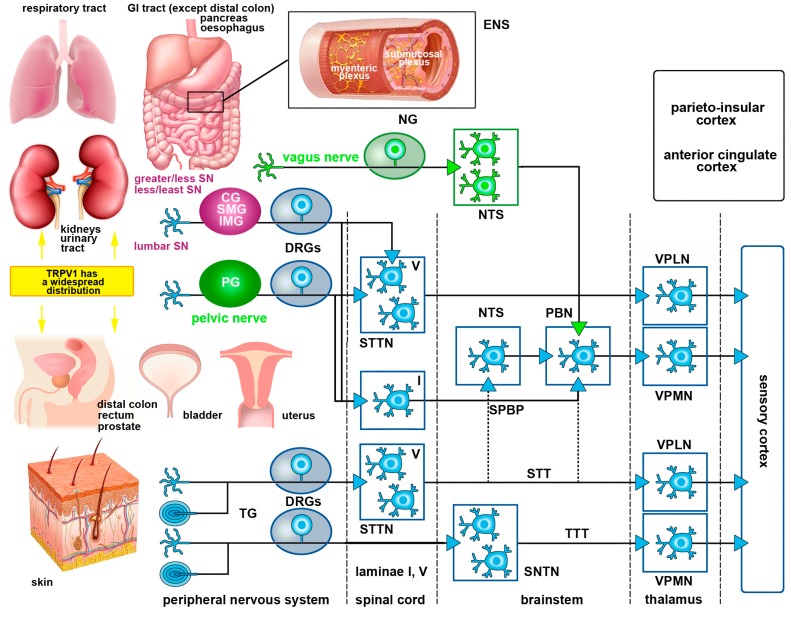
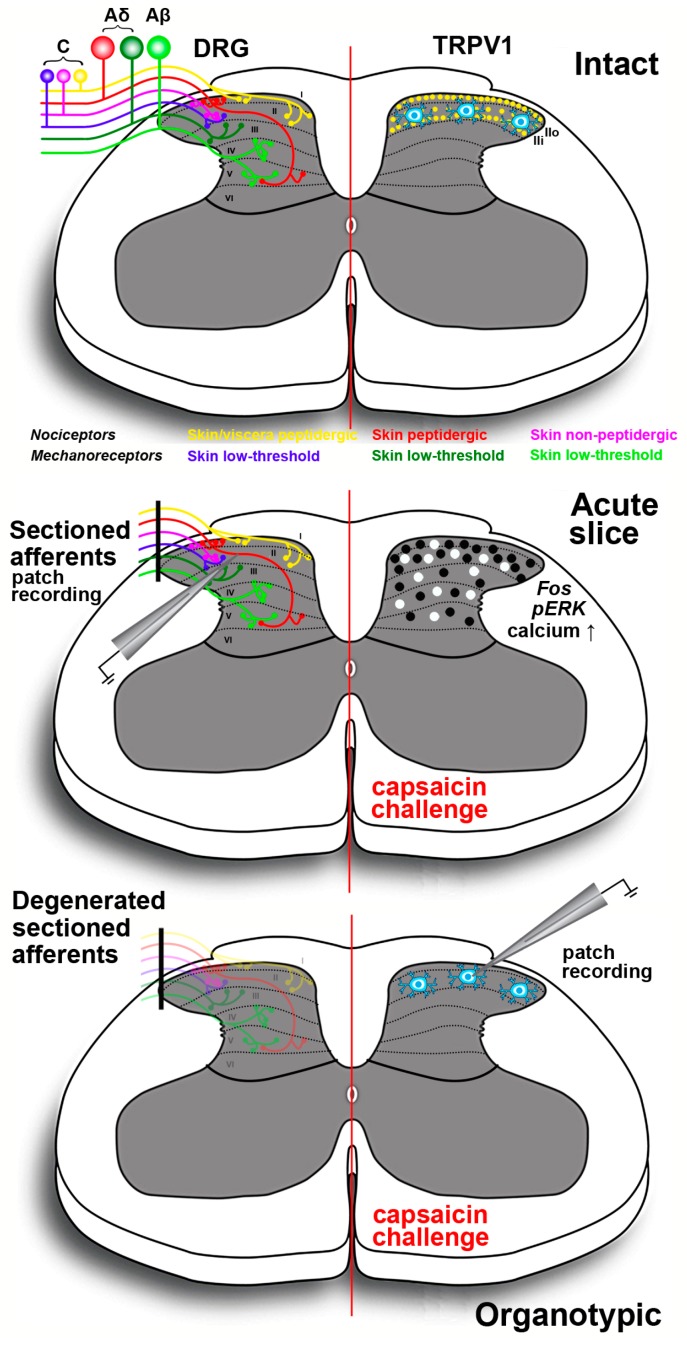
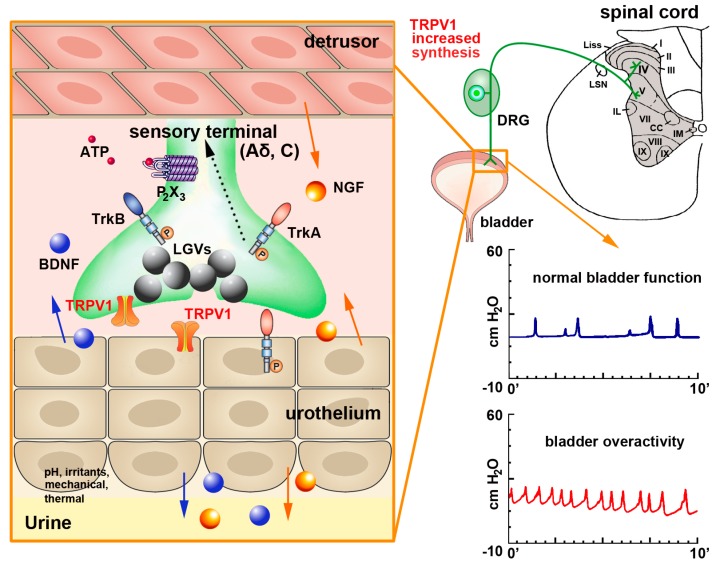
Capsaicin, the pungent ingredient of the hot chili pepper, is known to act on the transient receptor potential cation channel vanilloid subfamily member 1 (TRPV1). TRPV1 is involved in somatic and visceral peripheral inflammation, in the modulation of nociceptive inputs to spinal cord and brain stem centers, as well as the integration of diverse painful stimuli. In this review, we first describe the chemical and pharmacological properties of capsaicin and its derivatives in relation to their analgesic properties. We then consider the biochemical and functional characteristics of TRPV1, focusing on its distribution and biological effects within the somatosensory and viscerosensory nociceptive systems. Finally, we discuss the use of capsaicin as an agonist of TRPV1 to model acute inflammation in slices and other ex vivo preparations.
辣椒素是红辣椒中的辛辣成分,已知其作用于瞬时受体电位阳离子通道香草酸亚家族成员1(TRPV1)。TRPV1参与躯体和内脏外周炎症、对脊髓和脑干中枢伤害性传入的调节以及多种疼痛刺激的整合。在本综述中,我们首先描述辣椒素及其衍生物与镇痛特性相关的化学和药理学性质。然后我们考虑TRPV1的生化和功能特性,重点关注其在躯体感觉和内脏感觉伤害性系统中的分布和生物学效应。最后,我们讨论使用辣椒素作为TRPV1的激动剂在切片和其他离体标本中模拟急性炎症。