Kihuba Elesban, Gheorghe Adrian, Bozzani Fiammetta, English Mike, Griffiths Ulla K
Wellcome Trust Research Program, Kenya Medical Research Institute, Nairobi, Kenya.
Ministry of Health, Nairobi, Kenya;
Glob Health Action. 2016 Jun 28;9:30621. doi: 10.3402/gha.v9.30621. eCollection 2016.
Low- and middle-income countries need to sustain efficiency and equity in health financing on their way to universal health care coverage. However, systems meant to generate quality economic information are often deficient in such settings. We assessed the feasibility of streamlining cost accounting systems within the Kenyan health sector to illustrate the pragmatic challenges and opportunities.
We reviewed policy documents, and conducted field observations and semi-structured interviews with key informants in the health sector. We used an adapted Human, Organization and Technology fit (HOT-fit) framework to analyze the components and standards of a cost accounting system.
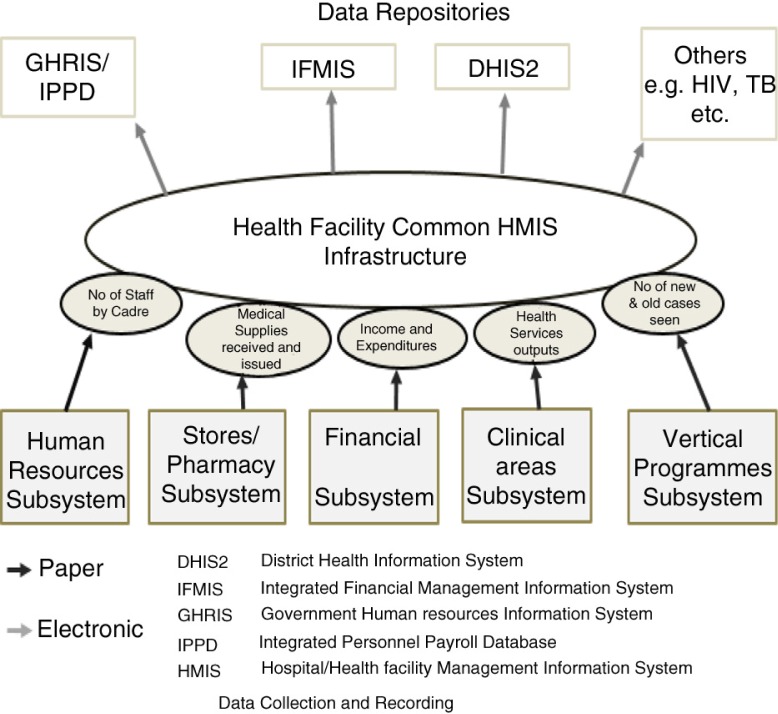
Among the opportunities for a viable cost accounting system, we identified a supportive broad policy environment, political will, presence of a national data reporting architecture, good implementation experience with electronic medical records systems, and the availability of patient clinical and resource use data. However, several practical issues need to be considered in the design of the system, including the lack of a framework to guide the costing process, the lack of long-term investment, the lack of appropriate incentives for ground-level staff, and a risk of overburdening the current health management information system.
To facilitate the implementation of cost accounting into the health sector, the design of any proposed system needs to remain simple and attuned to the local context.
中低收入国家在实现全民医保覆盖的道路上需要维持卫生筹资的效率和公平性。然而,旨在生成高质量经济信息的系统在这些环境中往往存在缺陷。我们评估了简化肯尼亚卫生部门成本核算系统的可行性,以说明实际面临的挑战和机遇。
我们查阅了政策文件,并对卫生部门的关键信息提供者进行了实地观察和半结构化访谈。我们使用了一个经过改编的人、组织和技术适配(HOT-fit)框架来分析成本核算系统的组成部分和标准。
在可行的成本核算系统的机遇方面,我们确定了一个支持性的广泛政策环境、政治意愿、国家数据报告架构的存在、电子病历系统的良好实施经验以及患者临床和资源使用数据的可用性。然而,在系统设计中需要考虑几个实际问题,包括缺乏指导成本核算过程的框架、缺乏长期投资、缺乏对基层工作人员的适当激励措施以及使当前卫生管理信息系统负担过重的风险。
为促进成本核算在卫生部门的实施,任何提议系统的设计都需要保持简单并适应当地情况。