Tuti Timothy, Bitok Michael, Malla Lucas, Paton Chris, Muinga Naomi, Gathara David, Gachau Susan, Mbevi George, Nyachiro Wycliffe, Ogero Morris, Julius Thomas, Irimu Grace, English Mike
Health Services Unit, KEMRI-Wellcome Trust Research Programme, Nairobi, Kenya.
Nuffield Department of Medicine, University of Oxford, Oxford, UK.
BMJ Glob Health. 2016 May 24;1(1):e000028. doi: 10.1136/bmjgh-2016-000028. eCollection 2016.
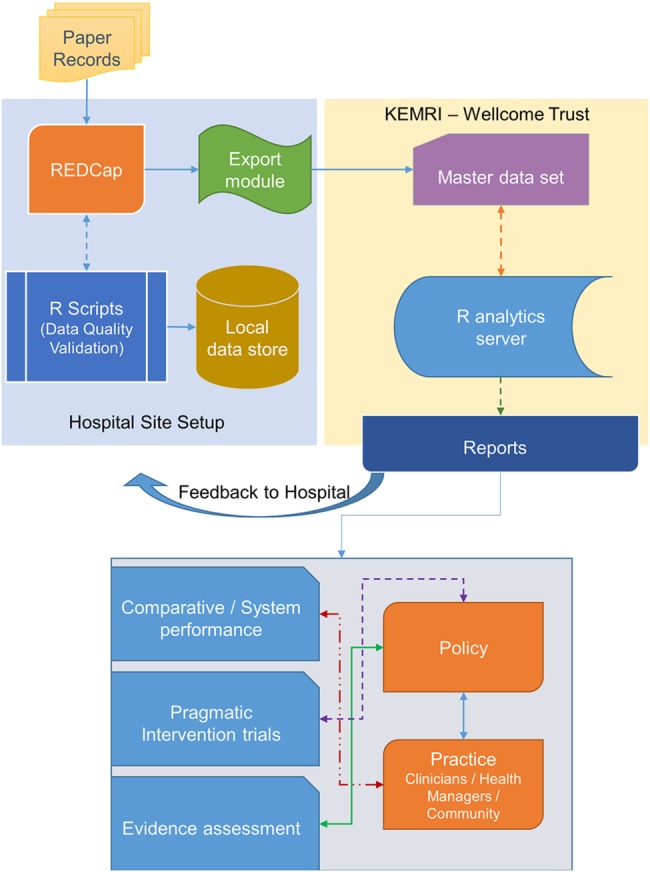
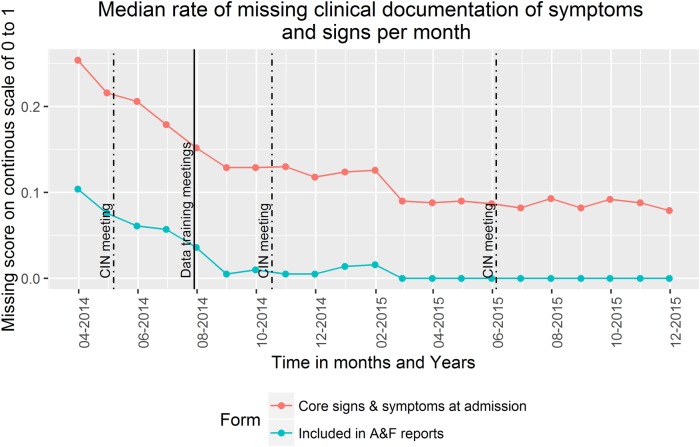
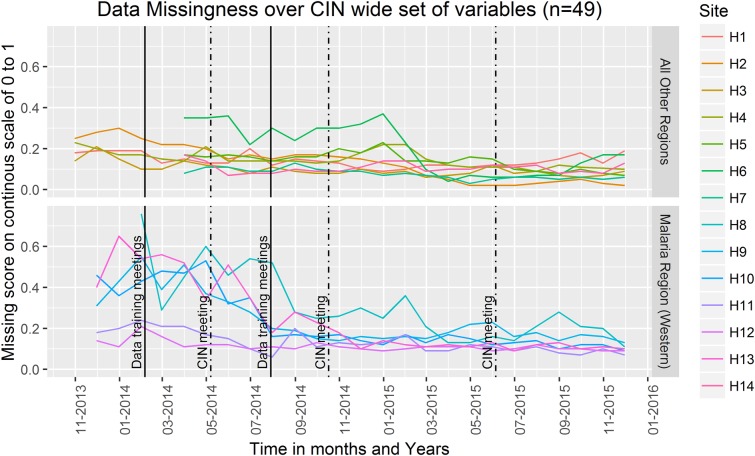
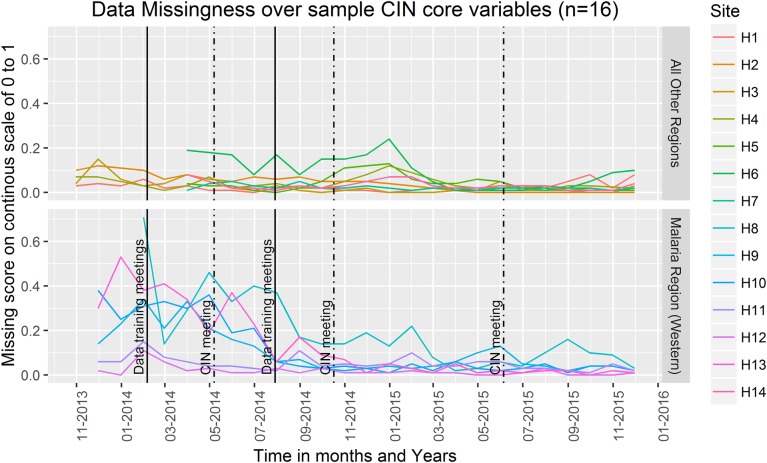
In many low income countries health information systems are poorly equipped to provide detailed information on hospital care and outcomes. Information is thus rarely used to support practice improvement. We describe efforts to tackle this challenge and to foster learning concerning collection and use of information. This could improve hospital services in Kenya. We are developing a Clinical Information Network, a collaboration spanning 14 hospitals, policy makers and researchers with the goal of improving information available on the quality of inpatient paediatric care across common childhood illnesses in Kenya. Standardised data from hospitals' paediatric wards are collected using non-commercial and open source tools. We have implemented procedures for promoting data quality which are performed prior to a process of semi-automated analysis and routine report generation for hospitals in the network. In the first phase of the Clinical Information Network, we collected data on over 65 000 admission episodes. Despite clinicians' initial unfamiliarity with routine performance reporting, we found that, as an initial focus, both engaging with each hospital and providing them information helped improve the quality of data and therefore reports. The process has involved mutual learning and building of trust in the data and should provide the basis for collaborative efforts to improve care, to understand patient outcome, and to evaluate interventions through shared learning. We have found that hospitals are willing to support the development of a clinically focused but geographically dispersed Clinical Information Network in a low-income setting. Such networks show considerable promise as platforms for collaborative efforts to improve care, to provide better information for decision making, and to enable locally relevant research.
在许多低收入国家,卫生信息系统的配置很差,无法提供有关医院护理及治疗结果的详细信息。因此,这些信息很少被用于支持实践改进。我们描述了应对这一挑战以及促进有关信息收集与使用的学习的努力。这有望改善肯尼亚的医院服务。我们正在开发一个临床信息网络,这是一个由14家医院、政策制定者和研究人员参与的合作项目,目标是改善肯尼亚常见儿童疾病住院儿科护理质量方面的可用信息。使用非商业和开源工具收集医院儿科病房的标准化数据。我们已经实施了提高数据质量的程序,这些程序在对网络中的医院进行半自动分析和生成常规报告之前执行。在临床信息网络的第一阶段,我们收集了超过65000例入院病例的数据。尽管临床医生最初对常规绩效报告不熟悉,但我们发现,作为初步重点,与每家医院互动并向其提供信息有助于提高数据质量,进而提升报告质量。这个过程涉及相互学习以及对数据建立信任,应该为改善护理、了解患者治疗结果以及通过共享学习评估干预措施的合作努力提供基础。我们发现,医院愿意支持在低收入环境中发展一个以临床为重点但地域分散的临床信息网络。这样的网络作为合作努力的平台,在改善护理、为决策提供更好信息以及开展本地相关研究方面显示出巨大潜力。