Ahmed Nermeen El-Moataz Bellah, Murakami Masashi, Hirose Yujiro, Nakashima Misako
Department of Stem Cell Biology and Regenerative Medicine, National Center for Geriatrics and Gerontology, Research Institute, Obu, Aichi 474-8511, Japan; Department of Orodental Genetics, Division of Human Genetics and Human Genome, National Research Center, Cairo 12311, Egypt.
Department of Stem Cell Biology and Regenerative Medicine, National Center for Geriatrics and Gerontology, Research Institute, Obu, Aichi 474-8511, Japan.
Stem Cells Int. 2016;2016:8102478. doi: 10.1155/2016/8102478. Epub 2016 Jun 14.
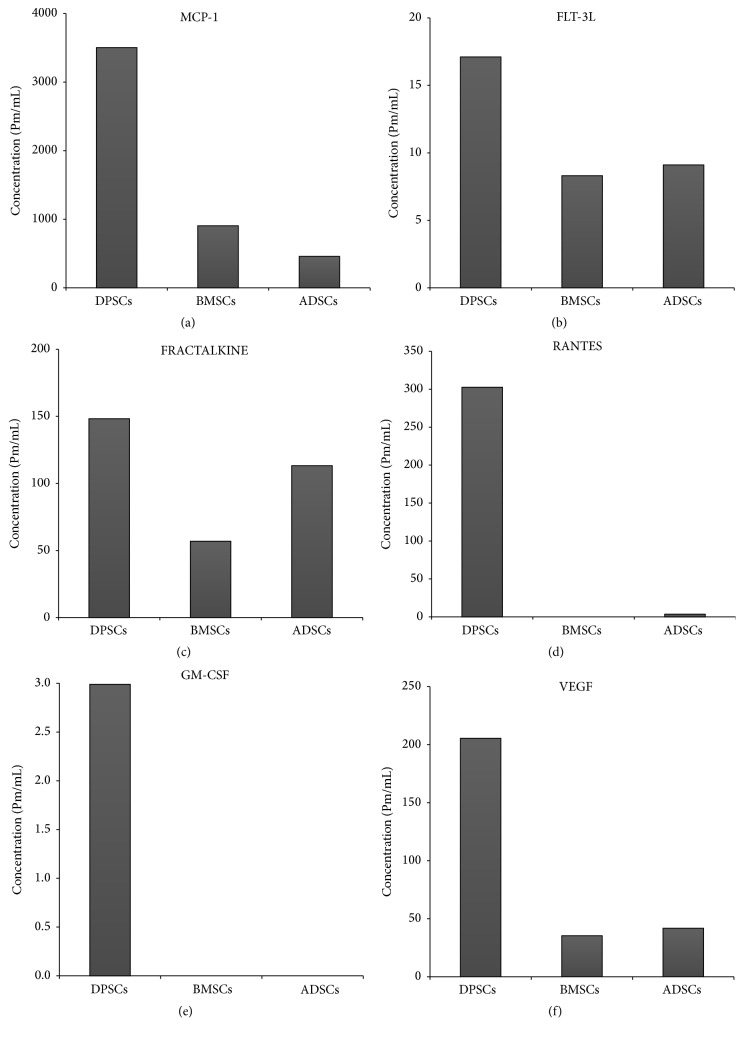
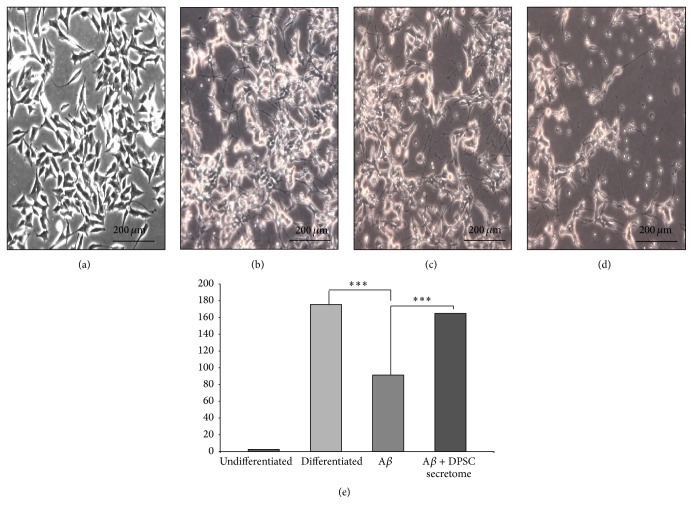
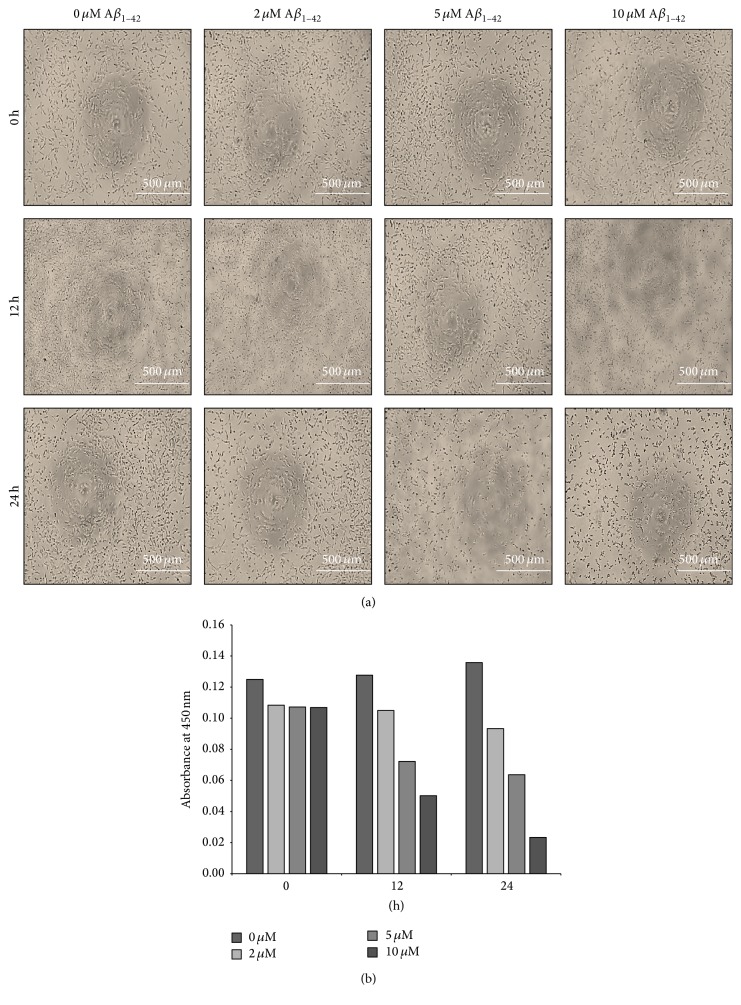
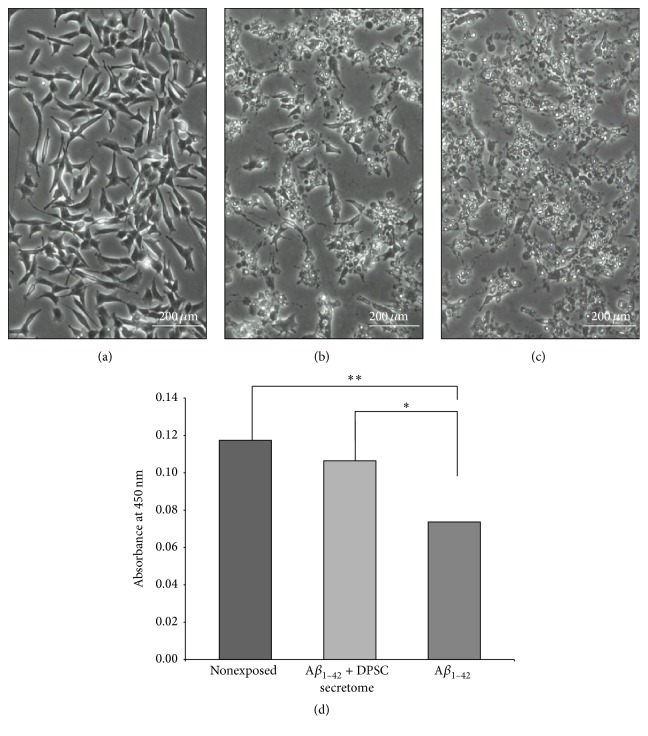
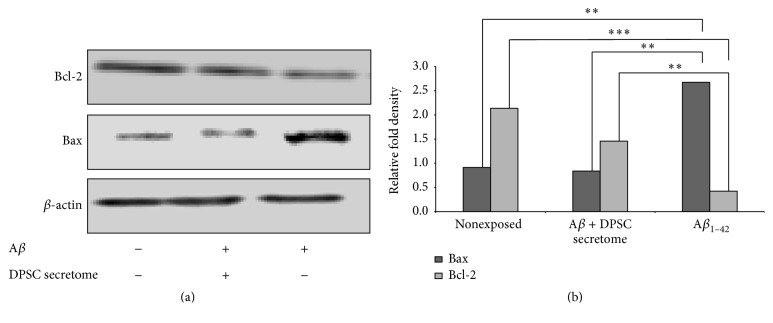
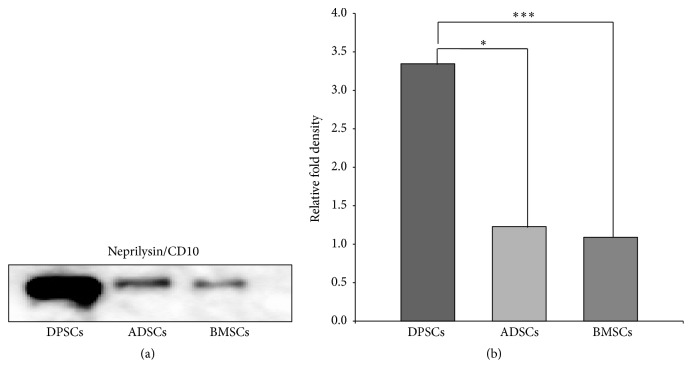
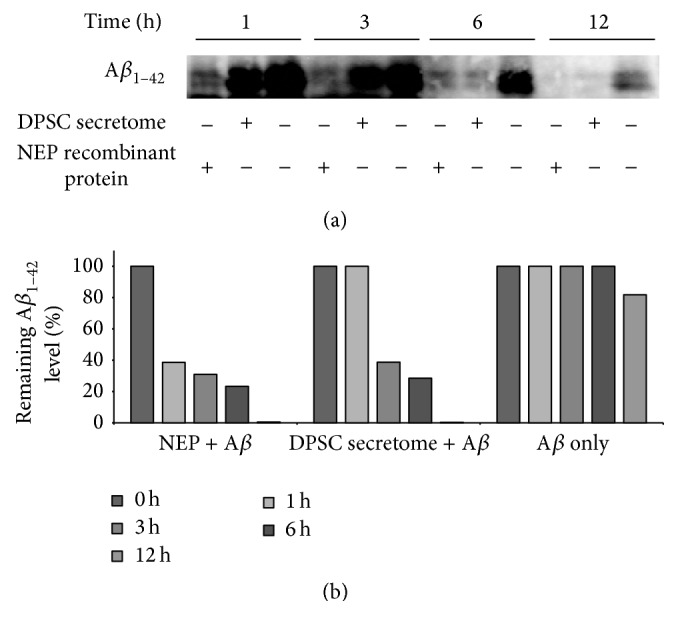
The secretome obtained from stem cell cultures contains an array of neurotrophic factors and cytokines that might have the potential to treat neurodegenerative conditions. Alzheimer's disease (AD) is one of the most common human late onset and sporadic neurodegenerative disorders. Here, we investigated the therapeutic potential of secretome derived from dental pulp stem cells (DPSCs) to reduce cytotoxicity and apoptosis caused by amyloid beta (Aβ) peptide. We determined whether DPSCs can secrete the Aβ-degrading enzyme, neprilysin (NEP), and evaluated the effects of NEP expression in vitro by quantitating Aβ-degrading activity. The results showed that DPSC secretome contains higher concentrations of VEGF, Fractalkine, RANTES, MCP-1, and GM-CSF compared to those of bone marrow and adipose stem cells. Moreover, treatment with DPSC secretome significantly decreased the cytotoxicity of Aβ peptide by increasing cell viability compared to nontreated cells. In addition, DPSC secretome stimulated the endogenous survival factor Bcl-2 and decreased the apoptotic regulator Bax. Furthermore, neprilysin enzyme was detected in DPSC secretome and succeeded in degrading Aβ 1-42 in vitro in 12 hours. In conclusion, our study demonstrates that DPSCs may serve as a promising source for secretome-based treatment of Alzheimer's disease.
从干细胞培养物中获得的分泌组包含一系列神经营养因子和细胞因子,它们可能具有治疗神经退行性疾病的潜力。阿尔茨海默病(AD)是人类最常见的迟发性和散发性神经退行性疾病之一。在此,我们研究了牙髓干细胞(DPSC)来源的分泌组在降低淀粉样β(Aβ)肽引起的细胞毒性和细胞凋亡方面的治疗潜力。我们确定了DPSC是否能分泌Aβ降解酶中性内肽酶(NEP),并通过定量Aβ降解活性评估了NEP表达在体外的作用。结果表明,与骨髓干细胞和脂肪干细胞相比,DPSC分泌组含有更高浓度的血管内皮生长因子(VEGF)、 fractalkine、调节激活正常T细胞表达和分泌因子(RANTES)、单核细胞趋化蛋白-1(MCP-1)和粒细胞-巨噬细胞集落刺激因子(GM-CSF)。此外,与未处理的细胞相比,用DPSC分泌组处理可通过提高细胞活力显著降低Aβ肽的细胞毒性。此外,DPSC分泌组刺激内源性存活因子Bcl-2并降低凋亡调节因子Bax。此外,在DPSC分泌组中检测到中性内肽酶,并成功在体外12小时内降解Aβ 1-42。总之,我们的研究表明DPSC可能是基于分泌组治疗阿尔茨海默病的一个有前景的来源。