Bashir Zoobia, Shafique Sobiya, Ahmad Aqeel, Shafique Shazia, Yasin Nasim A, Ashraf Yaseen, Ibrahim Asma, Akram Waheed, Noreen Sibgha
Department of Physics, University of the Punjab Lahore, Pakistan.
Institute of Agricultural Sciences, University of the Punjab Lahore, Pakistan.
Front Physiol. 2016 Jun 30;7:257. doi: 10.3389/fphys.2016.00257. eCollection 2016.
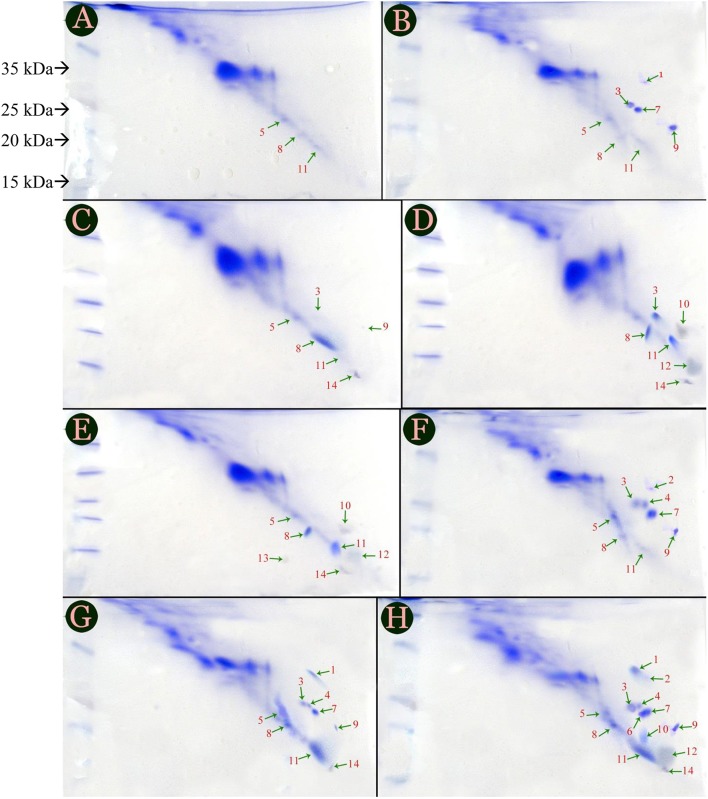
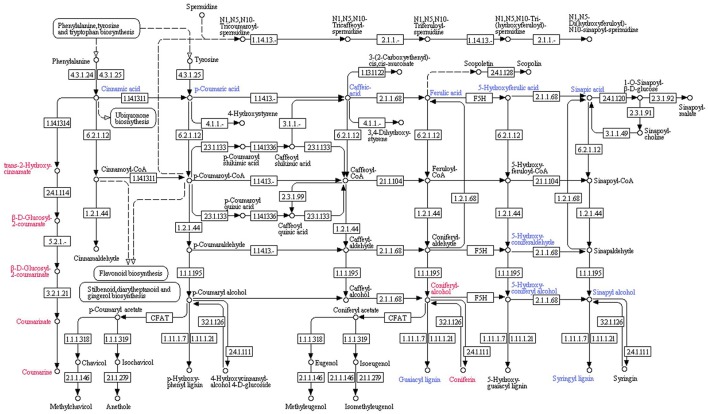
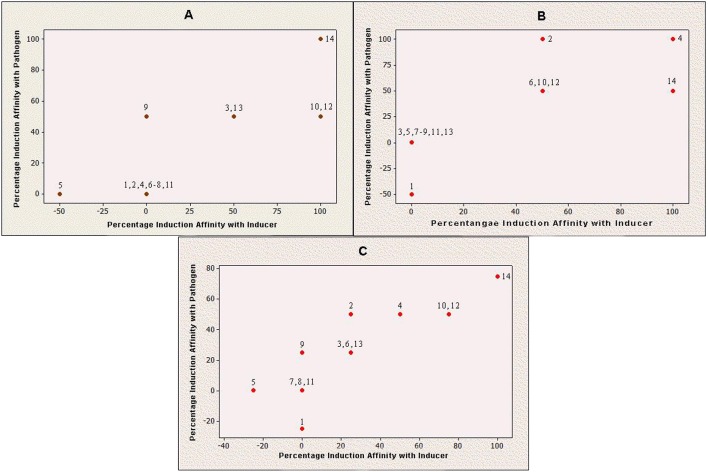
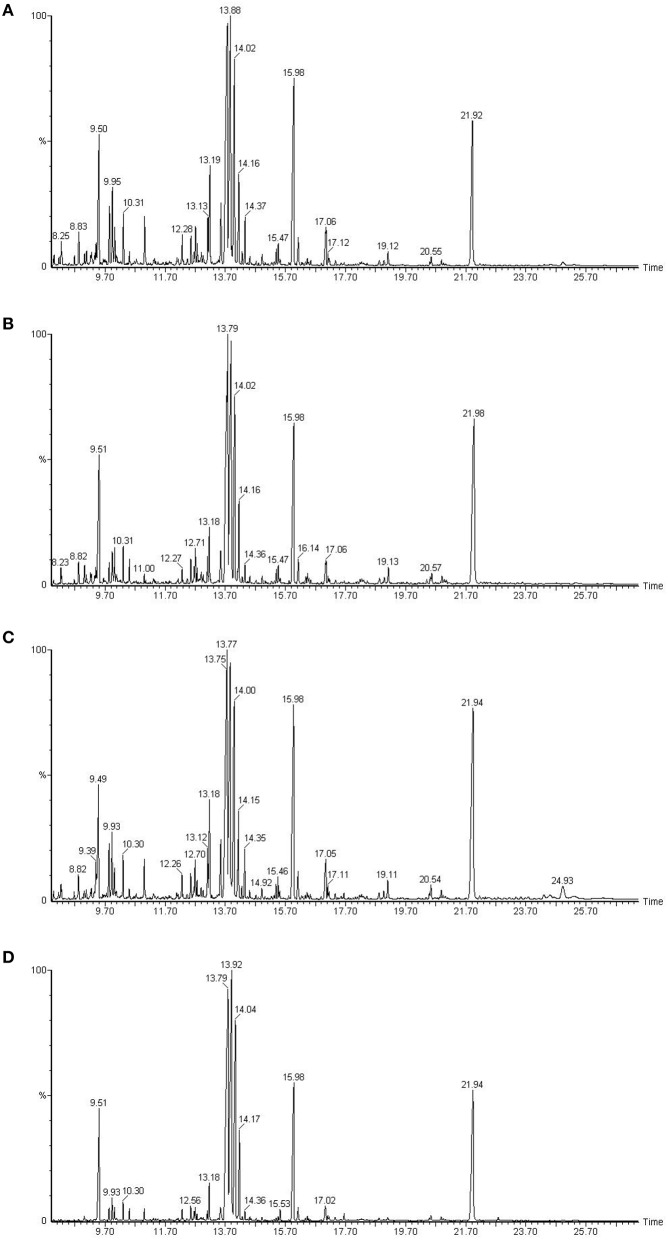
The pattern of protein induction in tomato plants has been investigated after the applications of pathogenic and non-pathogenic fungal species. Moreover, particular roles of the most active protein against biological applications were also determined using chromatographic techniques. Alternaria alternata and Penicillium oxalicum were applied as a pathogenic and non-pathogenic fungal species, respectively. Protein profile analysis revealed that a five protein species (i.e., protein 1, 6, 10, 12, and 13) possessed completely coupled interaction with non-pathogenic inducer application (P. oxalicum). However, three protein species (i.e., 10, 12, and 14) recorded a strong positive interaction with both fungal species. Protein 14 exhibited the maximum interaction with fungal applications, and its role in plant metabolism was studied after its identification as protein Q9M1W6. It was determined that protein Q1M1W6 was involved in guaiacyl lignin biosynthesis, and its inhibition increased the coumarin contents in tomato plants. Moreover, it was also observed that the protein Q9M1W6 takes significant part in the biosynthesis of jasmonic acid and Indole acetic acid contents, which are defense and growth factors of tomato plants. The study will help investigators to design fundamental rules of plant proteins affecting cell physiology under the influence of external fungal applications.
在接种致病和非致病真菌物种后,对番茄植株中蛋白质诱导模式进行了研究。此外,还使用色谱技术确定了对生物应用最具活性的蛋白质的特定作用。分别将链格孢和草酸青霉作为致病和非致病真菌物种进行接种。蛋白质谱分析表明,有五种蛋白质(即蛋白质1、6、10、12和13)与非致病诱导剂(草酸青霉)的应用具有完全耦合的相互作用。然而,有三种蛋白质(即10、12和14)与两种真菌物种均表现出强烈的正相互作用。蛋白质14与真菌接种表现出最大的相互作用,在其被鉴定为蛋白质Q9M1W6后,对其在植物代谢中的作用进行了研究。已确定蛋白质Q1M1W6参与愈创木基木质素的生物合成,其抑制作用会增加番茄植株中香豆素的含量。此外,还观察到蛋白质Q9M1W6在茉莉酸和吲哚乙酸含量的生物合成中起重要作用,而茉莉酸和吲哚乙酸是番茄植株的防御和生长因子。该研究将有助于研究人员设计出在外部真菌接种影响下,植物蛋白质影响细胞生理的基本规则。