Department of Chemical Engineering, Aragon Institute of Nanoscience (INA), University of Zaragoza , Campus Río Ebro-Edificio I+D, c/Poeta Mariano Esquillor s/n, 50018 Zaragoza, Spain.
Networking Research Center on Bioengineering, Biomaterials and Nanomedicine (CIBER-BBN) , 28029 Madrid, Spain.
ACS Appl Mater Interfaces. 2016 Aug 24;8(33):21545-54. doi: 10.1021/acsami.6b05727. Epub 2016 Aug 11.
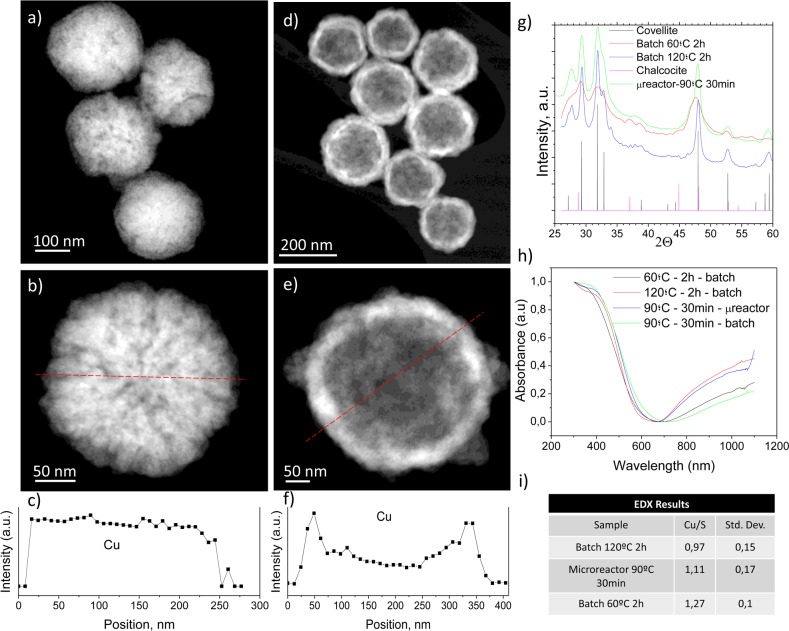
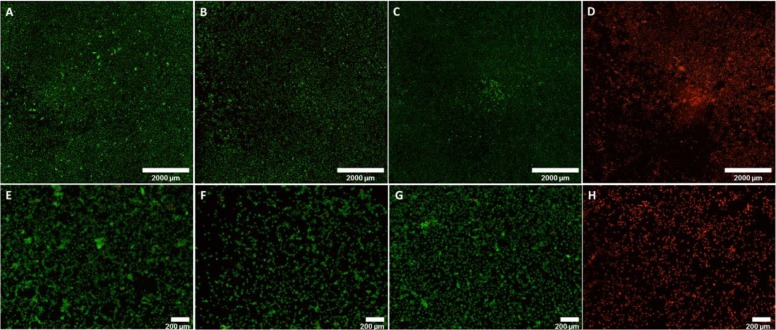
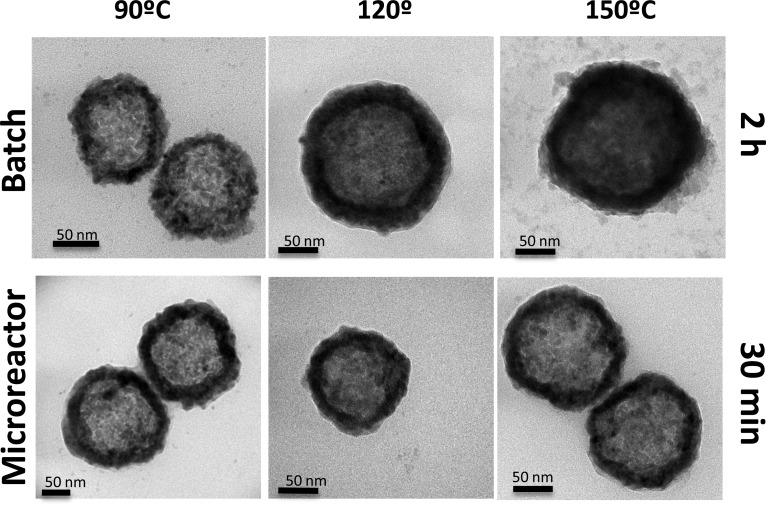
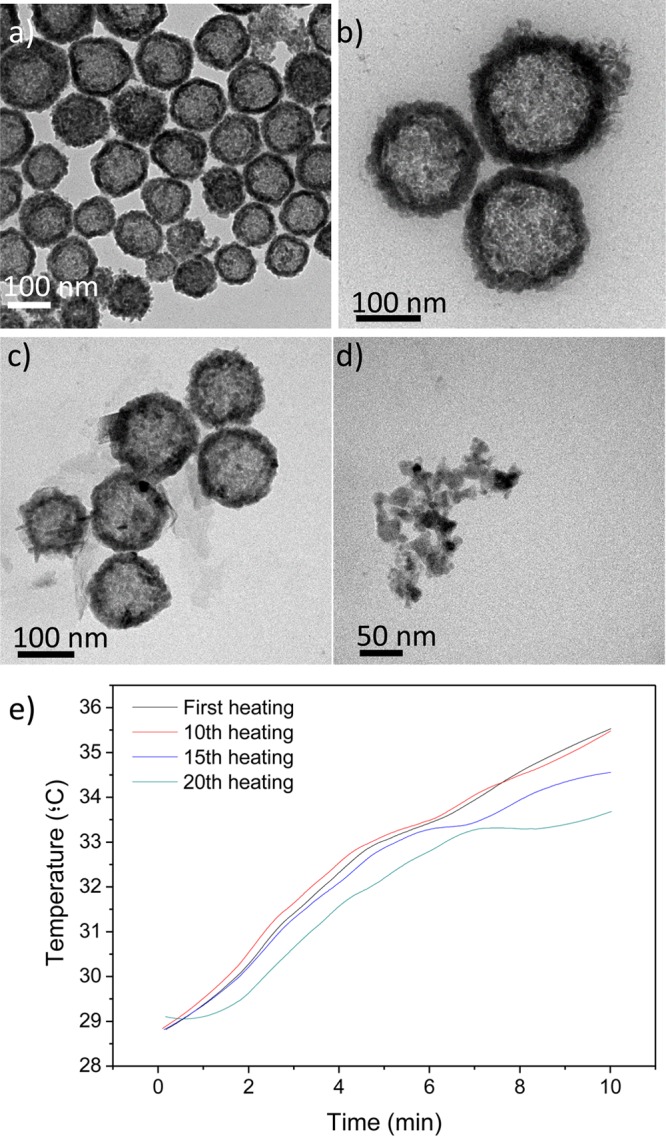
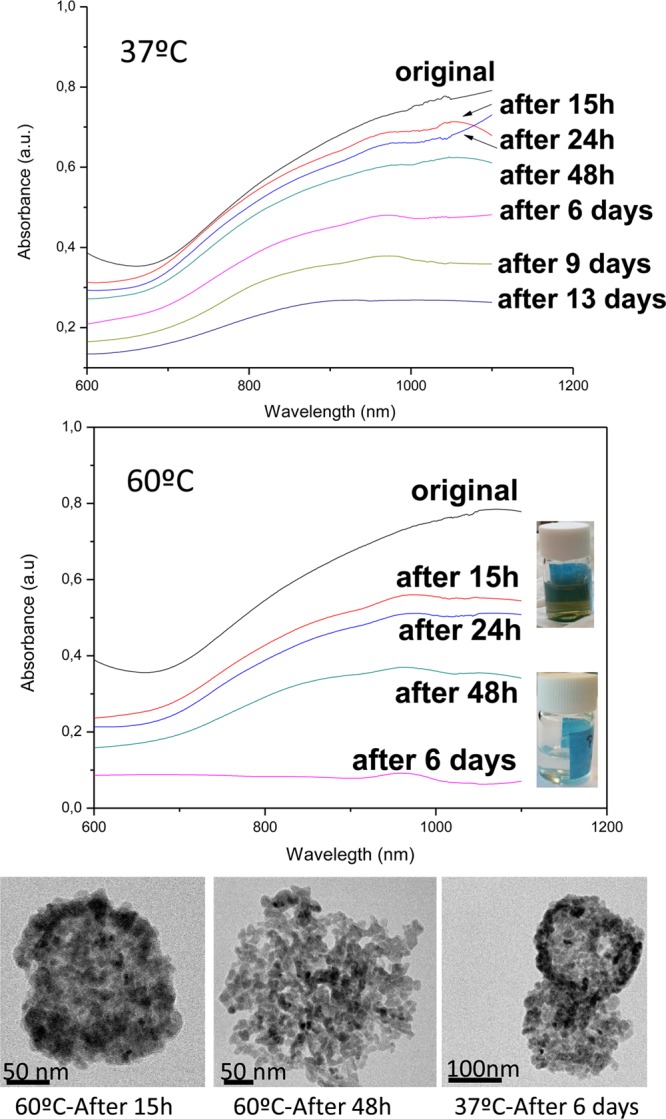
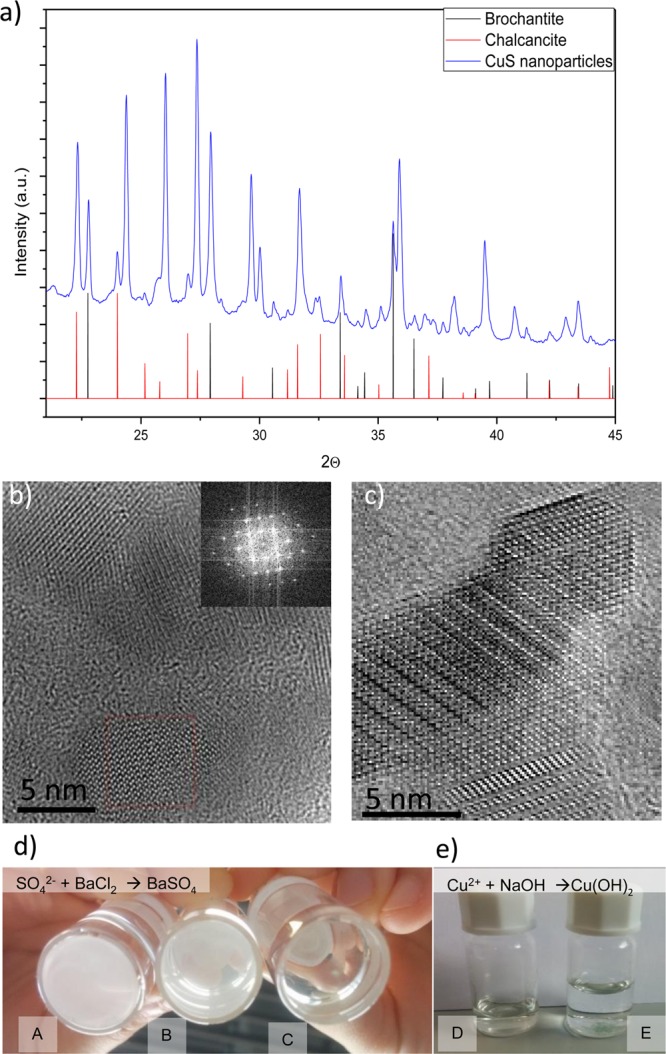
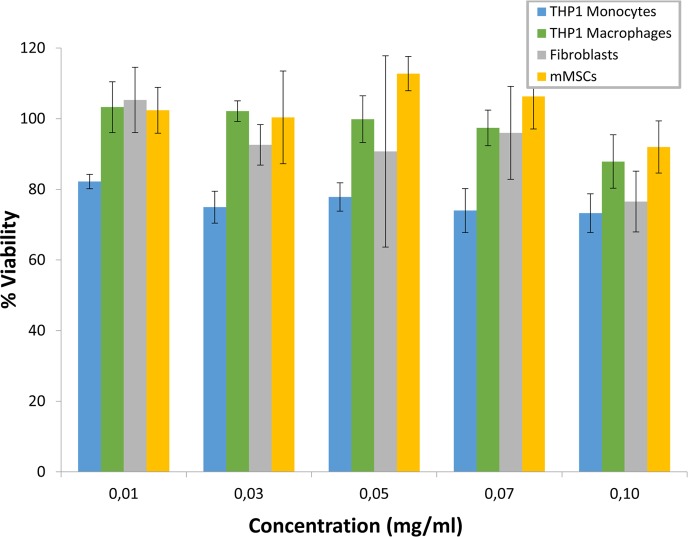
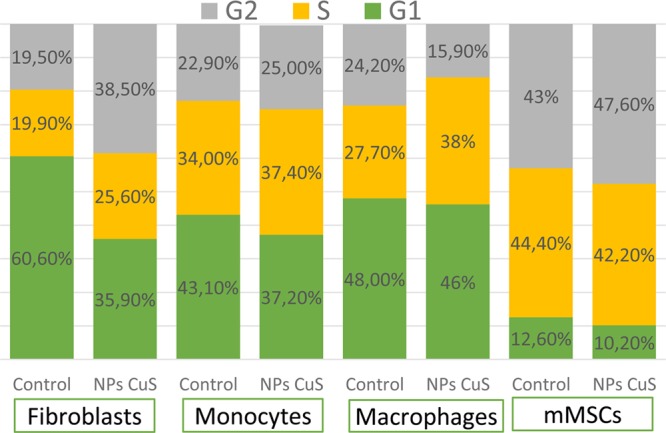
The continuous synthesis of biodegradable photothermal copper sulfide nanoparticles has been carried out with the aid of a microfluidic platform. A comparative physicochemical characterization of the resulting products from the microreactor and from a conventional batch reactor has been performed. The microreactor is able to operate in a continuous manner and with a 4-fold reduction in the synthesis times compared to that of the conventional batch reactor producing nanoparticles with the same physicochemical requirements. Biodegradation subproducts obtained under simulated physiological conditions have been identified, and a complete cytotoxicological analysis on different cell lines was performed. The photothermal effect of those nanomaterials has been demonstrated in vitro as well as their ability to generate reactive oxygen species.
借助微流控平台,实现了生物可降解光热硫化铜纳米粒子的连续合成。对微反应器和传统间歇式反应器所得产物进行了比较物理化学特性分析。与传统间歇式反应器相比,微反应器能够以连续的方式运行,并将合成时间缩短至 1/4,同时可生成具有相同物理化学要求的纳米粒子。在模拟生理条件下,确定了得到的生物降解副产物,并对不同细胞系进行了完整的细胞毒性分析。体外研究表明,这些纳米材料具有光热效应,能够产生活性氧。