Perumal Senthamil Selvan, Ekambaram Sanmuga Priya, Dhanam T
a Department of Pharmaceutical Technology , Bharathidasan Institute of Technology (BIT campus), Anna University , Tiruchirappalli , Tamil Nadu , India.
Pharm Biol. 2017 Dec;55(1):1330-1336. doi: 10.1080/13880209.2016.1226346. Epub 2016 Sep 5.
Calophyllum inophyllum Linn. (Clusiaceae) (CI) is traditionally used to treat pain, inflammation, eye disorders and rheumatism.
The present study evaluates the antiarthritic activity of the ethanol extract of the stem bark (ESBCI) and seeds (ESCI) of Calophyllum inophyllum in Freund's adjuvant induced arthritic Wistar albino rat model.
ESBCI and ESCI were screened for in vitro anti-inflammatory activity by proteinase inhibition and membrane stabilization assays. Acute oral toxicity studies were conducted according to OECD-425 guidelines. Antiarthritic activity of ESBCI and ESCI at the dose of 250 mg/kg/p.o. was evaluated by Freund's adjuvant induced arthritic rat model.
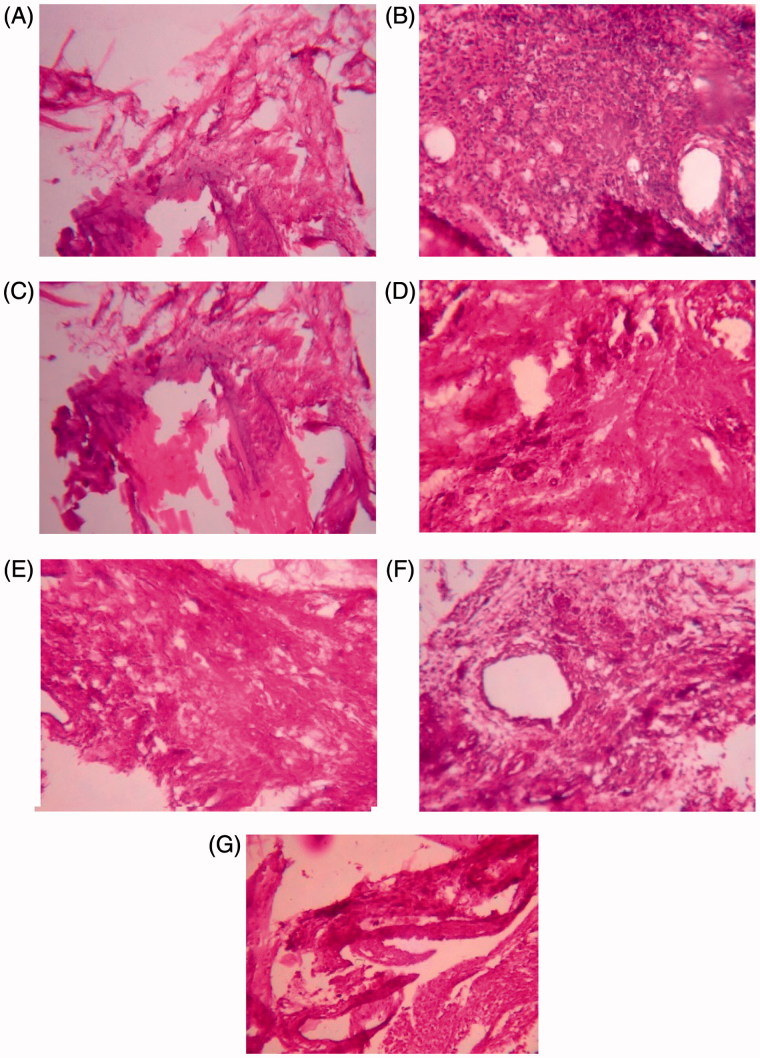
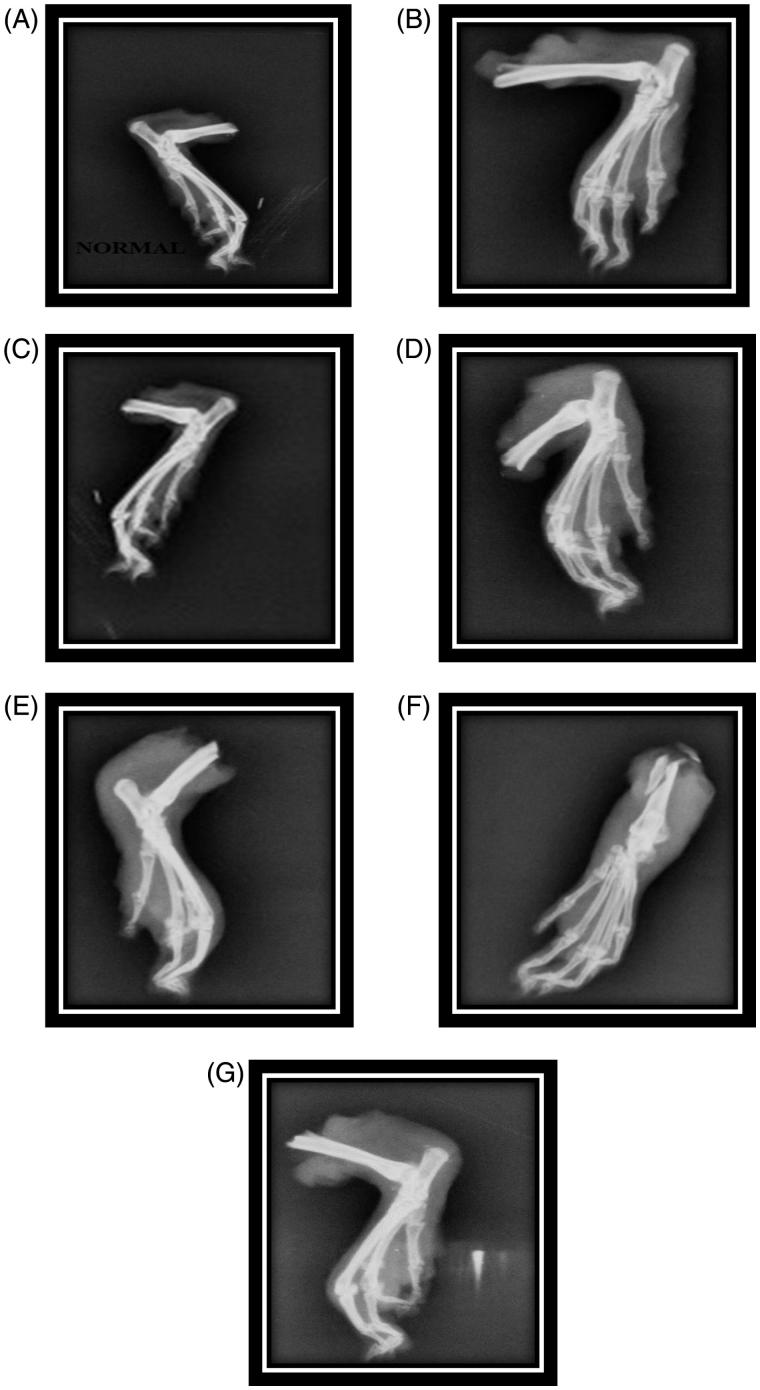
ESBCI and ESCI have shown maximum inhibition at 250 μg/mL in proteinase inhibition and haemolysis assays. The LD of ESBCI and ESCI was found to be greater than 5000 and 2000 mg/kg/p.o., respectively. In Freund's adjuvant induced arthritic rat model ESBCI, ESCI and Diclofenac treatment have shown 28.57, 36.36, and 43.51% as maximum reduction in rat paw oedema volume respectively when compared with the arthritic control rats. ESBCI and ESCI treatment at the dose level of 250 mg/kg/p.o. normalized the altered haematological and biochemical parameters of arthritic control rats. Histological and radiological evaluation confirmed the antiarthritic effect of ESBCI and ESCI.
ESBCI and ESCI were found to show significant antiarthritic activity evidenced with clinical, biochemical, histological and radiological evaluations.
The present study indicates the antiarthritic activity of ESBCI and ESCI, however its mechanism of action has to be studied in the future.
红厚壳(藤黄科)传统上用于治疗疼痛、炎症、眼部疾病和风湿病。
本研究在弗氏完全佐剂诱导的关节炎Wistar白化大鼠模型中评估红厚壳茎皮乙醇提取物(ESBCI)和种子乙醇提取物(ESCI)的抗关节炎活性。
通过蛋白酶抑制和膜稳定试验筛选ESBCI和ESCI的体外抗炎活性。按照经合组织425号指南进行急性经口毒性研究。采用弗氏完全佐剂诱导的关节炎大鼠模型评估ESBCI和ESCI在250mg/kg口服剂量下的抗关节炎活性。
在蛋白酶抑制和溶血试验中,ESBCI和ESCI在250μg/mL时表现出最大抑制作用。ESBCI和ESCI的半数致死量分别大于5000和2000mg/kg口服。在弗氏完全佐剂诱导的关节炎大鼠模型中,与关节炎对照大鼠相比,ESBCI、ESCI和双氯芬酸治疗分别使大鼠爪肿胀体积最大减少28.57%、36.36%和43.51%。250mg/kg口服剂量的ESBCI和ESCI治疗使关节炎对照大鼠改变的血液学和生化参数恢复正常。组织学和放射学评估证实了ESBCI和ESCI的抗关节炎作用。
通过临床、生化、组织学和放射学评估发现,ESBCI和ESCI具有显著的抗关节炎活性。
本研究表明ESBCI和ESCI具有抗关节炎活性,但其作用机制有待进一步研究。