Huh Christine J, Zhang Bo, Victor Matheus B, Dahiya Sonika, Batista Luis Fz, Horvath Steve, Yoo Andrew S
Department of Developmental Biology, Washington University School of Medicine, St. Louis, United States.
Program in Molecular and Cellular Biology, Washington University School of Medicine, St. Louis, United States.
Elife. 2016 Sep 20;5:e18648. doi: 10.7554/eLife.18648.
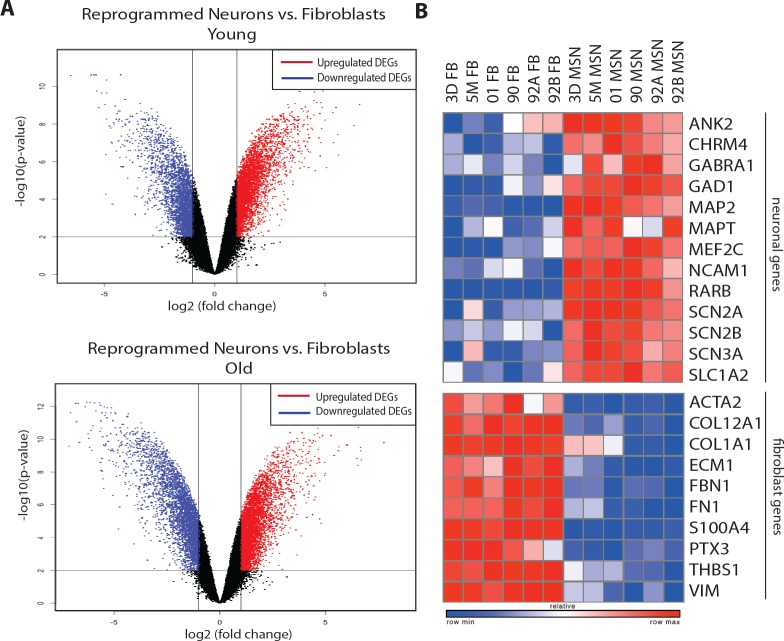
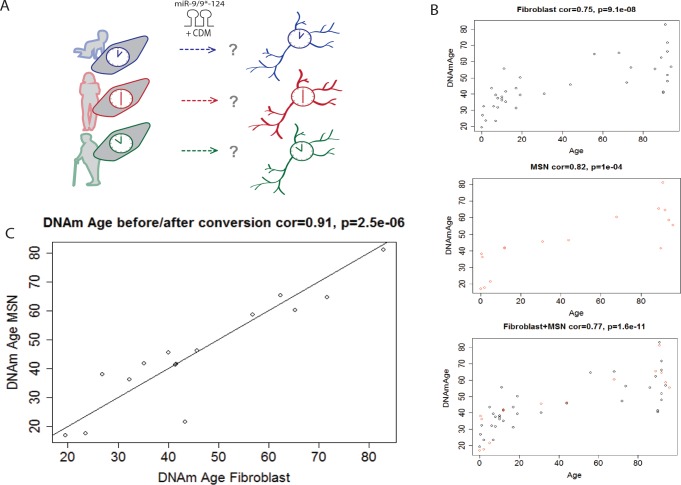
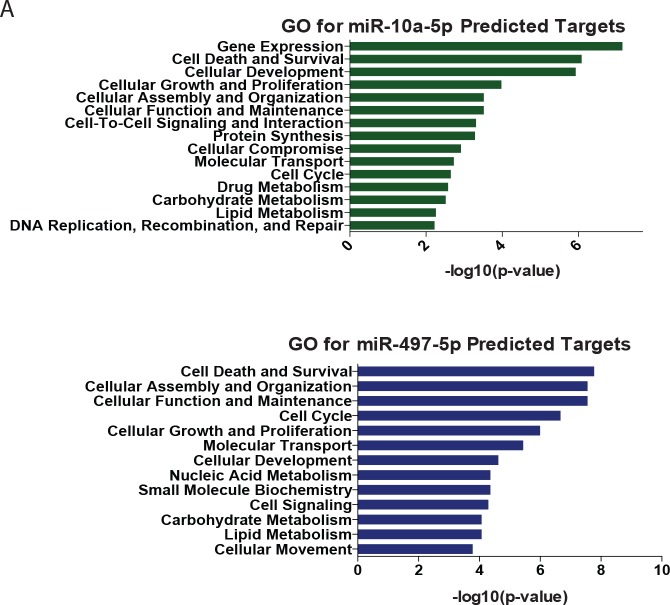
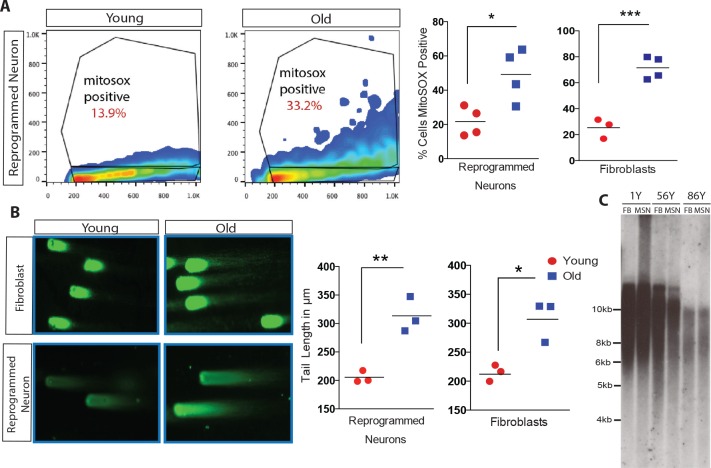
Aging is a major risk factor in many forms of late-onset neurodegenerative disorders. The ability to recapitulate age-related characteristics of human neurons in culture will offer unprecedented opportunities to study the biological processes underlying neuronal aging. Here, we show that using a recently demonstrated microRNA-based cellular reprogramming approach, human fibroblasts from postnatal to near centenarian donors can be efficiently converted into neurons that maintain multiple age-associated signatures. Application of an epigenetic biomarker of aging (referred to as epigenetic clock) to DNA methylation data revealed that the epigenetic ages of fibroblasts were highly correlated with corresponding age estimates of reprogrammed neurons. Transcriptome and microRNA profiles reveal genes differentially expressed between young and old neurons. Further analyses of oxidative stress, DNA damage and telomere length exhibit the retention of age-associated cellular properties in converted neurons from corresponding fibroblasts. Our results collectively demonstrate the maintenance of age after neuronal conversion.
衰老 是多种迟发性神经退行性疾病的主要风险因素。在培养中重现人类神经元与年龄相关特征的能力,将为研究神经元衰老背后的生物学过程提供前所未有的机会。在这里,我们表明,使用最近证明的基于 microRNA 的细胞重编程方法,从出生后到接近百岁老人供体的人类成纤维细胞可以有效地转化为维持多种与年龄相关特征的神经元。将衰老的表观遗传生物标志物(称为表观遗传时钟)应用于 DNA 甲基化数据表明,成纤维细胞的表观遗传年龄与重编程神经元的相应年龄估计高度相关。转录组和 microRNA 谱揭示了年轻和老年神经元之间差异表达的基因。对氧化应激、DNA 损伤和端粒长度的进一步分析表明,相应成纤维细胞转化而来的神经元中保留了与年龄相关的细胞特性。我们的结果共同证明了神经元转化后年龄特征的维持。