Hassman Lynn M, DiLoreto David A
University of Rochester Medical Center, Flaum Eye Institute; 601 Elmwood Ave., Box 659; Rochester, NY 14642 United States.
IDCases. 2016 Sep 22;6:47-51. doi: 10.1016/j.idcr.2016.09.012. eCollection 2016.
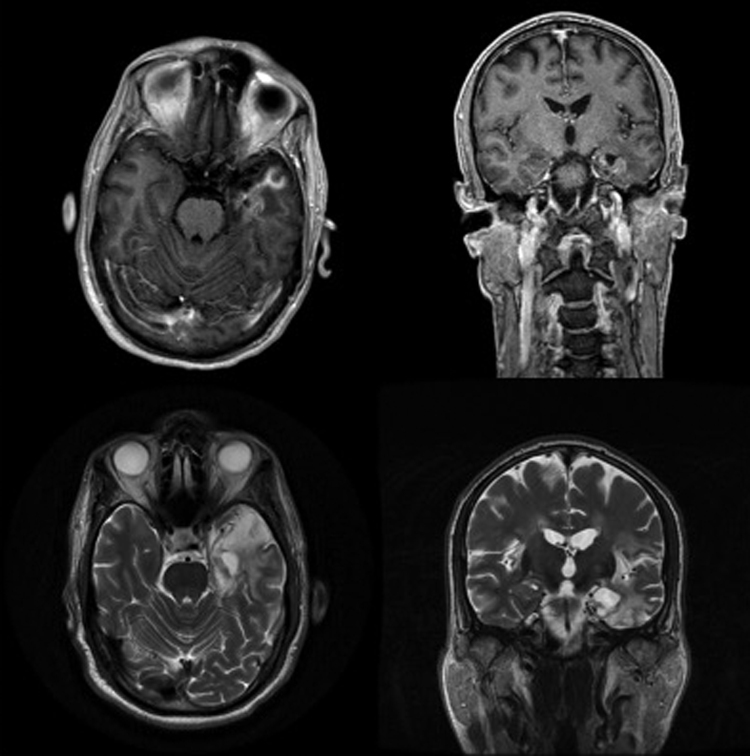
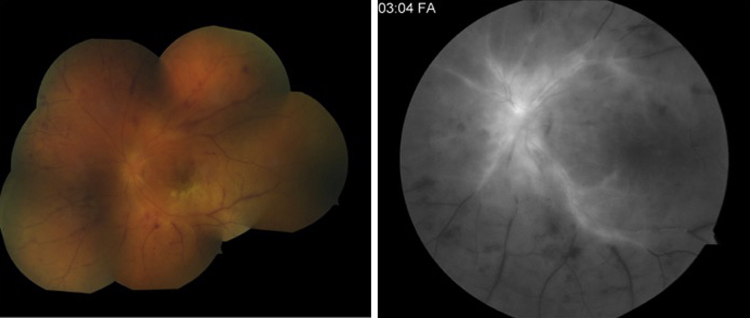
Herpes simplex virus 1 (HSV-1) is a nearly ubiquitous human pathogen, remaining dormant in its human host the majority of the time. The interaction between HSV-1 and the immune system represents a complicated balance of power that allows the virus to persist in the host for a lifetime. However, disruptions in the immune system can activate the virus with the potential to cause devastating infections in the central nervous system (CNS). We present a patient who suffered three consecutive yearly HSV-1 CNS episodes (encephalitis, seizure, and retinitis), each within days of his influenza vaccination. We highlight subtle immunologic defects in this patient that may have allowed unchecked viral replication and resultant disease manifestations, as well as the potential role of influenza vaccine in tipping this balance in favor of HSV-1.
单纯疱疹病毒1型(HSV-1)是一种几乎普遍存在的人类病原体,大部分时间在其人类宿主中处于潜伏状态。HSV-1与免疫系统之间的相互作用代表了一种复杂的力量平衡,使该病毒能够在宿主中持续终生。然而,免疫系统的紊乱会激活该病毒,有可能在中枢神经系统(CNS)中引发毁灭性感染。我们报告了一名患者,他在每年流感疫苗接种后的数天内连续三年每年都出现HSV-1中枢神经系统发作(脑炎、癫痫发作和视网膜炎)。我们强调了该患者可能存在的细微免疫缺陷,这些缺陷可能使病毒得以不受控制地复制并导致疾病表现,以及流感疫苗在打破这种平衡从而有利于HSV-1方面的潜在作用。