• 文献检索
  • 文档翻译
  • 深度研究
  • 学术资讯
  • Suppr Zotero 插件Zotero 插件
  • 邀请有礼
  • 套餐&价格
  • 历史记录
应用&插件
Suppr Zotero 插件Zotero 插件浏览器插件Mac 客户端Windows 客户端微信小程序
定价
高级版会员购买积分包购买API积分包
服务
文献检索文档翻译深度研究API 文档MCP 服务
关于我们
关于 Suppr公司介绍联系我们用户协议隐私条款
关注我们

Suppr 超能文献

核心技术专利:CN118964589B侵权必究
粤ICP备2023148730 号-1Suppr @ 2026

文献检索

告别复杂PubMed语法,用中文像聊天一样搜索,搜遍4000万医学文献。AI智能推荐,让科研检索更轻松。

立即免费搜索

文件翻译

保留排版,准确专业,支持PDF/Word/PPT等文件格式,支持 12+语言互译。

免费翻译文档

深度研究

AI帮你快速写综述,25分钟生成高质量综述,智能提取关键信息,辅助科研写作。

立即免费体验

甲基乙二醛是糖酵解的副产物,可诱导热休克蛋白90(Hsp90)糖基化以及Yes相关蛋白(YAP)介导的肿瘤生长和转移。

Methylglyoxal, a glycolysis side-product, induces Hsp90 glycation and YAP-mediated tumor growth and metastasis.

作者信息

Nokin Marie-Julie, Durieux Florence, Peixoto Paul, Chiavarina Barbara, Peulen Olivier, Blomme Arnaud, Turtoi Andrei, Costanza Brunella, Smargiasso Nicolas, Baiwir Dominique, Scheijen Jean L, Schalkwijk Casper G, Leenders Justine, De Tullio Pascal, Bianchi Elettra, Thiry Marc, Uchida Koji, Spiegel David A, Cochrane James R, Hutton Craig A, De Pauw Edwin, Delvenne Philippe, Belpomme Dominique, Castronovo Vincent, Bellahcène Akeila

机构信息

Metastasis Research Laboratory, GIGA-CANCER, University of Liège, Liège, Belgium.

Mass Spectrometry Laboratory, GIGA-Systems Biology and Chemical Biology, University of Liège, Liège, Belgium.

出版信息

Elife. 2016 Oct 19;5:e19375. doi: 10.7554/eLife.19375.

DOI:10.7554/eLife.19375
PMID:27759563
原文链接:https://pmc.ncbi.nlm.nih.gov/articles/PMC5081250/
Abstract

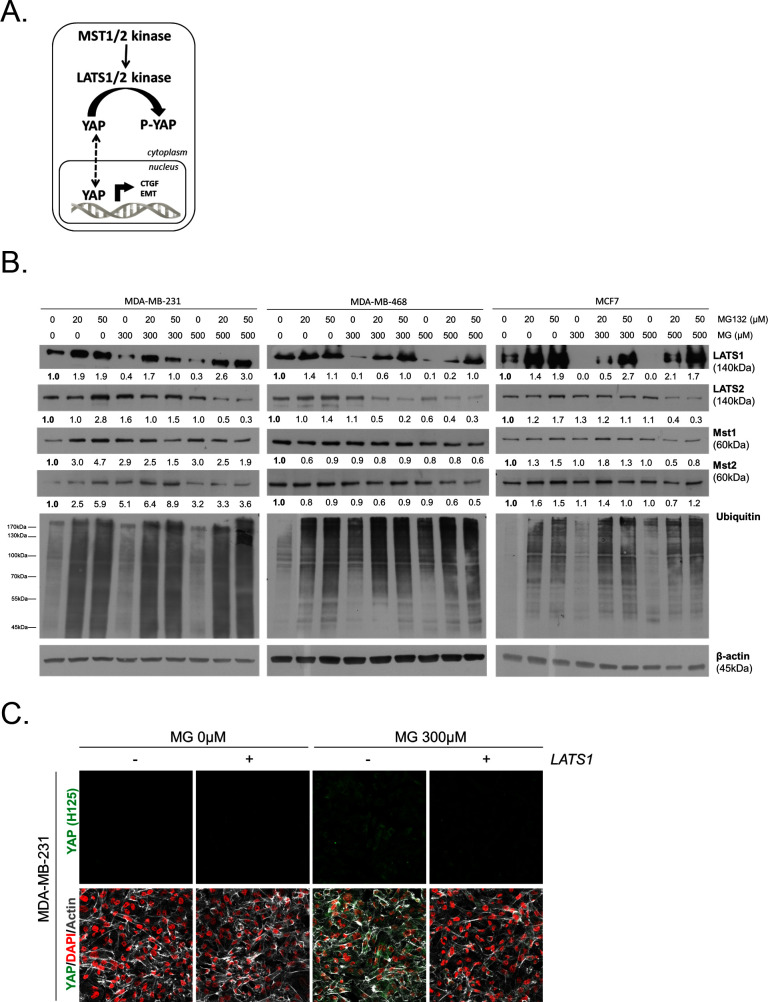
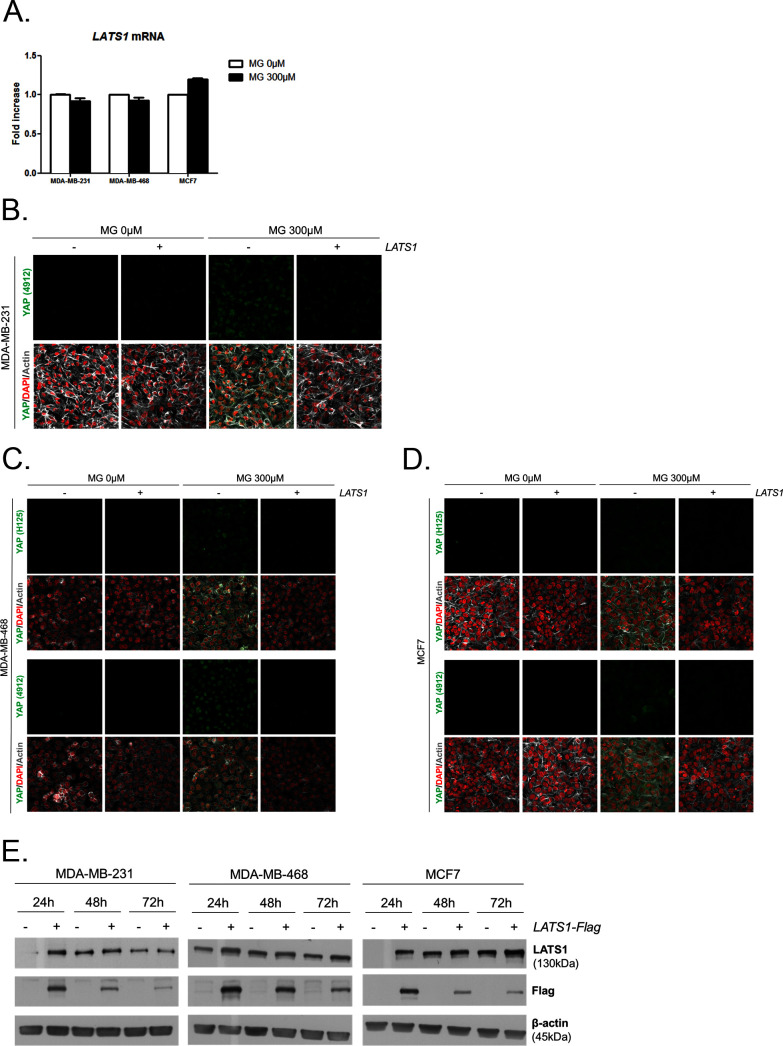
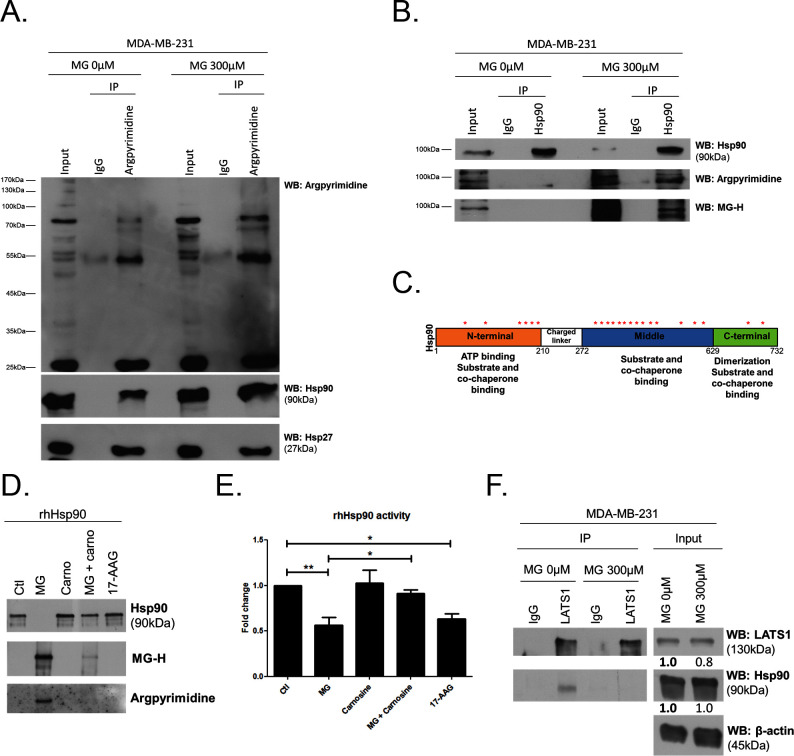
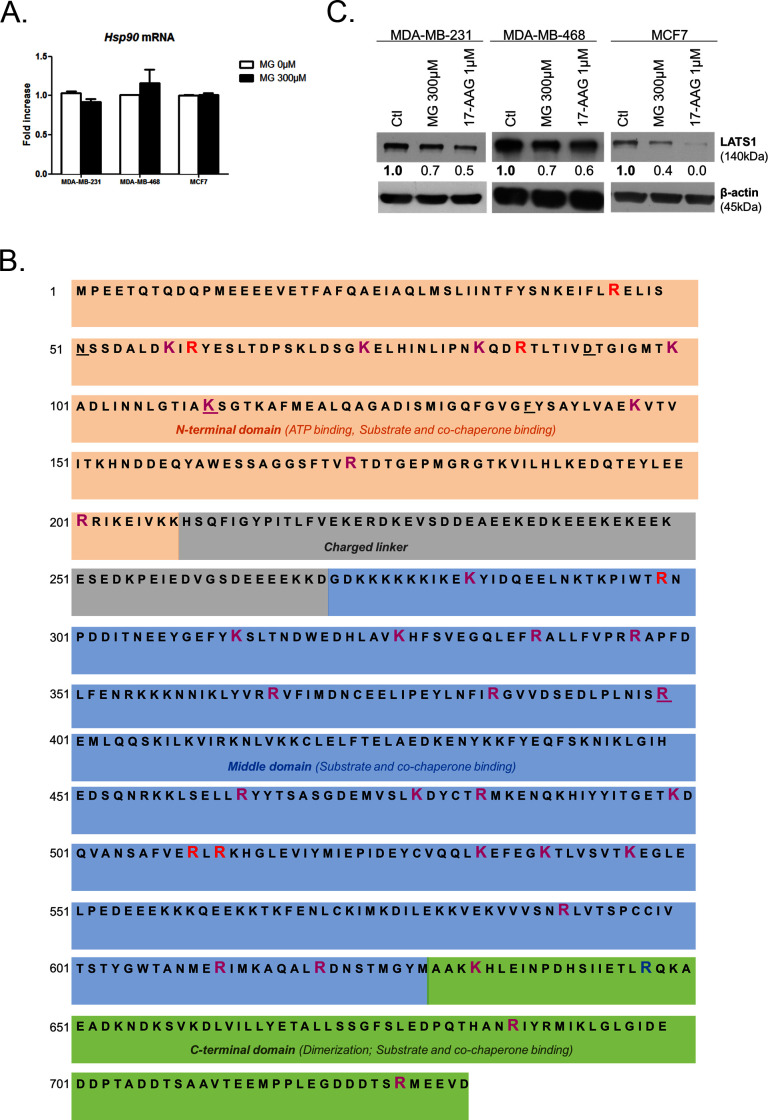
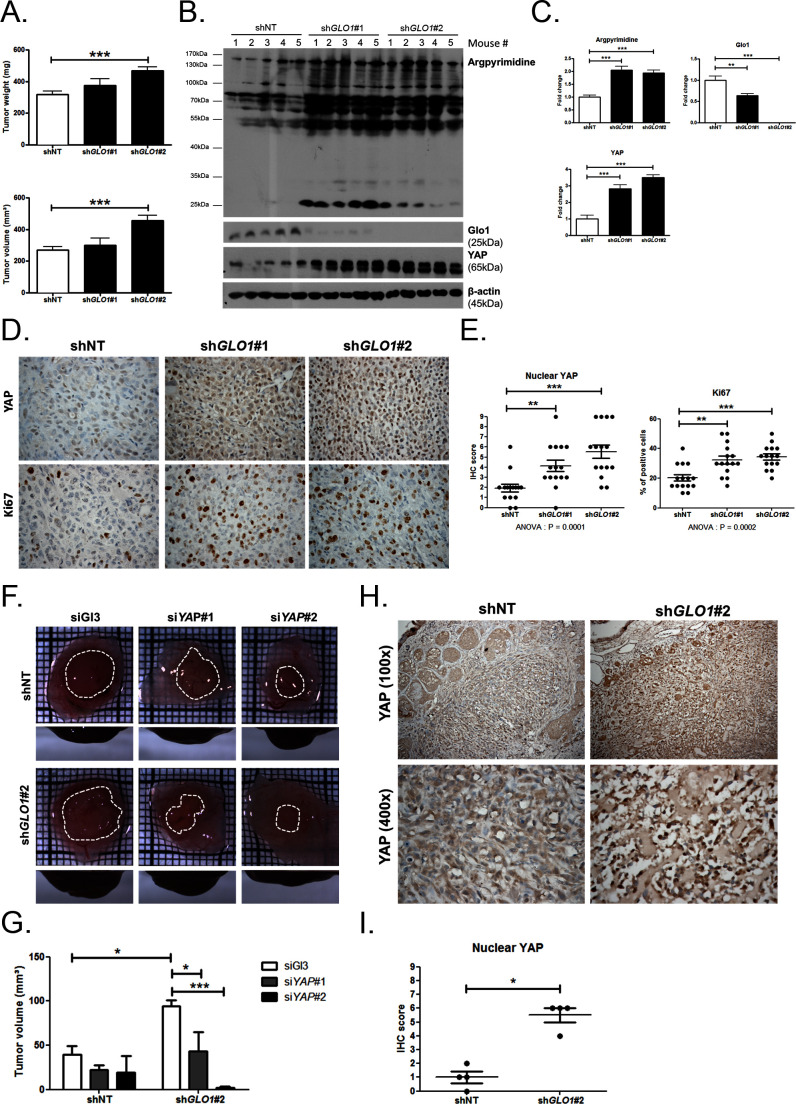
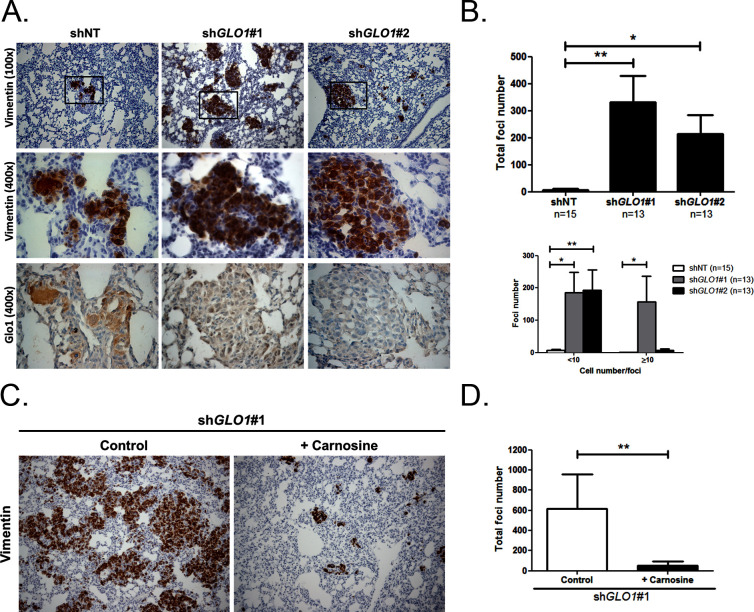
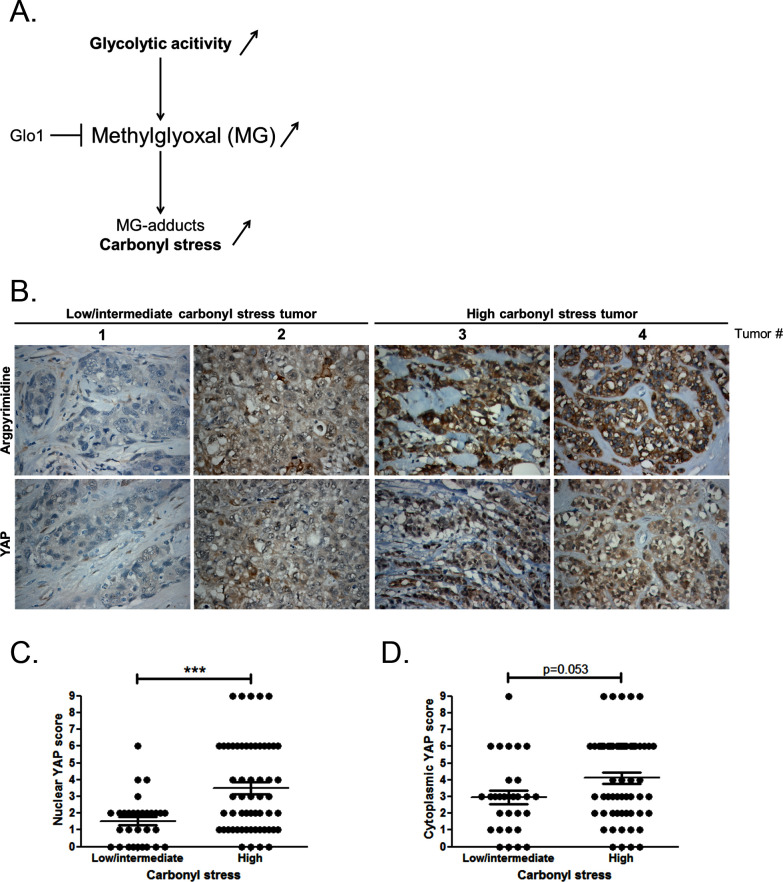
Metabolic reprogramming toward aerobic glycolysis unavoidably induces methylglyoxal (MG) formation in cancer cells. MG mediates the glycation of proteins to form advanced glycation end products (AGEs). We have recently demonstrated that MG-induced AGEs are a common feature of breast cancer. Little is known regarding the impact of MG-mediated carbonyl stress on tumor progression. Breast tumors with MG stress presented with high nuclear YAP, a key transcriptional co-activator regulating tumor growth and invasion. Elevated MG levels resulted in sustained YAP nuclear localization/activity that could be reverted using Carnosine, a scavenger for MG. MG treatment affected Hsp90 chaperone activity and decreased its binding to LATS1, a key kinase of the Hippo pathway. Cancer cells with high MG stress showed enhanced growth and metastatic potential in vivo. These findings reinforce the cumulative evidence pointing to hyperglycemia as a risk factor for cancer incidence and bring renewed interest in MG scavengers for cancer treatment.

摘要

癌细胞向有氧糖酵解的代谢重编程不可避免地会诱导甲基乙二醛(MG)的形成。MG介导蛋白质糖基化形成晚期糖基化终产物(AGEs)。我们最近证明,MG诱导的AGEs是乳腺癌的一个常见特征。关于MG介导的羰基应激对肿瘤进展的影响知之甚少。存在MG应激的乳腺肿瘤表现为高核YAP,YAP是一种调节肿瘤生长和侵袭的关键转录共激活因子。MG水平升高导致YAP持续核定位/活性,使用MG清除剂肌肽可使其恢复。MG处理影响Hsp90伴侣活性,并降低其与Hippo通路关键激酶LATS1的结合。具有高MG应激的癌细胞在体内显示出增强的生长和转移潜能。这些发现强化了越来越多的证据,表明高血糖是癌症发生的危险因素,并重新引发了人们对MG清除剂用于癌症治疗的兴趣。
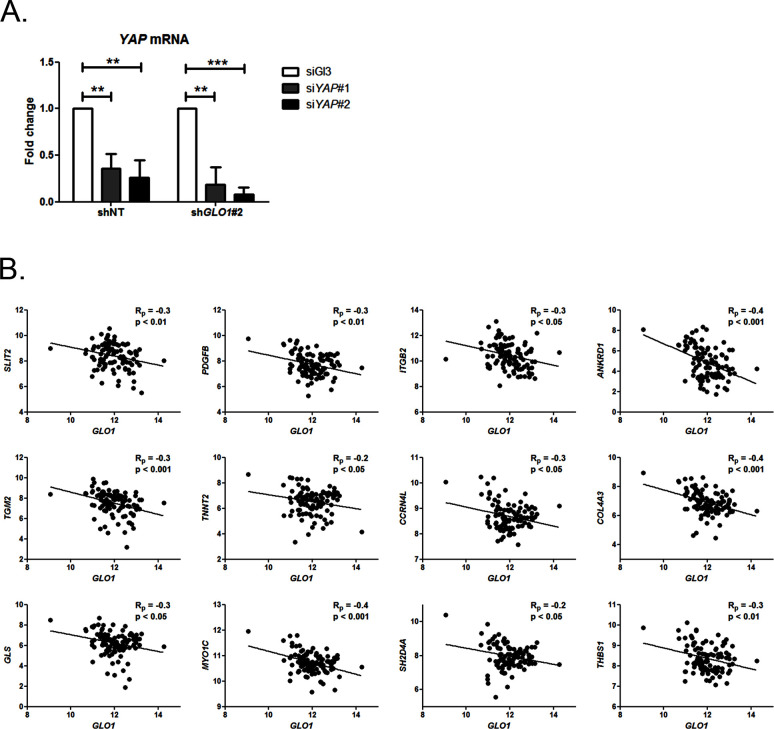
https://cdn.ncbi.nlm.nih.gov/pmc/blobs/c143/5081250/a7bdc30b700a/elife-19375-resp-fig1.jpg
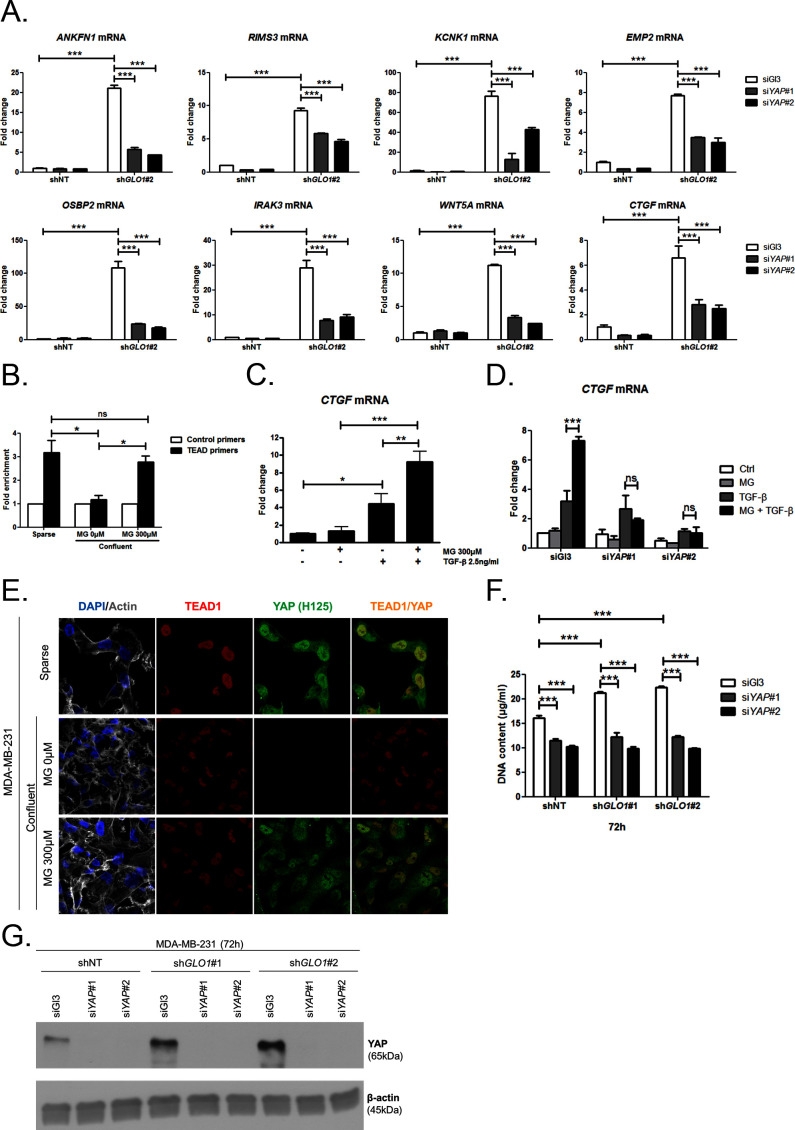
https://cdn.ncbi.nlm.nih.gov/pmc/blobs/c143/5081250/8e58876e6379/elife-19375-fig1.jpg
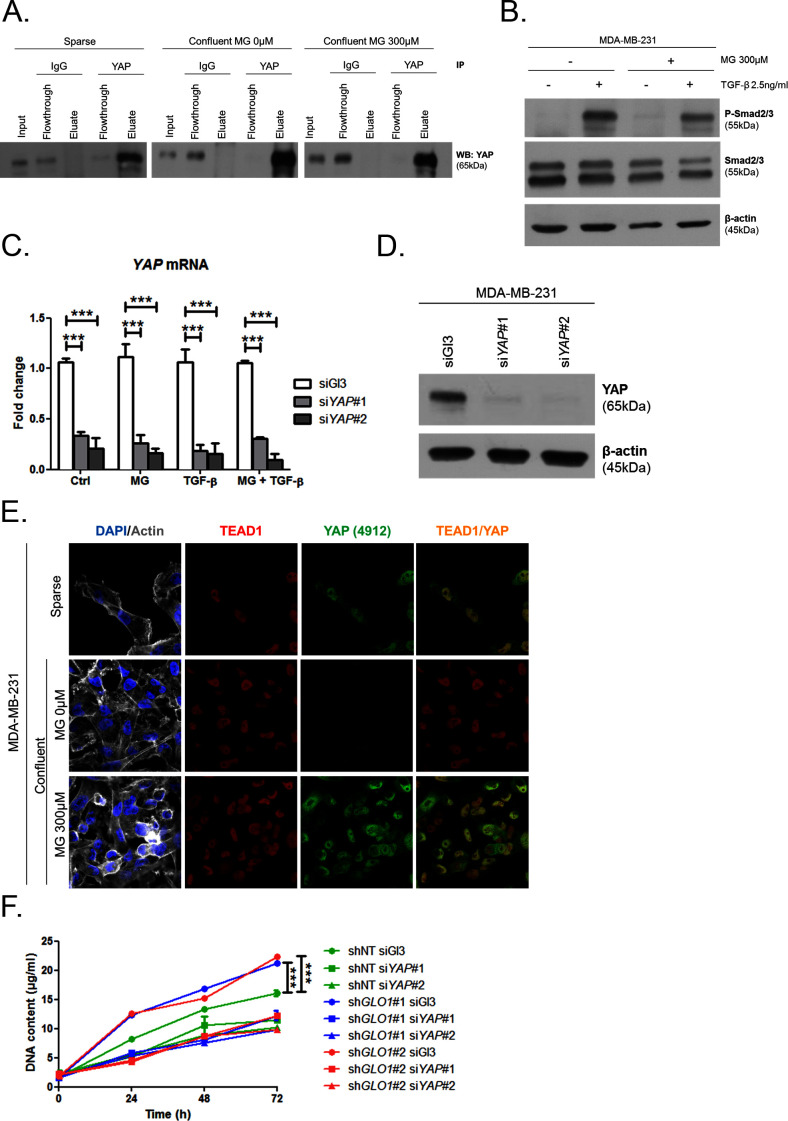
https://cdn.ncbi.nlm.nih.gov/pmc/blobs/c143/5081250/c1581f2d2af8/elife-19375-fig2.jpg
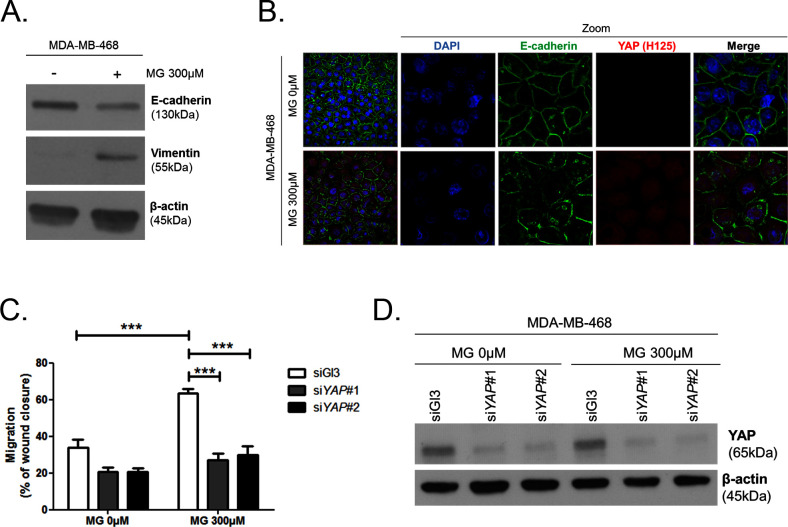
https://cdn.ncbi.nlm.nih.gov/pmc/blobs/c143/5081250/db7de84631b8/elife-19375-fig2-figsupp1.jpg
https://cdn.ncbi.nlm.nih.gov/pmc/blobs/c143/5081250/481119711a62/elife-19375-fig2-figsupp2.jpg
https://cdn.ncbi.nlm.nih.gov/pmc/blobs/c143/5081250/9e3a0035e28c/elife-19375-fig2-figsupp3.jpg
https://cdn.ncbi.nlm.nih.gov/pmc/blobs/c143/5081250/6b5d9baeb2e8/elife-19375-fig3.jpg
https://cdn.ncbi.nlm.nih.gov/pmc/blobs/c143/5081250/8b164ba50934/elife-19375-fig3-figsupp1.jpg
https://cdn.ncbi.nlm.nih.gov/pmc/blobs/c143/5081250/853d0e8305a8/elife-19375-fig3-figsupp2.jpg
https://cdn.ncbi.nlm.nih.gov/pmc/blobs/c143/5081250/6780d3ef507e/elife-19375-fig3-figsupp3.jpg
https://cdn.ncbi.nlm.nih.gov/pmc/blobs/c143/5081250/c49958823e42/elife-19375-fig3-figsupp4.jpg
https://cdn.ncbi.nlm.nih.gov/pmc/blobs/c143/5081250/532859028efc/elife-19375-fig4.jpg
https://cdn.ncbi.nlm.nih.gov/pmc/blobs/c143/5081250/b73b777aac46/elife-19375-fig4-figsupp1.jpg
https://cdn.ncbi.nlm.nih.gov/pmc/blobs/c143/5081250/3933e76fac0d/elife-19375-fig5.jpg
https://cdn.ncbi.nlm.nih.gov/pmc/blobs/c143/5081250/ceeb049790ac/elife-19375-fig5-figsupp1.jpg
https://cdn.ncbi.nlm.nih.gov/pmc/blobs/c143/5081250/8e040f331845/elife-19375-fig5-figsupp2.jpg
https://cdn.ncbi.nlm.nih.gov/pmc/blobs/c143/5081250/d5e1ec730876/elife-19375-fig5-figsupp3.jpg
https://cdn.ncbi.nlm.nih.gov/pmc/blobs/c143/5081250/0d658fa21333/elife-19375-fig6.jpg
https://cdn.ncbi.nlm.nih.gov/pmc/blobs/c143/5081250/9859d7feec7c/elife-19375-fig6-figsupp1.jpg
https://cdn.ncbi.nlm.nih.gov/pmc/blobs/c143/5081250/4fccef44cf4f/elife-19375-fig7.jpg
https://cdn.ncbi.nlm.nih.gov/pmc/blobs/c143/5081250/bb1399e5f3f5/elife-19375-fig7-figsupp1.jpg
https://cdn.ncbi.nlm.nih.gov/pmc/blobs/c143/5081250/299a1eed0b06/elife-19375-fig8.jpg
https://cdn.ncbi.nlm.nih.gov/pmc/blobs/c143/5081250/a85a25e533ee/elife-19375-fig8-figsupp1.jpg
https://cdn.ncbi.nlm.nih.gov/pmc/blobs/c143/5081250/a87b689f8f8c/elife-19375-fig9.jpg
https://cdn.ncbi.nlm.nih.gov/pmc/blobs/c143/5081250/a7bdc30b700a/elife-19375-resp-fig1.jpg
https://cdn.ncbi.nlm.nih.gov/pmc/blobs/c143/5081250/8e58876e6379/elife-19375-fig1.jpg
https://cdn.ncbi.nlm.nih.gov/pmc/blobs/c143/5081250/c1581f2d2af8/elife-19375-fig2.jpg
https://cdn.ncbi.nlm.nih.gov/pmc/blobs/c143/5081250/db7de84631b8/elife-19375-fig2-figsupp1.jpg
https://cdn.ncbi.nlm.nih.gov/pmc/blobs/c143/5081250/481119711a62/elife-19375-fig2-figsupp2.jpg
https://cdn.ncbi.nlm.nih.gov/pmc/blobs/c143/5081250/9e3a0035e28c/elife-19375-fig2-figsupp3.jpg
https://cdn.ncbi.nlm.nih.gov/pmc/blobs/c143/5081250/6b5d9baeb2e8/elife-19375-fig3.jpg
https://cdn.ncbi.nlm.nih.gov/pmc/blobs/c143/5081250/8b164ba50934/elife-19375-fig3-figsupp1.jpg
https://cdn.ncbi.nlm.nih.gov/pmc/blobs/c143/5081250/853d0e8305a8/elife-19375-fig3-figsupp2.jpg
https://cdn.ncbi.nlm.nih.gov/pmc/blobs/c143/5081250/6780d3ef507e/elife-19375-fig3-figsupp3.jpg
https://cdn.ncbi.nlm.nih.gov/pmc/blobs/c143/5081250/c49958823e42/elife-19375-fig3-figsupp4.jpg
https://cdn.ncbi.nlm.nih.gov/pmc/blobs/c143/5081250/532859028efc/elife-19375-fig4.jpg
https://cdn.ncbi.nlm.nih.gov/pmc/blobs/c143/5081250/b73b777aac46/elife-19375-fig4-figsupp1.jpg
https://cdn.ncbi.nlm.nih.gov/pmc/blobs/c143/5081250/3933e76fac0d/elife-19375-fig5.jpg
https://cdn.ncbi.nlm.nih.gov/pmc/blobs/c143/5081250/ceeb049790ac/elife-19375-fig5-figsupp1.jpg
https://cdn.ncbi.nlm.nih.gov/pmc/blobs/c143/5081250/8e040f331845/elife-19375-fig5-figsupp2.jpg
https://cdn.ncbi.nlm.nih.gov/pmc/blobs/c143/5081250/d5e1ec730876/elife-19375-fig5-figsupp3.jpg
https://cdn.ncbi.nlm.nih.gov/pmc/blobs/c143/5081250/0d658fa21333/elife-19375-fig6.jpg
https://cdn.ncbi.nlm.nih.gov/pmc/blobs/c143/5081250/9859d7feec7c/elife-19375-fig6-figsupp1.jpg
https://cdn.ncbi.nlm.nih.gov/pmc/blobs/c143/5081250/4fccef44cf4f/elife-19375-fig7.jpg
https://cdn.ncbi.nlm.nih.gov/pmc/blobs/c143/5081250/bb1399e5f3f5/elife-19375-fig7-figsupp1.jpg
https://cdn.ncbi.nlm.nih.gov/pmc/blobs/c143/5081250/299a1eed0b06/elife-19375-fig8.jpg
https://cdn.ncbi.nlm.nih.gov/pmc/blobs/c143/5081250/a85a25e533ee/elife-19375-fig8-figsupp1.jpg
https://cdn.ncbi.nlm.nih.gov/pmc/blobs/c143/5081250/a87b689f8f8c/elife-19375-fig9.jpg
https://cdn.ncbi.nlm.nih.gov/pmc/blobs/c143/5081250/a7bdc30b700a/elife-19375-resp-fig1.jpg

相似文献

1
Methylglyoxal, a glycolysis side-product, induces Hsp90 glycation and YAP-mediated tumor growth and metastasis.甲基乙二醛是糖酵解的副产物,可诱导热休克蛋白90(Hsp90)糖基化以及Yes相关蛋白(YAP)介导的肿瘤生长和转移。
Elife. 2016 Oct 19;5:e19375. doi: 10.7554/eLife.19375.
2
Methylglyoxal, a glycolysis metabolite, triggers metastasis through MEK/ERK/SMAD1 pathway activation in breast cancer.甲基乙二醛是糖酵解代谢物,通过激活乳腺癌中的 MEK/ERK/SMAD1 通路引发转移。
Breast Cancer Res. 2019 Jan 23;21(1):11. doi: 10.1186/s13058-018-1095-7.
3
Hormetic potential of methylglyoxal, a side-product of glycolysis, in switching tumours from growth to death.甲基乙二醛(糖酵解的副产物)在促使肿瘤从生长转向死亡方面的 hormetic 潜力。
Sci Rep. 2017 Sep 15;7(1):11722. doi: 10.1038/s41598-017-12119-7.
4
Diabetes promotes invasive pancreatic cancer by increasing systemic and tumour carbonyl stress in Kras mice.糖尿病通过增加 Kras 小鼠全身和肿瘤羰基应激促进侵袭性胰腺癌。
J Exp Clin Cancer Res. 2020 Aug 10;39(1):152. doi: 10.1186/s13046-020-01665-0.
5
Heat shock protein 90 inhibition depletes LATS1 and LATS2, two regulators of the mammalian hippo tumor suppressor pathway.热休克蛋白 90 抑制会耗尽 LATS1 和 LATS2,这两种蛋白是哺乳动物 hippo 肿瘤抑制途径的调节因子。
Cancer Res. 2010 Nov 1;70(21):8642-50. doi: 10.1158/0008-5472.CAN-10-1345. Epub 2010 Sep 14.
6
Aerobic glycolysis tunes YAP/TAZ transcriptional activity.有氧糖酵解调节YAP/TAZ转录活性。
EMBO J. 2015 May 12;34(10):1349-70. doi: 10.15252/embj.201490379. Epub 2015 Mar 21.
7
TAZ Protein Accumulation Is Negatively Regulated by YAP Abundance in Mammalian Cells.在哺乳动物细胞中,TAZ蛋白的积累受到YAP丰度的负调控。
J Biol Chem. 2015 Nov 13;290(46):27928-38. doi: 10.1074/jbc.M115.692285. Epub 2015 Oct 2.
8
High mobility group protein B1 controls liver cancer initiation through yes-associated protein -dependent aerobic glycolysis.高迁移率族蛋白 B1 通过 YAP 依赖性有氧糖酵解控制肝癌起始。
Hepatology. 2018 May;67(5):1823-1841. doi: 10.1002/hep.29663. Epub 2018 Apr 1.
9
Involvement of YAP, TAZ and HSP90 in contact guidance and intercellular junction formation in corneal epithelial cells.YAP、TAZ和HSP90在角膜上皮细胞的接触导向和细胞间连接形成中的作用。
PLoS One. 2014 Oct 7;9(10):e109811. doi: 10.1371/journal.pone.0109811. eCollection 2014.
10
Interplay of mevalonate and Hippo pathways regulates RHAMM transcription via YAP to modulate breast cancer cell motility.甲羟戊酸途径和 Hippo 途径的相互作用通过 YAP 调节 RHAMM 转录,从而调节乳腺癌细胞的迁移。
Proc Natl Acad Sci U S A. 2014 Jan 7;111(1):E89-98. doi: 10.1073/pnas.1319190110. Epub 2013 Dec 23.

引用本文的文献

1
Protein modifications by advanced glycation end products (AGEs) in human clear cell renal cell carcinoma.晚期糖基化终末产物(AGEs)对人透明细胞肾细胞癌的蛋白质修饰
J Transl Med. 2025 Aug 14;23(1):914. doi: 10.1186/s12967-025-06958-6.
2
Dual roles of methylglyoxal in cancer.甲基乙二醛在癌症中的双重作用。
Front Oncol. 2025 Apr 25;15:1557162. doi: 10.3389/fonc.2025.1557162. eCollection 2025.
3
Energy Metabolism and Brain Aging: Strategies to Delay Neuronal Degeneration.能量代谢与脑衰老:延缓神经元变性的策略

本文引用的文献

1
New insights into posttranslational modifications of Hippo pathway in carcinogenesis and therapeutics.对Hippo信号通路在致癌作用和治疗中的翻译后修饰的新见解。
Cell Div. 2016 Mar 31;11:4. doi: 10.1186/s13008-016-0013-6. eCollection 2016.
2
Aerobic glycolysis tunes YAP/TAZ transcriptional activity.有氧糖酵解调节YAP/TAZ转录活性。
EMBO J. 2015 May 12;34(10):1349-70. doi: 10.15252/embj.201490379. Epub 2015 Mar 21.
3
Cellular energy stress induces AMPK-mediated regulation of YAP and the Hippo pathway.细胞能量应激诱导AMPK介导的YAP和Hippo信号通路调控。
Cell Mol Neurobiol. 2025 Apr 21;45(1):38. doi: 10.1007/s10571-025-01555-z.
4
Exploring glycolytic enzymes in disease: potential biomarkers and therapeutic targets in neurodegeneration, cancer and parasitic infections.探索疾病中的糖酵解酶:神经退行性疾病、癌症和寄生虫感染中的潜在生物标志物及治疗靶点
Open Biol. 2025 Feb;15(2):240239. doi: 10.1098/rsob.240239. Epub 2025 Feb 5.
5
Advanced Glycation End-Product-Modified Heat Shock Protein 90 May Be Associated with Urinary Stones.晚期糖基化终产物修饰的热休克蛋白90可能与尿路结石有关。
Diseases. 2025 Jan 2;13(1):7. doi: 10.3390/diseases13010007.
6
Generation and Accumulation of Various Advanced Glycation End-Products in Cardiomyocytes May Induce Cardiovascular Disease.心肌细胞中各种晚期糖基化终产物的产生和积累可能导致心血管疾病。
Int J Mol Sci. 2024 Jul 3;25(13):7319. doi: 10.3390/ijms25137319.
7
Glyoxalase 1: Emerging biomarker and therapeutic target in cervical cancer progression.乙二醛酶1:宫颈癌进展中新兴的生物标志物和治疗靶点。
PLoS One. 2024 Jun 13;19(6):e0299345. doi: 10.1371/journal.pone.0299345. eCollection 2024.
8
Protein Haptenation and Its Role in Allergy.蛋白质半抗原化及其在过敏中的作用。
Chem Res Toxicol. 2024 Jun 17;37(6):850-872. doi: 10.1021/acs.chemrestox.4c00062. Epub 2024 Jun 4.
9
The NDR family of kinases: essential regulators of aging.NDR激酶家族:衰老的关键调节因子。
Front Mol Neurosci. 2024 May 13;17:1371086. doi: 10.3389/fnmol.2024.1371086. eCollection 2024.
10
Glyoxalase System in Breast and Ovarian Cancers: Role of MEK/ERK/SMAD1 Pathway.糖氧醛酸酶系统在乳腺癌和卵巢癌中的作用:MEK/ERK/SMAD1 通路的作用。
Biomolecules. 2024 May 15;14(5):584. doi: 10.3390/biom14050584.
Nat Cell Biol. 2015 Apr;17(4):500-10. doi: 10.1038/ncb3111. Epub 2015 Mar 9.
4
AMPK modulates Hippo pathway activity to regulate energy homeostasis.AMPK调节Hippo信号通路活性以调控能量稳态。
Nat Cell Biol. 2015 Apr;17(4):490-9. doi: 10.1038/ncb3113. Epub 2015 Mar 9.
5
The emerging roles of YAP and TAZ in cancer.YAP和TAZ在癌症中的新作用。
Nat Rev Cancer. 2015 Feb;15(2):73-79. doi: 10.1038/nrc3876. Epub 2015 Jan 16.
6
Energy stress regulates hippo-YAP signaling involving AMPK-mediated regulation of angiomotin-like 1 protein.能量应激通过AMPK介导的血管动蛋白样1蛋白调节来调控河马-YAP信号通路。
Cell Rep. 2014 Oct 23;9(2):495-503. doi: 10.1016/j.celrep.2014.09.036. Epub 2014 Oct 16.
7
Hyperglycemia as a risk factor for cancer progression.高血糖作为癌症进展的一个风险因素。
Diabetes Metab J. 2014 Oct;38(5):330-6. doi: 10.4093/dmj.2014.38.5.330.
8
Carnosine inhibits the proliferation of human gastric cancer SGC-7901 cells through both of the mitochondrial respiration and glycolysis pathways.肌肽通过线粒体呼吸和糖酵解途径抑制人胃癌SGC-7901细胞的增殖。
PLoS One. 2014 Aug 12;9(8):e104632. doi: 10.1371/journal.pone.0104632. eCollection 2014.
9
Measurement of methylglyoxal by stable isotopic dilution analysis LC-MS/MS with corroborative prediction in physiological samples.采用稳定同位素稀释分析 LC-MS/MS 结合生理样本中确证预测法测定甲基乙二醛。
Nat Protoc. 2014 Aug;9(8):1969-79. doi: 10.1038/nprot.2014.129. Epub 2014 Jul 24.
10
Triple negative tumors accumulate significantly less methylglyoxal specific adducts than other human breast cancer subtypes.三阴性肿瘤积累的甲基乙二醛特异性加合物比其他人类乳腺癌亚型显著更少。
Oncotarget. 2014 Jul 30;5(14):5472-82. doi: 10.18632/oncotarget.2121.