Zhao Xiyang, Zheng Tangchun, Shao Longting, Xiao Zhenhai, Wang Fuwei, Li Shuchun, Zang Lina, Zheng Mi, Li Ying, Qu Guan-Zheng
State Key Laboratory of Tree Genetics and Breeding (Northeast Forestry University), School of Forestry, Northeast Forestry University, Harbin 150040, China.
Beijing Key Laboratory of Ornamental Plants Germplasm Innovation & Molecular Breeding, National Engineering Research Center for Floriculture, Beijing Laboratory of Urban and Rural Ecological Environment, Key Laboratory of Genetics and Breeding in Forest Trees and Ornamental Plants of Ministry of Education, School of Landscape Architecture, Beijing Forestry University, Beijing, 100083, China.
PLoS One. 2016 Nov 1;11(11):e0164820. doi: 10.1371/journal.pone.0164820. eCollection 2016.
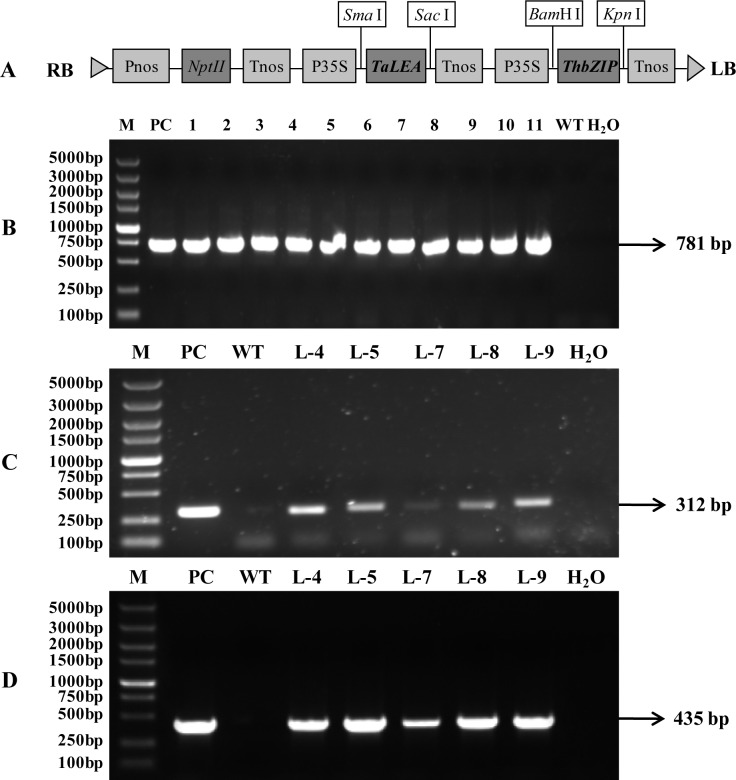
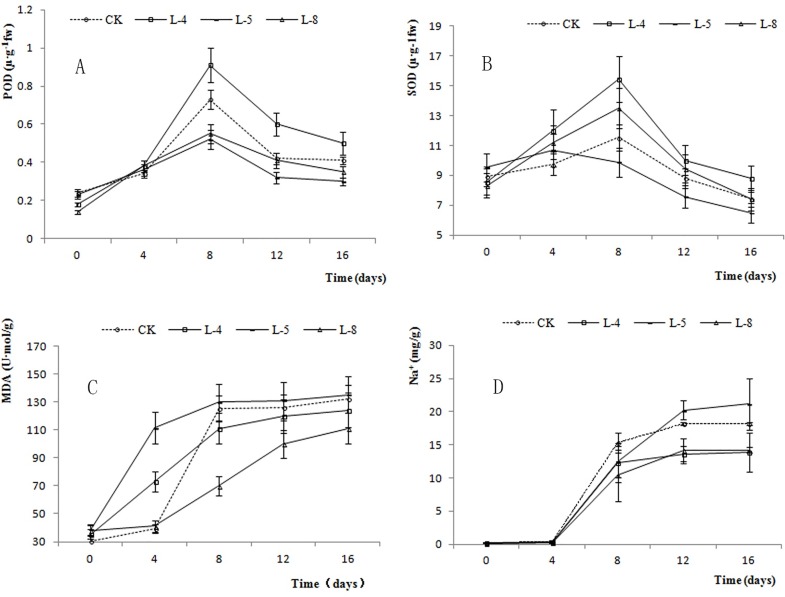
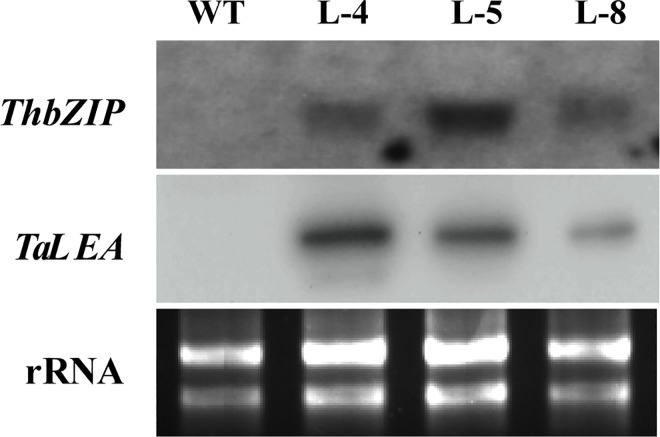
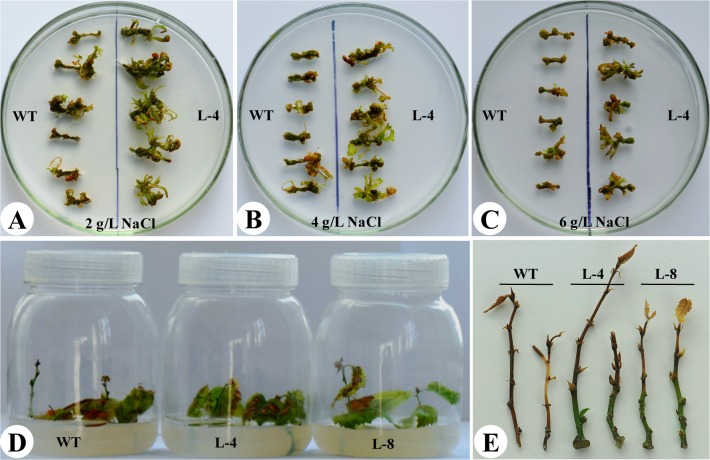
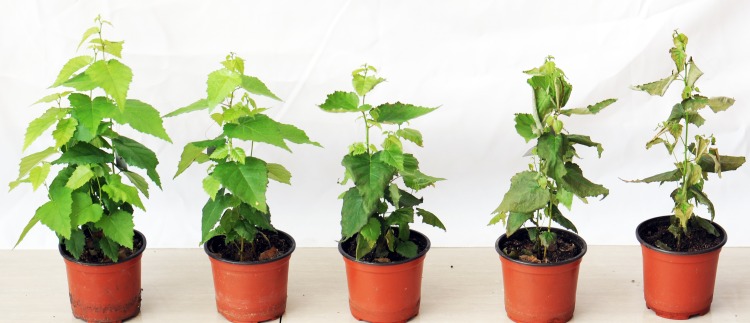
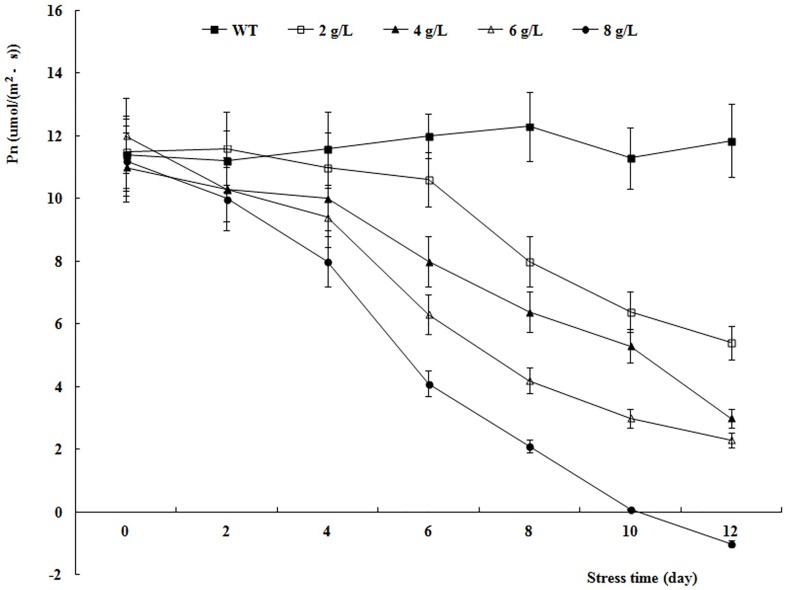
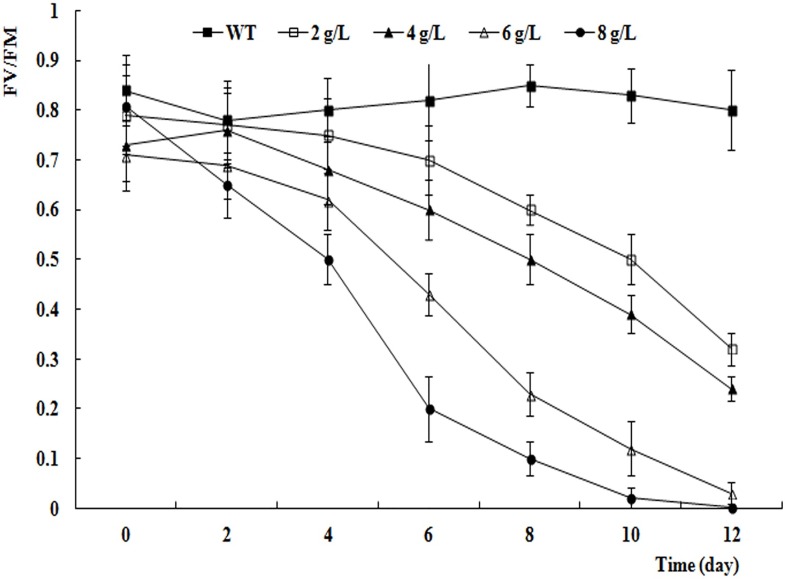
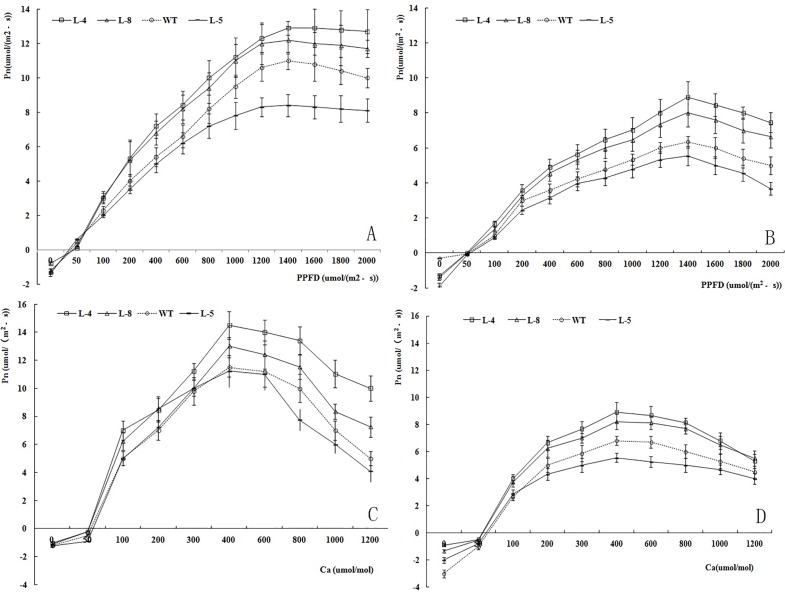
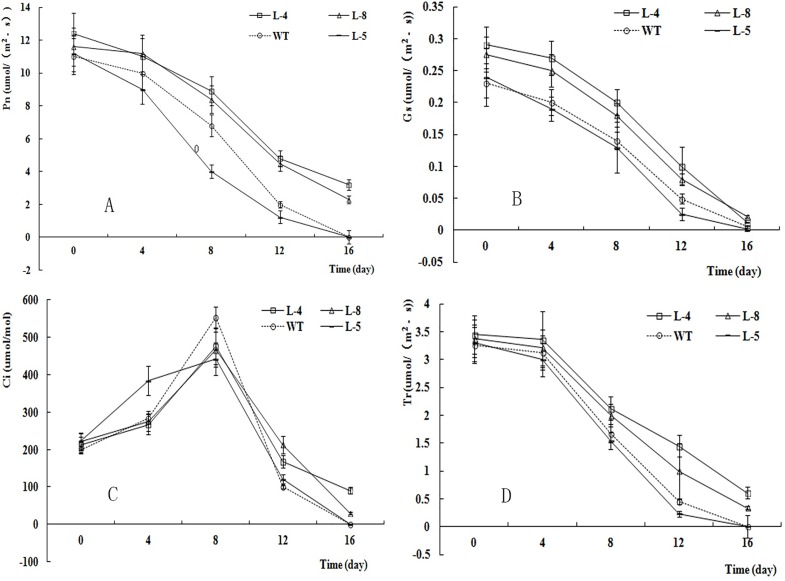
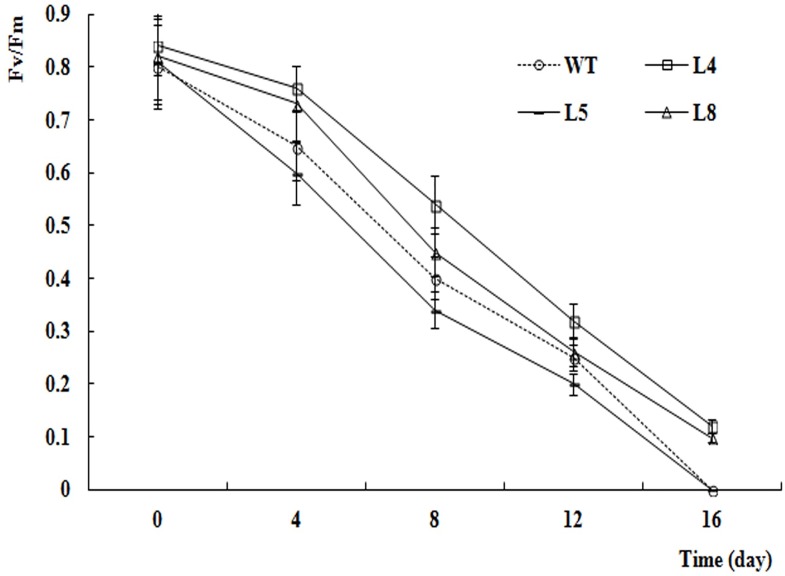
The aim of this study was to determine whether transgenic birch (Betula platyphylla) ectopic overexpressing a late embryogenesis abundant (LEA) gene and a basic leucine zipper (bZIP) gene from the salt-tolerant genus Tamarix (salt cedar) show increased tolerance to salt (NaCl) stress. Co-transfer of TaLEA and ThbZIP in birch under the control of two independent CaMV 35S promoters significantly enhanced salt stress. PCR and northern blot analyses indicated that the two genes were ectopically overexpressed in several dual-gene transgenic birch lines. We compared the effects of salt stress among three transgenic birch lines (L-4, L-5, and L-8) and wild type (WT). In all lines, the net photosynthesis values were higher before salt stress treatment than afterwards. After the salt stress treatment, the transgenic lines L-4 and L-8 showed higher values for photosynthetic traits, chlorophyll fluorescence, peroxidase and superoxide dismutase activities, and lower malondialdehyde and Na+ contents, compared with those in WT and L-5. These different responses to salt stress suggested that the transcriptional level of the TaLEA and ThbZIP genes differed among the transgenic lines, resulting in a variety of genetic and phenotypic effects. The results of this research can provide a theoretical basis for the genetic engineering of salt-tolerant trees.
本研究的目的是确定异位过表达来自耐盐柽柳属(盐杉)的一个晚期胚胎发生丰富(LEA)基因和一个碱性亮氨酸拉链(bZIP)基因的转基因白桦(Betula platyphylla)是否对盐(NaCl)胁迫具有更高的耐受性。在两个独立的CaMV 35S启动子控制下,TaLEA和ThbZIP在白桦中的共转化显著增强了盐胁迫。PCR和Northern印迹分析表明,这两个基因在几个双基因转基因白桦株系中异位过表达。我们比较了三个转基因白桦株系(L-4、L-5和L-8)和野生型(WT)之间盐胁迫的影响。在所有株系中,盐胁迫处理前的净光合值均高于处理后。盐胁迫处理后,与野生型和L-5相比,转基因株系L-4和L-8在光合特性、叶绿素荧光、过氧化物酶和超氧化物歧化酶活性方面表现出更高的值,而丙二醛和Na+含量更低。这些对盐胁迫的不同反应表明,TaLEA和ThbZIP基因的转录水平在转基因株系中存在差异,从而导致了多种遗传和表型效应。本研究结果可为耐盐树木的基因工程提供理论依据。