Novakovic Boris, Habibi Ehsan, Wang Shuang-Yin, Arts Rob J W, Davar Robab, Megchelenbrink Wout, Kim Bowon, Kuznetsova Tatyana, Kox Matthijs, Zwaag Jelle, Matarese Filomena, van Heeringen Simon J, Janssen-Megens Eva M, Sharifi Nilofar, Wang Cheng, Keramati Farid, Schoonenberg Vivien, Flicek Paul, Clarke Laura, Pickkers Peter, Heath Simon, Gut Ivo, Netea Mihai G, Martens Joost H A, Logie Colin, Stunnenberg Hendrik G
Department of Molecular Biology, Faculty of Science, Radboud University, 6525 GA Nijmegen, the Netherlands.
Department of Internal Medicine, Radboud University Medical Center, Radboud Center for Infectious Diseases (RCI), 6525 GA Nijmegen, the Netherlands.
Cell. 2016 Nov 17;167(5):1354-1368.e14. doi: 10.1016/j.cell.2016.09.034.
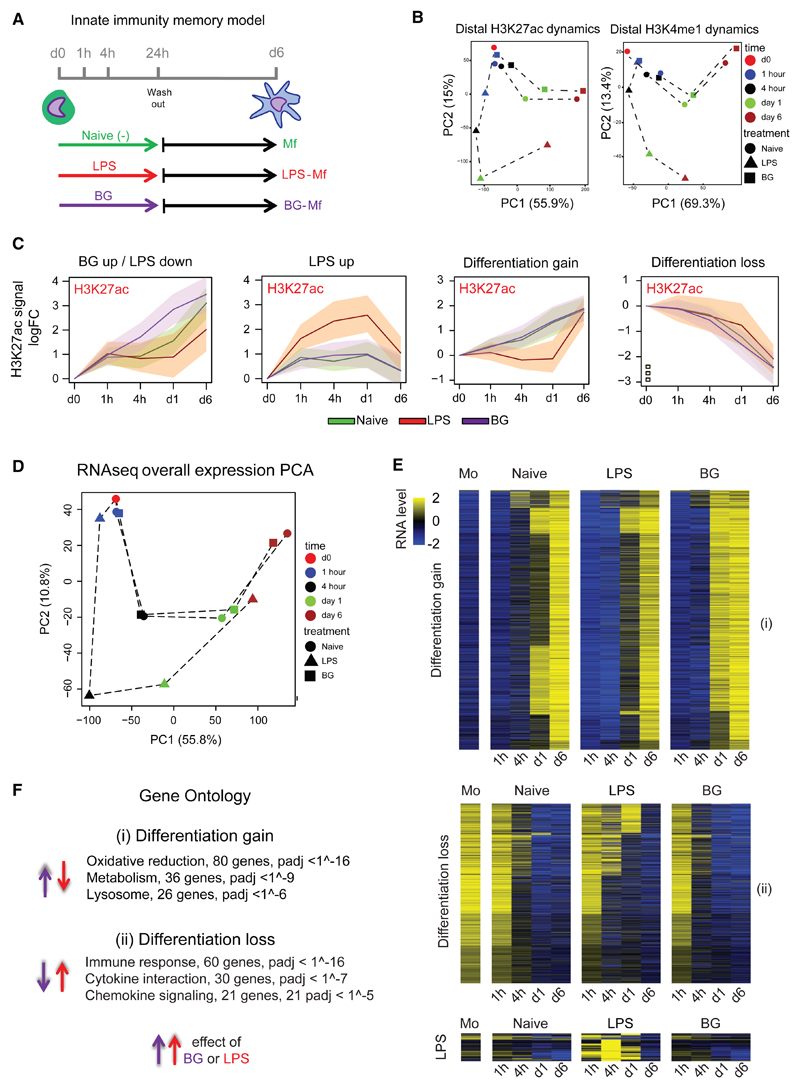
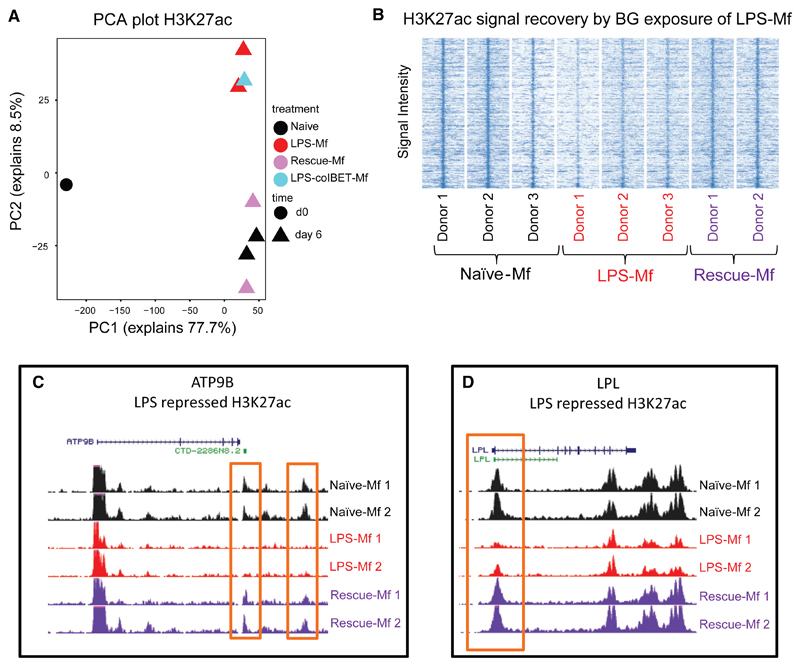
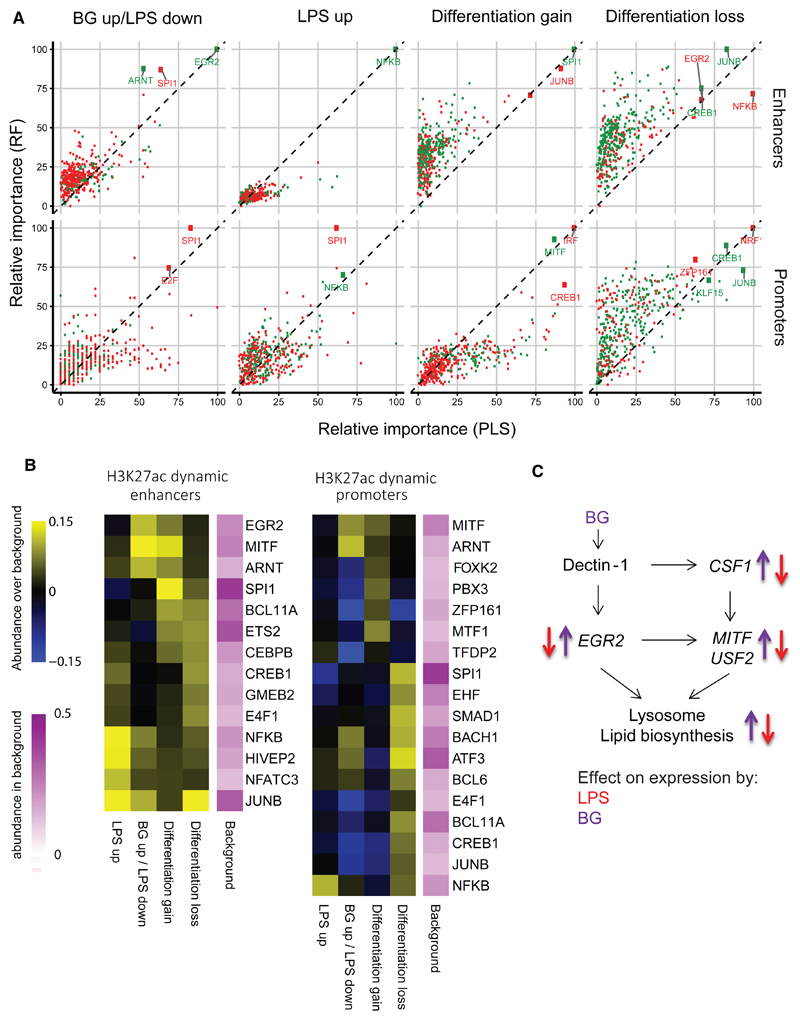
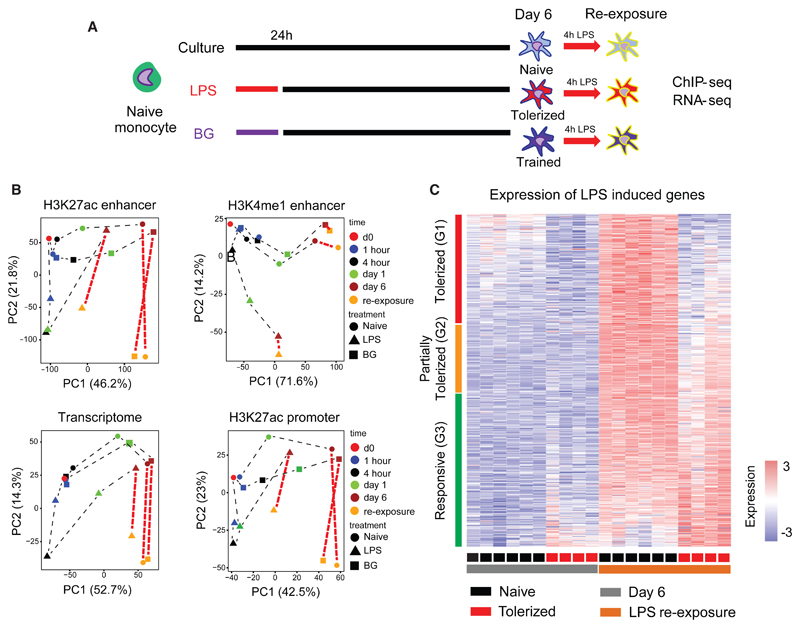
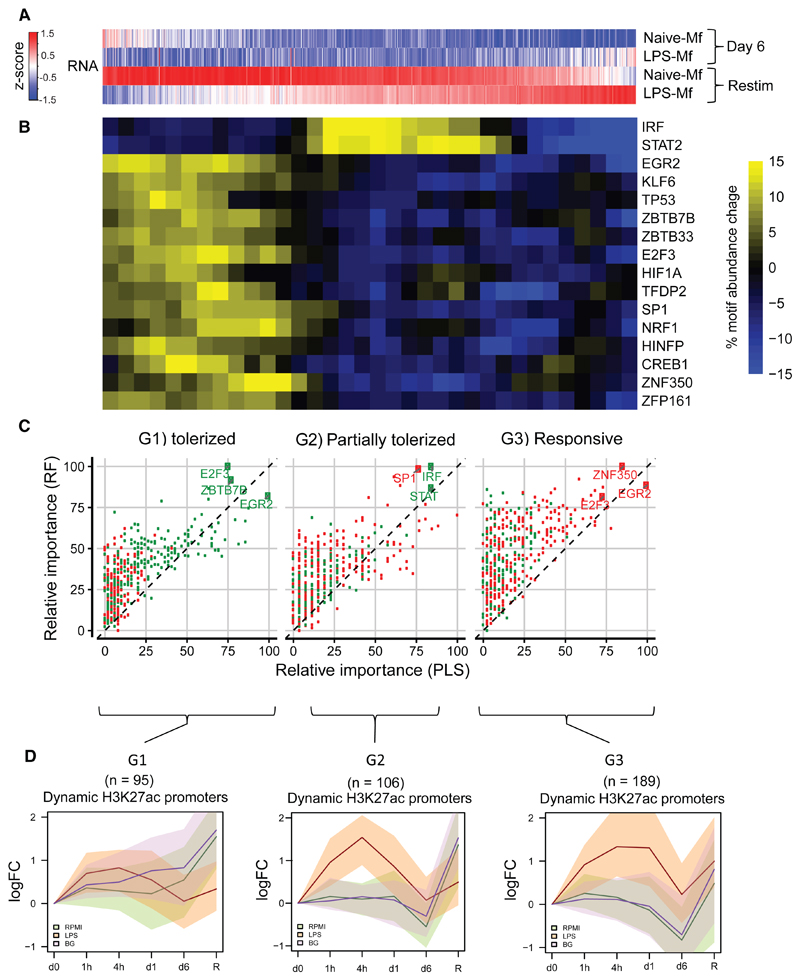
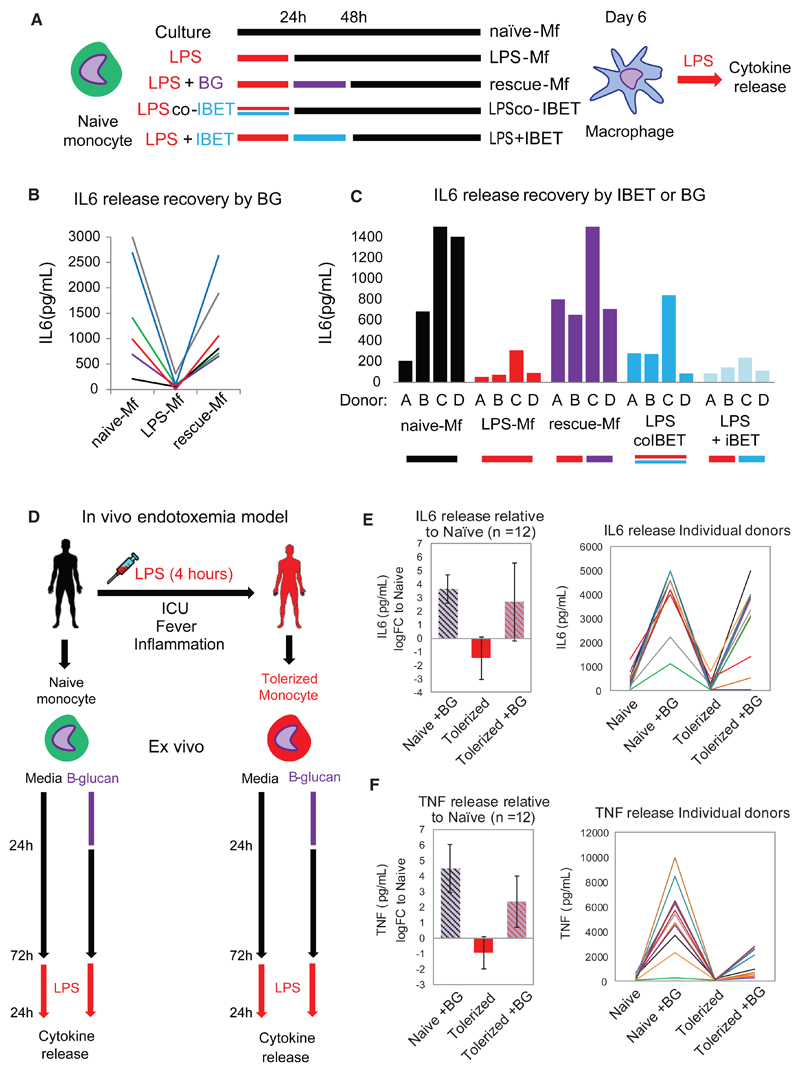
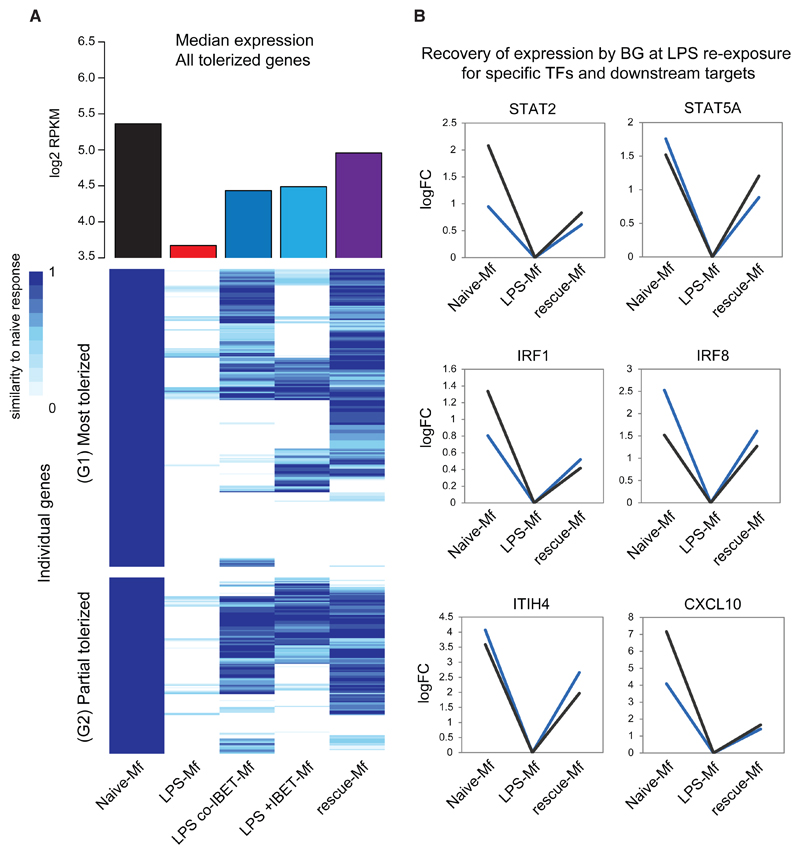
Innate immune memory is the phenomenon whereby innate immune cells such as monocytes or macrophages undergo functional reprogramming after exposure to microbial components such as lipopolysaccharide (LPS). We apply an integrated epigenomic approach to characterize the molecular events involved in LPS-induced tolerance in a time-dependent manner. Mechanistically, LPS-treated monocytes fail to accumulate active histone marks at promoter and enhancers of genes in the lipid metabolism and phagocytic pathways. Transcriptional inactivity in response to a second LPS exposure in tolerized macrophages is accompanied by failure to deposit active histone marks at promoters of tolerized genes. In contrast, β-glucan partially reverses the LPS-induced tolerance in vitro. Importantly, ex vivo β-glucan treatment of monocytes from volunteers with experimental endotoxemia re-instates their capacity for cytokine production. Tolerance is reversed at the level of distal element histone modification and transcriptional reactivation of otherwise unresponsive genes. VIDEO ABSTRACT.
固有免疫记忆是指诸如单核细胞或巨噬细胞等固有免疫细胞在接触诸如脂多糖(LPS)等微生物成分后发生功能重编程的现象。我们应用综合表观基因组学方法,以时间依赖性方式表征LPS诱导的耐受性中涉及的分子事件。从机制上讲,经LPS处理的单核细胞无法在脂质代谢和吞噬途径中基因的启动子和增强子处积累活性组蛋白标记。在耐受的巨噬细胞中,对第二次LPS暴露的转录无活性伴随着无法在耐受基因的启动子处沉积活性组蛋白标记。相比之下,β-葡聚糖在体外可部分逆转LPS诱导的耐受性。重要的是,对患有实验性内毒素血症的志愿者的单核细胞进行体外β-葡聚糖处理可恢复其产生细胞因子的能力。耐受性在远端元件组蛋白修饰和原本无反应基因的转录重新激活水平上得到逆转。视频摘要。