Liu Qingsong, Wang Xingyun, Tzin Vered, Romeis Jörg, Peng Yufa, Li Yunhe
State Key Laboratory for Biology of Plant Diseases and Insect Pests, Institute of Plant Protection, Chinese Academy of Agricultural Sciences, Beijing, China.
The French Associates Institute for Agriculture and Biotechnology of Drylands, The Jacob Blaustein Institute for Desert Research, Ben-Gurion University of the Negev, Sede Boqer, Israel.
BMC Plant Biol. 2016 Dec 7;16(1):259. doi: 10.1186/s12870-016-0946-6.
Rice (Oryza sativa L.), which is a staple food for more than half of the world's population, is frequently attacked by herbivorous insects, including the rice stem borer, Chilo suppressalis. C. suppressalis substantially reduces rice yields in temperate regions of Asia, but little is known about how rice plants defend themselves against this herbivore at molecular and biochemical level.
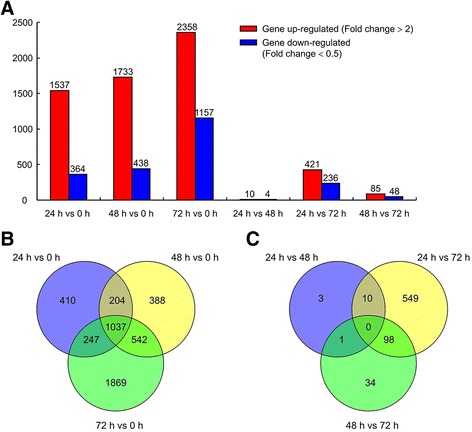
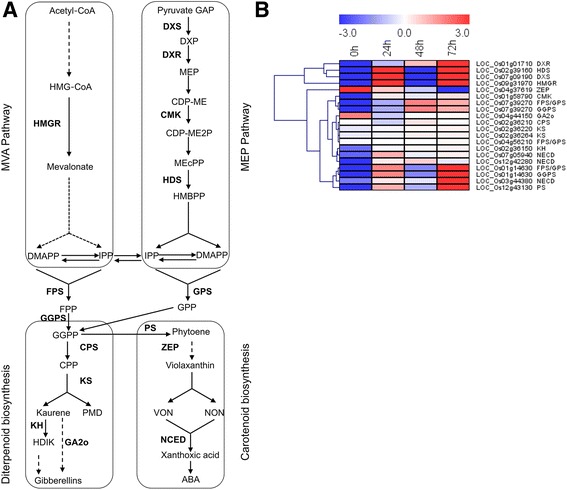
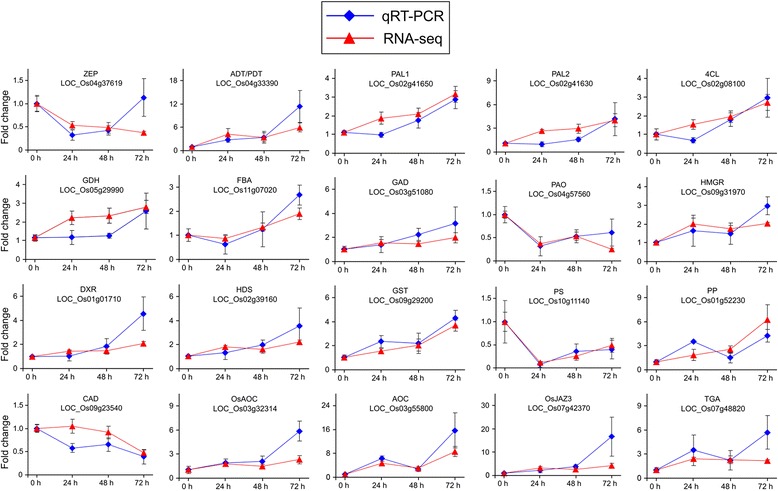
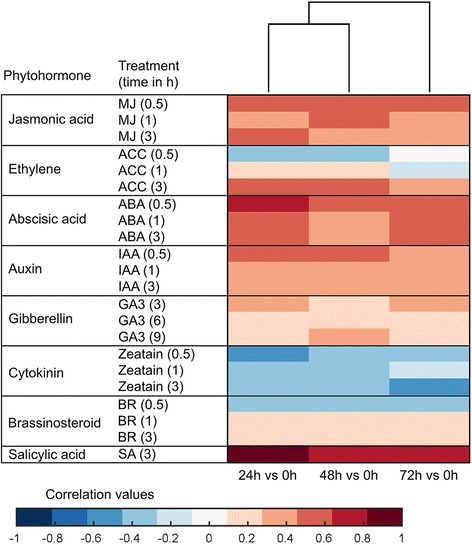
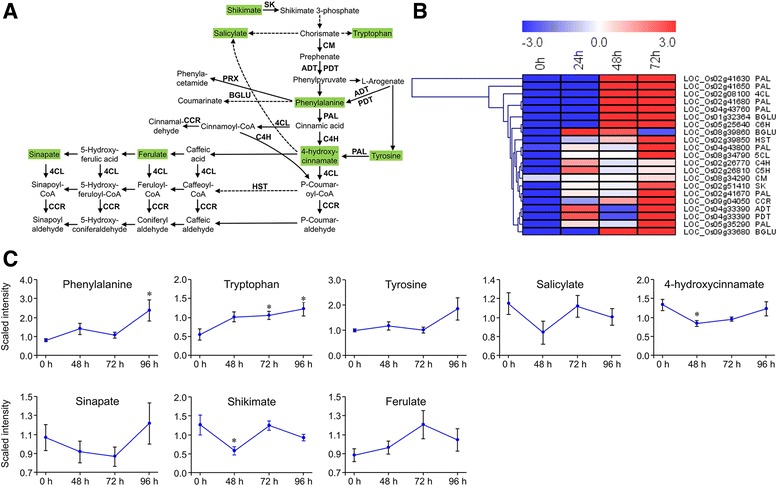
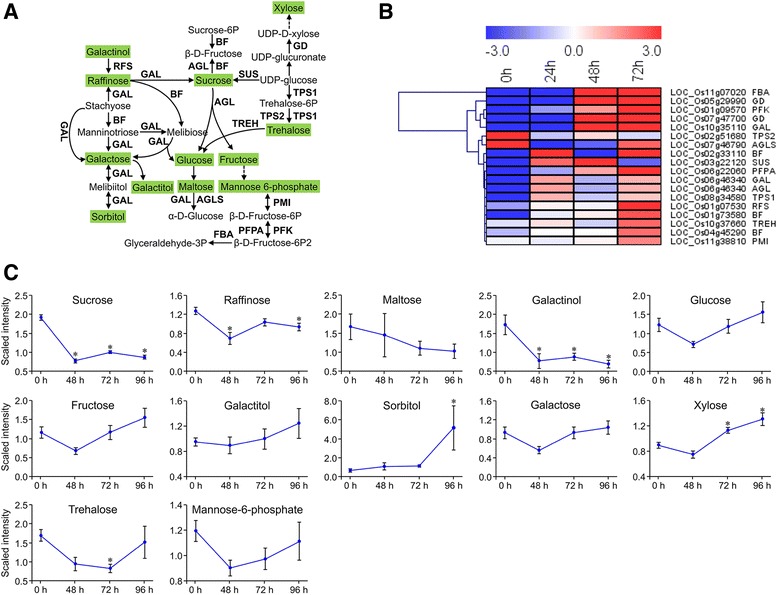
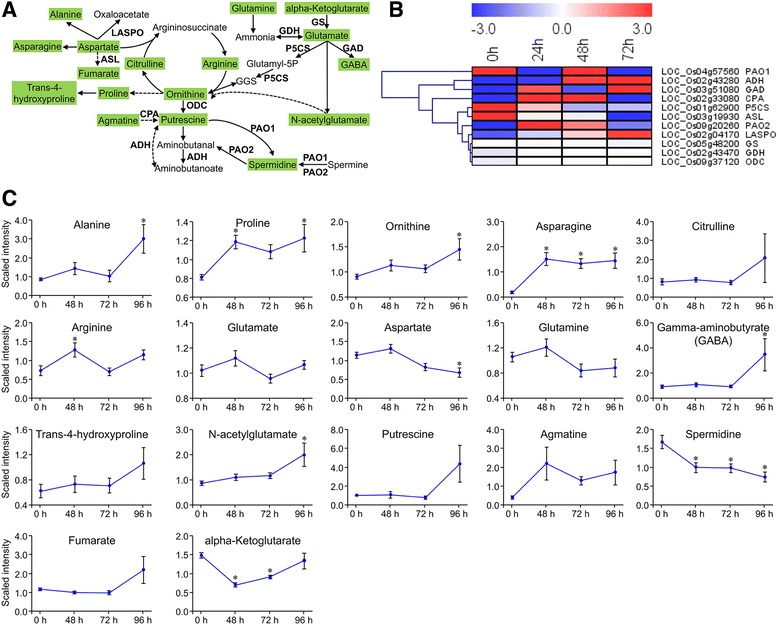
In the current study, we combined next-generation RNA sequencing and metabolomics techniques to investigate the changes in gene expression and in metabolic processes in rice plants that had been continuously fed by C. suppressalis larvae for different durations (0, 24, 48, 72, and 96 h). Furthermore, the data were validated using quantitative real-time PCR. There were 4,729 genes and 151 metabolites differently regulated when rice plants were damaged by C. suppressalis larvae. Further analyses showed that defense-related phytohormones, transcript factors, shikimate-mediated and terpenoid-related secondary metabolism were activated, whereas the growth-related counterparts were suppressed by C. suppressalis feeding. The activated defense was fueled by catabolism of energy storage compounds such as monosaccharides, which meanwhile resulted in the increased levels of metabolites that were involved in rice plant defense response. Comparable analyses showed a correspondence between transcript patterns and metabolite profiles.
The current findings greatly enhance our understanding of the mechanisms of induced defense response in rice plants against C. suppressalis infestation at molecular and biochemical levels, and will provide clues for development of insect-resistant rice varieties.
水稻(Oryza sativa L.)是世界上一半以上人口的主食,经常受到包括二化螟(Chilo suppressalis)在内的食草昆虫的侵害。在亚洲温带地区,二化螟会大幅降低水稻产量,但关于水稻植株如何在分子和生化水平上抵御这种食草动物,人们了解甚少。
在本研究中,我们结合了新一代RNA测序和代谢组学技术,以研究连续不同时长(0、24、48、72和96小时)被二化螟幼虫取食的水稻植株的基因表达和代谢过程变化。此外,数据通过定量实时PCR进行了验证。当水稻植株被二化螟幼虫损害时,有4729个基因和151种代谢物受到不同程度的调控。进一步分析表明,与防御相关的植物激素、转录因子、莽草酸介导的和萜类相关的次生代谢被激活,而与生长相关的对应物则因二化螟取食而受到抑制。激活的防御由能量储存化合物(如单糖)的分解代谢提供动力,这同时导致参与水稻植株防御反应的代谢物水平升高。可比分析表明转录模式与代谢物谱之间存在对应关系。
目前的研究结果极大地增强了我们对水稻植株抵御二化螟侵害的诱导防御反应机制在分子和生化水平上的理解,并将为抗虫水稻品种的开发提供线索。