Seo Jiyoun, Jin Daeyong, Choi Chan-Hun, Lee Hyunju
School of Electrical Engineering and Computer Science, Gwangju Institute of Science and Technology, Gwanjgu, Republic of Korea.
College of Korean Medicine, Dongshin University, Naju-si, Jeollanam-do, Republic of Korea.
PLoS One. 2017 Jan 5;12(1):e0168412. doi: 10.1371/journal.pone.0168412. eCollection 2017.
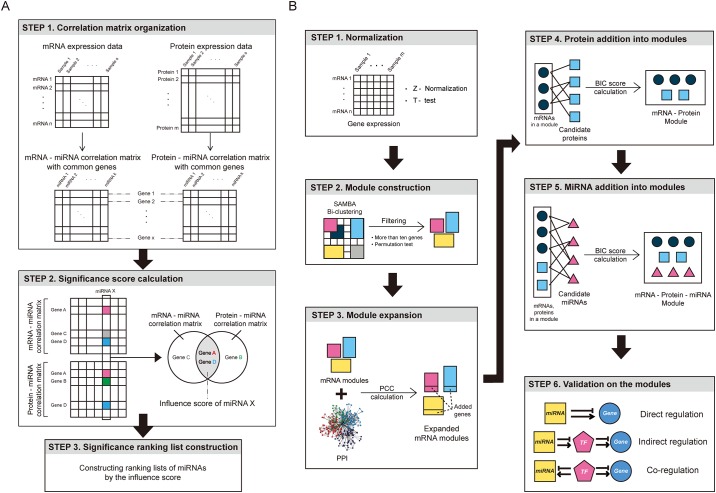
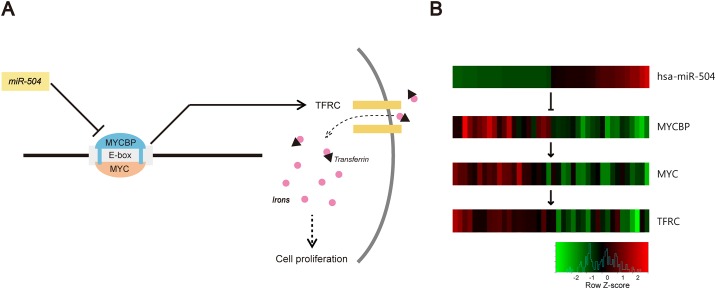
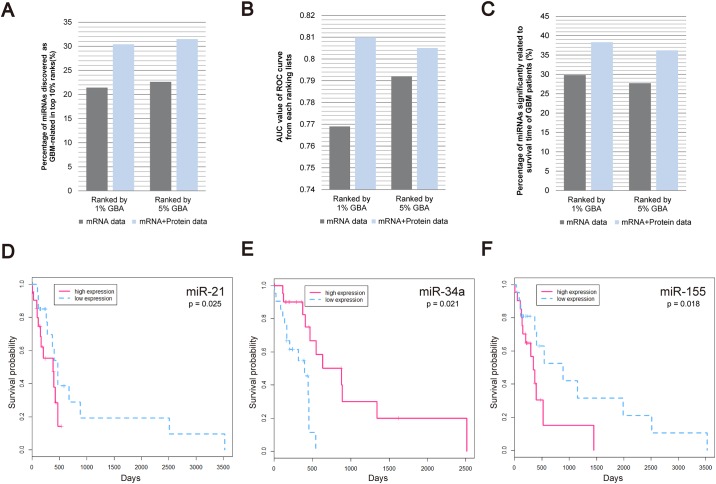
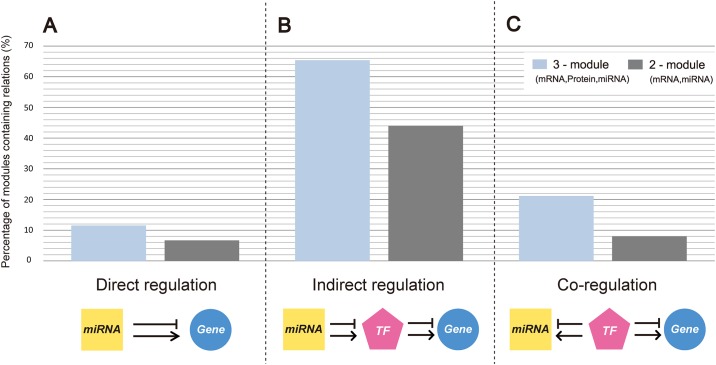
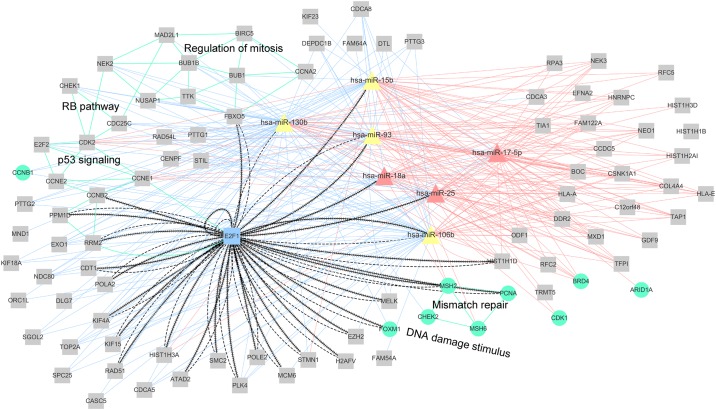
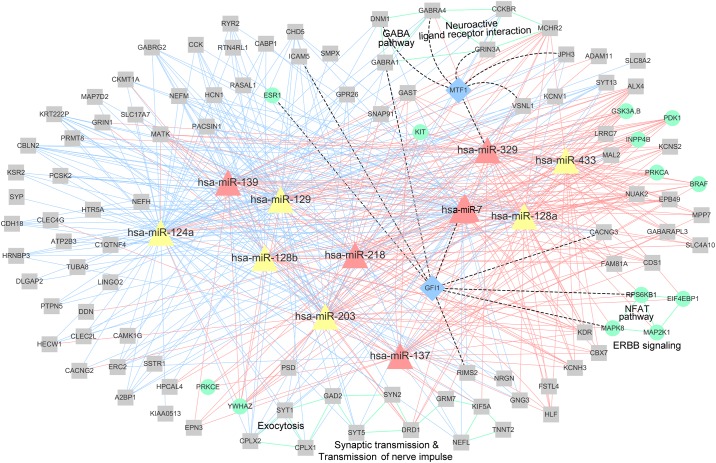
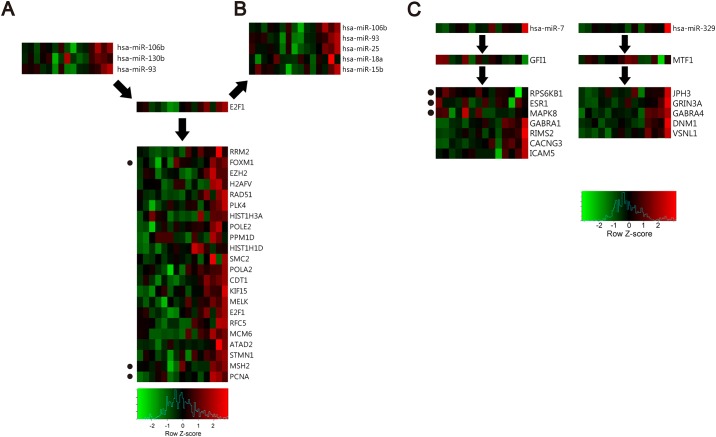
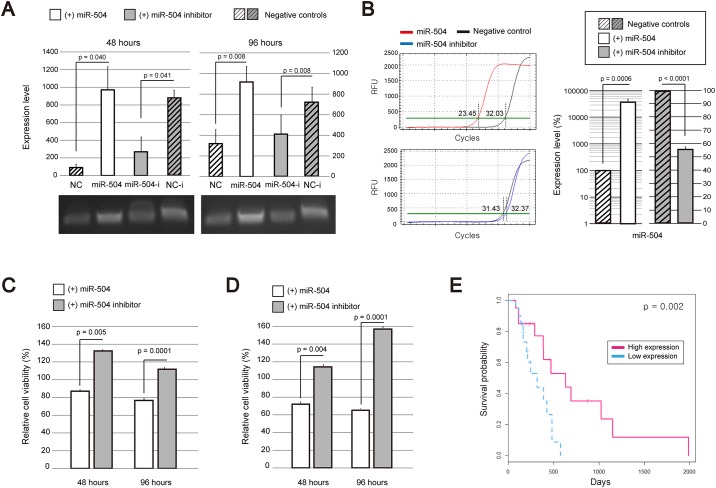
MicroRNAs (miRNAs) are responsible for the regulation of target genes involved in various biological processes, and may play oncogenic or tumor suppressive roles. Many studies have investigated the relationships between miRNAs and their target genes, using mRNA and miRNA expression data. However, mRNA expression levels do not necessarily represent the exact gene expression profiles, since protein translation may be regulated in several different ways. Despite this, large-scale protein expression data have been integrated rarely when predicting gene-miRNA relationships. This study explores two approaches for the investigation of gene-miRNA relationships by integrating mRNA expression and protein expression data. First, miRNAs were ranked according to their effects on cancer development. We calculated influence scores for each miRNA, based on the number of significant mRNA-miRNA and protein-miRNA correlations. Furthermore, we constructed modules containing mRNAs, proteins, and miRNAs, in which these three molecular types are highly correlated. The regulatory interactions between miRNA and genes in these modules have been validated based on the direct regulations, indirect regulations, and co-regulations through transcription factors. We applied our approaches to glioblastomas (GBMs), ranked miRNAs depending on their effects on GBM, and obtained 52 GBM-related modules. Compared with the miRNA rankings and modules constructed using only mRNA expression data, the rankings and modules constructed using mRNA and protein expression data were shown to have better performance. Additionally, we experimentally verified that miR-504, highly ranked and included in the identified modules, plays a suppressive role in GBM development. We demonstrated that the integration of both expression profiles allows a more precise analysis of gene-miRNA interactions and the identification of a higher number of cancer-related miRNAs and regulatory mechanisms.
微小RNA(miRNA)负责调控参与各种生物学过程的靶基因,并可能发挥致癌或抑癌作用。许多研究利用mRNA和miRNA表达数据研究了miRNA与其靶基因之间的关系。然而,mRNA表达水平不一定代表确切的基因表达谱,因为蛋白质翻译可能以几种不同方式受到调控。尽管如此,在预测基因-miRNA关系时,大规模蛋白质表达数据很少被整合。本研究通过整合mRNA表达和蛋白质表达数据探索了两种研究基因-miRNA关系的方法。首先,根据miRNA对癌症发展的影响进行排名。我们基于显著的mRNA-miRNA和蛋白质-miRNA相关性数量计算每个miRNA的影响得分。此外,我们构建了包含mRNA、蛋白质和miRNA的模块,其中这三种分子类型高度相关。基于通过转录因子的直接调控、间接调控和共调控,验证了这些模块中miRNA与基因之间的调控相互作用。我们将我们的方法应用于胶质母细胞瘤(GBM),根据miRNA对GBM的影响进行排名,并获得了52个与GBM相关的模块。与仅使用mRNA表达数据构建的miRNA排名和模块相比,使用mRNA和蛋白质表达数据构建的排名和模块表现出更好的性能。此外,我们通过实验验证了排名靠前并包含在已识别模块中的miR-504在GBM发展中起抑制作用。我们证明,两种表达谱的整合允许对基因-miRNA相互作用进行更精确的分析,并识别更多与癌症相关的miRNA和调控机制。