Holmström Kira M, Kostov Rumen V, Dinkova-Kostova Albena T
BioMediTech and Tampere University Hospital, University of Tampere, Tampere, Finland; Institute of Biotechnology, University of Helsinki, Helsinki, Finland.
Division of Cancer Research, School of Medicine, University of Dundee, Dundee, Scotland, UK.
Curr Opin Toxicol. 2016 Dec;1:80-91. doi: 10.1016/j.cotox.2016.10.002.
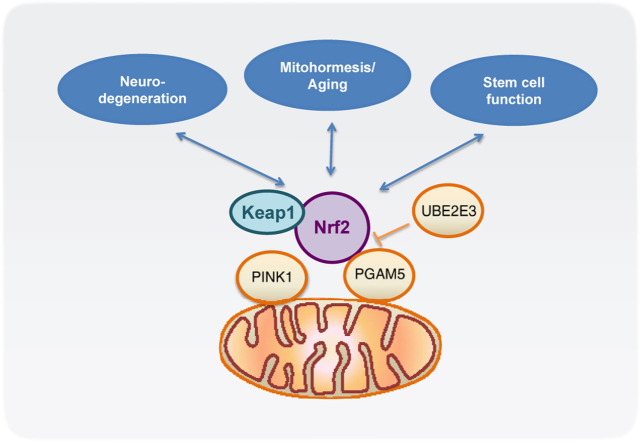
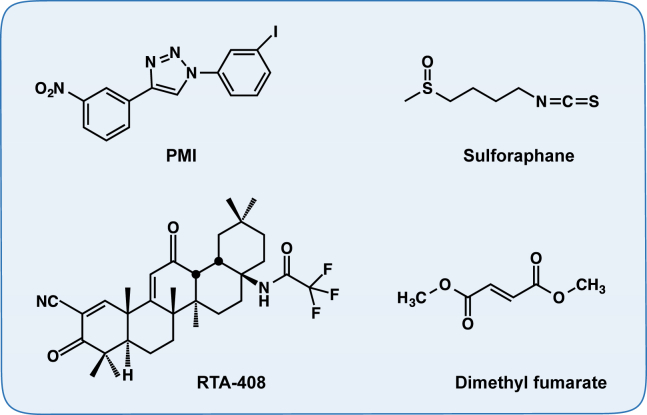
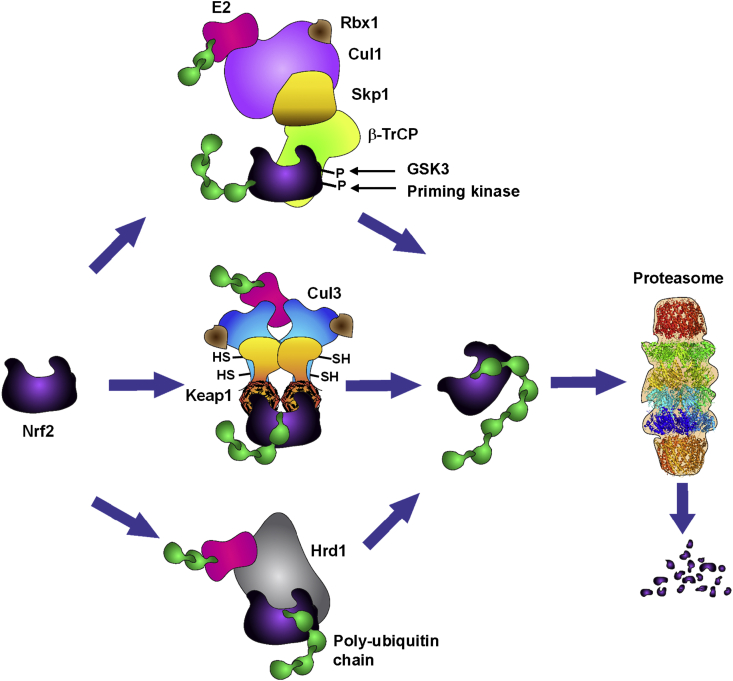
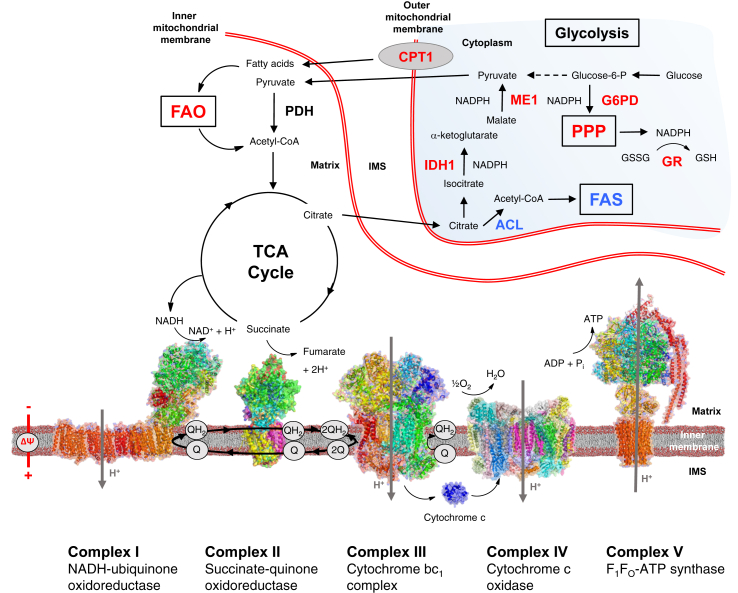
The transcription factor nuclear factor erythroid 2 p45-related factor 2 (Nrf2) is the master regulator of the cellular redox homeostasis. Nrf2 target genes comprise of a large network of antioxidant enzymes, proteins involved in xenobiotic detoxification, repair and removal of damaged proteins, inhibition of inflammation, as well as other transcription factors. In recent years it has emerged that as part of its role as a regulator of cytoprotective gene expression, Nrf2 impacts mitochondrial function. Increased Nrf2 activity defends against mitochondrial toxins. Reduced glutathione, the principal small molecule antioxidant in the mammalian cell and a product of several of the downstream target genes of Nrf2, counterbalances mitochondrial ROS production. The function of Nrf2 is suppressed in mitochondria-related disorders, such as Parkinson's disease and Friedrich's ataxia. Studies using isolated mitochondria and cultured cells have demonstrated that Nrf2 deficiency leads to impaired mitochondrial fatty acid oxidation, respiration and ATP production. Small molecule activators of Nrf2 support mitochondrial integrity by promoting mitophagy and conferring resistance to oxidative stress-mediated permeability transition. Excitingly, recent studies have shown that Nrf2 also affects mitochondrial function in stem cells with implications for stem cell self-renewal, cardiomyocyte regeneration, and neural stem/progenitor cell survival.
转录因子核因子红系2 p45相关因子2(Nrf2)是细胞氧化还原稳态的主要调节因子。Nrf2靶基因包括一个由抗氧化酶、参与外源性物质解毒的蛋白质、受损蛋白质的修复和清除、炎症抑制以及其他转录因子组成的大型网络。近年来发现,作为细胞保护基因表达调节因子作用的一部分,Nrf2会影响线粒体功能。Nrf2活性增加可抵御线粒体毒素。还原型谷胱甘肽是哺乳动物细胞中的主要小分子抗氧化剂,也是Nrf2几个下游靶基因的产物,可抵消线粒体ROS的产生。在帕金森病和弗里德希共济失调等线粒体相关疾病中,Nrf2的功能受到抑制。使用分离的线粒体和培养细胞进行的研究表明,Nrf2缺乏会导致线粒体脂肪酸氧化、呼吸和ATP生成受损。Nrf2的小分子激活剂通过促进线粒体自噬和赋予对氧化应激介导的通透性转换的抗性来支持线粒体完整性。令人兴奋的是,最近的研究表明,Nrf2还会影响干细胞中的线粒体功能,这对干细胞自我更新、心肌细胞再生和神经干/祖细胞存活具有重要意义。