Sakamoto Naoya, Feng Ying, Stolfi Carmine, Kurosu Yuki, Green Maranne, Lin Jeffry, Green Megan E, Sentani Kazuhiro, Yasui Wataru, McMahon Martin, Hardiman Karin M, Spence Jason R, Horita Nobukatsu, Greenson Joel K, Kuick Rork, Cho Kathleen R, Fearon Eric R
Department of Internal Medicine, University of Michigan, Ann Arbor, United States.
Department of Molecular Pathology, Institute of Biomedical and Health Sciences, Hiroshima University, Hiroshima, Japan.
Elife. 2017 Jan 10;6:e20331. doi: 10.7554/eLife.20331.
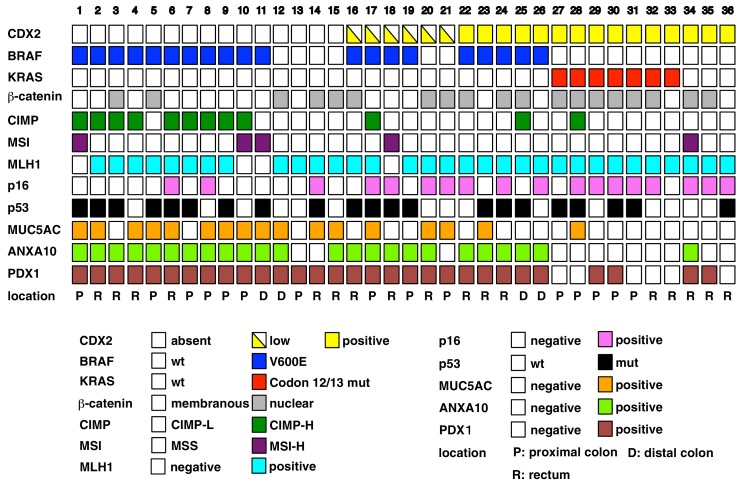
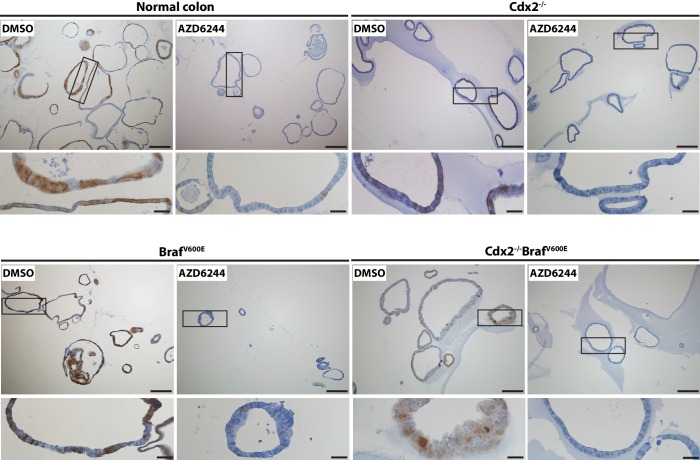
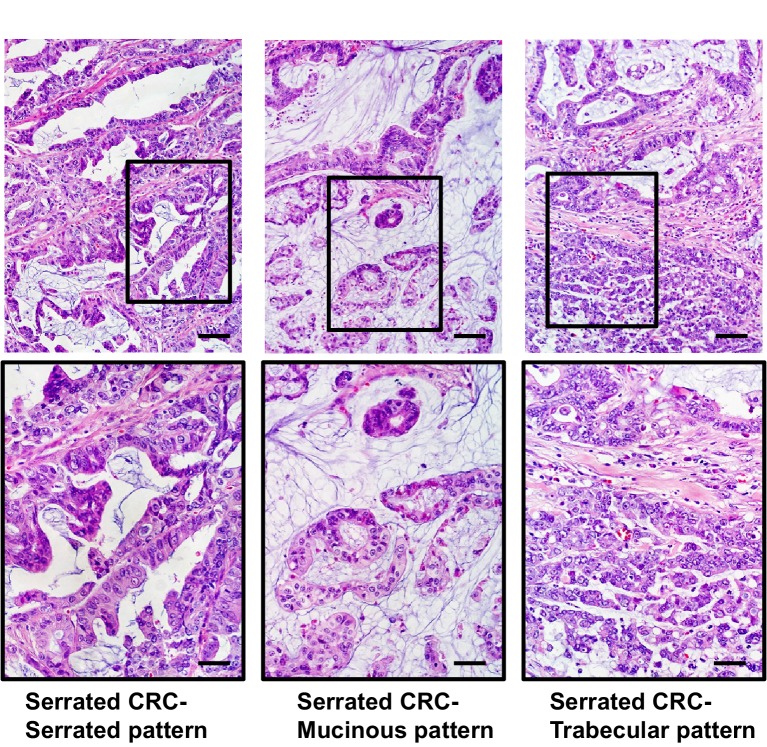
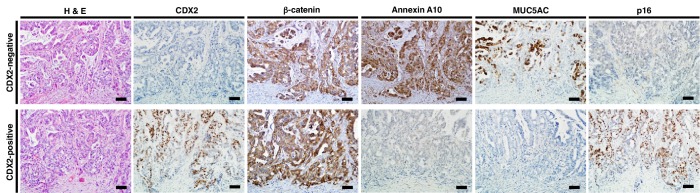
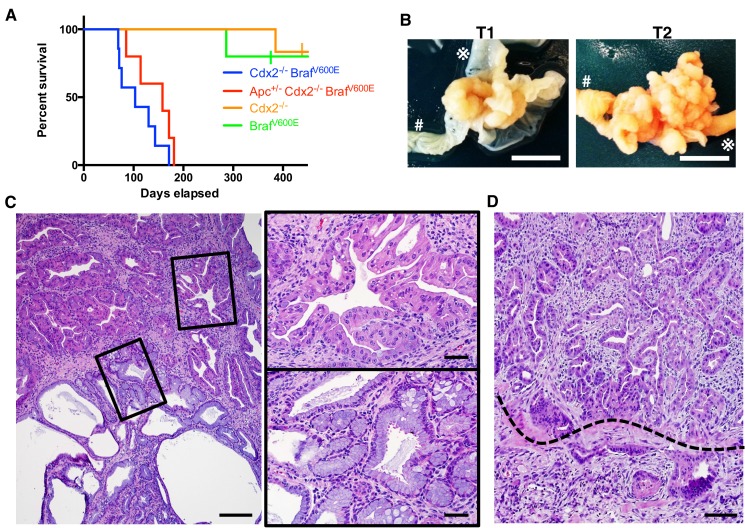
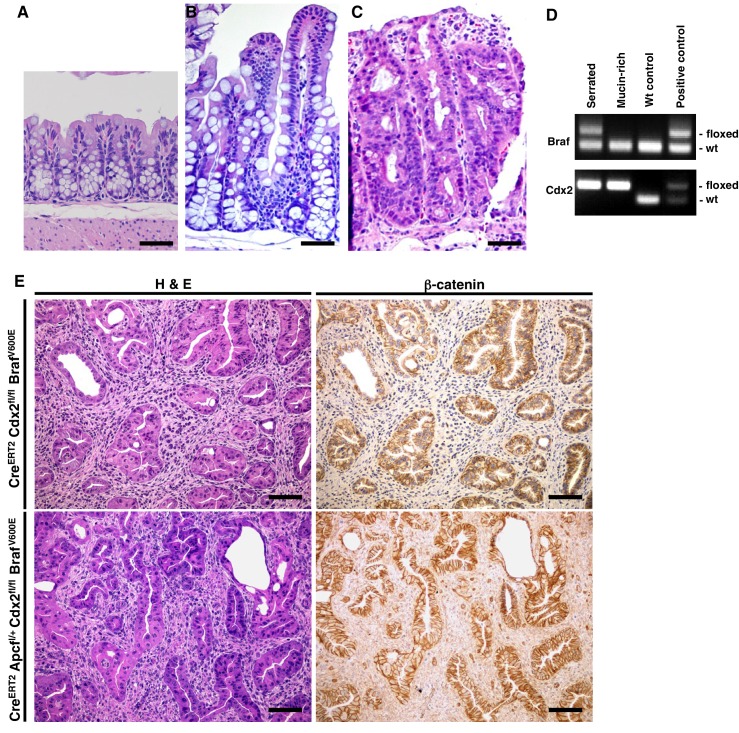
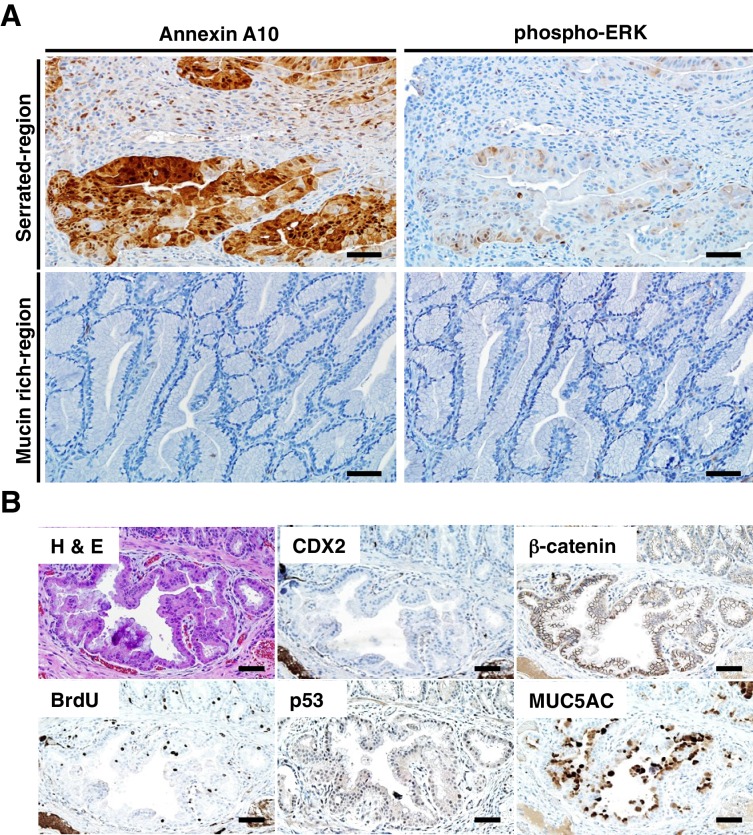
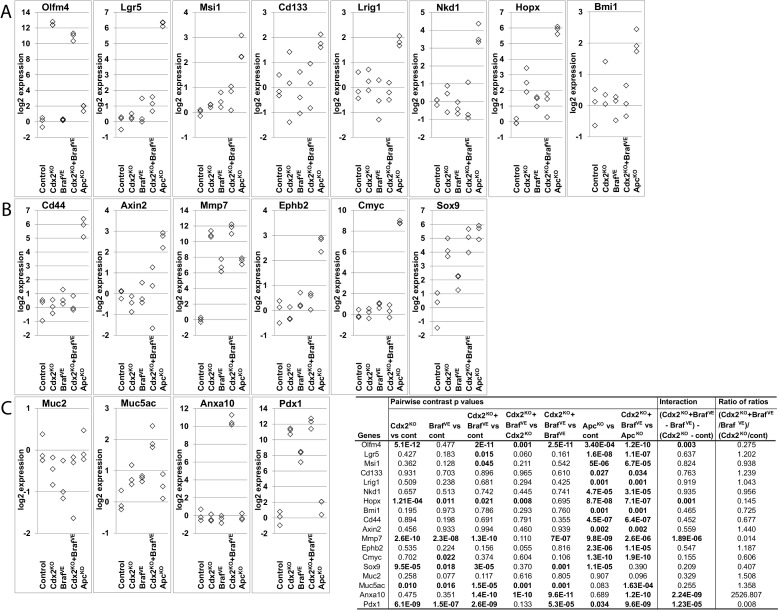
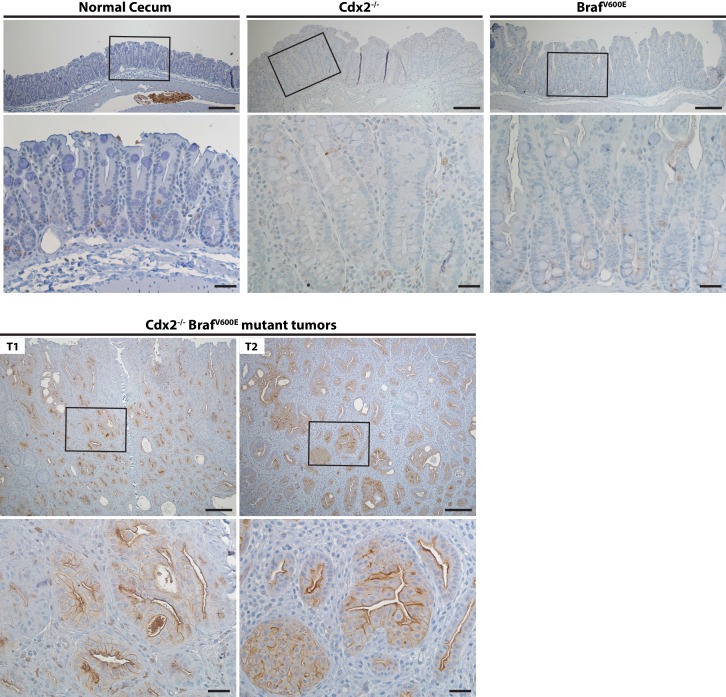
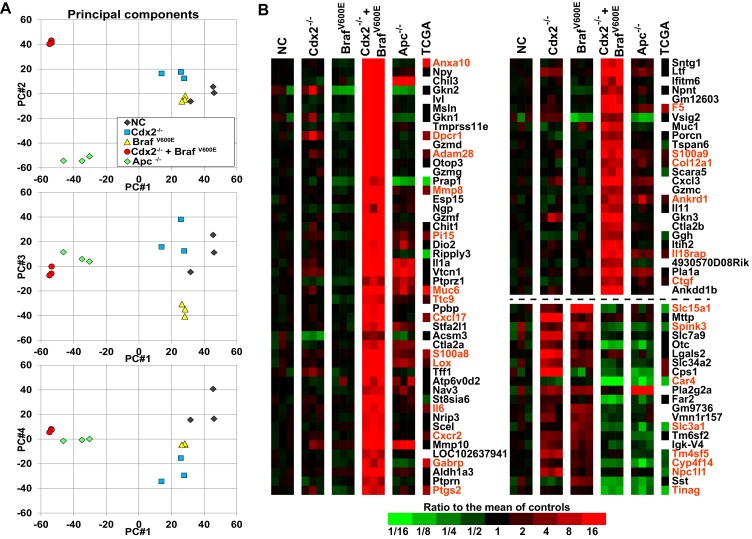
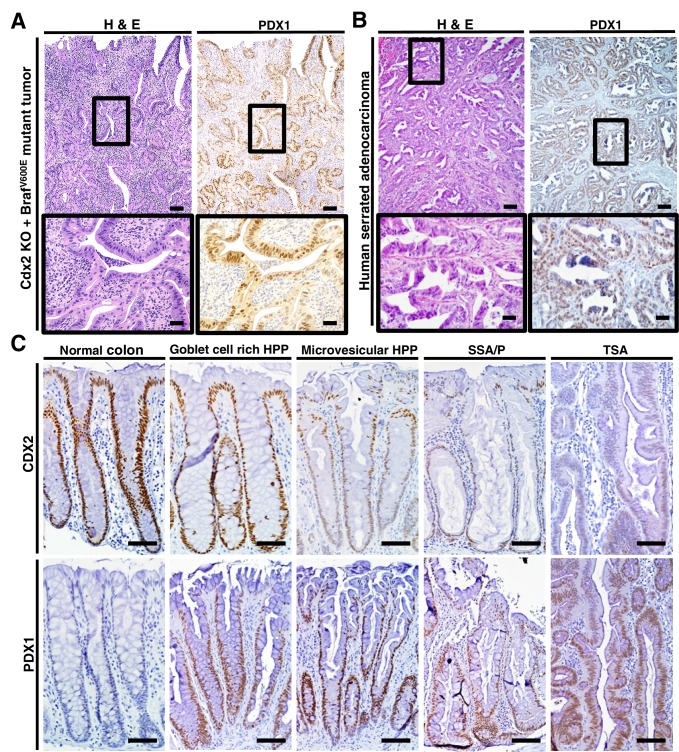
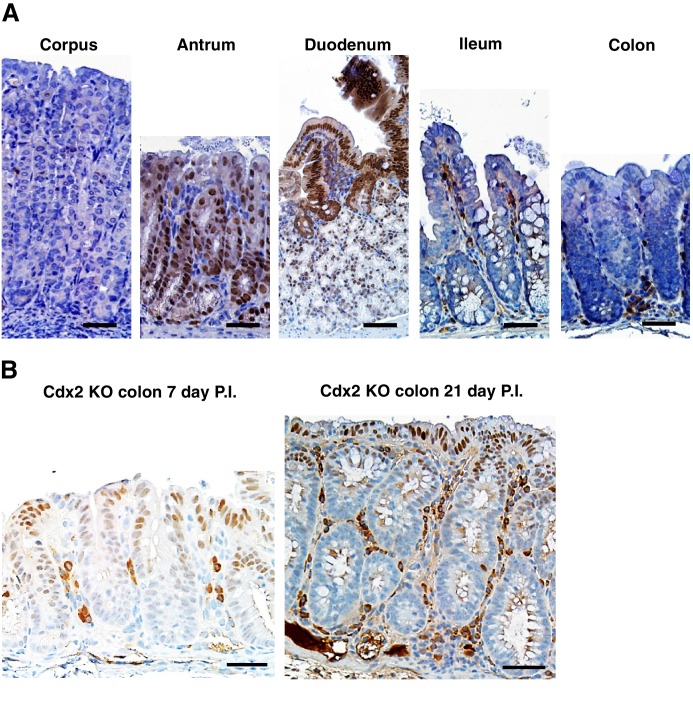
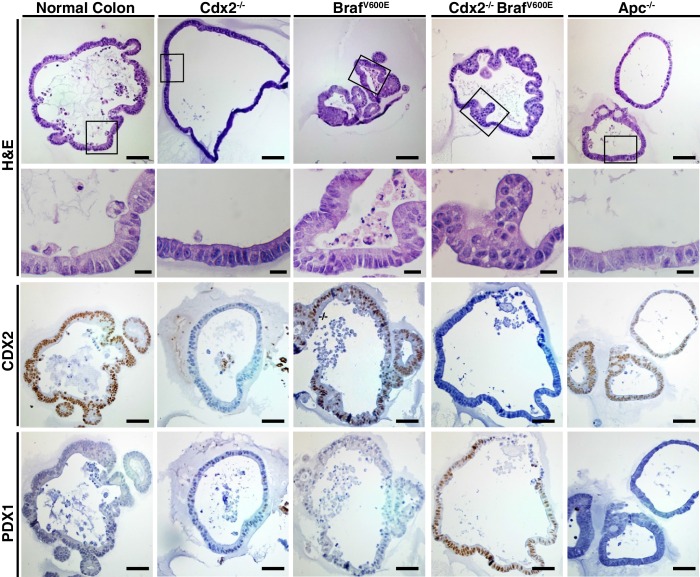
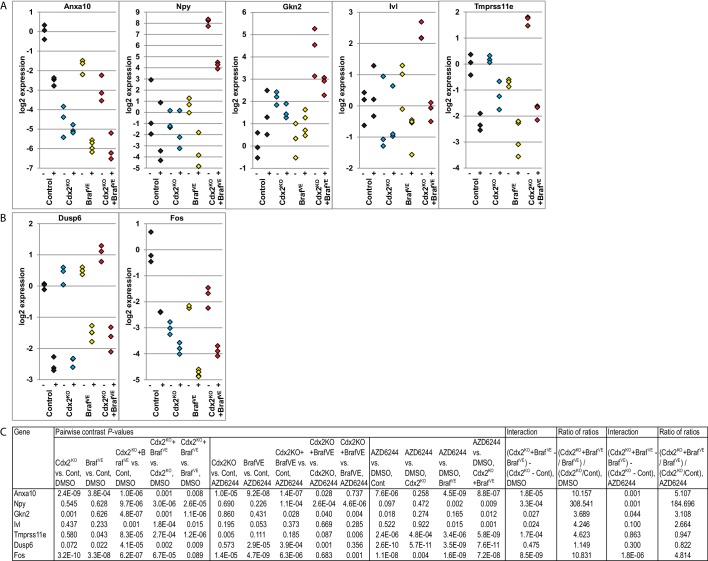
While 20-30% of colorectal cancers (CRCs) may arise from precursors with serrated glands, only 8-10% of CRCs manifest serrated morphology at diagnosis. Markers for distinguishing CRCs arising from 'serrated' versus 'conventional adenoma' precursors are lacking. We studied 36 human serrated CRCs and found CDX2 loss or mutations in ~60% of cases and often together (p0.04). CDX2/BRAF expression in adult mouse intestinal epithelium led to serrated morphology tumors (including carcinomas) and BRAF potently interacted with CDX2 silencing to alter gene expression. Like human serrated lesions, CDX2/BRAF-mutant epithelium expressed gastric markers. Organoids from CDX2/BRAF-mutant colon epithelium showed serrated features, and partially recapitulated the gene expression pattern in mouse colon tissues. We present a novel mouse tumor model based on signature defects seen in many human serrated CRCs - CDX2 loss and BRAF. The mouse intestinal tumors show significant phenotypic similarities to human serrated CRCs and inform about serrated CRC pathogenesis.
虽然20%-30%的结直肠癌(CRC)可能起源于具有锯齿状腺的前驱病变,但只有8%-10%的CRC在诊断时表现出锯齿状形态。目前缺乏区分起源于“锯齿状”与“传统腺瘤”前驱病变的CRC的标志物。我们研究了36例人类锯齿状CRC,发现约60%的病例存在CDX2缺失或突变,且常常同时出现(p<0.04)。成年小鼠肠道上皮中的CDX2/BRAF表达导致出现锯齿状形态的肿瘤(包括癌),并且BRAF与CDX2沉默强烈相互作用以改变基因表达。与人类锯齿状病变一样,CDX2/BRAF突变的上皮表达胃标志物。来自CDX2/BRAF突变结肠上皮的类器官呈现出锯齿状特征,并部分重现了小鼠结肠组织中的基因表达模式。我们基于在许多人类锯齿状CRC中发现的特征性缺陷——CDX2缺失和BRAF,提出了一种新型小鼠肿瘤模型。该小鼠肠道肿瘤与人类锯齿状CRC表现出显著的表型相似性,并为锯齿状CRC的发病机制提供了信息。