Martorell Reynaldo
Robert W. Woodruff Professor of International Nutrition, Hubert Department of Global Health, Rollins School of Public Health, Emory University, Atlanta, Georgia.
Am J Hum Biol. 2017 Mar;29(2). doi: 10.1002/ajhb.22952. Epub 2017 Jan 24.
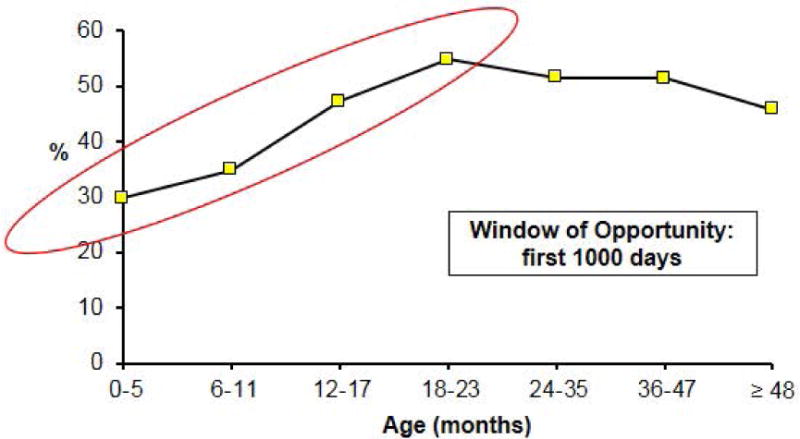
The aim of this article is to review why the first 1000 days of life are a vulnerable period of human development and the long-term effects of a nutrition experiment carried out in Guatemala (1969-1977).
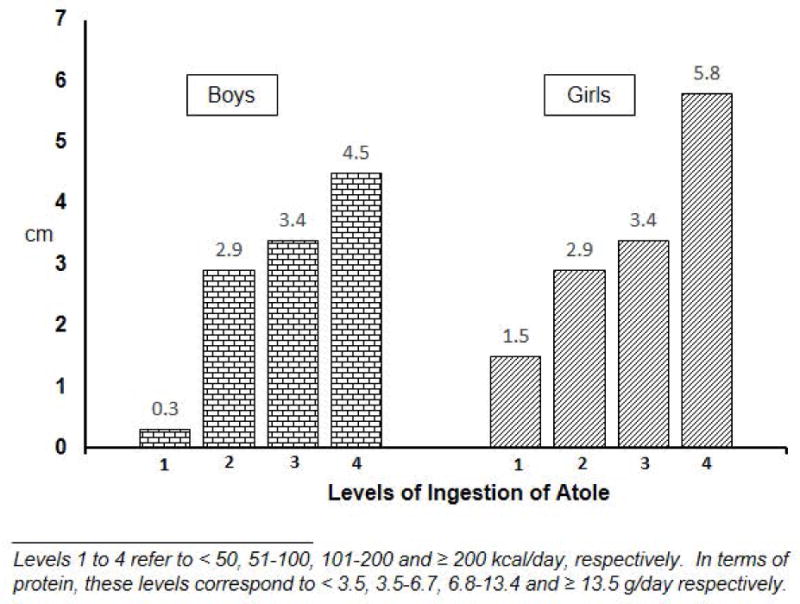
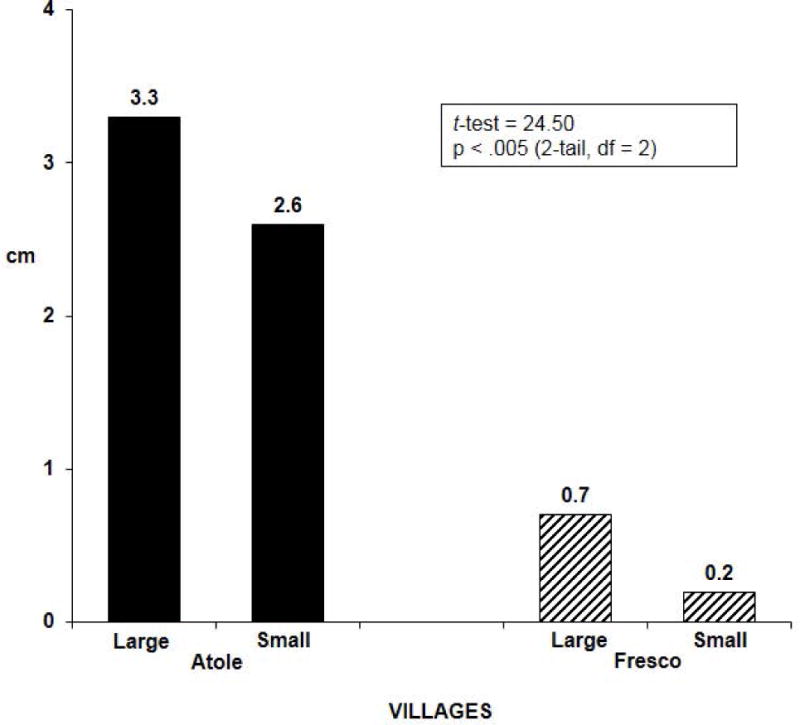
In 1969-77, a supplement called Atole, containing high quality protein, energy and micronutrients, was provided to women during pregnancy and lactation and to children <7 years of age in two villages while in two control villages a low-energy drink called Fresco was provided. The villages were assigned at random to the treatment groups.
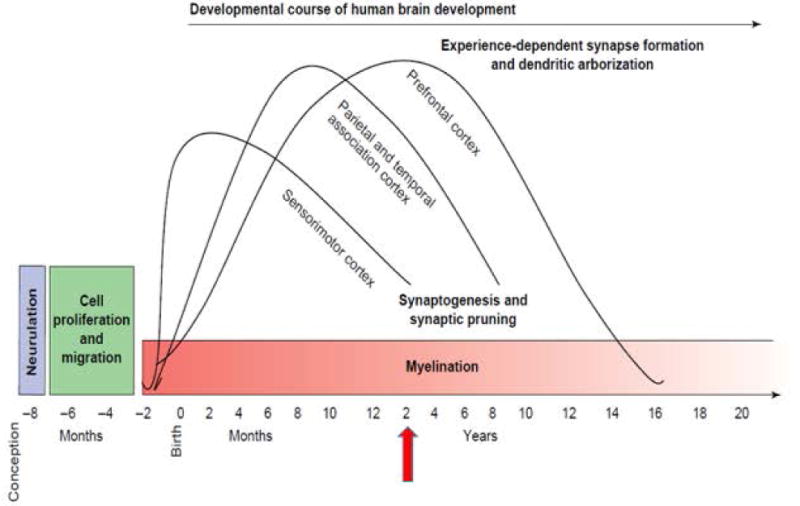
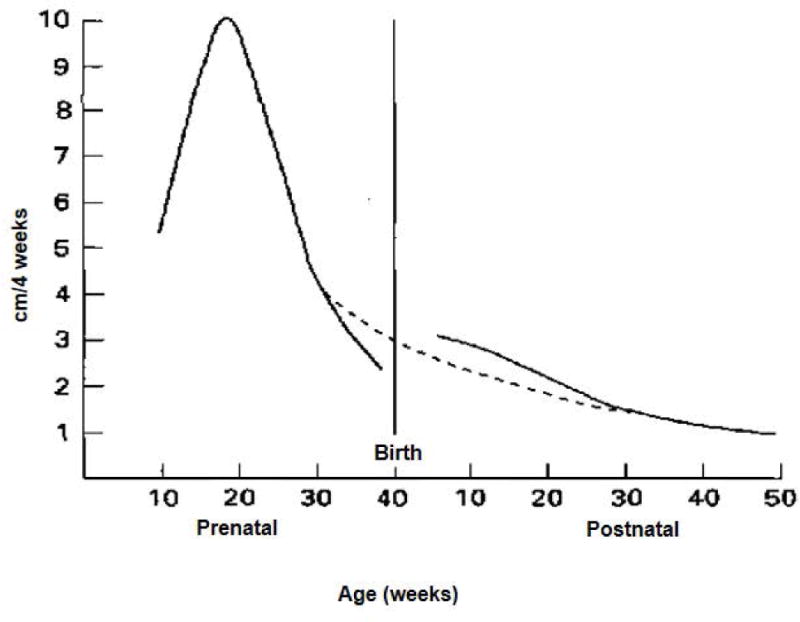
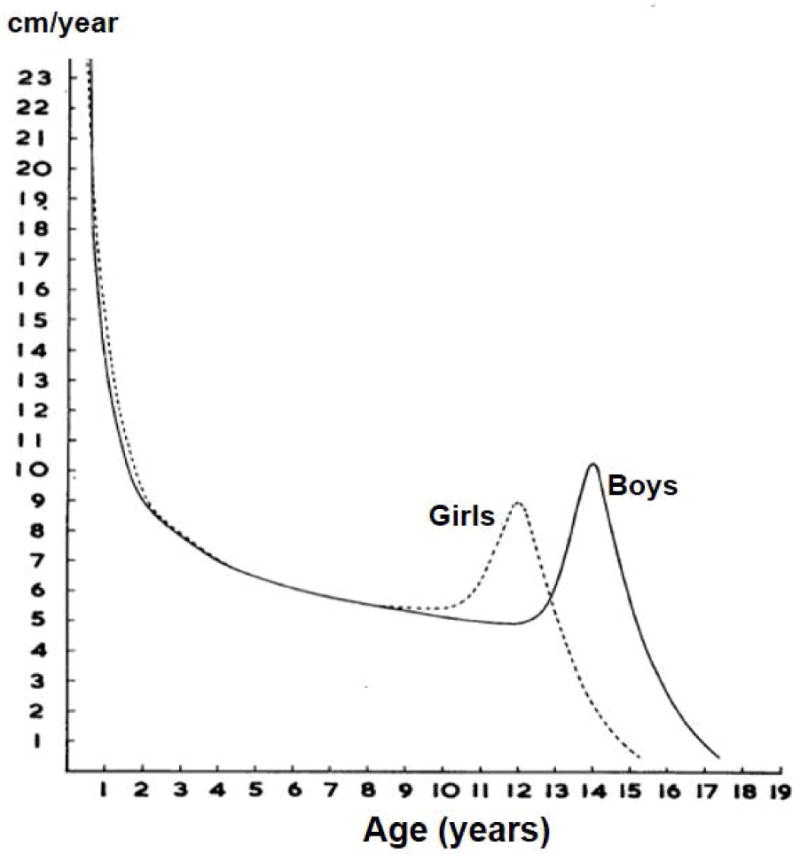
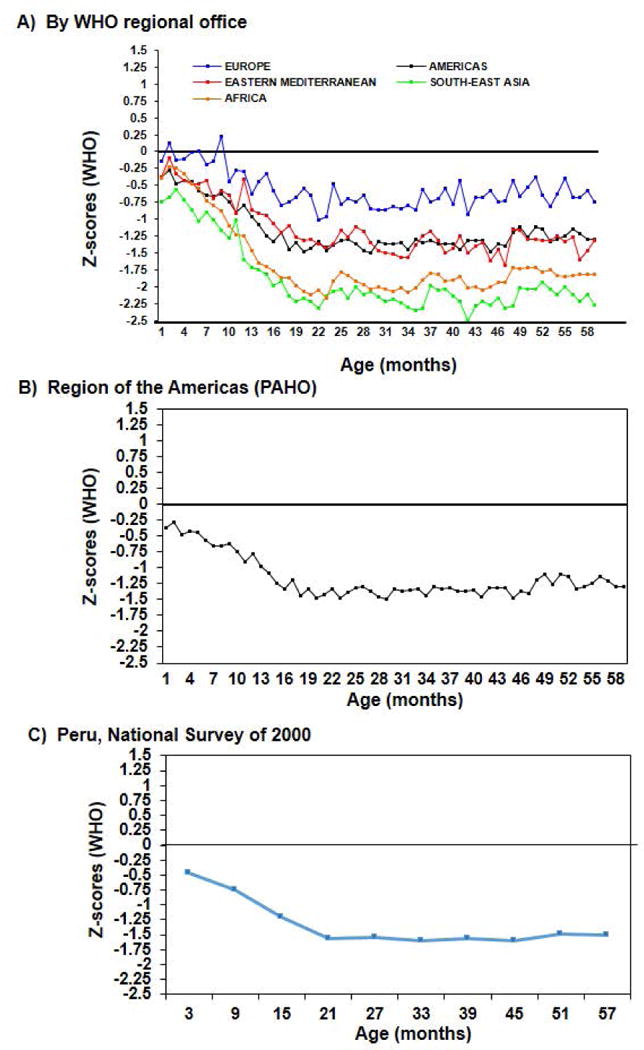
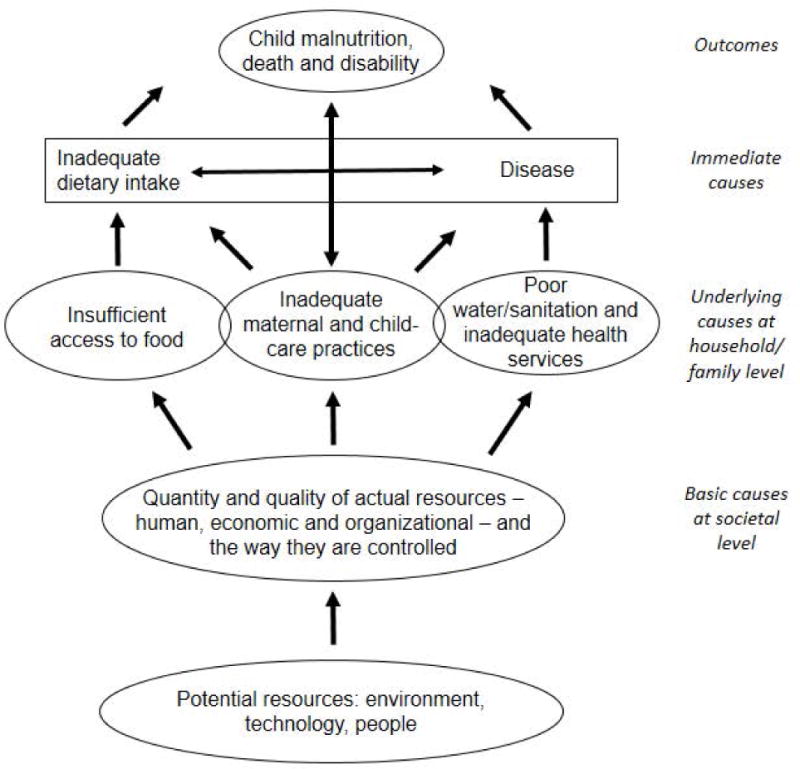
Several reasons explain the vulnerability of the first 1000 days: rapid growth and development, high nutritional requirements, greater susceptibility to infections, high sensitivity to programming effects and full dependence on others for care, nutrition, and social interaction. Compared with Fresco, Atole improved total nutrient intakes (protein, energy, and micronutrients) and reduced stunting, but only in children < 3 years of age. A study in 2002-2004 showed that schooling, reading, and intelligence were improved in Atole villages, but only in those who received Atole before the age of 3 years. Wages of men were increased by 46% in those provided Atole through the age of 2 years. Findings for cardiovascular disease risk factors were inconclusive, perhaps because of the young age of the sample. A new study focusing on chronic diseases is ongoing (ages 38-54 years).
The Guatemalan studies indicate that substantial improvement in adult human capital and economic productivity resulted from the nutrition intervention. This provides a powerful argument for promoting improvements in nutrition in pregnant women and young children in low income countries.
本文旨在探讨生命最初1000天成为人类发育脆弱期的原因,以及危地马拉(1969 - 1977年)进行的一项营养实验的长期影响。
1969 - 1977年期间,为两个村庄中孕期和哺乳期的妇女以及7岁以下儿童提供了一种名为阿托尔(Atole)的补充剂,其含有优质蛋白质、能量和微量营养素;而在另外两个对照村庄,提供了一种名为弗雷斯科(Fresco)的低能量饮料。这些村庄被随机分配到各治疗组。
有几个原因可以解释最初1000天的脆弱性:快速生长发育、高营养需求、更易感染、对编程效应高度敏感以及在护理、营养和社交互动方面完全依赖他人。与弗雷斯科相比,阿托尔改善了总营养素摄入量(蛋白质、能量和微量营养素)并减少了发育迟缓,但仅在3岁以下儿童中。2002 - 2004年的一项研究表明,阿托尔村庄的儿童在上学、阅读和智力方面有所改善,但仅限于3岁前接受阿托尔补充剂的儿童。2岁前接受阿托尔补充剂的男性工资提高了46%。关于心血管疾病风险因素的研究结果尚无定论,可能是因为样本年龄较小。一项针对慢性病的新研究正在进行中(38 - 54岁)。
危地马拉的研究表明,营养干预使成年人力资本和经济生产力有了显著提高。这为促进低收入国家孕妇和幼儿营养改善提供了有力论据。