Lai Xiaoyu, Xia Weibiao, Wei Jing, Ding Xinghong
Bone Marrow Transplantation Center, The First Affiliated Hospital, Zhejiang Chinese Medical University, Hangzhou, People's Republic of China.
College of Life Science, Zhejiang Chinese Medical University, Hangzhou, Zhejiang, People's Republic of China.
Dose Response. 2017 Jan 3;15(1):1559325816685182. doi: 10.1177/1559325816685182. eCollection 2017 Jan-Mar.
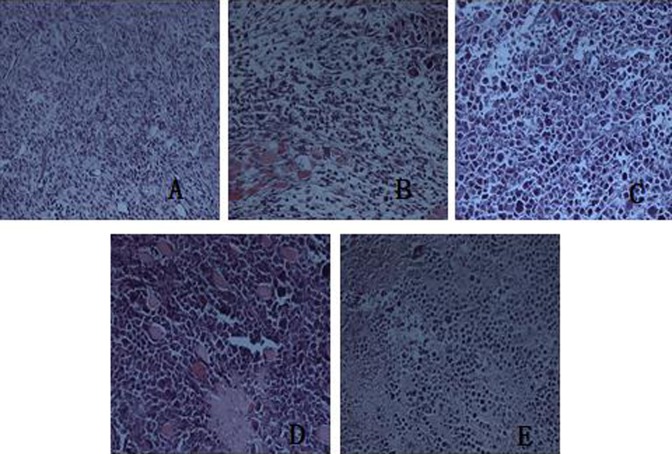
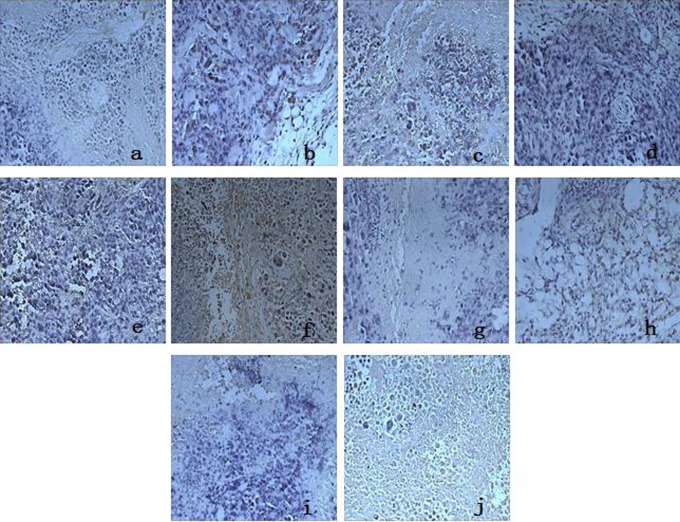
The purpose of this study was to investigate the effect of astragalus polysaccharides (APSs), active constituents of astragalus, in the treatment of hepatocellular carcinoma (HCC) and their potential as a promising candidate for future anticancer drug development. Astragalus polysaccharide was administered at different doses to HCC H22-bearing mice to investigate their antitumor effects. Results revealed that APS inhibited the growth of H22 cells with a tumor inhibition rate in the APS 400 mg·kg group of 59.01%. Astragalus polysaccharides significantly increased the spleen and thymus indexes, and also the interleukin (IL) 2, IL-6, and tumor necrosis factor α cytokine concentration in serum, indicating that APS influences immune-regulating properties involved in antitumor activity. In addition, APS increased Bax protein expression and decreased Bcl-2 protein expression; these proteins are apoptosis-regulating factors responsible for cell death or survival. Further development and exploration of APS may enable it to become an effective clinical agent for liver cancer therapy.
本研究旨在探讨黄芪活性成分黄芪多糖(APSs)对肝细胞癌(HCC)的治疗效果及其作为未来抗癌药物开发的潜在候选药物的可能性。将不同剂量的黄芪多糖给予荷H22肝癌小鼠以研究其抗肿瘤作用。结果显示,APS抑制H22细胞生长,APS 400 mg·kg组的肿瘤抑制率为59.01%。黄芪多糖显著提高脾脏和胸腺指数,还提高血清中白细胞介素(IL)-2、IL-6和肿瘤坏死因子α细胞因子浓度,表明APS影响参与抗肿瘤活性的免疫调节特性。此外,APS增加Bax蛋白表达并降低Bcl-2蛋白表达;这些蛋白是负责细胞死亡或存活的凋亡调节因子。对APS的进一步开发和探索可能使其成为治疗肝癌的有效临床药物。