Jiang Fei, Meng Di, Weng Meiqian, Zhu Weishu, Wu Wenxue, Kasper Dennis, Walker W Allan
Laboratory of Rapid Diagnostic Technology for Animal Diseases, College of Veterinary Medicine, China Agricultural University, Beijing, China.
Mucosal Immunology and Biology Research Center, Massachusetts General Hospital for Children and Harvard Medical School, Charlestown, Massachusetts, United States of America.
PLoS One. 2017 Mar 9;12(3):e0172738. doi: 10.1371/journal.pone.0172738. eCollection 2017.
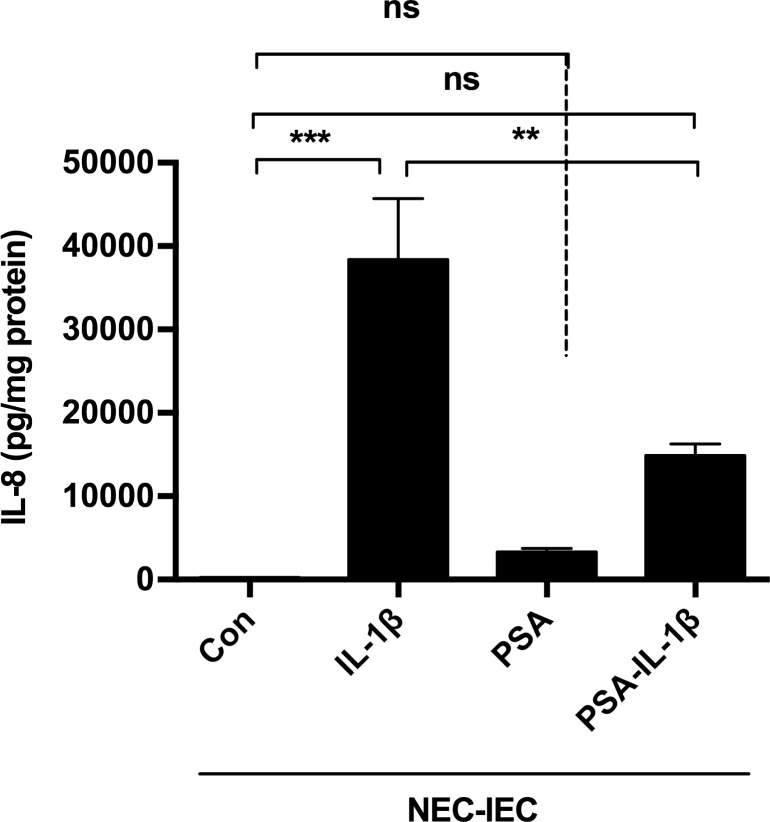
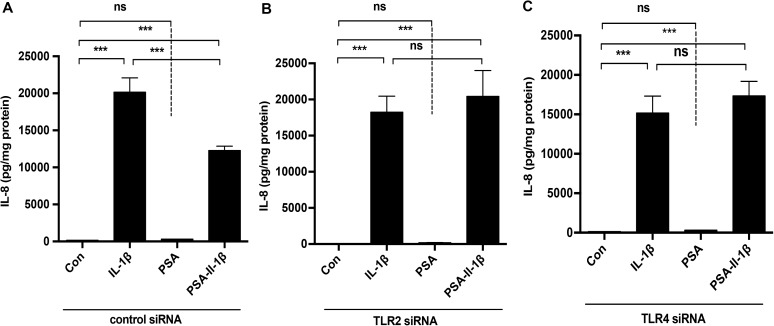
Colonizing bacteria interacting with the immature, unlike the mature, human intestine favors inflammation over immune homeostasis. As a result, ten percent of premature infants under 1500 grams weight develop an inflammatory necrosis of the intestine after birth, e.g., necrotizing enterocolitis (NEC). NEC is a major health problem in this population causing extensive morbidity and mortality and an enormous expenditure of health care dollars. NEC can be prevented by giving preterm infants their mother's expressed breast milk or ingesting selective probiotic organisms. Vaginally delivered, breast fed newborns develop health promoting bacteria ("pioneer" bacteria) which preferentially stimulate intestinal host defense and anti-inflammation. One such "pioneer" organism is Bacteroides fragilis with a polysaccharide (PSA) on its capsule. B. fragilis has been shown developmentally in intestinal lymphocytes and dendritic cells to produce a balanced T-helper cell (TH1/TH2) response and to reduce intestinal inflammation by activity through the TLR2 receptor stimulating IL-10 which inhibits IL-17 causing inflammation. No studies have been done on the role of B. fragilis PSA on fetal enterocytes and its increased inflammation. Accordingly, using human and mouse fetal intestinal models, we have shown that B. fragilis with PSA and PSA alone inhibits IL-1β-induced IL-8 inflammation in fetal and NEC intestine. We have also begun to define the mechanism for this unique inflammation noted in fetal intestine. We have shown that B. fragilis PSA anti-inflammation requires both the TLR2 and TLR4 receptor and is in part mediated by the AP1 transcription factor (TLR2) which is developmentally regulated. These observations may help to devise future preventative treatments of premature infants against NEC.
与未成熟的人类肠道相互作用的定殖细菌,与成熟肠道不同,更倾向于引发炎症而非维持免疫稳态。因此,体重低于1500克的早产儿中有10%在出生后会发生肠道炎症性坏死,例如坏死性小肠结肠炎(NEC)。NEC是这一人群中的一个主要健康问题,会导致广泛的发病和死亡,并耗费大量医疗费用。通过给早产儿喂食其母亲挤出的母乳或摄入选择性益生菌,可以预防NEC。经阴道分娩、母乳喂养的新生儿会产生促进健康的细菌(“先驱”细菌),这些细菌优先刺激肠道宿主防御和抗炎作用。一种这样的“先驱”微生物是脆弱拟杆菌,其荚膜上有一种多糖(PSA)。已证明,在肠道淋巴细胞和树突状细胞的发育过程中,脆弱拟杆菌会产生平衡的辅助性T细胞(TH1/TH2)反应,并通过刺激IL-10的TLR2受体活性来减轻肠道炎症,IL-10可抑制导致炎症的IL-17。尚未有关于脆弱拟杆菌PSA对胎儿肠上皮细胞作用及其增加炎症方面的研究。因此,利用人和小鼠胎儿肠道模型,我们发现含有PSA的脆弱拟杆菌以及单独的PSA均可抑制胎儿和NEC肠道中IL-1β诱导的IL-8炎症。我们也已开始确定胎儿肠道中这种独特炎症的机制。我们发现脆弱拟杆菌PSA的抗炎作用需要TLR2和TLR4受体,并且部分由发育调控的AP1转录因子(TLR2)介导。这些观察结果可能有助于设计未来针对早产儿预防NEC的治疗方法。