Zhang Lianru, Li Rutian, Chen Hong, Wei Jia, Qian Hanqing, Su Shu, Shao Jie, Wang Lifeng, Qian Xiaoping, Liu Baorui
The Comprehensive Cancer Centre of Drum Tower Hospital, Medical School of Nanjing University and Clinical Cancer Institute of Nanjing University, Nanjing, People's Republic of China.
Int J Nanomedicine. 2017 Mar 17;12:2129-2142. doi: 10.2147/IJN.S126016. eCollection 2017.
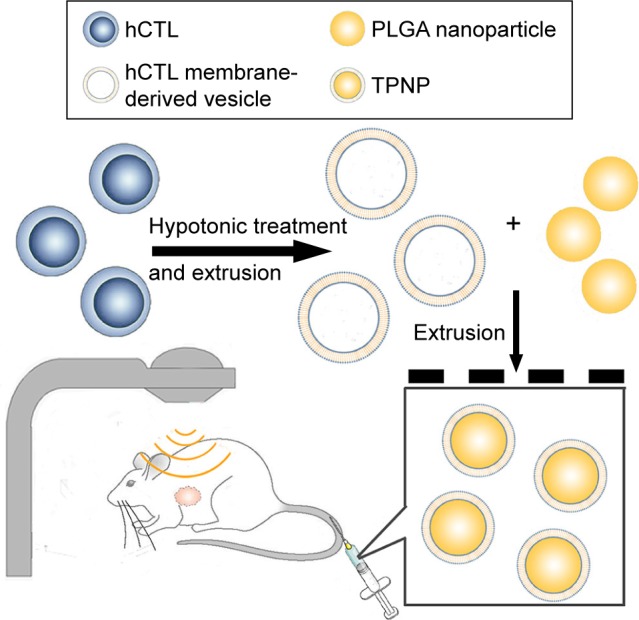
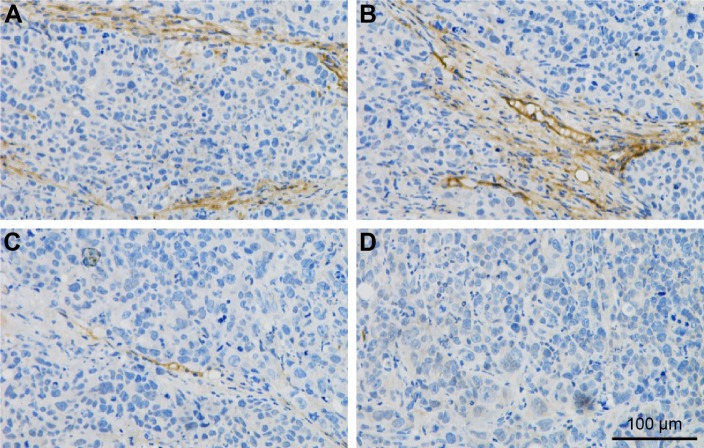
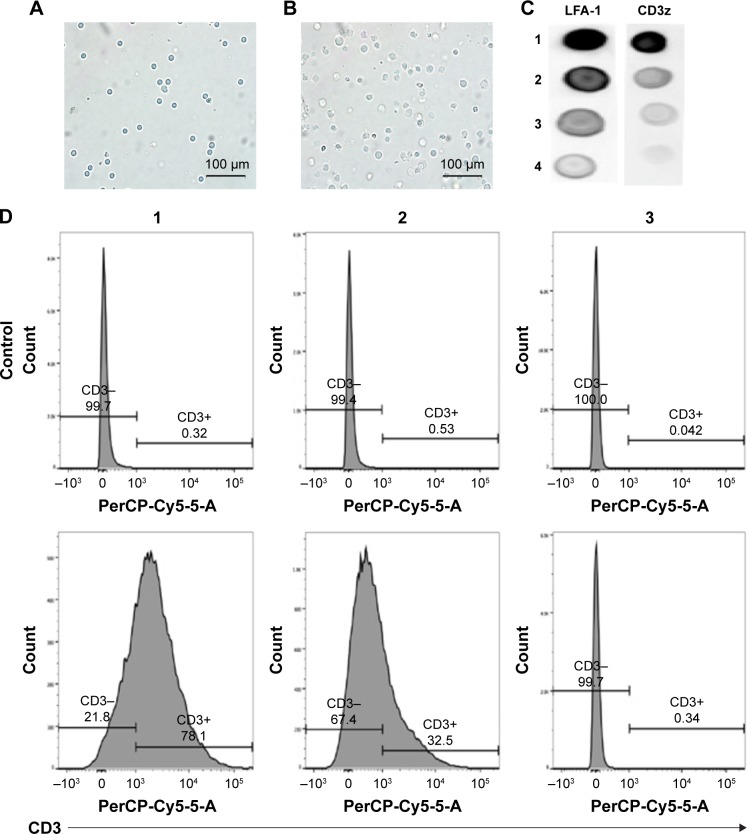
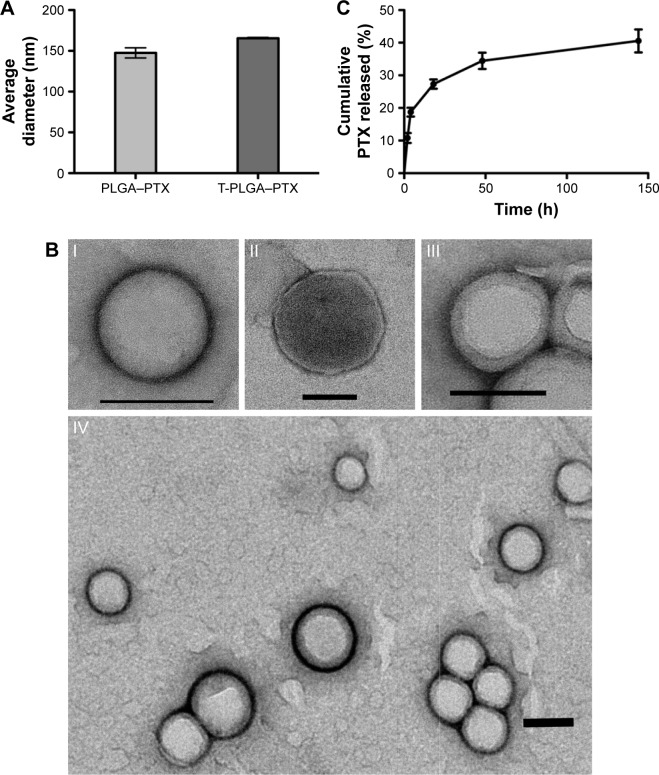
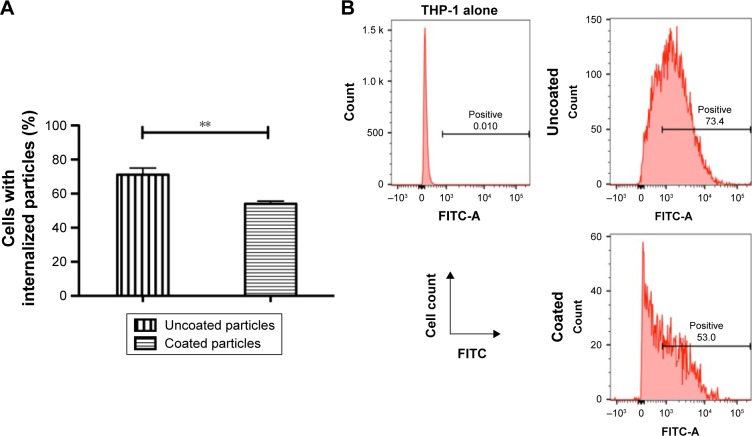
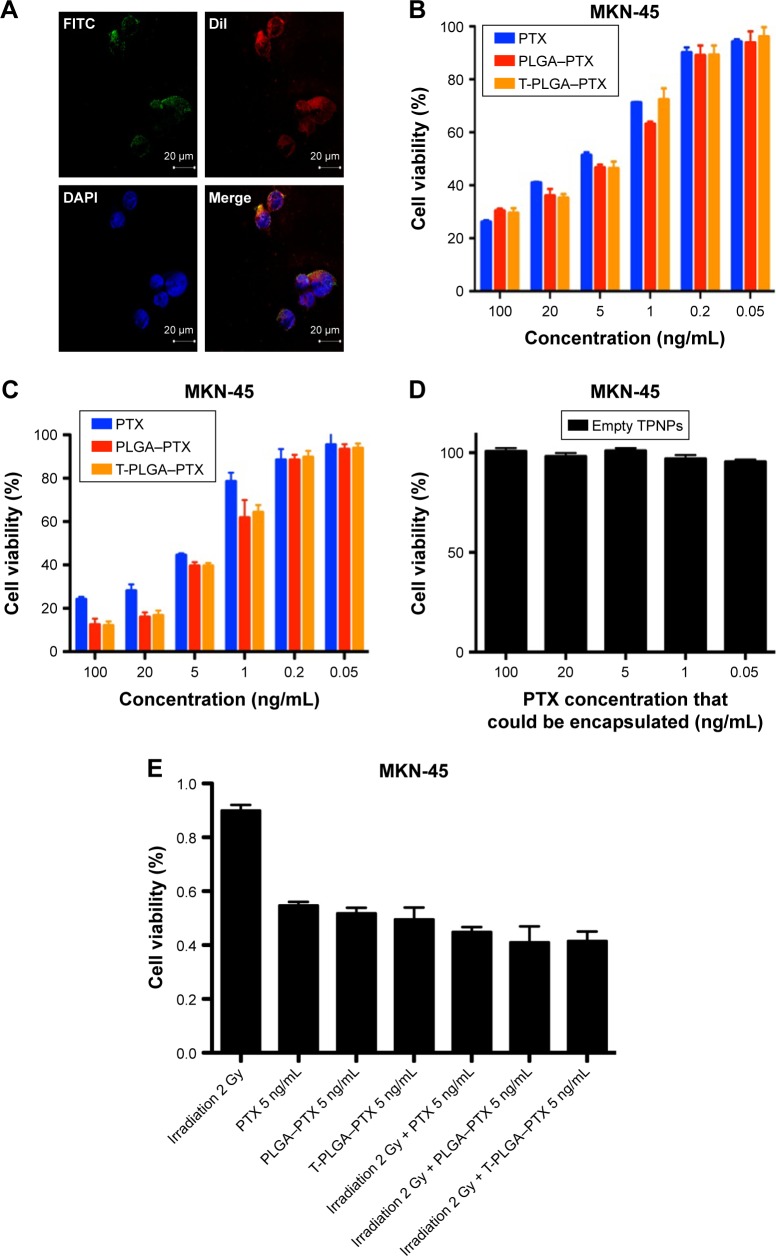
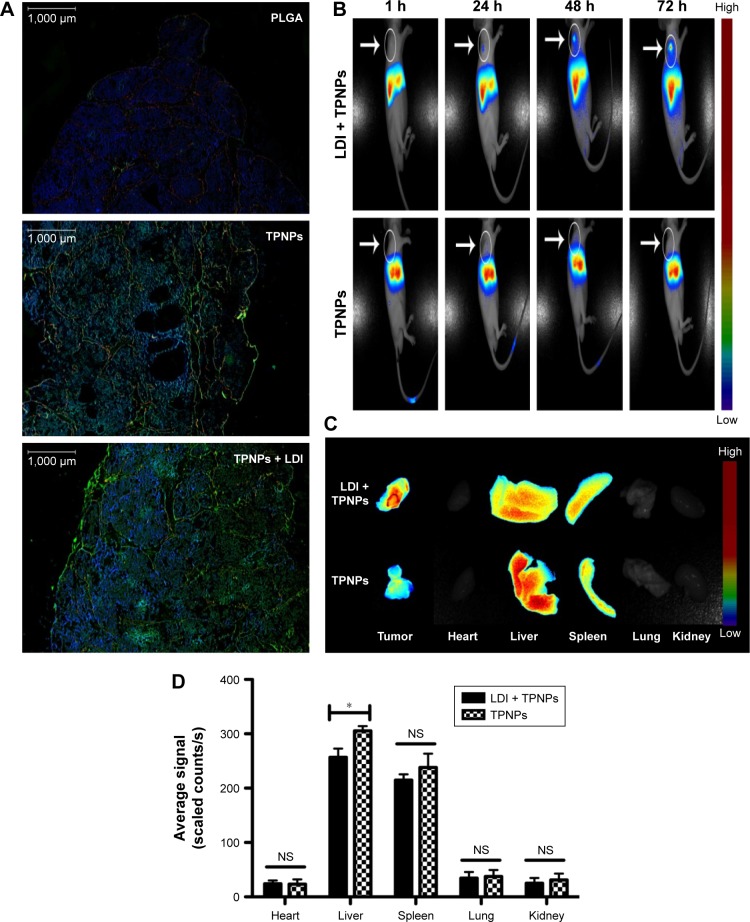
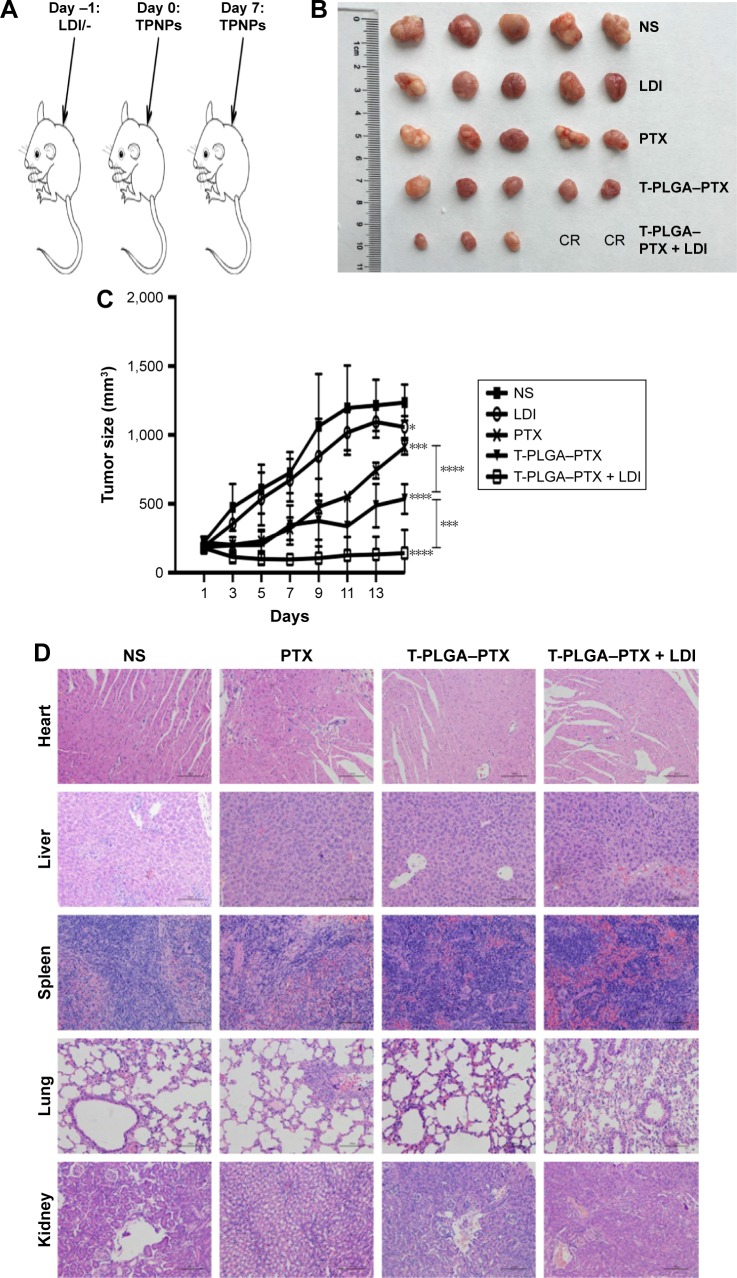
Cell membrane-derived nanoparticles are becoming more attractive because of their ability to mimic many features of their source cells. This study reports on a biomimetic delivery platform based on human cytotoxic T-lymphocyte membranes. In this system, the surface of poly-lactic--glycolic acid nanoparticles was camouflaged using T-lymphocyte membranes, and local low-dose irradiation (LDI) was used as a chemoattractant for nanoparticle targeting. The T-lymphocyte membrane coating was verified using dynamic light scattering, transmission electron microscopy, and confocal laser scanning microscopy. This new platform reduced nanoparticle phagocytosis by macrophages to 23.99% (=0.002). Systemic administration of paclitaxel-loaded T-lymphocyte membrane-coated nanoparticles inhibited the growth of human gastric cancer by 56.68% in Balb/c nude mice. Application of LDI at the tumor site significantly increased the tumor growth inhibition rate to 88.50%, and two mice achieved complete remission. Furthermore, LDI could upregulate the expression of adhesion molecules in tumor vessels, which is important in the process of leukocyte adhesion and might contribute to the localization of T-lymphocyte membrane-encapsulated nanoparticles in tumors. Therefore, this new drug-delivery platform retained both the long circulation time and tumor site accumulation ability of human cytotoxic T lymphocytes, while local LDI could significantly enhance tumor localization.
细胞膜衍生的纳米颗粒因其能够模拟其来源细胞的许多特征而变得越来越有吸引力。本研究报道了一种基于人细胞毒性T淋巴细胞膜的仿生递送平台。在该系统中,聚乳酸-乙醇酸纳米颗粒的表面用T淋巴细胞膜进行伪装,并使用局部低剂量照射(LDI)作为纳米颗粒靶向的化学引诱剂。使用动态光散射、透射电子显微镜和共聚焦激光扫描显微镜对T淋巴细胞膜涂层进行了验证。这个新平台将巨噬细胞对纳米颗粒的吞噬作用降低到了23.99%(=0.002)。全身给药负载紫杉醇的T淋巴细胞膜包被纳米颗粒在Balb/c裸鼠中抑制人胃癌生长达56.68%。在肿瘤部位应用LDI可将肿瘤生长抑制率显著提高到88.50%,并且有两只小鼠实现了完全缓解。此外,LDI可上调肿瘤血管中黏附分子的表达,这在白细胞黏附过程中很重要,并且可能有助于T淋巴细胞膜包裹的纳米颗粒在肿瘤中的定位。因此,这个新的药物递送平台保留了人细胞毒性T淋巴细胞的长循环时间和肿瘤部位积累能力,而局部LDI可显著增强肿瘤定位。