Key Laboratory of Animal Epidemiology and Zoonosis of Ministry of Agriculture, State Key Laboratory for Agrobiotechnology, National Animal Protozoa Laboratory &College of Veterinary Medicine, China Agricultural University, Beijing, China.
China Institute of Veterinary Drug Control, Beijing, China.
Sci Rep. 2017 Apr 13;7:46408. doi: 10.1038/srep46408.
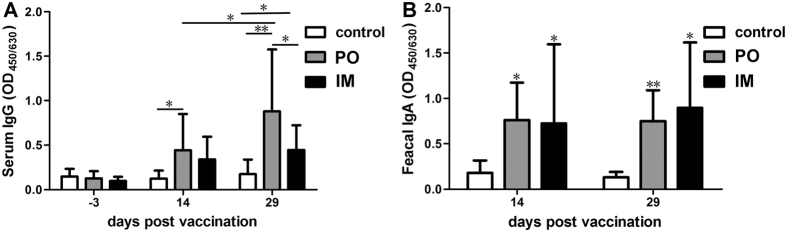
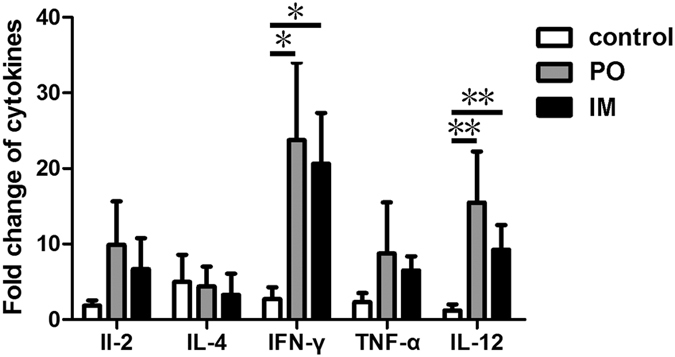
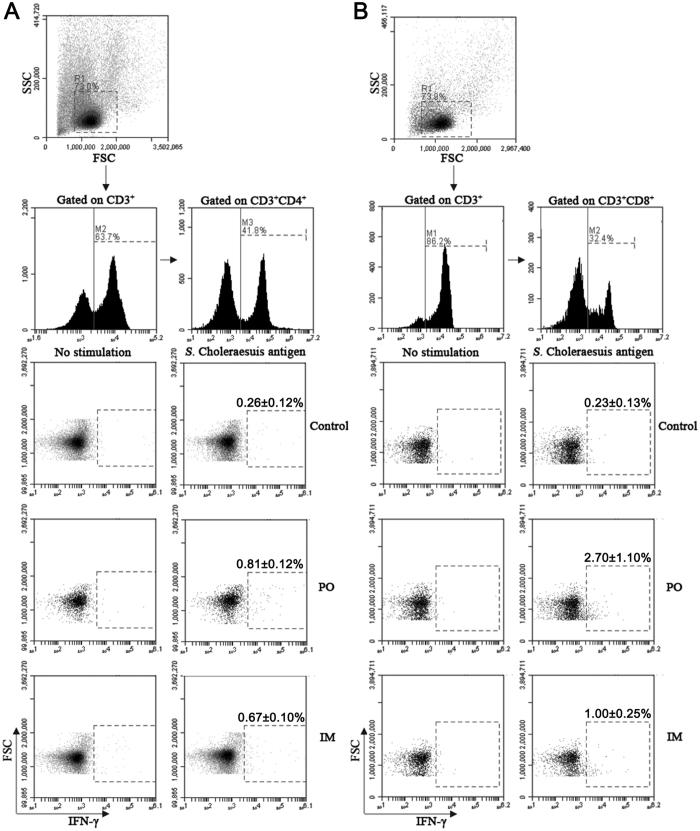
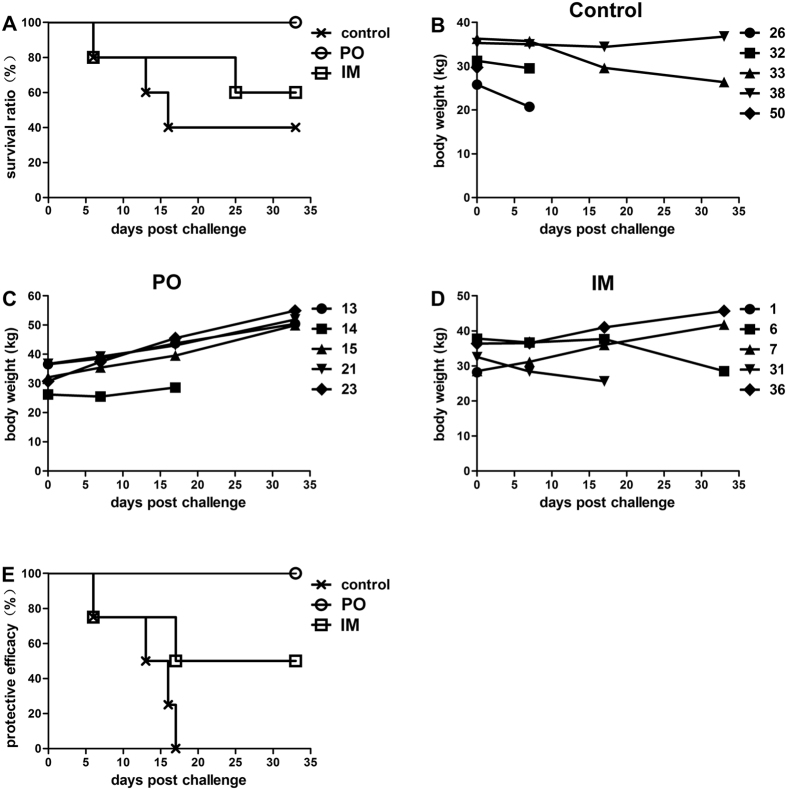
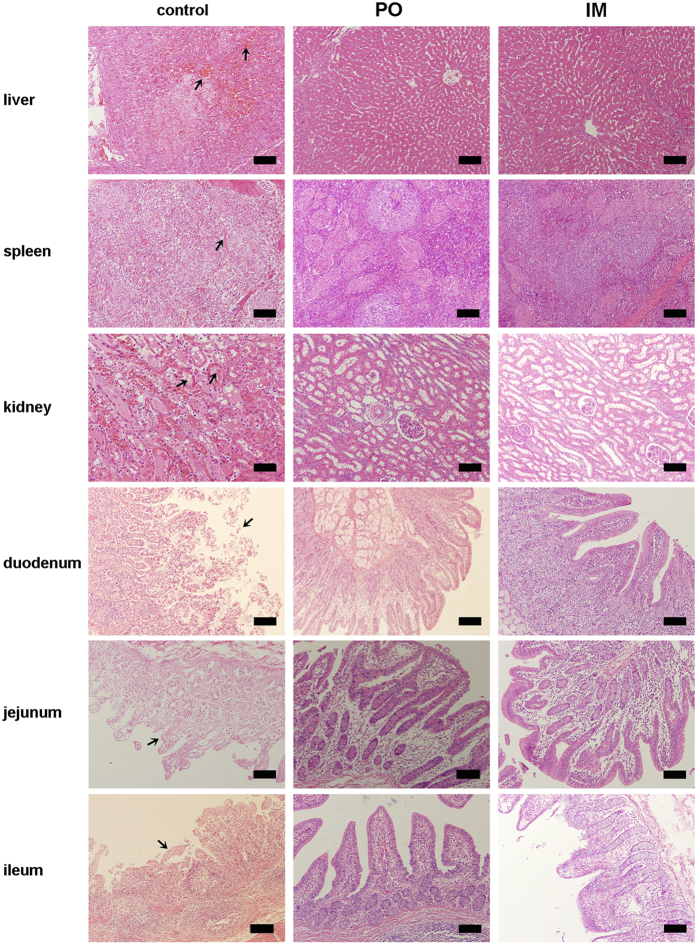
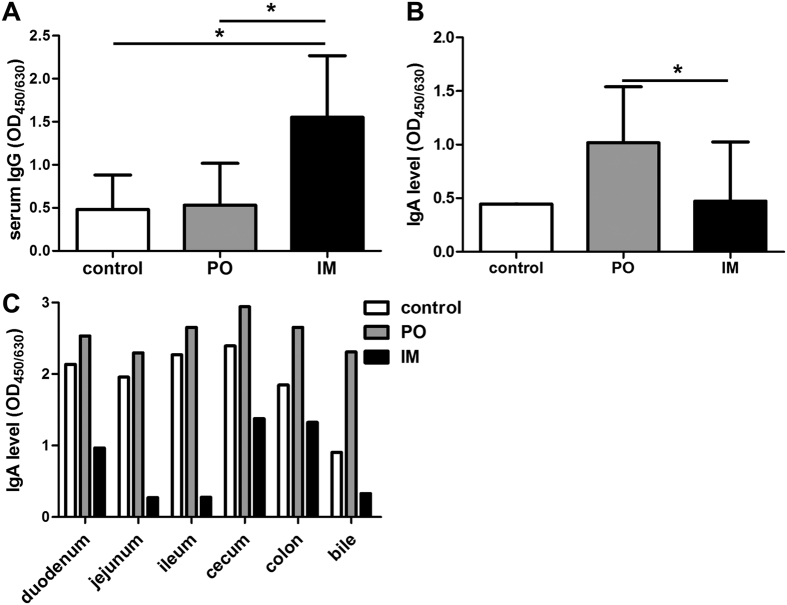
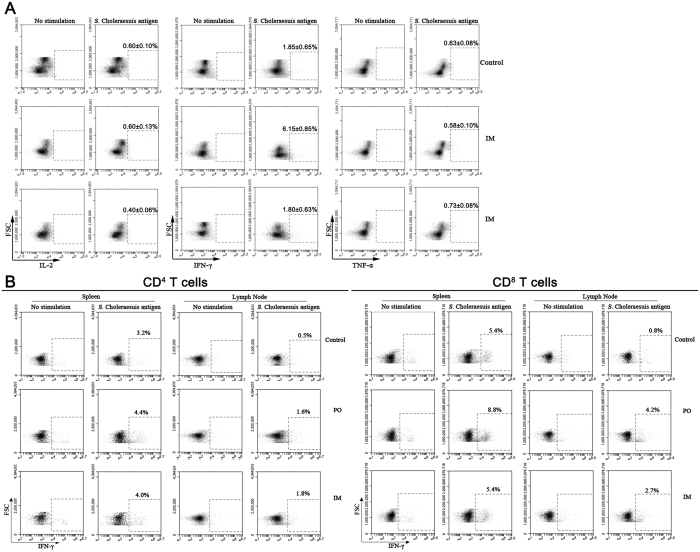
Salmonellosis, a disease caused by non-typhoidal Salmonella strains which can be transmitted from swine to humans, is one of the leading public health problems around the world. Paratyphoid of swine is controlled by vaccinating swine with Salmonella enterica serovar Choleraesuis (S. Choleraesuis) live vaccine strain C500 in China. Although the vaccine has good prophylactic efficacy, the mechanism of immunogenicity is unclear. Using a C500-derived paratyphoid thermo-stable live vaccine (PTSL vaccine), we demonstrated that the PTSL vaccine induces strong primary and memory immune responses in piglets. Mucosal IgA and IFN-γ/CD8 T cells induced by the PTSL vaccine play key roles in the protection of the host from Salmonella infection. Our findings have important implications on the development of new and improved vaccines against salmonellosis and using live-attenuated Salmonella as vaccine carriers.
猪副伤寒是由猪霍乱沙门氏菌(S. Choleraesuis)引起的一种疾病,可以由猪传播给人类,是全球主要的公共卫生问题之一。在中国,通过给猪接种猪霍乱沙门氏菌 C500 活疫苗来控制猪副伤寒。尽管该疫苗具有良好的预防效果,但免疫机制尚不清楚。我们使用源自 C500 的猪副伤寒耐热活疫苗(PTSL 疫苗)证明,PTSL 疫苗可在仔猪中诱导强烈的初次和记忆免疫应答。PTSL 疫苗诱导的黏膜 IgA 和 IFN-γ/CD8 T 细胞在宿主抵抗沙门氏菌感染中发挥关键作用。我们的研究结果对开发针对沙门氏菌病的新型和改进疫苗以及利用减毒沙门氏菌作为疫苗载体具有重要意义。