Huber Manuel B, Felix Julia, Vogelmann Martin, Leidl Reiner
German Research Center for Environmental Health, Institute for Health Economics and Health Care Management, Helmholtz Zentrum München, Postfach 1129, Neuherberg 85758, Germany.
Wort & Bild Verlag Konradshöhe GmbH & Co. KG, Baierbrunn 82065, Germany.
Int J Environ Res Public Health. 2017 Apr 16;14(4):426. doi: 10.3390/ijerph14040426.
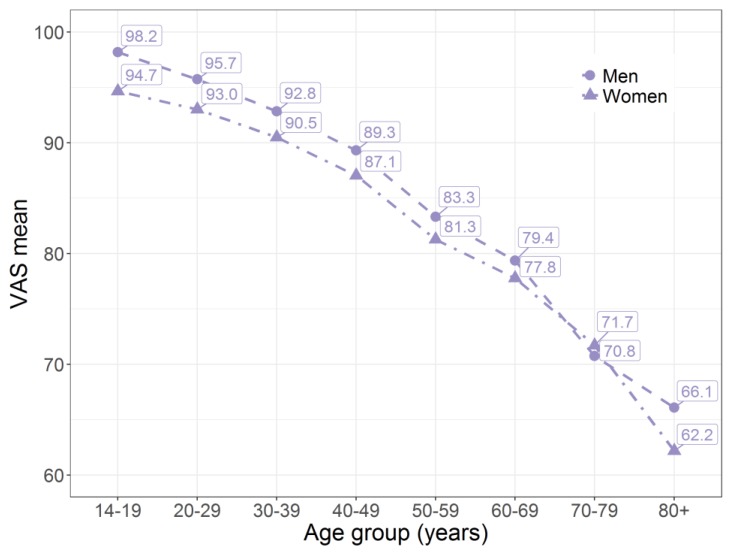
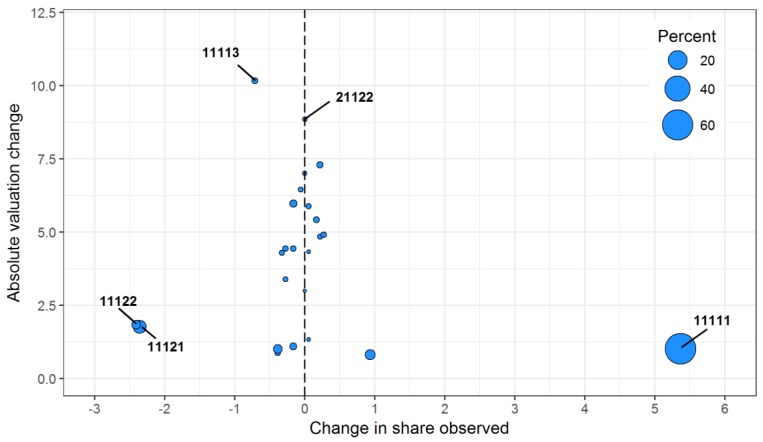
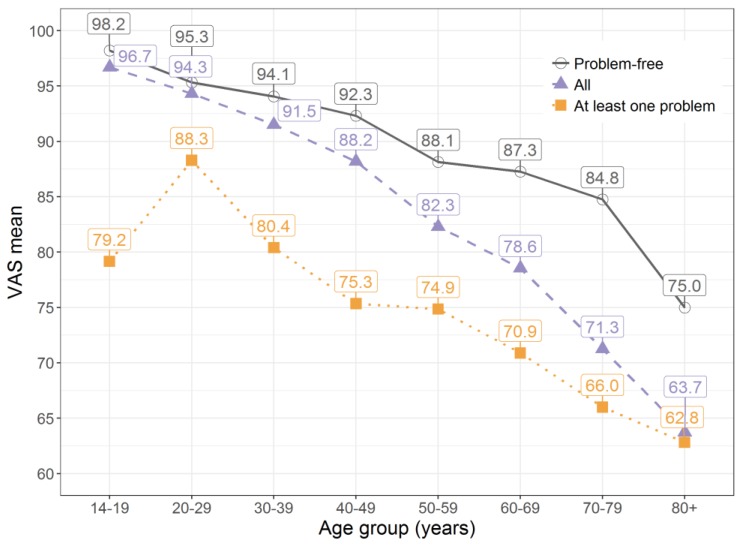
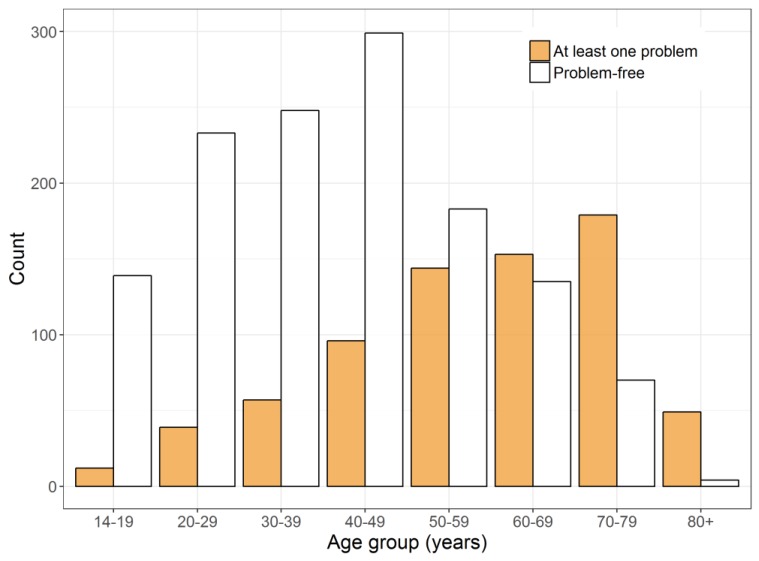
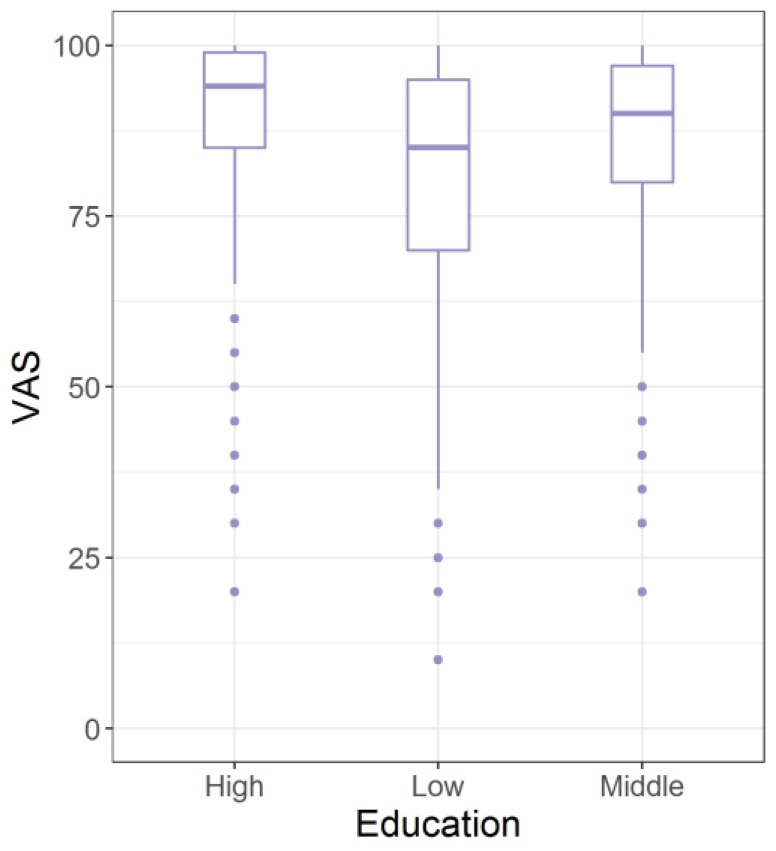
The EQ-5D-5L is a widely used generic instrument to measure health-related quality of life. This study evaluates health perception in a representative sample of the general German population from 2015. To compare results over time, a component analysis technique was used that separates changes in the description and valuation of health states. The whole sample and also subgroups, stratified by sociodemographic parameters as well as disease affliction, were analyzed. In total, 2040 questionnaires (48.4% male, mean age 47.3 year) were included. The dimension with the lowest number of reported problems was self-care (93.0% without problems), and the dimension with the highest proportion of impairment was pain/discomfort (71.2% without problems). Some 64.3% of the study population were identified as problem-free. The visual analog scale (VAS) mean for all participants was 85.1. Low education was connected with significantly lower VAS scores, but the effect was small. Depression, heart disease, and diabetes had a strong significant negative effect on reported VAS means. Results were slightly better than those in a similar 2012 survey; the most important driver was the increase in the share of the study population that reported to be problem-free. In international comparisons, health perception of the general German population is relatively high and, compared with previous German studies, fairly stable over recent years. Elderly and sick people continue to report significant reductions in perceived health states.
EQ-5D-5L是一种广泛用于测量健康相关生活质量的通用工具。本研究评估了2015年德国普通人群代表性样本中的健康认知情况。为了比较不同时间的结果,使用了一种成分分析技术,该技术将健康状态描述和估值的变化区分开来。对整个样本以及按社会人口统计学参数和疾病状况分层的亚组进行了分析。总共纳入了2040份问卷(男性占48.4%,平均年龄47.3岁)。报告问题最少的维度是自我护理(93.0%无问题),受损比例最高的维度是疼痛/不适(71.2%无问题)。约64.3%的研究人群被确定为无问题。所有参与者的视觉模拟量表(VAS)平均分为85.1。低教育水平与显著较低的VAS得分相关,但影响较小。抑郁症、心脏病和糖尿病对报告的VAS平均值有强烈的显著负面影响。结果略好于2012年的一项类似调查;最重要的驱动因素是报告无问题的研究人群比例增加。在国际比较中,德国普通人群的健康认知相对较高,与德国以前的研究相比,近年来相当稳定。老年人和病人报告的健康状态感知仍有显著下降。