Anderson Peter, Berridge Virginia, Conrod Patricia, Dudley Robert, Hellman Matilda, Lachenmeier Dirk, Lingford-Hughes Anne, Miller David, Rehm Jürgen, Room Robin, Schmidt Laura, Sullivan Roger, Ysa Tamyko, Gual Antoni
Institute of Health & Society, Newcastle University, Newcastle upon Tyne, UK.
Faculty of Health, Medicine and Life Sciences, Maastricht University, Maastricht, Netherlands.
F1000Res. 2017 Mar 17;6:289. doi: 10.12688/f1000research.10860.1. eCollection 2017.
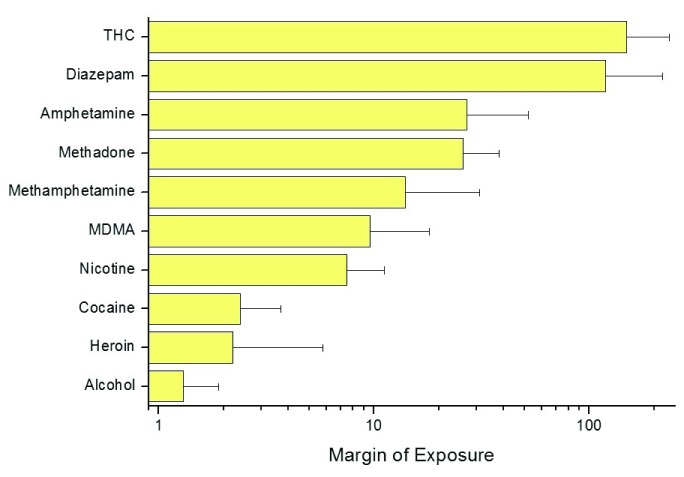
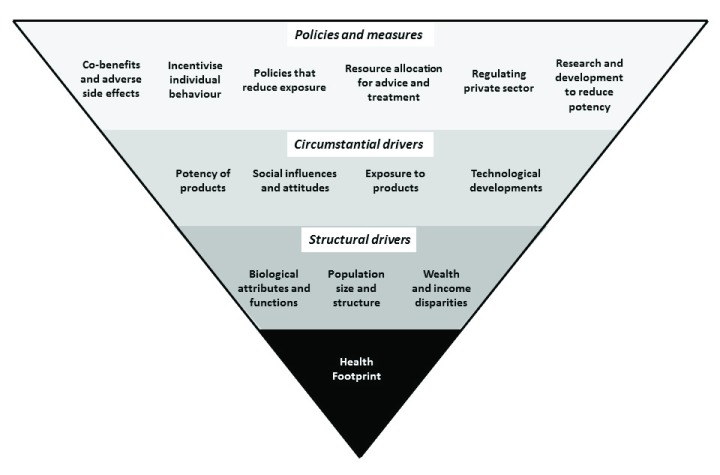
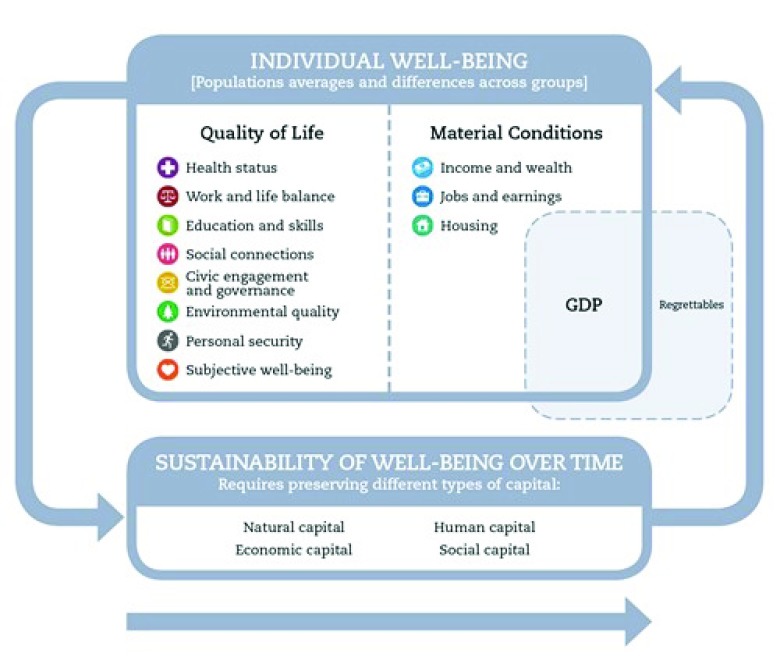
In 2013, illegal drug use was responsible for 1.8% of years of life lost in the European Union, alcohol was responsible for 8.2% and tobacco for 18.2%, imposing economic burdens in excess of 2.5% of GDP. No single European country has optimal governance structures for reducing the harm done by nicotine, illegal drugs and alcohol, and existing ones are poorly designed, fragmented, and sometimes cause harm. Reporting the main science and policy conclusions of a transdisciplinary five-year analysis of the place of addictions in Europe, researchers from 67 scientific institutions addressed these problems by reframing an understanding of addictions. A new paradigm needs to account for evolutionary evidence which suggests that humans are biologically predisposed to seek out drugs, and that, today, individuals face availability of high drug doses, consequently increasing the risk of harm. New definitions need to acknowledge that the defining element of addictive drugs is 'heavy use over time', a concept that could replace the diagnostic artefact captured by the clinical term 'substance use disorder', thus opening the door for new substances to be considered such as sugar. Tools of quantitative risk assessment that recognize drugs as toxins could be further deployed to assess regulatory approaches to reducing harm. Re-designed governance of drugs requires embedding policy within a comprehensive societal well-being frame that encompasses a range of domains of well-being, including quality of life, material living conditions and sustainability over time; such a frame adds arguments to the inappropriateness of policies that criminalize individuals for using drugs and that continue to categorize certain drugs as illegal. A health footprint, modelled on the carbon footprint, and using quantitative measures such as years of life lost due to death or disability, could serve as the accountability tool that apportions responsibility for who and what causes drug-related harm.
2013年,在欧盟,非法药物使用导致1.8%的寿命损失年数,酒精导致8.2%,烟草导致18.2%,所造成的经济负担超过国内生产总值的2.5%。没有一个欧洲国家拥有优化的治理结构来减少尼古丁、非法药物和酒精造成的危害,现有的治理结构设计不佳、零散,有时还会造成伤害。来自67个科研机构的研究人员在报告一项对欧洲成瘾问题进行的为期五年的跨学科分析的主要科学和政策结论时,通过重新构建对成瘾的理解来解决这些问题。一种新的范式需要考虑进化证据,该证据表明人类在生物学上倾向于寻求毒品,而且如今个人面临着高剂量毒品的可得性,从而增加了危害风险。新的定义需要承认,成瘾性药物的决定性因素是“长期大量使用”,这一概念可以取代临床术语“物质使用障碍”所捕捉到的诊断假象,从而为将糖等新物质纳入考虑范围打开大门。那些将毒品视为毒素的定量风险评估工具可以进一步用于评估减少危害的监管方法。重新设计的毒品治理需要将政策嵌入一个全面的社会福祉框架内,该框架涵盖一系列福祉领域,包括生活质量、物质生活条件以及长期可持续性;这样一个框架进一步说明了将使用毒品的个人定罪以及继续将某些毒品归类为非法的政策是不合适的。一种仿照碳足迹的健康足迹,使用诸如因死亡或残疾导致的寿命损失年数等定量指标,可以作为一种问责工具,来分摊谁以及什么导致了与毒品相关危害的责任。