Zhou Lulu, Cai Mingjun, Tong Ti, Wang Hongda
State Key Laboratory of Electroanalytical Chemistry, Changchun Institute of Applied Chemistry, Chinese Academy of Sciences, Changchun 130022, China.
University of Chinese Academy of Sciences, Beijing 100049, China.
Sensors (Basel). 2017 Apr 24;17(4):938. doi: 10.3390/s17040938.
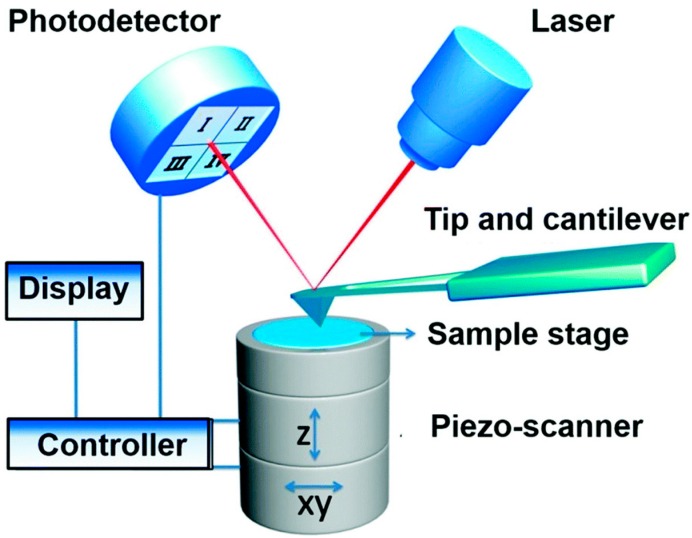
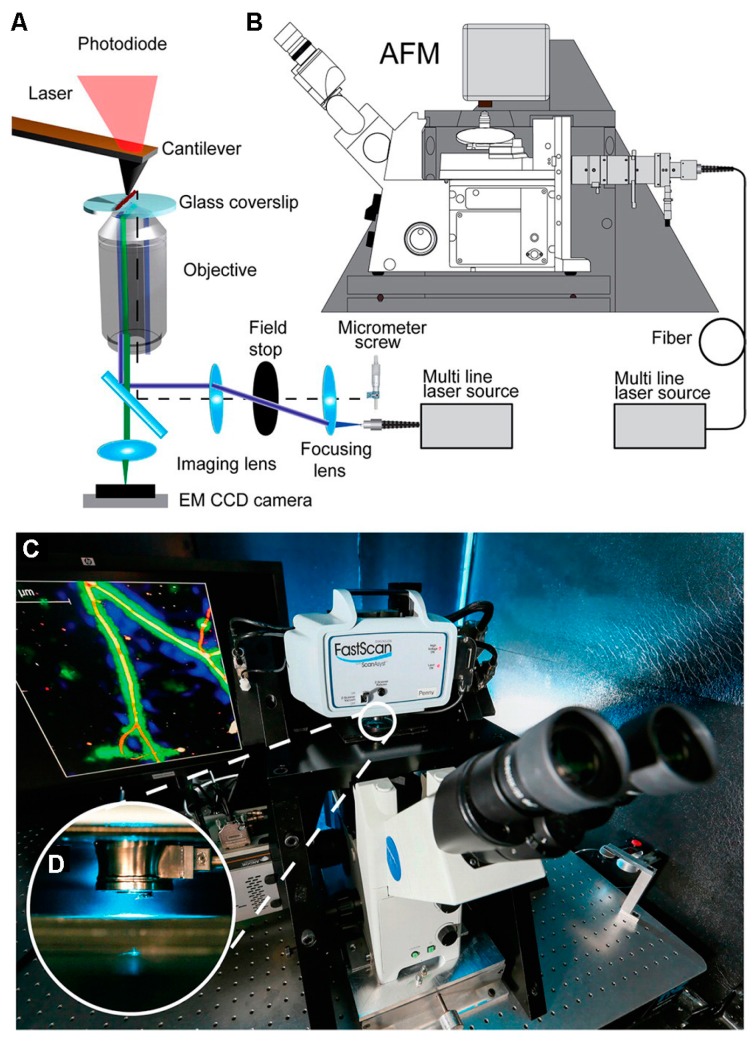
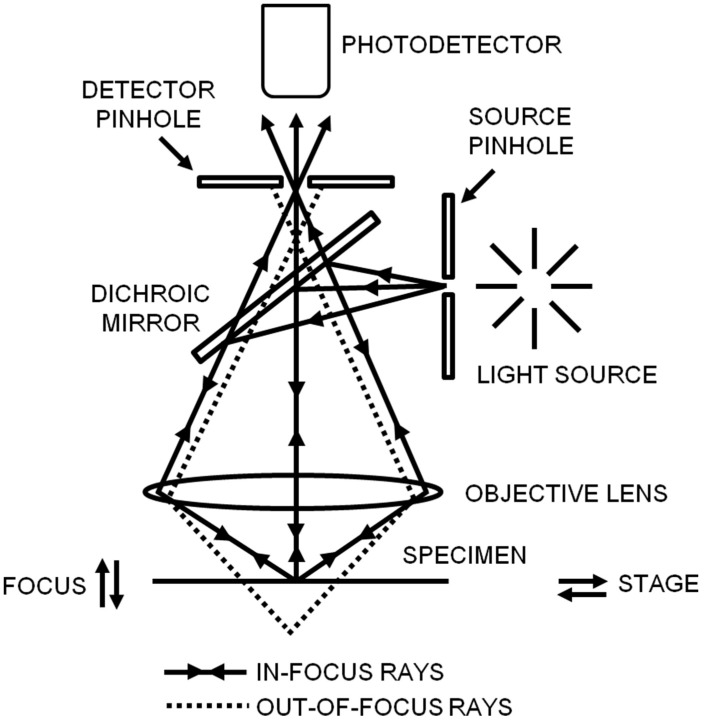
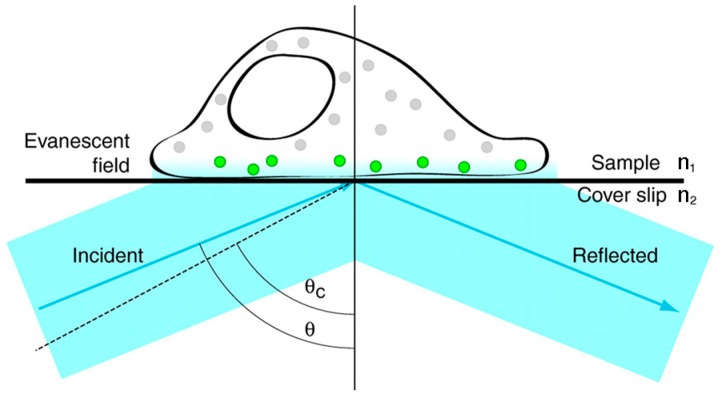
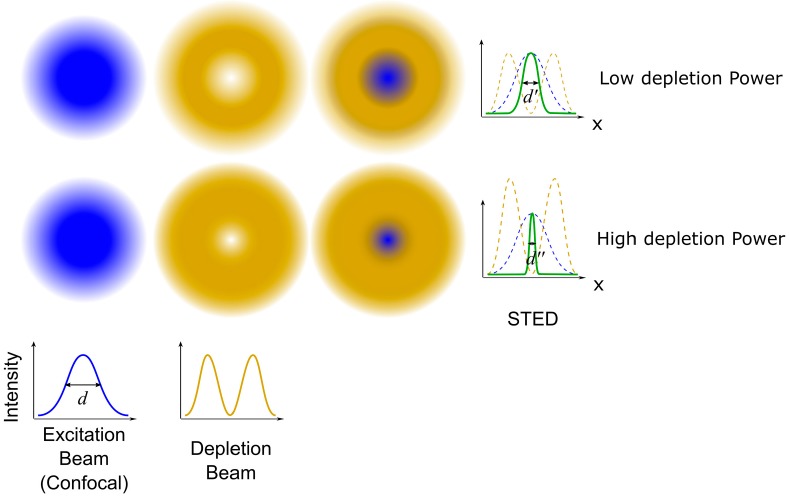
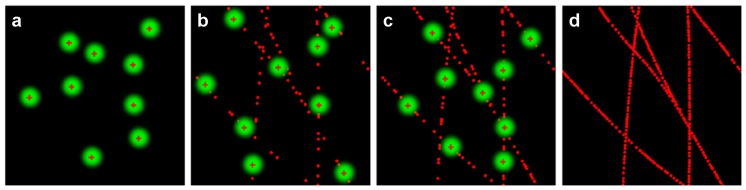
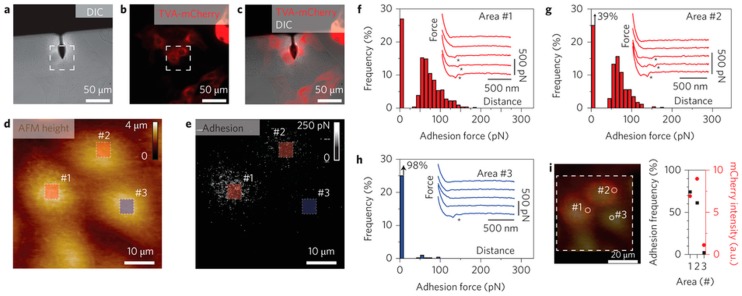
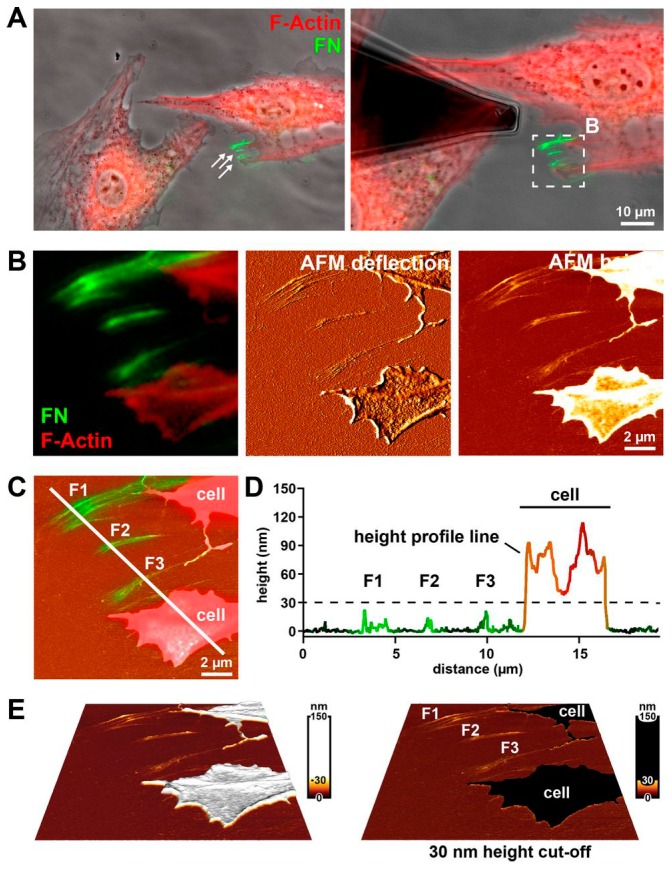
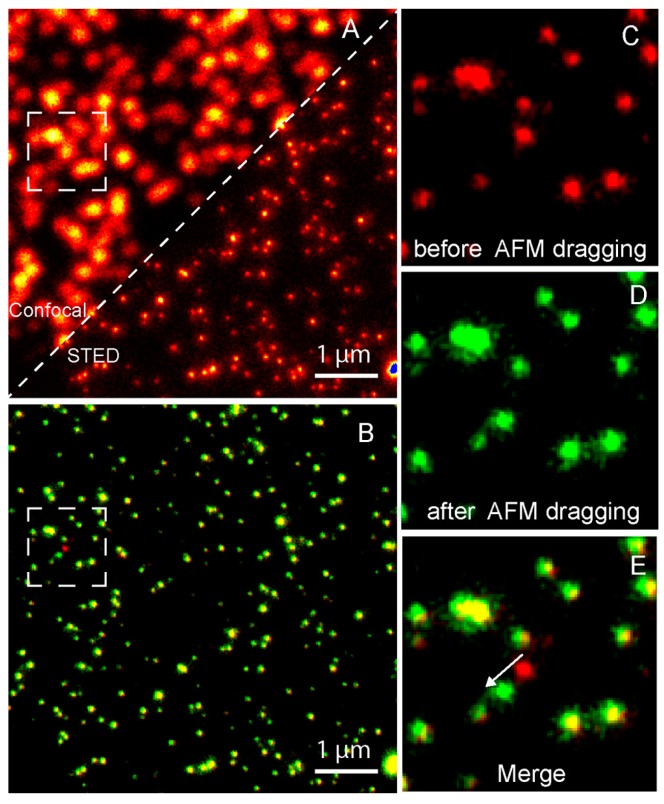
Atomic force microscopy (AFM) has evolved from the originally morphological imaging technique to a powerful and multifunctional technique for manipulating and detecting the interactions between molecules at nanometer resolution. However, AFM cannot provide the precise information of synchronized molecular groups and has many shortcomings in the aspects of determining the mechanism of the interactions and the elaborate structure due to the limitations of the technology, itself, such as non-specificity and low imaging speed. To overcome the technical limitations, it is necessary to combine AFM with other complementary techniques, such as fluorescence microscopy. The combination of several complementary techniques in one instrument has increasingly become a vital approach to investigate the details of the interactions among molecules and molecular dynamics. In this review, we reported the principles of AFM and optical microscopy, such as confocal microscopy and single-molecule localization microscopy, and focused on the development and use of correlative AFM and optical microscopy.
原子力显微镜(AFM)已从最初的形态成像技术发展成为一种强大的多功能技术,能够在纳米分辨率下操纵和检测分子间的相互作用。然而,由于技术本身的局限性,如非特异性和成像速度低,AFM无法提供同步分子基团的精确信息,在确定相互作用机制和精细结构方面存在诸多不足。为克服这些技术限制,有必要将AFM与其他互补技术相结合,如荧光显微镜。将多种互补技术整合在一台仪器中已日益成为研究分子间相互作用细节和分子动力学的重要方法。在本综述中,我们报道了AFM和光学显微镜(如共聚焦显微镜和单分子定位显微镜)的原理,并重点介绍了相关AFM与光学显微镜的发展及应用。