School of Education and Environment, Kristianstad University, 291 88, Kristianstad, Sweden.
Department of Landscape Architecture, Planning and Management, Swedish University of Agricultural Sciences, P.O. Box 58, Alnarp, Sweden.
Ambio. 2017 Nov;46(7):717-730. doi: 10.1007/s13280-017-0920-z. Epub 2017 Apr 25.
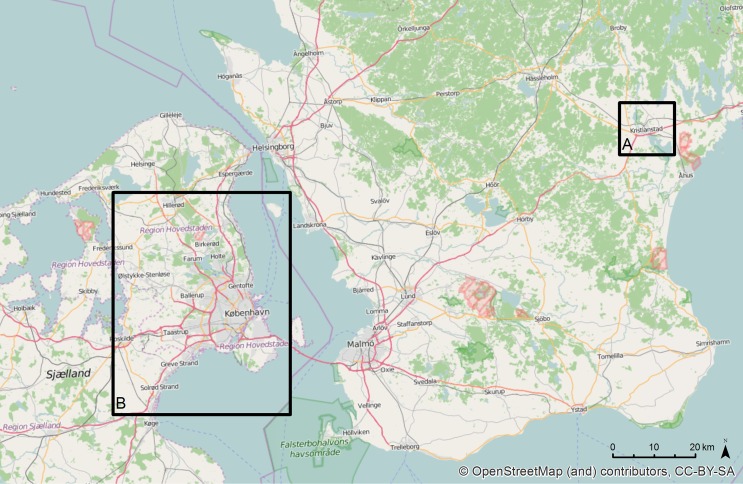
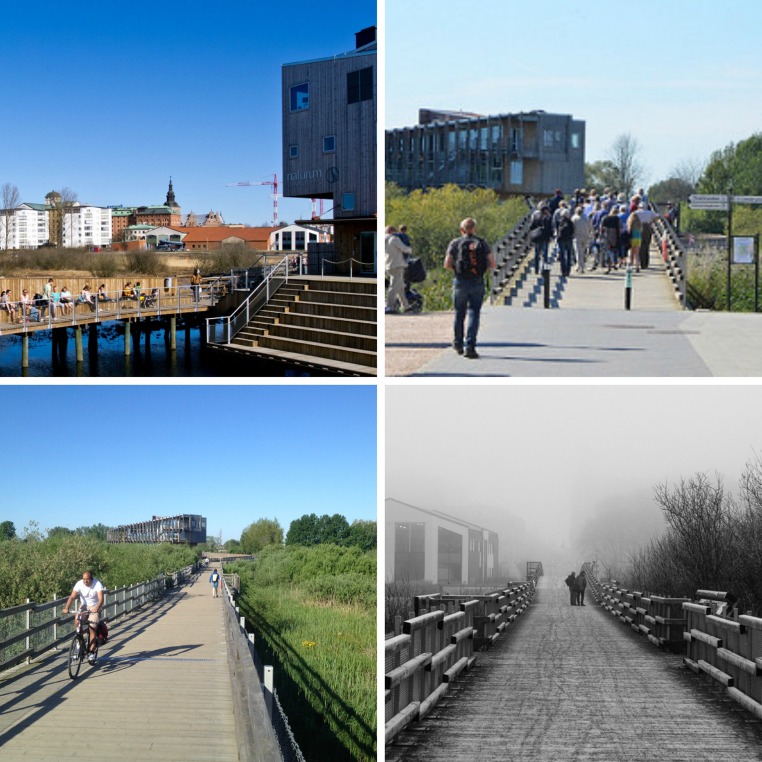
Concern for a diminished human experience of nature and subsequent decreased human well-being is addressed via a consideration of green infrastructure's potential to facilitate unplanned or incidental nature experience. Incidental nature experience is conceptualized and illustrated in order to consider this seldom addressed aspect of human interaction with nature in green infrastructure planning. Special attention has been paid to the ability of incidental nature experience to redirect attention from a primary activity toward an unplanned focus (in this case, nature phenomena). The value of such experience for human well-being is considered. The role of green infrastructure to provide the opportunity for incidental nature experience may serve as a nudge or guide toward meaningful interaction. These ideas are explored using examples of green infrastructure design in two Nordic municipalities: Kristianstad, Sweden, and Copenhagen, Denmark. The outcome of the case study analysis coupled with the review of literature is a set of sample recommendations for how green infrastructure can be designed to support a range of incidental nature experiences with the potential to support human well-being.
关注人类对自然体验的减少以及随之而来的幸福感下降,可以通过考虑绿色基础设施促进非计划性或偶然自然体验的潜力来解决。为了考虑绿色基础设施规划中很少涉及的人类与自然相互作用的这一方面,对偶然自然体验进行了概念化和说明。特别关注偶然自然体验将注意力从主要活动重新引导到非计划性焦点的能力(在这种情况下,是自然现象)。考虑了这种体验对人类幸福感的价值。绿色基础设施提供偶然自然体验机会的作用可以作为一种引导或指导,以实现有意义的互动。这些想法通过对瑞典克里斯蒂安斯塔德和丹麦哥本哈根两个北欧城市的绿色基础设施设计案例进行了探讨。案例研究分析的结果以及文献综述得出了一系列建议,说明如何设计绿色基础设施以支持一系列偶然的自然体验,从而有可能支持人类的幸福感。