Department of Pharmacy and Biotechnology, Alma Mater Studiorum-University of Bologna, Via Irnerio 48, 40126, Bologna, Italy.
Department of Life Sciences, University of Parma, Parco Area delle Scienze 11A, 43124, Parma, Italy.
Sci Rep. 2017 May 17;7(1):2028. doi: 10.1038/s41598-017-02317-8.
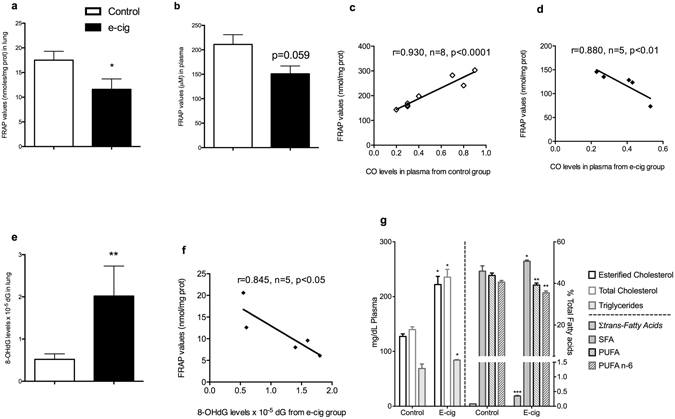
Electronic cigarettes (e-cigs) are devices designed to deliver nicotine in a vaping solution rather than smoke and without tobacco combustion. Perceived as a safer alternative to conventional cigarettes, e-cigs are aggressively marketed as lifestyle-choice consumables, thanks to few restrictions and a lack of regulatory guidelines. E-cigs have also gained popularity among never-smokers and teenagers, becoming an emergent public health issue. Despite the burgeoning worldwide consumption of e-cigs, their safety remains largely unproven and it is unknown whether these devices cause in vivo toxicological effects that could contribute to cancer. Here we demonstrate the co-mutagenic and cancer-initiating effects of e-cig vapour in a rat lung model. We found that e-cigs have a powerful booster effect on phase-I carcinogen-bioactivating enzymes, including activators of polycyclic aromatic hydrocarbons (PAHs), and increase oxygen free radical production and DNA oxidation to 8-hydroxy-2'-deoxyguanosine. Furthermore, we found that e-cigs damage DNA not only at chromosomal level in peripheral blood, such as strand breaks in leucocytes and micronuclei formation in reticulocytes, but also at gene level such as point mutations in urine. Our results demonstrate that exposure to e-cigs could endanger human health, particularly among younger more vulnerable consumers.
电子烟(e-cigs)是一种设计用于输送尼古丁的设备,通过蒸气溶液而不是烟雾,且没有烟草燃烧。由于限制较少且缺乏监管指导方针,电子烟被视为传统香烟的更安全替代品,因此被大力宣传为生活方式选择的消费品。电子烟在从不吸烟的人群和青少年中也越来越受欢迎,成为一个新出现的公共卫生问题。尽管电子烟在全球范围内的消费呈爆炸式增长,但它们的安全性在很大程度上仍未得到证实,也不清楚这些设备是否会引起体内的毒理学效应,从而导致癌症。在这里,我们在大鼠肺模型中证明了电子烟蒸气的共突变和致癌起始作用。我们发现,电子烟对 I 期致癌物质生物激活酶具有强大的增强作用,包括多环芳烃(PAHs)的激活剂,并增加氧自由基的产生和 DNA 氧化为 8-羟基-2'-脱氧鸟苷。此外,我们发现电子烟不仅在周围血液的染色体水平(如白细胞的链断裂和网织红细胞中的微核形成),而且在基因水平(如尿液中的点突变)上损害 DNA。我们的结果表明,接触电子烟可能会危及人类健康,尤其是在年轻且更脆弱的消费者中。