Scuderi Gaetano J, Butcher Jonathan
Meinig School of Biomedical Engineering, Cornell UniversityIthaca, NY, USA.
Front Cell Dev Biol. 2017 May 5;5:50. doi: 10.3389/fcell.2017.00050. eCollection 2017.
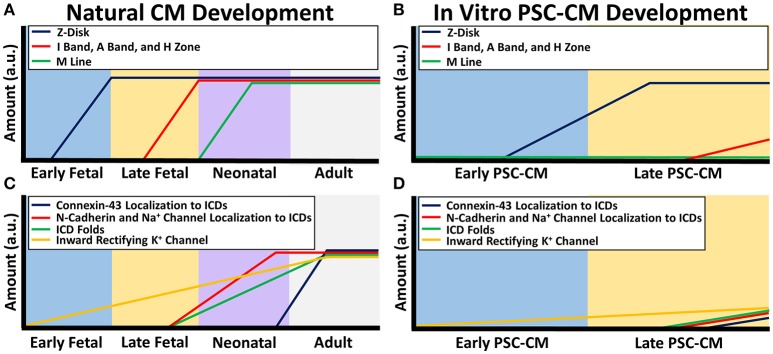
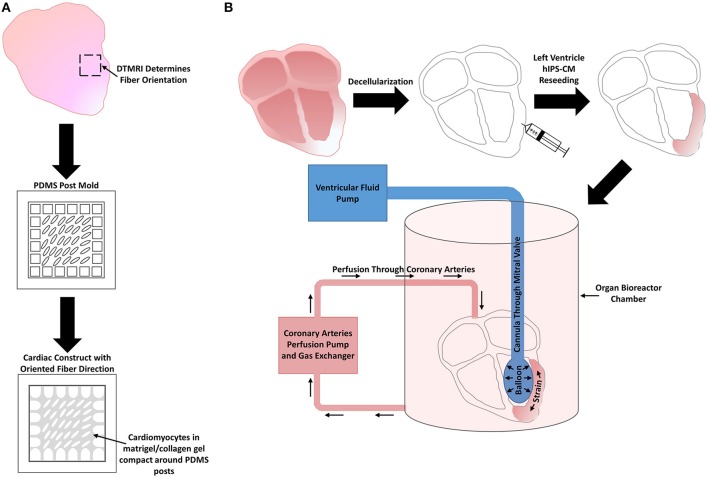
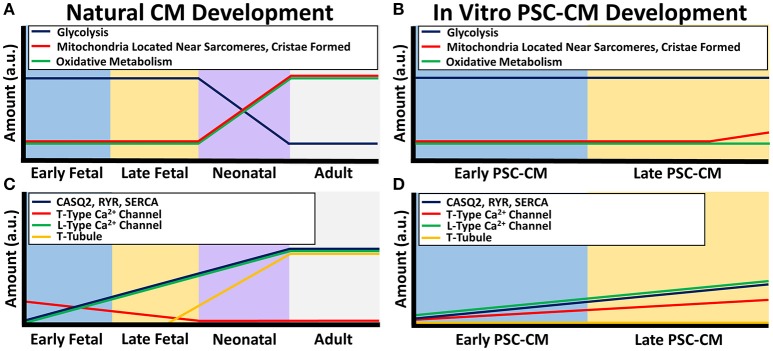
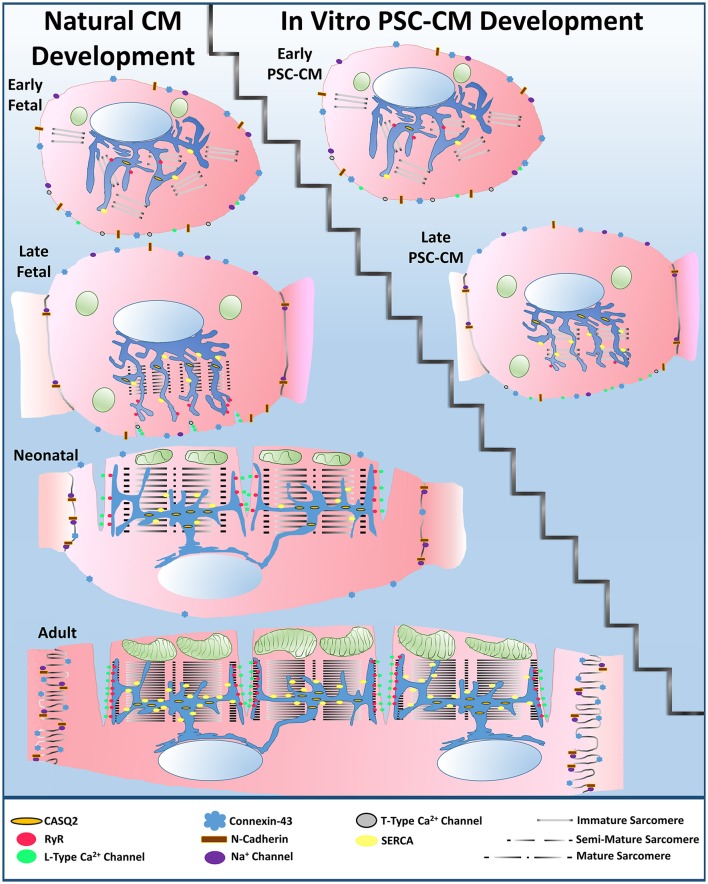
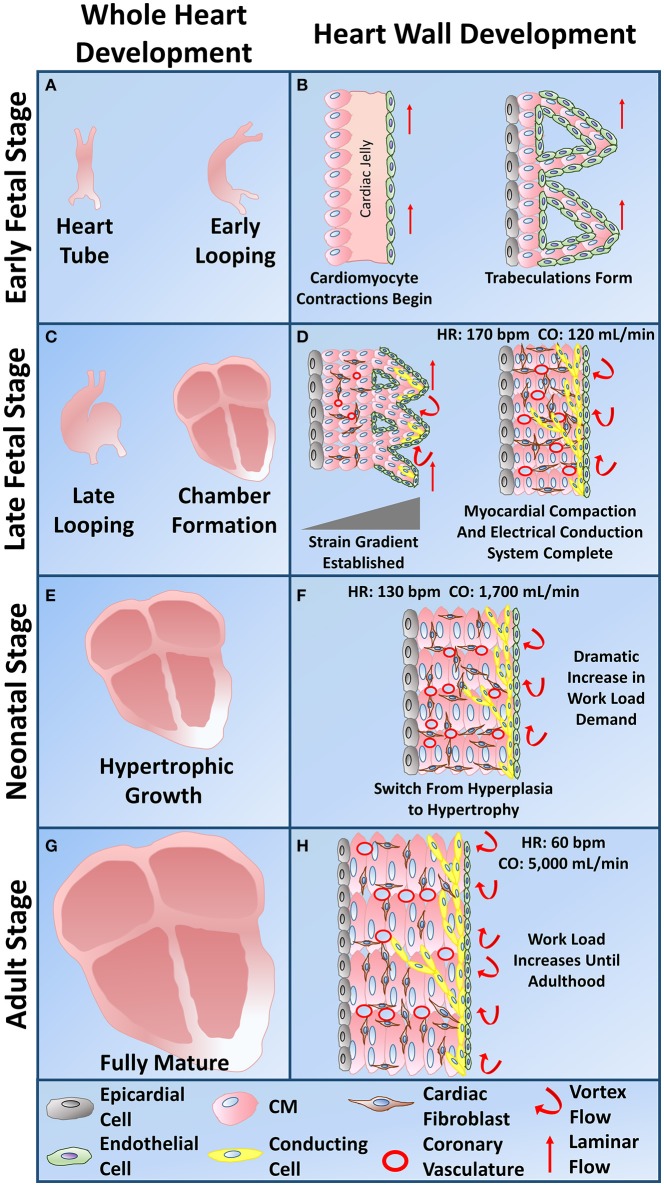
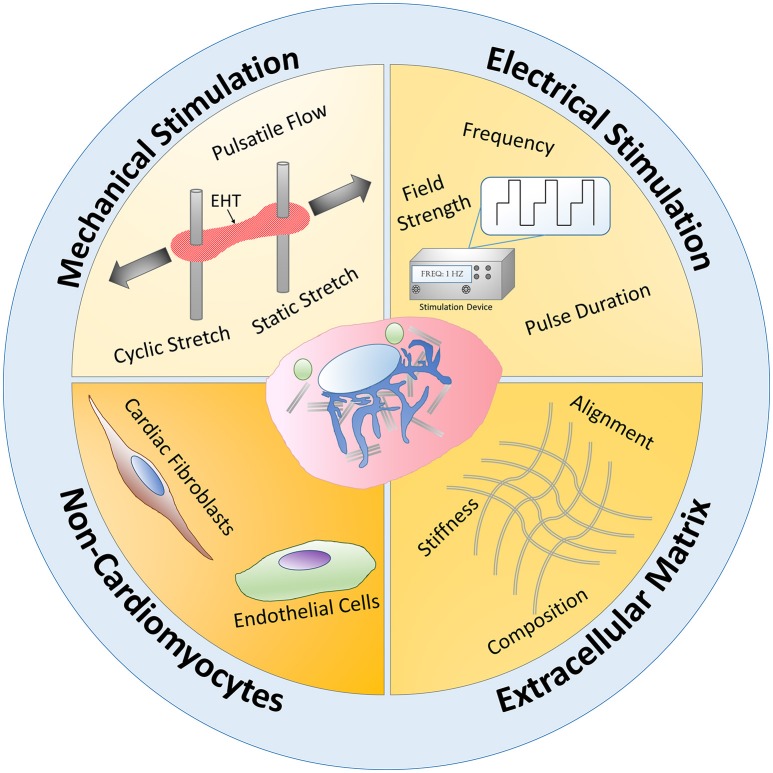
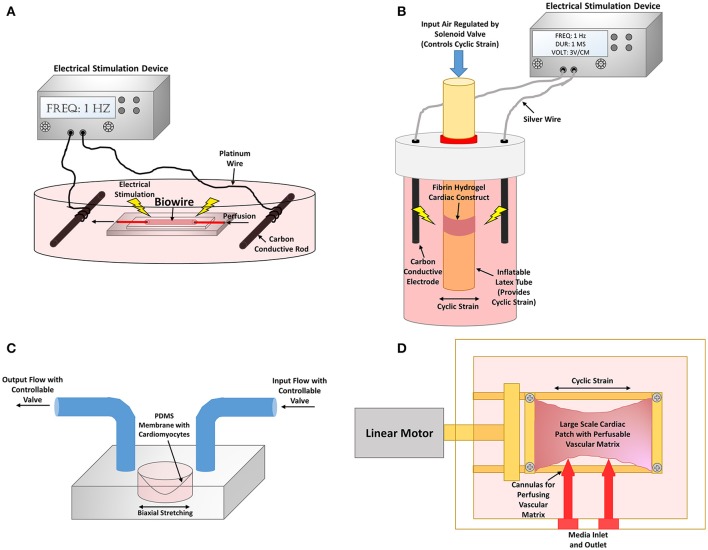
Ischemic heart disease remains one of the most prominent causes of mortalities worldwide with heart transplantation being the gold-standard treatment option. However, due to the major limitations associated with heart transplants, such as an inadequate supply and heart rejection, there remains a significant clinical need for a viable cardiac regenerative therapy to restore native myocardial function. Over the course of the previous several decades, researchers have made prominent advances in the field of cardiac regeneration with the creation of human pluripotent stem cell-derived cardiomyocyte tissue engineered constructs. However, these engineered constructs exhibit a functionally immature, disorganized, fetal-like phenotype that is not equivalent physiologically to native adult cardiac tissue. Due to this major limitation, many recent studies have investigated approaches to improve pluripotent stem cell-derived cardiomyocyte maturation to close this large functionality gap between engineered and native cardiac tissue. This review integrates the natural developmental mechanisms of cardiomyocyte structural and functional maturation. The variety of ways researchers have attempted to improve cardiomyocyte maturation by mimicking natural development, known as natural engineering, is readily discussed. The main focus of this review involves the synergistic role of electrical and mechanical stimulation, extracellular matrix interactions, and non-cardiomyocyte interactions in facilitating cardiomyocyte maturation. Overall, even with these current natural engineering approaches, pluripotent stem cell-derived cardiomyocytes within three-dimensional engineered heart tissue still remain mostly within the early to late fetal stages of cardiomyocyte maturity. Therefore, although the end goal is to achieve adult phenotypic maturity, more emphasis must be placed on elucidating how the fetal microenvironment drives cardiomyocyte maturation. This information can then be utilized to develop natural engineering approaches that can emulate this fetal microenvironment and thus make prominent progress in pluripotent stem cell-derived maturity toward a more clinically relevant model for cardiac regeneration.
缺血性心脏病仍然是全球最主要的死亡原因之一,心脏移植是其金标准治疗方案。然而,由于心脏移植存在诸多重大局限性,如供体不足和心脏排斥反应,临床上仍迫切需要一种可行的心脏再生疗法来恢复心肌的天然功能。在过去几十年中,研究人员通过创建人多能干细胞衍生的心肌细胞组织工程构建体,在心脏再生领域取得了显著进展。然而,这些工程构建体表现出功能不成熟、结构紊乱、类似胎儿的表型,在生理功能上与天然成年心脏组织并不等同。由于这一重大局限性,许多近期研究都在探索改善多能干细胞衍生心肌细胞成熟度的方法,以弥合工程化心脏组织与天然心脏组织之间巨大的功能差距。本综述整合了心肌细胞结构和功能成熟的自然发育机制,详细讨论了研究人员通过模拟自然发育来改善心肌细胞成熟度的各种方法,即所谓的自然工程。本综述的主要重点是电刺激和机械刺激、细胞外基质相互作用以及非心肌细胞相互作用在促进心肌细胞成熟过程中的协同作用。总体而言,即使采用当前这些自然工程方法,三维工程化心脏组织中的多能干细胞衍生心肌细胞大多仍处于心肌细胞成熟的早期到晚期胎儿阶段。因此,尽管最终目标是实现成年表型成熟,但必须更加注重阐明胎儿微环境如何驱动心肌细胞成熟。这些信息随后可用于开发能够模拟这种胎儿微环境的自然工程方法,从而在多能干细胞衍生的成熟度方面取得显著进展,朝着更具临床相关性的心脏再生模型迈进。