Bonnin Pierre, Kern Norbert, Young Neil T, Stansfield Ian, Romano M Carmen
Institute for Complex Systems and Mathematical Biology, Physics Department, University of Aberdeen, Aberdeen, UK.
Institute of Medical Sciences, University of Aberdeen, Foresterhill, Aberdeen, UK.
PLoS Comput Biol. 2017 May 30;13(5):e1005555. doi: 10.1371/journal.pcbi.1005555. eCollection 2017 May.
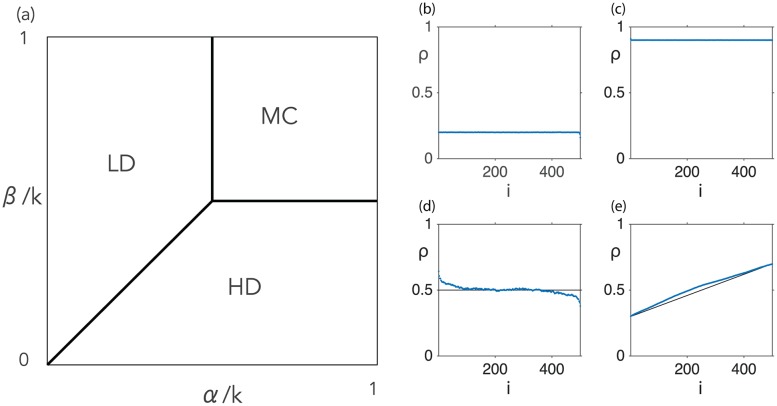
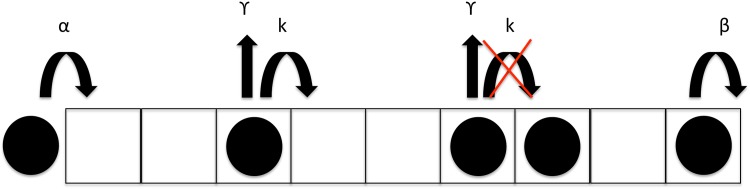
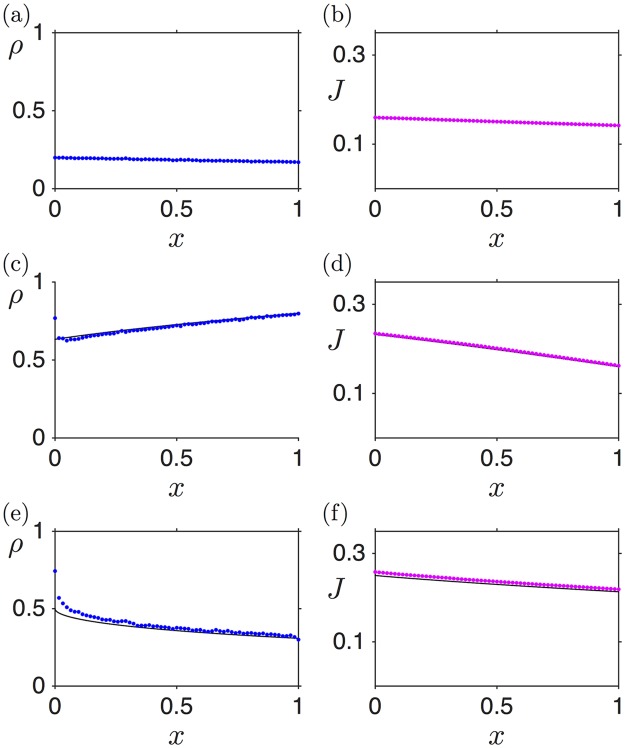
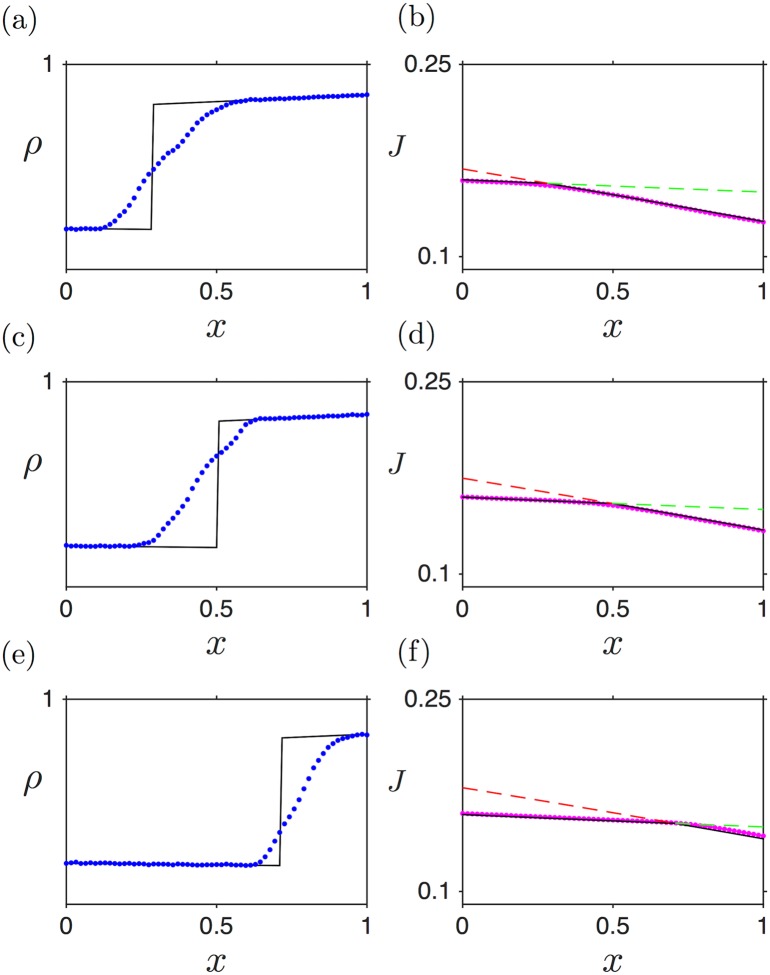
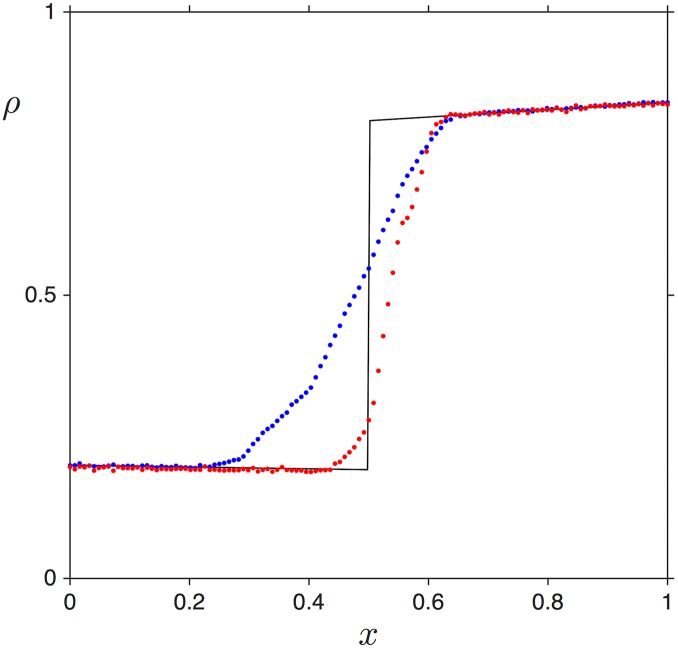
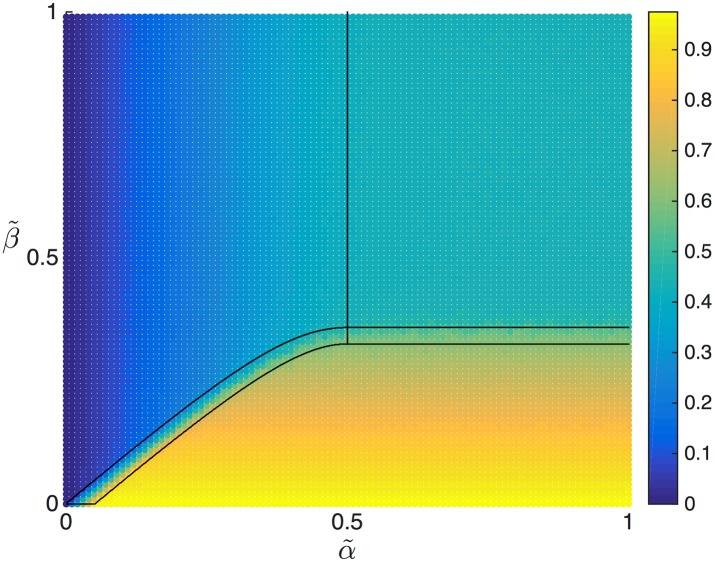
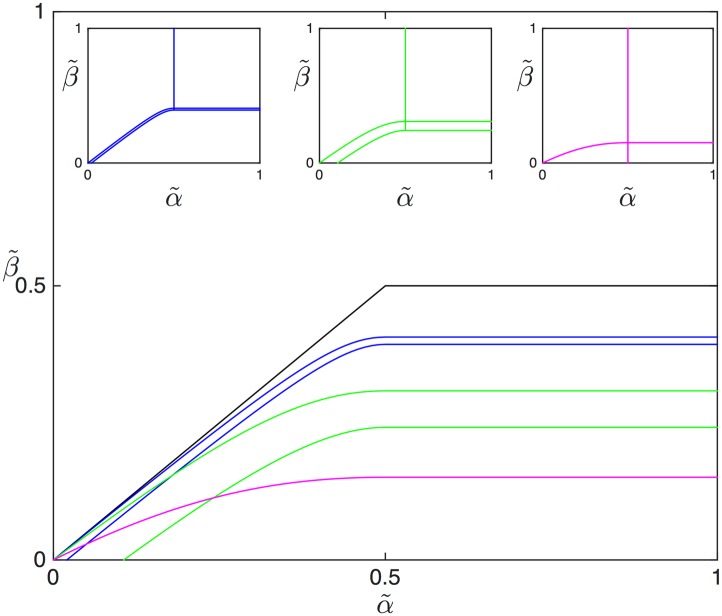
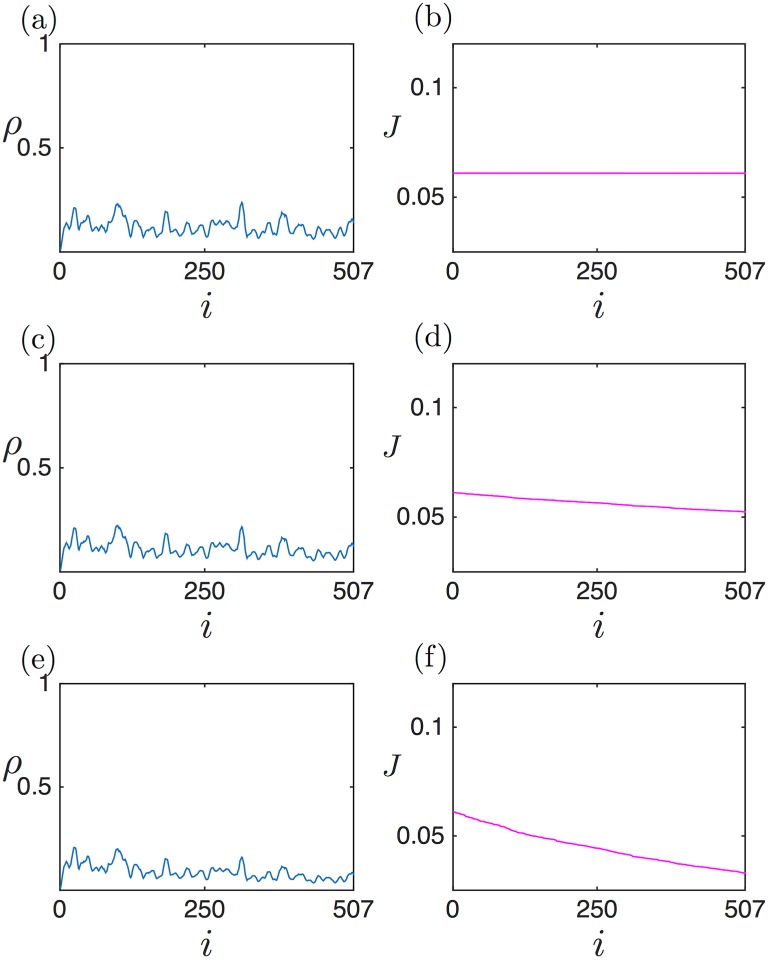
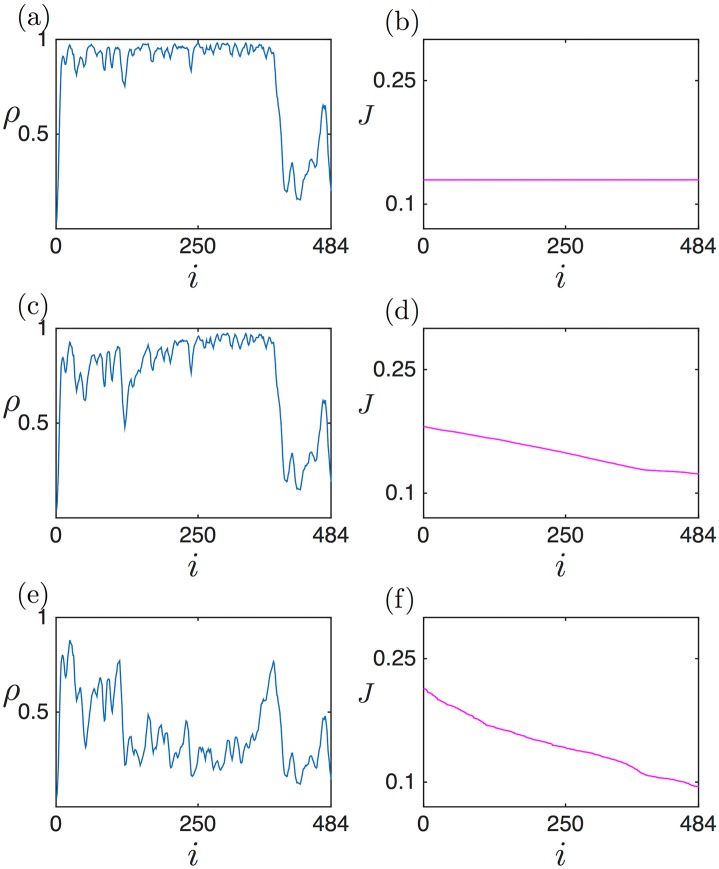
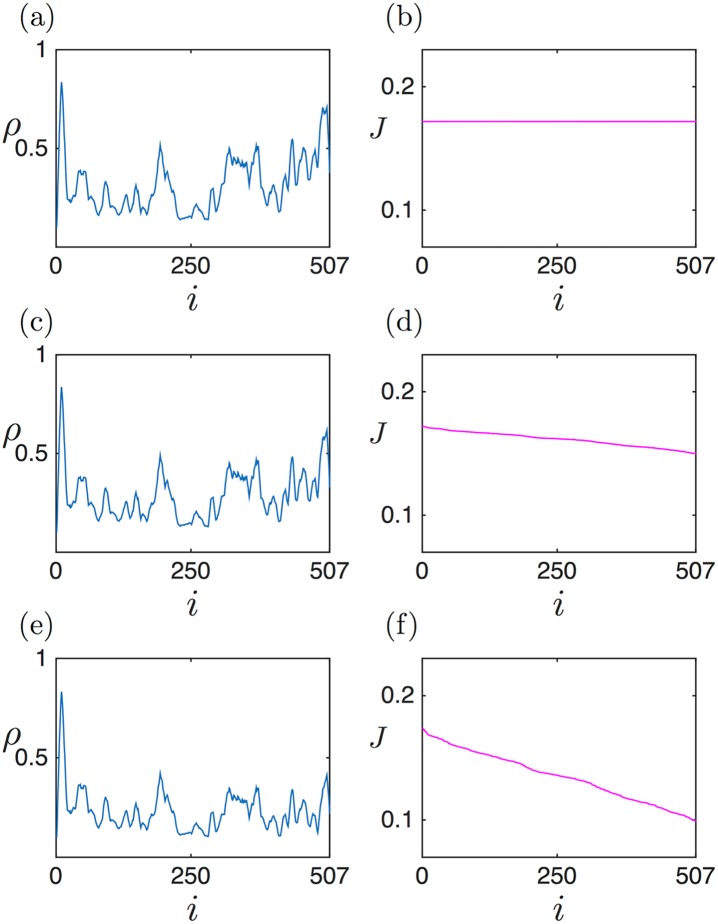
The well established phenomenon of ribosome drop-off plays crucial roles in translational accuracy and nutrient starvation responses during protein translation. When cells are under stress conditions, such as amino acid starvation or aminoacyl-tRNA depletion due to a high level of recombinant protein expression, ribosome drop-off can substantially affect the efficiency of protein expression. Here we introduce a mathematical model that describes the effects of ribosome drop-off on the ribosome density along the mRNA and on the concomitant protein synthesis rate. Our results show that ribosome premature termination may lead to non-intuitive ribosome density profiles, such as a ribosome density which increases from the 5' to the 3' end. Importantly, the model predicts that the effects of ribosome drop-off on the translation rate are mRNA-specific, and we quantify their resilience to drop-off, showing that the mRNAs which present ribosome queues are much less affected by ribosome drop-off than those which do not. Moreover, among those mRNAs that do not present ribosome queues, resilience to drop-off correlates positively with the elongation rate, so that sequences using fast codons are expected to be less affected by ribosome drop-off. This result is consistent with a genome-wide analysis of S. cerevisiae, which reveals that under favourable growth conditions mRNAs coding for proteins involved in the translation machinery, known to be highly codon biased and using preferentially fast codons, are highly resilient to ribosome drop-off. Moreover, in physiological conditions, the translation rate of mRNAs coding for regulatory, stress-related proteins, is less resilient to ribosome drop-off. This model therefore allows analysis of variations in the translational efficiency of individual mRNAs by accounting for the full range of known ribosome behaviours, as well as explaining mRNA-specific variations in ribosome density emerging from ribosome profiling studies.
核糖体脱落这一已被充分证实的现象在蛋白质翻译过程中的翻译准确性和营养饥饿反应中起着关键作用。当细胞处于应激条件下,如由于高水平重组蛋白表达导致的氨基酸饥饿或氨酰 - tRNA 耗竭时,核糖体脱落会显著影响蛋白质表达效率。在此,我们引入一个数学模型,该模型描述了核糖体脱落对沿 mRNA 的核糖体密度以及伴随的蛋白质合成速率的影响。我们的结果表明,核糖体过早终止可能导致非直观的核糖体密度分布,例如核糖体密度从 5' 端到 3' 端增加。重要的是,该模型预测核糖体脱落对翻译速率的影响是 mRNA 特异性的,并且我们量化了它们对脱落的恢复能力,表明存在核糖体队列的 mRNA 受核糖体脱落的影响远小于不存在核糖体队列的 mRNA。此外,在那些不存在核糖体队列的 mRNA 中,对脱落的恢复能力与延伸速率呈正相关,因此预计使用快速密码子的序列受核糖体脱落的影响较小。这一结果与酿酒酵母的全基因组分析一致,该分析表明在有利的生长条件下,编码参与翻译机制的蛋白质的 mRNA,已知具有高度的密码子偏好性且优先使用快速密码子,对核糖体脱落具有高度的恢复能力。此外,在生理条件下,编码调节性、应激相关蛋白质的 mRNA 的翻译速率对核糖体脱落的恢复能力较低。因此,该模型通过考虑所有已知的核糖体行为,允许分析单个 mRNA 翻译效率的变化,同时也解释了核糖体谱分析研究中出现的核糖体密度的 mRNA 特异性变化。