Department of Human Biology, Nutrition and Translational Research in Metabolism, Maastricht University Medical Centre+, Maastricht, The Netherlands.
Department of Work and Social Psychology, Maastricht University, P.O. Box 616, 6200 MD, Maastricht, The Netherlands.
Sports Med. 2017 Oct;47(10):2069-2081. doi: 10.1007/s40279-017-0748-5.
Overweightness and obesity represent a high burden on well-being and society. Strength training has positive effects on body composition and metabolic health for people who are overweight or obese. The evidence for psychological effects of strength exercises is unclear.
The aim of this study was to assess the psychological effects of strength exercises for people who are overweight or obese.
Relevant literature was identified by use of the PubMed and PsycINFO databases. For each study, effect sizes and corresponding variance estimates were extracted or calculated for the main effects of strength exercises on psychological outcomes.
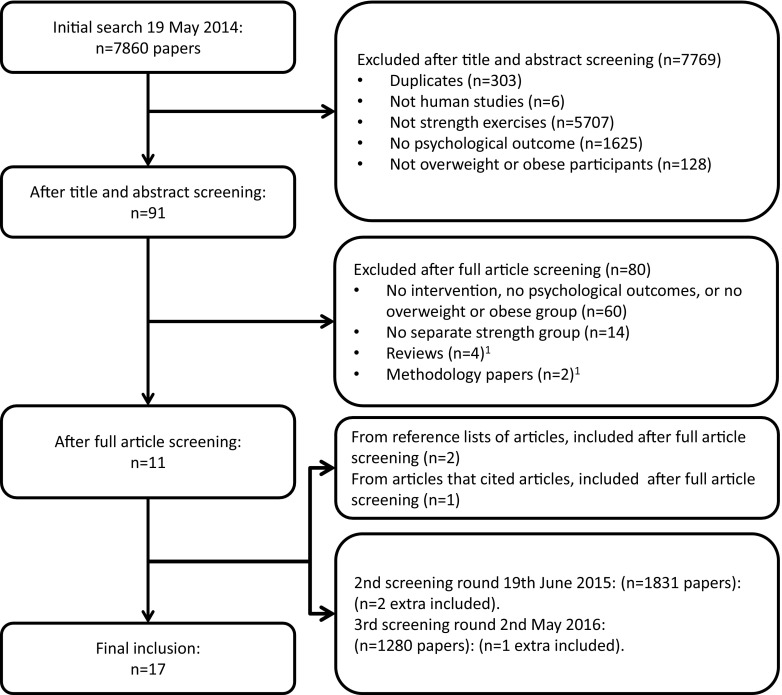
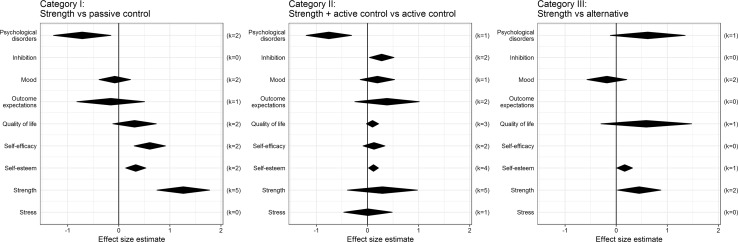
Seventeen studies were included. There was almost no overlap among the various measures of psychological constructs. The constructs were ordered into eight broad categories. Meta-analytical techniques revealed substantial heterogeneity in effect sizes, and combined with the low number of effect size estimates for each outcome measure, this precluded meta-analysis. Organization of the data showed that the evidence base so far does not show convincing effects of strength training on psychological outcome measures. Some weak effects emerged on self-efficacy, self-esteem, inhibition, and psychological disorders (e.g., anxiety and depression). No additional or comparable effects to other interventions were found for mood, outcome expectations, quality of life, and stress.
The main finding of this review is that despite a strong theoretical basis for expecting positive effects of strength training on psychological outcomes, the literature shows a large gap in this area. The existing research does not show a clear picture: some positive results might exist, but there is a strong need to accumulate more evidence before drawing conclusions.
超重和肥胖对幸福感和社会造成了沉重的负担。力量训练对超重或肥胖者的身体成分和代谢健康有积极影响。但对于力量练习的心理效应的证据还不清楚。
本研究旨在评估力量练习对超重或肥胖者的心理影响。
使用 PubMed 和 PsycINFO 数据库确定相关文献。对于每项研究,均提取或计算了力量练习对心理结果的主要影响的效应大小和相应的方差估计。
共纳入 17 项研究。各种心理结构的测量指标几乎没有重叠。这些结构被分为八个广泛的类别。荟萃分析技术显示效应大小存在很大的异质性,并且结合每个结果测量的效应大小估计数量较低,这排除了荟萃分析。数据分析表明,迄今为止,证据基础并未显示出力量训练对心理结果测量有令人信服的影响。在自我效能感、自尊、抑制和心理障碍(如焦虑和抑郁)方面出现了一些微弱的效果。在情绪、结果预期、生活质量和压力方面,没有发现与其他干预措施相比的额外或可比效果。
本综述的主要发现是,尽管有强有力的理论基础可以预期力量训练对心理结果有积极影响,但文献在这一领域存在很大差距。现有研究没有给出一个明确的结论:可能存在一些积极的结果,但在得出结论之前,需要积累更多的证据。