Lyu Yan, Pu Kanyi
School of Chemical and Biomedical Engineering Nanyang Technological University 70 Nanyang Drive Singapore 637457.
Adv Sci (Weinh). 2017 Feb 9;4(6):1600481. doi: 10.1002/advs.201600481. eCollection 2017 Jun.
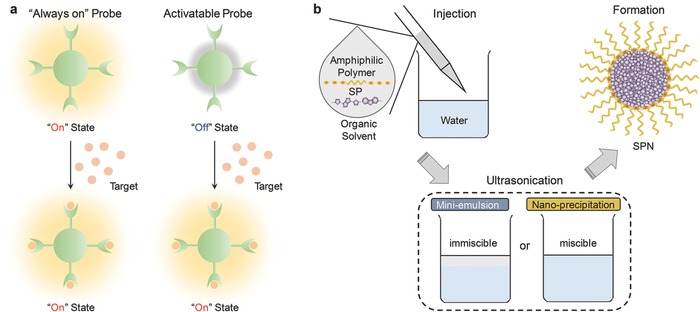
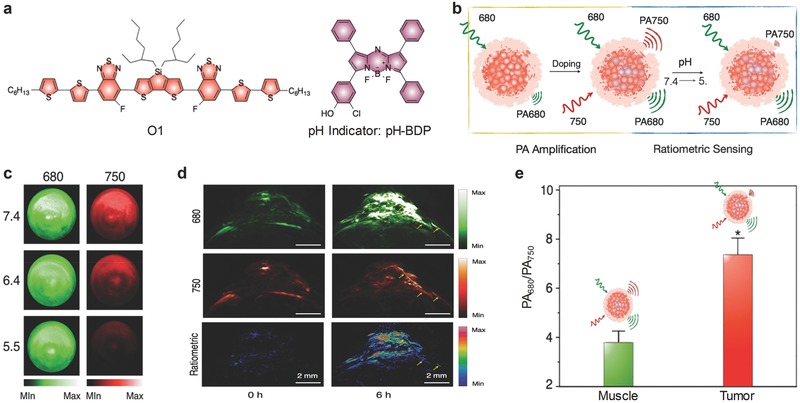
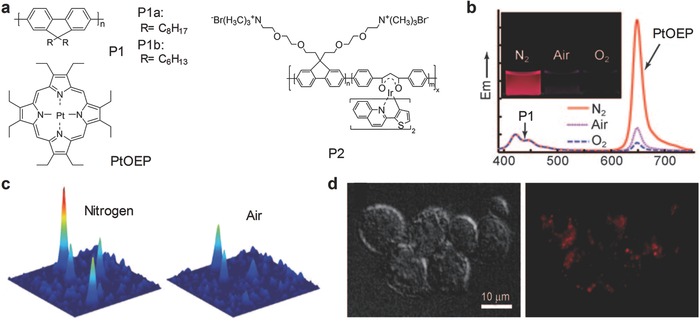
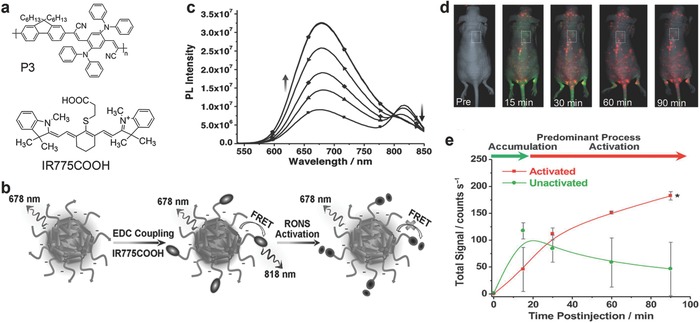
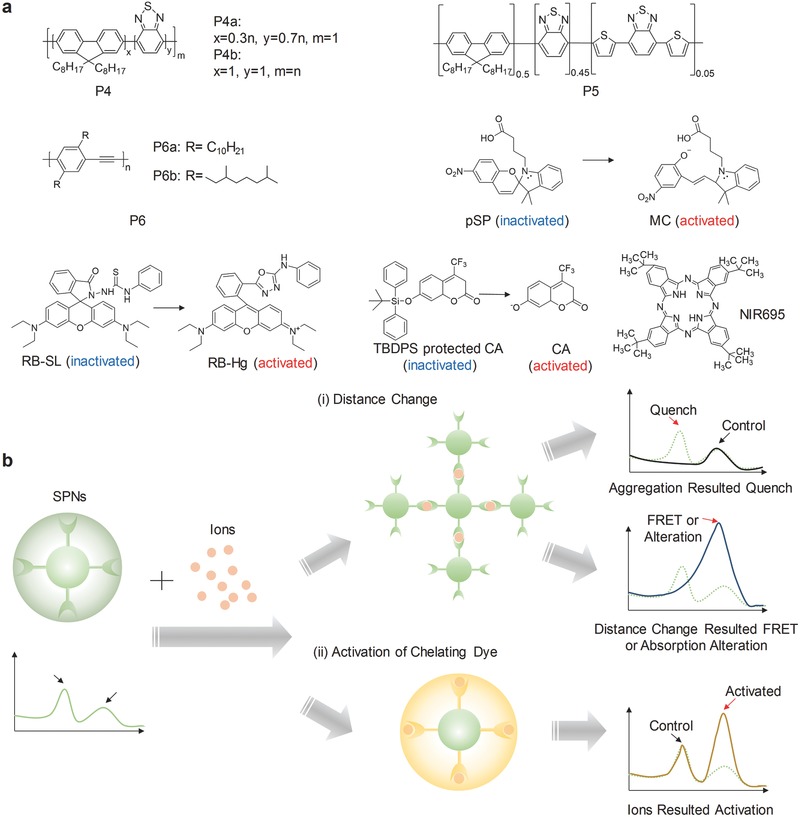
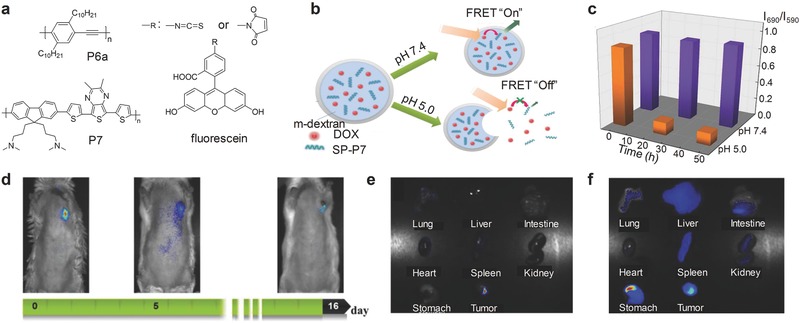
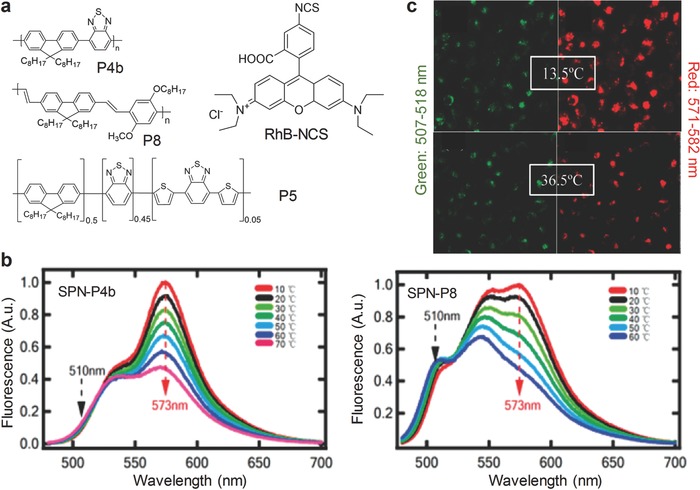
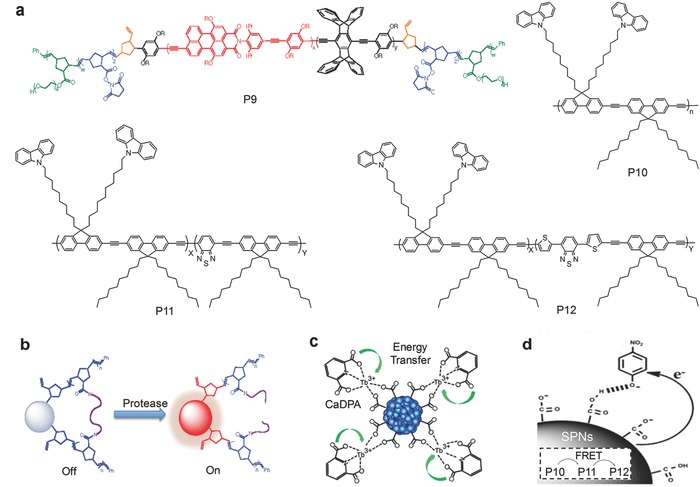
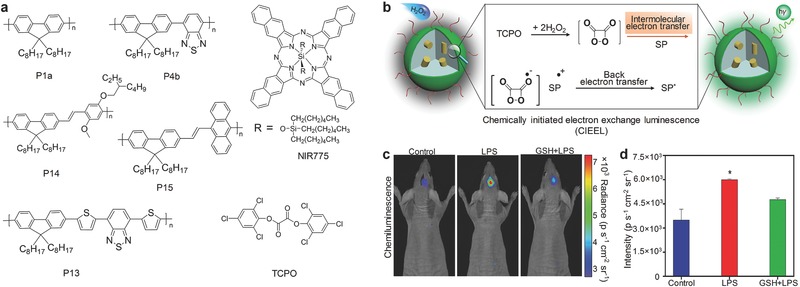
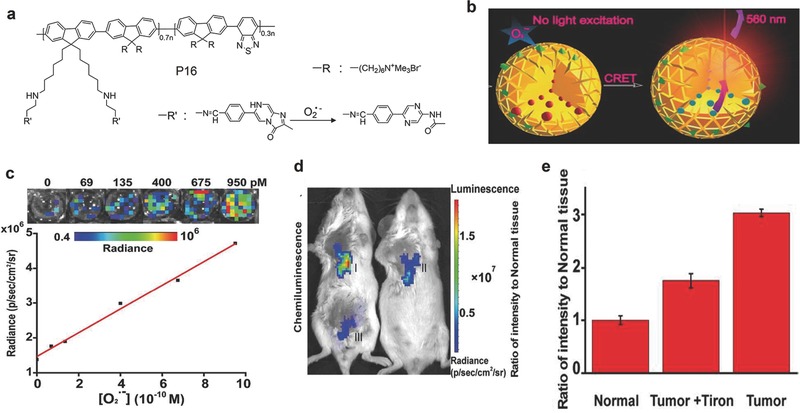
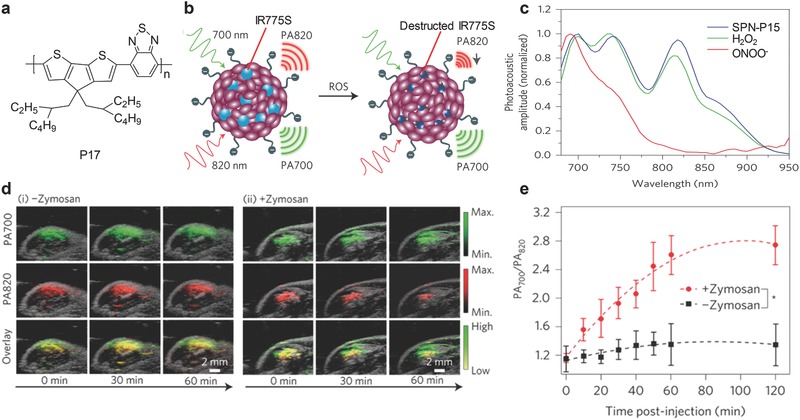
Molecular probes that change their signals in response to the target of interest have a critical role in fundamental biology and medicine. Semiconducting polymer nanoparticles (SPNs) have recently emerged as a new generation of purely organic photonic nanoagents with desirable properties for biological applications. In particular, tunable optical properties of SPNs allow them to be developed into photoluminescence, chemiluminescence, and photoacoustic probes, wherein SPNs usually serve as the energy donor and internal reference for luminescence and photoacoustic probes, respectively. Moreover, facile surface modification and intraparticle engineering provide the versatility to make them responsive to various biologically and pathologically important substances and indexes including small-molecule mediators, proteins, pH and temperature. This article focuses on recent advances in the development of SPN-based activatable molecular probes for sensing and imaging. The designs and applications of these probes are discussed in details, and the present challenges to further advance them into life science are also analyzed.
能够根据目标物质改变信号的分子探针在基础生物学和医学中发挥着关键作用。半导体聚合物纳米颗粒(SPN)最近作为新一代纯有机光子纳米试剂出现,具有适用于生物应用的理想特性。特别是,SPN的可调光学特性使其能够被开发成光致发光、化学发光和光声探针,其中SPN通常分别作为发光和光声探针的能量供体和内部参考。此外,简便的表面修饰和颗粒内工程提供了多功能性,使它们能够对包括小分子介质、蛋白质、pH值和温度在内的各种生物学和病理学重要物质及指标做出响应。本文重点介绍基于SPN的可激活分子探针在传感和成像方面的最新进展。详细讨论了这些探针的设计和应用,并分析了将它们进一步推进到生命科学领域目前面临的挑战。