Dallimore Thom, Hunter Tony, Medlock Jolyon M, Vaux Alexander G C, Harbach Ralph E, Strode Clare
Department of Biology, Edge Hill University, St. Helens Road, Ormskirk, Lancashire, L39 4QP, UK.
Zoology Department, World Museum Liverpool, William Brown Street, Liverpool, L3 8EN, UK.
Parasit Vectors. 2017 Jun 24;10(1):309. doi: 10.1186/s13071-017-2251-0.
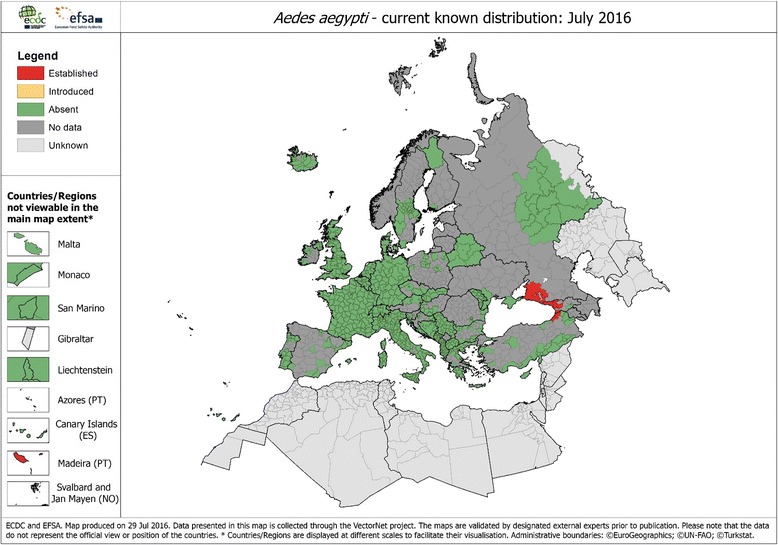
The mosquito Aedes aegypti (L.) is found in tropical and sub-tropical regions where it is the major vector of dengue fever, yellow fever, chikungunya and more recently Zika virus. Given its importance as a vector of arboviruses and its propensity to be transported to new regions, the European Centre for Disease Prevention and Control (ECDC) has placed Ae. aegypti on a list of potentially invasive mosquito species. It was previously reported in the United Kingdom (UK) in 1865 and 1919 but did not establish on either occasion. It is now beginning to reappear in European countries and has been recorded in the Netherlands (not established) and Madeira (Portugal), as well as southern Russia, Georgia and Turkey.
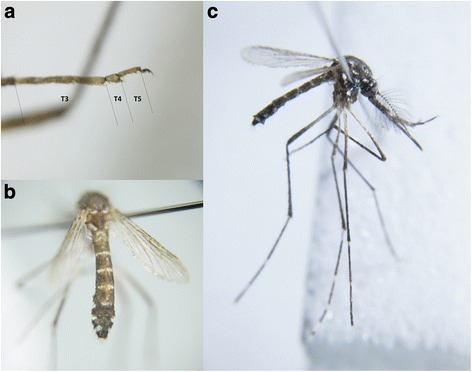
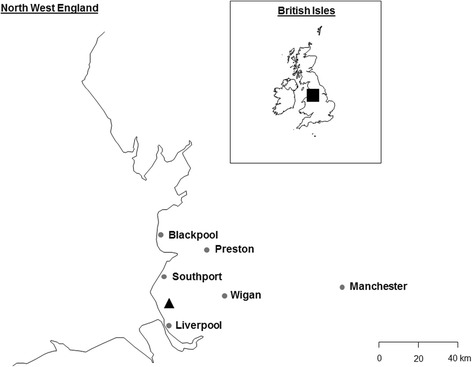
During summer 2014, a single male Ae. aegypti was captured during mosquito collections in north-western England using a sweep net. Morphological identification complimented by sequencing of the ITS2 rDNA, and cox1 mtDNA regions, confirmed the species. Following confirmation, a programme of targeted surveillance was implemented around the collection site by first identifying potential larval habitats in greenhouses, a cemetery, a farm and industrial units. Despite intensive surveillance around the location, no other Ae. aegypti specimens were collected using a combination of sweep netting, larval dipping, mosquito magnets, BG sentinel traps and ovitraps. All species collected were native to the UK.
The finding of the single male Ae. aegypti, while significant, presents no apparent disease risk to public health, and the follow-up survey suggests that there was no established population. However, this report does highlight the need for vigilance and robust surveillance, and the requirement for procedures to be in place to investigate such findings.
埃及伊蚊分布于热带和亚热带地区,是登革热、黄热病、基孔肯雅热以及最近的寨卡病毒的主要传播媒介。鉴于其作为虫媒病毒传播媒介的重要性以及易于传播到新地区的特性,欧洲疾病预防控制中心(ECDC)已将埃及伊蚊列入潜在入侵蚊种名单。此前在1865年和1919年英国曾有过埃及伊蚊的报道,但均未形成种群。现在它开始在欧洲国家重新出现,已在荷兰(未形成种群)、马德拉群岛(葡萄牙)以及俄罗斯南部、格鲁吉亚和土耳其被记录到。
2014年夏季,在英格兰西北部进行蚊虫采集时,用扫网捕获了一只雄性埃及伊蚊。通过对ITS2核糖体DNA和细胞色素氧化酶亚基1线粒体DNA区域进行测序,并辅以形态学鉴定,证实了该物种。确认后,在采集地点周围实施了有针对性的监测计划,首先在温室、墓地、农场和工业单位中识别潜在的幼虫栖息地。尽管在该地点周围进行了密集监测,但使用扫网、幼虫浸渍、诱蚊器、BG诱蚊笼和诱蚊产卵器等组合方法,未采集到其他埃及伊蚊标本。所有采集到的物种均原产于英国。
发现这只雄性埃及伊蚊虽然意义重大,但对公众健康未构成明显的疾病风险,后续调查表明未形成种群。然而,本报告确实强调了保持警惕和进行有力监测的必要性,以及制定调查此类发现的程序的要求。