Ducray Angélique D, Felser Andrea, Zielinski Jana, Bittner Aniela, Bürgi Julia V, Nuoffer Jean-Marc, Frenz Martin, Mevissen Meike
Division of Pharmacology and Toxicology, Vetsuisse Faculty, University of Bern, Laenggassstrasse 124, 3012, Bern, Switzerland.
Institute of Clinical Chemistry, University Hospital Bern, 3010, Bern, Switzerland.
J Nanobiotechnology. 2017 Jul 4;15(1):49. doi: 10.1186/s12951-017-0284-3.
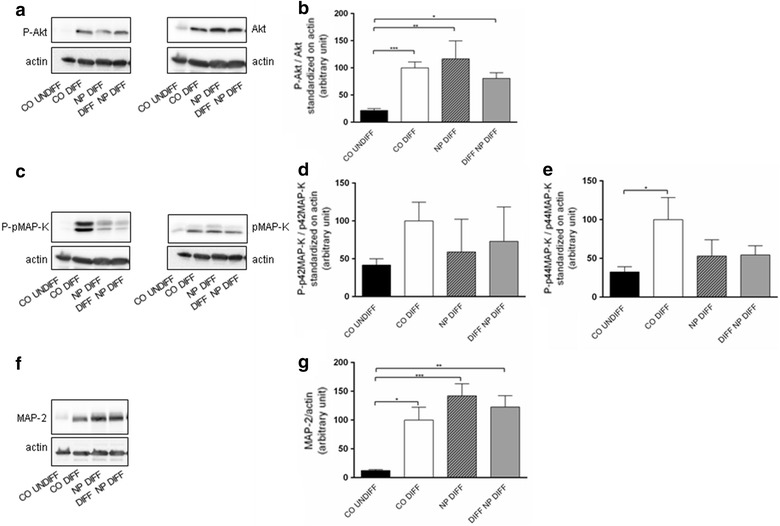
Nanomedicine offers a promising tool for therapies of brain diseases, but potential effects on neuronal health and neuronal differentiation need to be investigated to assess potential risks. The aim of this study was to investigate effects of silica-indocyanine green/poly (ε-caprolactone) nanoparticles (PCL-NPs) engineered for laser tissue soldering in the brain before and during differentiation of SH-SY5Y cells. Considering adaptations in mitochondrial homeostasis during neuronal differentiation, metabolic effects of PCL-NP exposure before and during neuronal differentiation were studied. In addition, kinases of the PI3 kinase (PI3-K/Akt) and the MAP kinase (MAP-K/ERK) pathways related to neuronal differentiation and mitochondrial function were investigated.
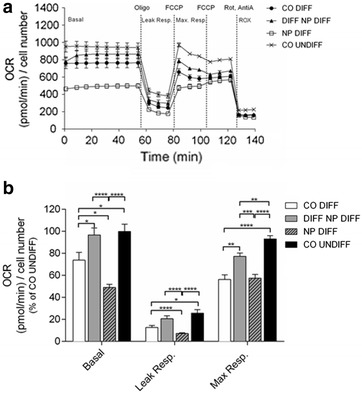
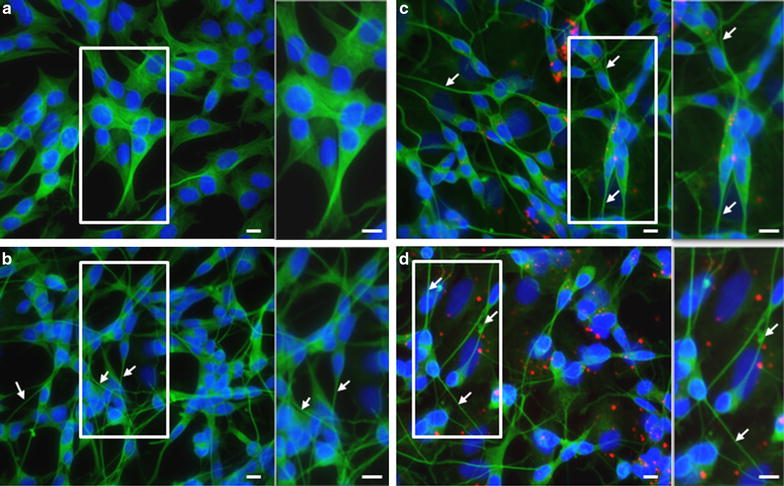
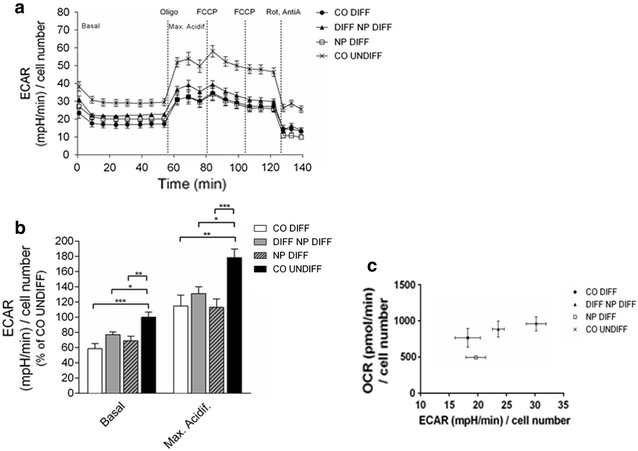
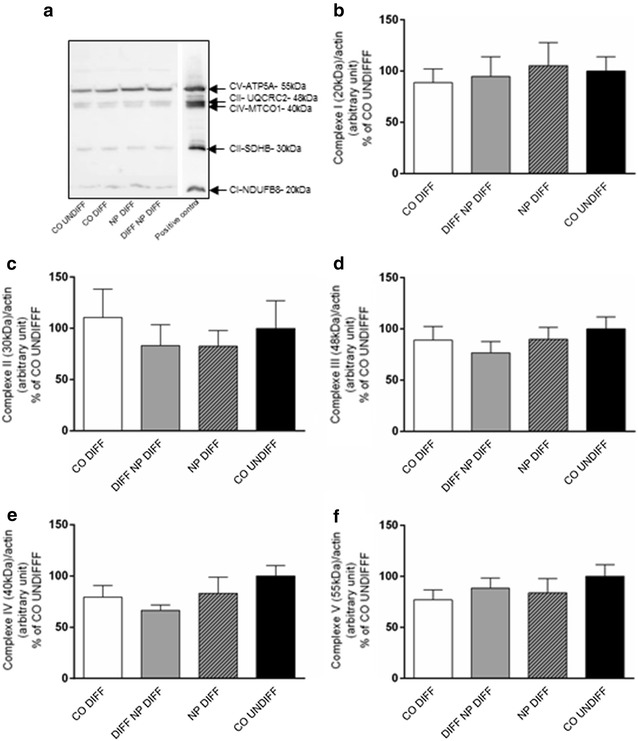
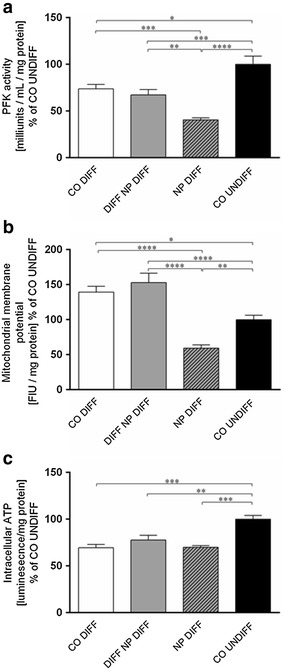
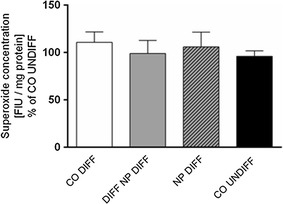
Differentiation resulted in a decrease in the cellular respiration rate and the extracellular acidification rate (ECAR). PCL-NP exposure impaired mitochondrial function depending on the time of exposure. The cellular respiration rate was significantly reduced compared to differentiated controls when PCL-NPs were given before differentiation. The shift in ECAR was less pronounced in PCL-NP exposure during differentiation. Differentiation and PCL-NP exposure had no effect on expression levels and the enzymatic activity of respiratory chain complexes. The activity of the glycolytic enzyme phosphofructokinase was significantly reduced after differentiation with the effect being more pronounced after PCL-NP exposure before differentiation. The increase in mitochondrial membrane potential observed after differentiation was not found in SH-SY5Y cells exposed to PCL-NPs before differentiation. The cellular adenosine triphosphate (ATP) production significantly dropped during differentiation, and this effect was independent of the PCL-NP exposure. Differentiation and nanoparticle exposure had no effect on superoxide levels at the endpoint of the experiments. A slight decrease in the expression of the neuronal differentiation markers was found after PCL-NP exposure, but no morphological variation was observed.
PCL-NP exposure affects mitochondrial function depending on the time of exposure before and during neuronal differentiation. PCL-NP exposure during differentiation was associated with impaired mitochondrial function, which may affect differentiation. Considering the importance of adaptations in cellular respiration for neuronal differentiation and function, further studies are needed to unravel the underlying mechanisms and consequences to assess the possible risks including neurodegeneration.
纳米医学为脑部疾病的治疗提供了一种有前景的工具,但需要研究其对神经元健康和神经元分化的潜在影响,以评估潜在风险。本研究的目的是调查用于脑部激光组织焊接的二氧化硅 - 吲哚菁绿/聚(ε - 己内酯)纳米颗粒(PCL - NPs)在SH - SY5Y细胞分化之前和期间对其的影响。考虑到神经元分化过程中线粒体稳态的适应性变化,研究了PCL - NP暴露在神经元分化之前和期间的代谢效应。此外,还研究了与神经元分化和线粒体功能相关的PI3激酶(PI3 - K/Akt)和MAP激酶(MAP - K/ERK)途径的激酶。
分化导致细胞呼吸速率和细胞外酸化速率(ECAR)降低。PCL - NP暴露对线粒体功能的损害取决于暴露时间。在分化前给予PCL - NPs时,与分化对照组相比,细胞呼吸速率显著降低。在分化期间PCL - NP暴露时,ECAR的变化不太明显。分化和PCL - NP暴露对呼吸链复合物的表达水平和酶活性没有影响。分化后糖酵解酶磷酸果糖激酶的活性显著降低,在分化前PCL - NP暴露后这种影响更明显。分化后观察到的线粒体膜电位增加在分化前暴露于PCL - NPs的SH - SY5Y细胞中未发现。细胞三磷酸腺苷(ATP)产量在分化期间显著下降,且这种影响与PCL - NP暴露无关。分化和纳米颗粒暴露在实验终点对超氧化物水平没有影响。PCL - NP暴露后发现神经元分化标志物的表达略有下降,但未观察到形态学变化。
PCL - NP暴露对线粒体功能的影响取决于在神经元分化之前和期间的暴露时间。分化期间的PCL - NP暴露与线粒体功能受损有关,这可能会影响分化。考虑到细胞呼吸适应性对神经元分化和功能的重要性,需要进一步研究以阐明潜在机制和后果,以评估包括神经退行性变在内的可能风险。