Le Roy Julien, Blervacq Anne-Sophie, Créach Anne, Huss Brigitte, Hawkins Simon, Neutelings Godfrey
University of Lille, CNRS, UMR 8576 - UGSF - Unité de Glycobiologie Structurale et Fonctionnelle, F-59000, Lille, France.
BMC Plant Biol. 2017 Jul 14;17(1):124. doi: 10.1186/s12870-017-1072-9.
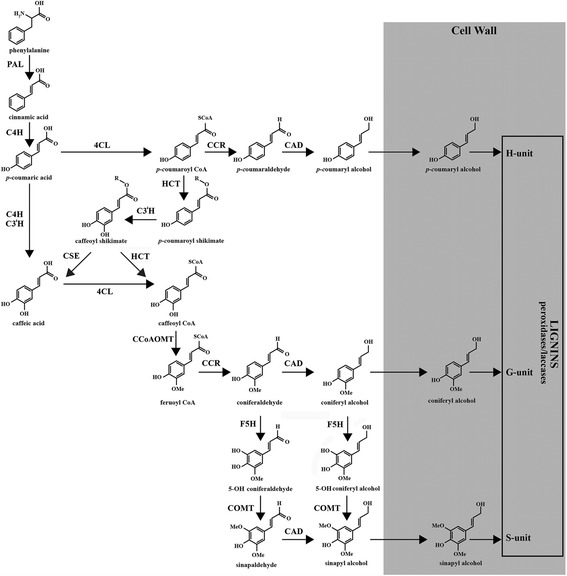
Bast fibres are characterized by very thick secondary cell walls containing high amounts of cellulose and low lignin contents in contrast to the heavily lignified cell walls typically found in the xylem tissues. To improve the quality of the fiber-based products in the future, a thorough understanding of the main cell wall polymer biosynthetic pathways is required. In this study we have carried out a characterization of the genes involved in lignin biosynthesis in flax along with some of their regulation mechanisms.
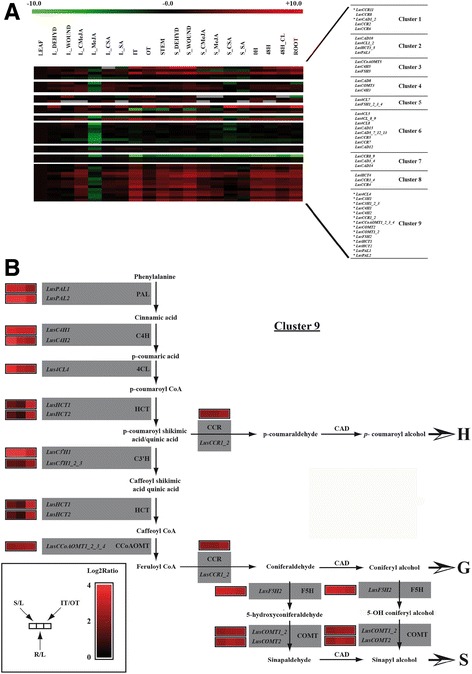
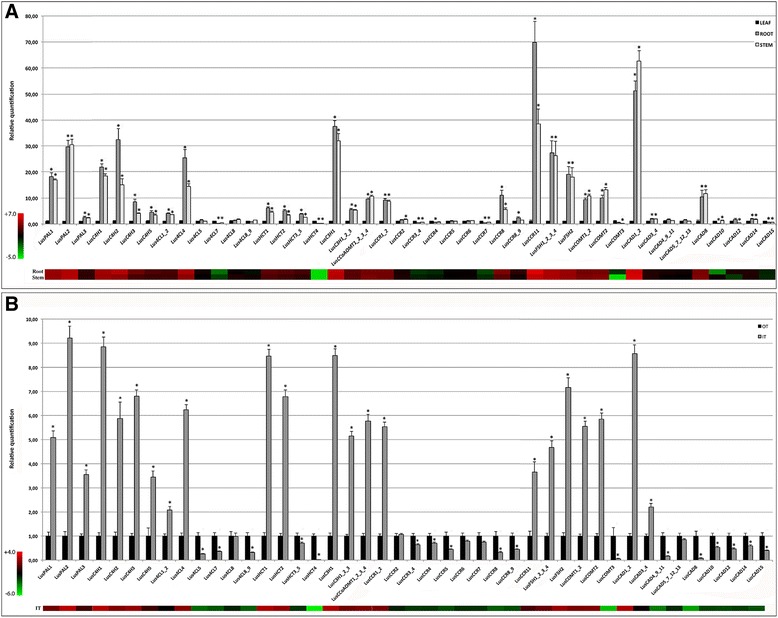
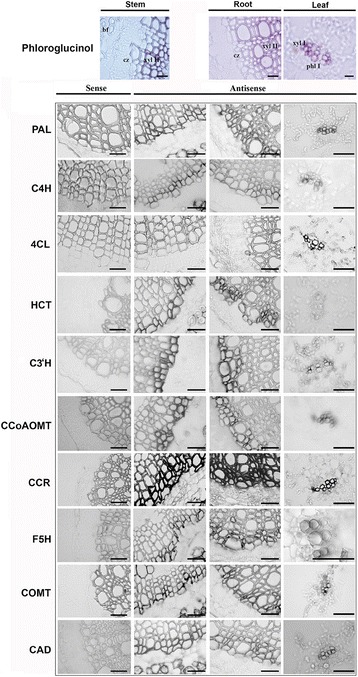
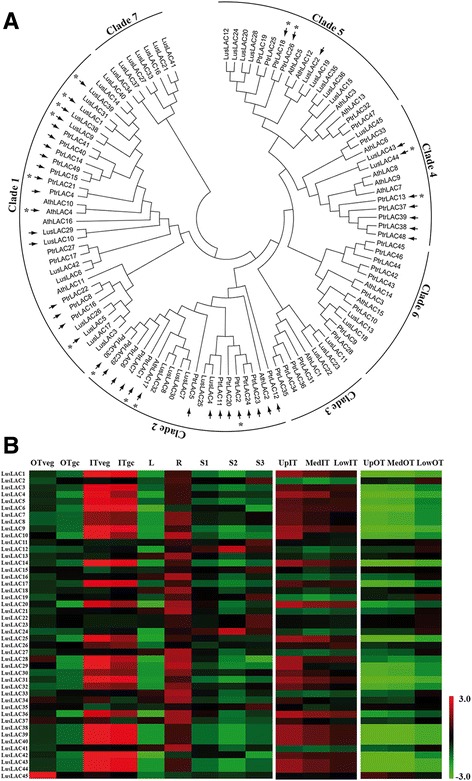
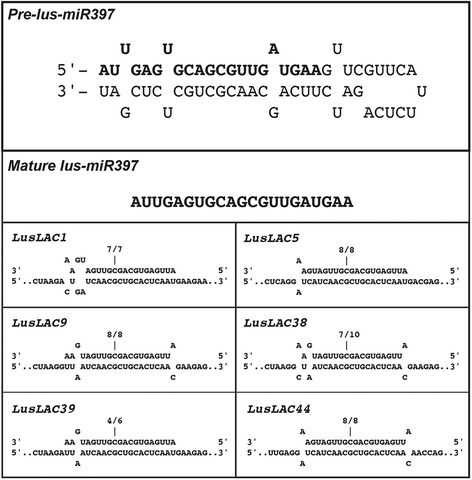
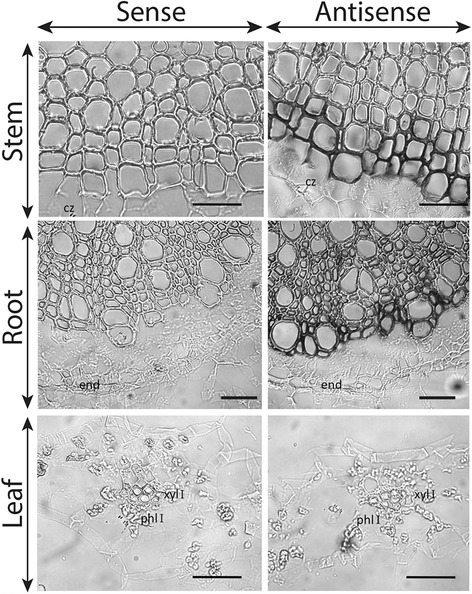
We have first identified the members of the phenylpropanoid gene families through a combination of in silico approaches. The more specific lignin genes were further characterized by high throughput transcriptomic approaches in different organs and physiological conditions and their cell/tissue expression was localized in the stems, roots and leaves. Laccases play an important role in the polymerization of monolignols. This multigenic family was determined and a miRNA was identified to play a role in the posttranscriptional regulation by cleaving the transcripts of some specific genes shown to be expressed in lignified tissues. In situ hybridization also showed that the miRNA precursor was expressed in the young xylem cells located near the vascular cambium. The results obtained in this work also allowed us to determine that most of the genes involved in lignin biosynthesis are included in a unique co-expression cluster and that MYB transcription factors are potentially good candidates for regulating these genes.
Target engineering of cell walls to improve plant product quality requires good knowledge of the genes responsible for the production of the main polymers. For bast fiber plants such as flax, it is important to target the correct genes from the beginning since the difficulty to produce transgenic material does not make possible to test a large number of genes. Our work determined which of these genes could be potentially modified and showed that it was possible to target different regulatory pathways to modify lignification.
韧皮纤维的特征是次生细胞壁非常厚,含有大量纤维素且木质素含量低,这与木质部组织中典型的高度木质化细胞壁形成对比。为了在未来提高基于纤维的产品质量,需要深入了解主要细胞壁聚合物的生物合成途径。在本研究中,我们对亚麻中参与木质素生物合成的基因及其一些调控机制进行了表征。
我们首先通过多种计算机方法组合鉴定了苯丙烷类基因家族的成员。通过高通量转录组学方法在不同器官和生理条件下对更特异的木质素基因进行了进一步表征,其细胞/组织表达定位在茎、根和叶中。漆酶在单体木质醇的聚合中起重要作用。确定了这个多基因家族,并鉴定出一种miRNA通过切割一些在木质化组织中表达的特定基因的转录本在转录后调控中发挥作用。原位杂交还表明,miRNA前体在位于维管形成层附近的幼嫩木质部细胞中表达。本研究获得的结果还使我们能够确定,大多数参与木质素生物合成的基因包含在一个独特的共表达簇中,并且MYB转录因子可能是调控这些基因的良好候选者。
对细胞壁进行靶向工程以提高植物产品质量需要充分了解负责主要聚合物生产的基因。对于亚麻等韧皮纤维植物,从一开始就靶向正确的基因很重要,因为生产转基因材料的困难使得无法测试大量基因。我们的工作确定了这些基因中哪些可能被潜在修饰,并表明有可能靶向不同的调控途径来改变木质化。