Zhang Zhijun, Guan Yijia, Li Meng, Zhao Andong, Ren Jinsong, Qu Xiaogang
Laboratory of Chemical Biology and Division of Biological Inorganic Chemistry , State Key Laboratory of Rare Earth Resource Utilization , Changchun Institute of Applied Chemistry , University of Chinese Academy of Sciences , Changchun Institute of Applied Chemistry , Chinese Academy of Sciences , Changchun , Jilin 130022 , China . Email:
Chem Sci. 2015 May 1;6(5):2822-2826. doi: 10.1039/c5sc00489f. Epub 2015 Feb 23.
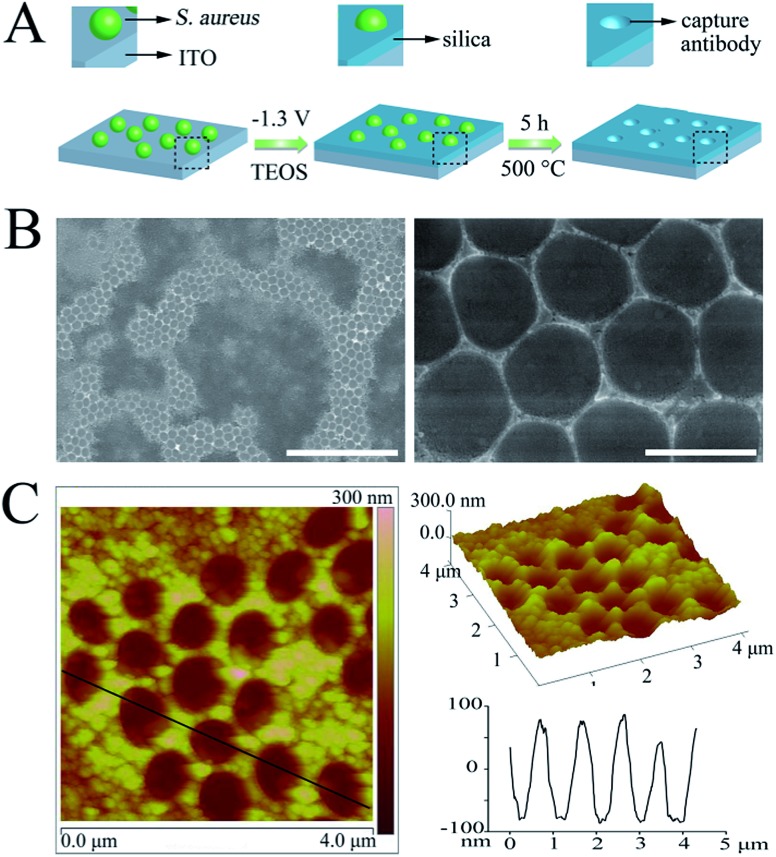
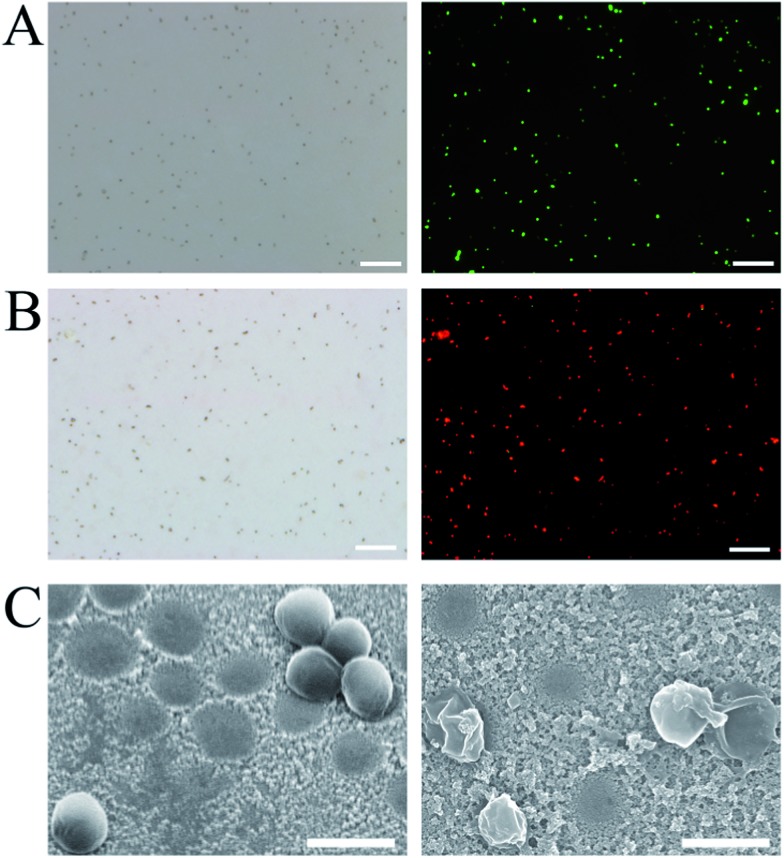
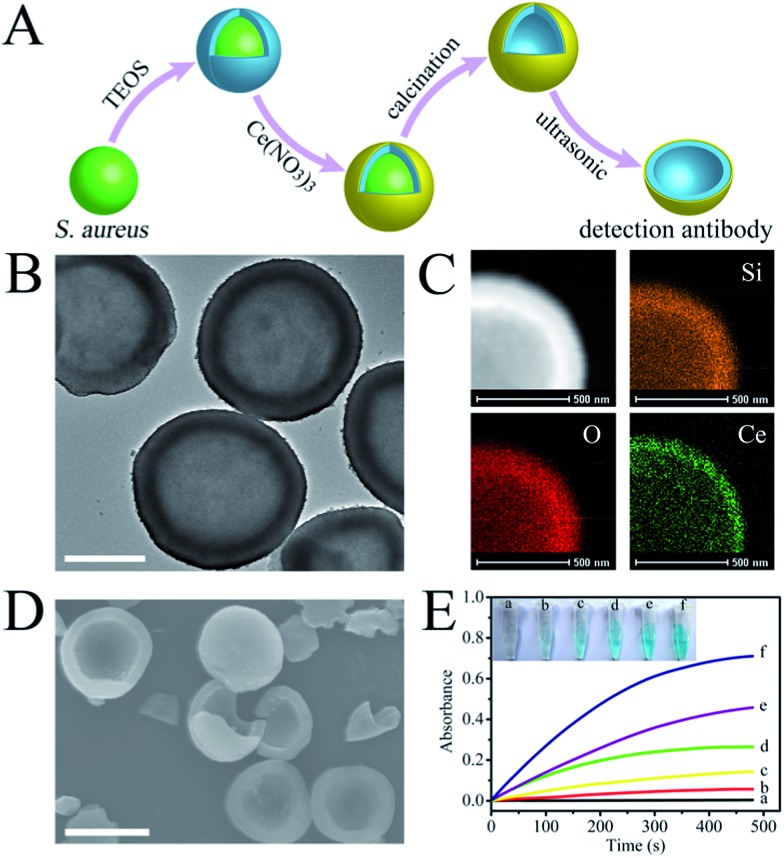
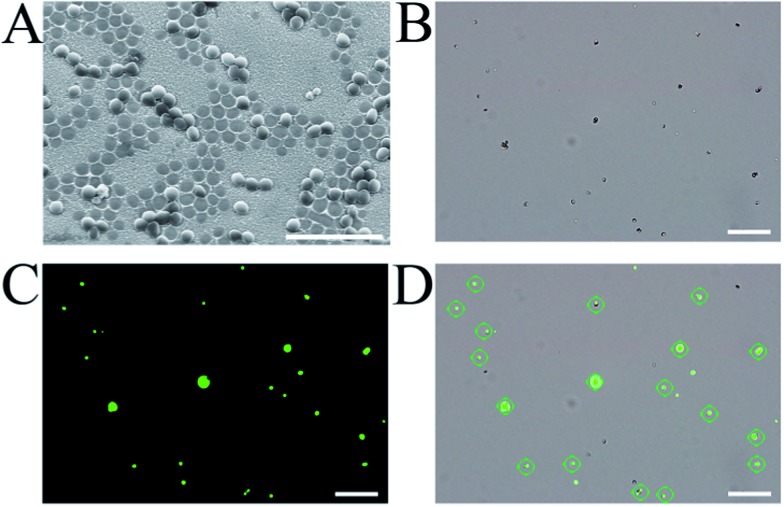
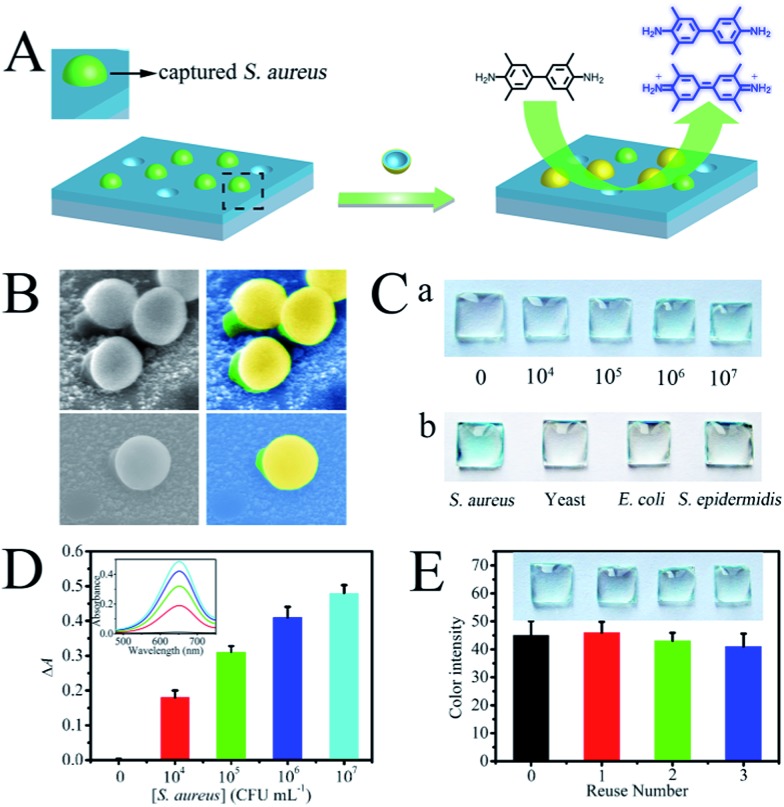
Sandwich ELISA methods have been widely used for biomarker and pathogen detection because of their high specificity and sensitivity. However, the main drawbacks of this assay are the cost, the time-consuming procedure for the isolation of antibodies and their poor stability. To overcome these restrictions, we herein fabricated artificial antibodies based on imprinting technology and developed a sandwich ELISA for pathogen detection. Both the capture and detection antibodies were obtained an method, with simplicity, rapidity and low cost. The peroxidase mimics, the CeO nanoparticles, as signal generators were integrated with the detection antibody. The fabricated artificial antibodies exhibited not only natural antibody-like binding affinities and selectivities, but also superior stability and reusability. The detection limit was about 500 CFU mL, which is much lower than that of traditional ELISA methods (10 to 10 CFU mL). Furthermore, the capture antibody can disinfect pathogens .
夹心酶联免疫吸附测定(ELISA)方法因其高特异性和灵敏度而被广泛用于生物标志物和病原体检测。然而,该检测方法的主要缺点是成本高、抗体分离过程耗时且稳定性差。为了克服这些限制,我们在此基于印迹技术制备了人工抗体,并开发了一种用于病原体检测的夹心ELISA。捕获抗体和检测抗体均通过一种方法获得,具有简单、快速和低成本的特点。将过氧化物酶模拟物CeO纳米颗粒作为信号发生器与检测抗体整合。制备的人工抗体不仅表现出类似天然抗体的结合亲和力和选择性,还具有卓越的稳定性和可重复使用性。检测限约为500 CFU/mL,远低于传统ELISA方法(10⁶至10⁷ CFU/mL)。此外,捕获抗体可以对病原体进行消毒。