Hamblin Michael R
Wellman Center for Photomedicine, Massachusetts General Hospital, BAR414, 40 Blossom Street, Boston, MA 02114, USA.
Department of Dermatology, Harvard Medical School, Boston, MA 02115, USA.
AIMS Biophys. 2017;4(3):337-361. doi: 10.3934/biophy.2017.3.337. Epub 2017 May 19.
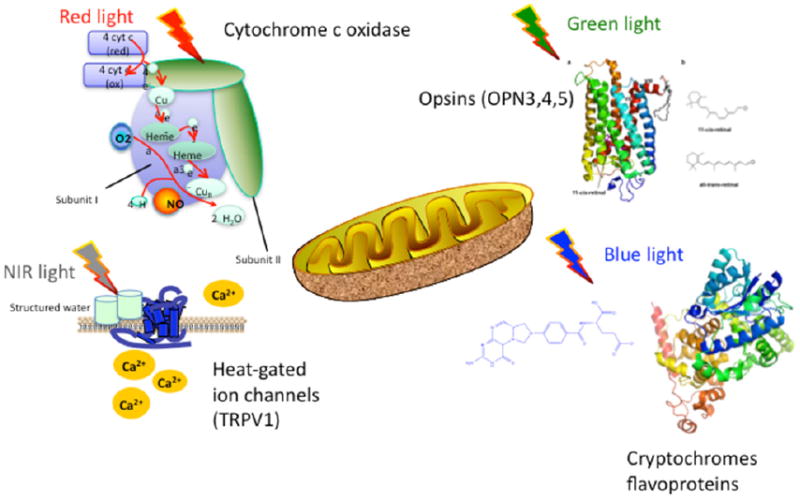
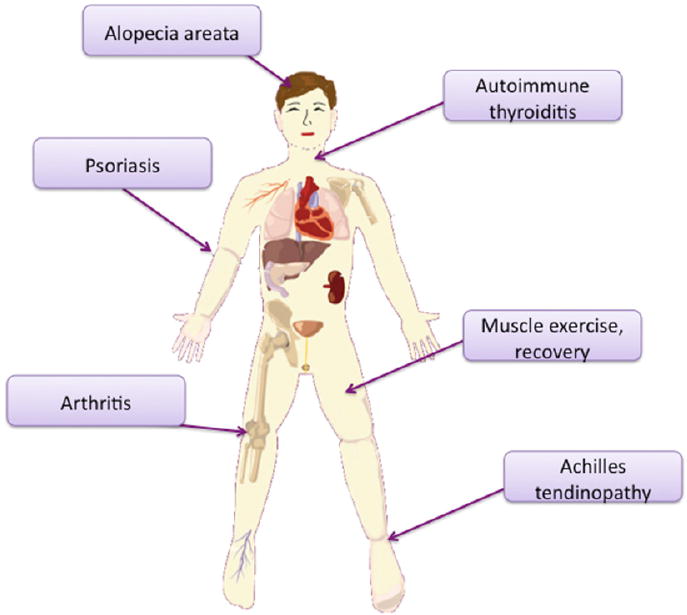
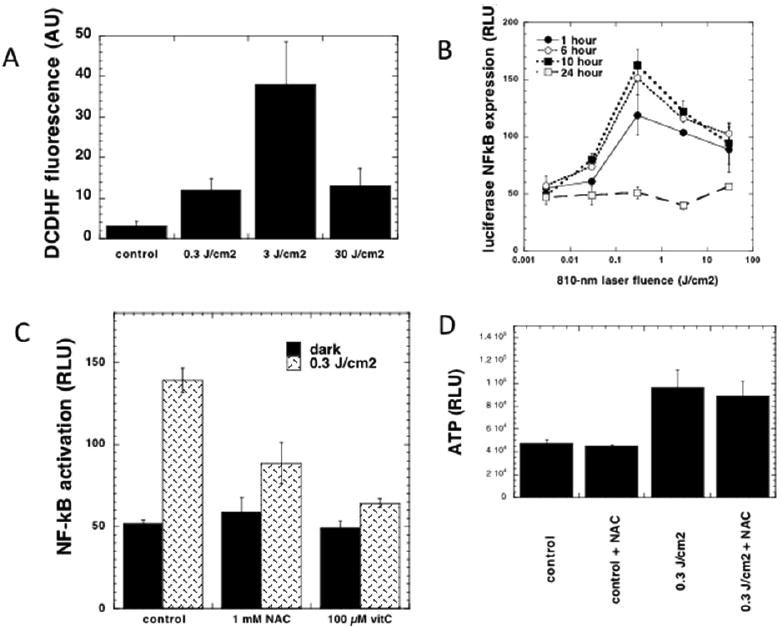
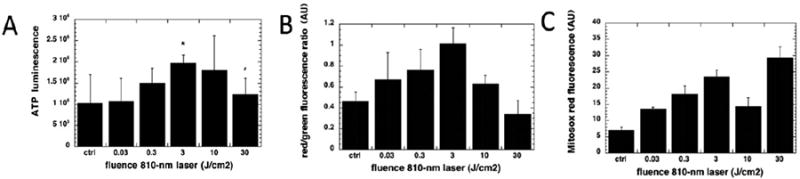
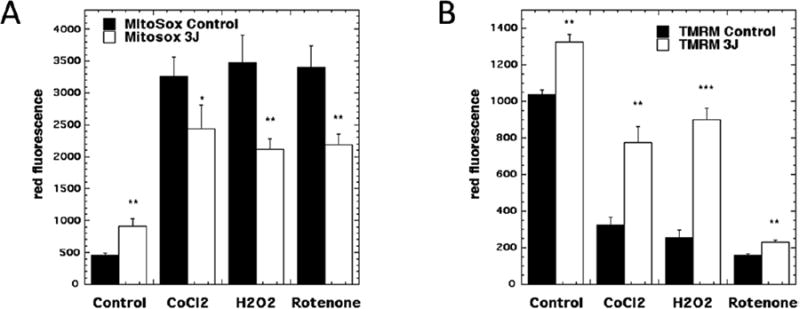
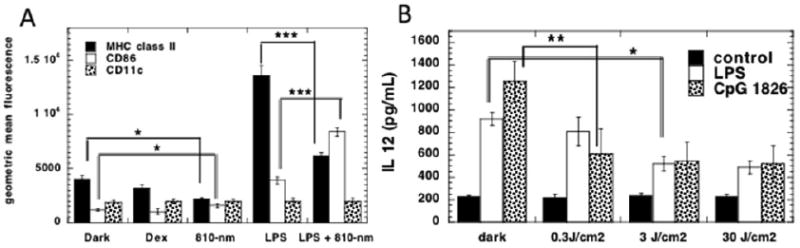
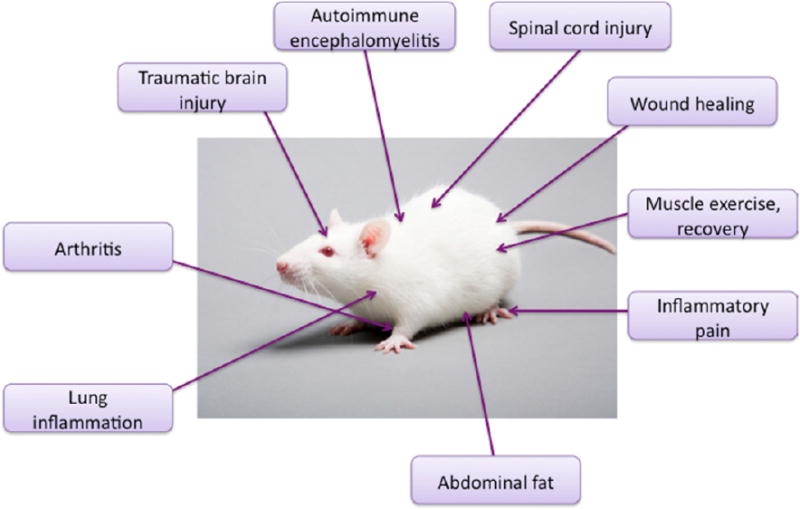
Photobiomodulation (PBM) also known as low-level level laser therapy is the use of red and near-infrared light to stimulate healing, relieve pain, and reduce inflammation. The primary chromophores have been identified as cytochrome c oxidase in mitochondria, and calcium ion channels (possibly mediated by light absorption by opsins). Secondary effects of photon absorption include increases in ATP, a brief burst of reactive oxygen species, an increase in nitric oxide, and modulation of calcium levels. Tertiary effects include activation of a wide range of transcription factors leading to improved cell survival, increased proliferation and migration, and new protein synthesis. There is a pronounced biphasic dose response whereby low levels of light have stimulating effects, while high levels of light have inhibitory effects. It has been found that PBM can produce ROS in normal cells, but when used in oxidatively stressed cells or in animal models of disease, ROS levels are lowered. PBM is able to up-regulate anti-oxidant defenses and reduce oxidative stress. It was shown that PBM can activate NF-kB in normal quiescent cells, however in activated inflammatory cells, inflammatory markers were decreased. One of the most reproducible effects of PBM is an overall reduction in inflammation, which is particularly important for disorders of the joints, traumatic injuries, lung disorders, and in the brain. PBM has been shown to reduce markers of M1 phenotype in activated macrophages. Many reports have shown reductions in reactive nitrogen species and prostaglandins in various animal models. PBM can reduce inflammation in the brain, abdominal fat, wounds, lungs, spinal cord.
光生物调节作用(PBM),也被称为低强度激光疗法,是利用红光和近红外光来促进愈合、缓解疼痛和减轻炎症。主要发色团已被确定为线粒体中的细胞色素c氧化酶以及钙离子通道(可能由视蛋白吸收光介导)。光子吸收的次要效应包括三磷酸腺苷(ATP)增加、活性氧的短暂爆发、一氧化氮增加以及钙水平的调节。三级效应包括激活多种转录因子,从而改善细胞存活、增加增殖和迁移以及促进新蛋白质合成。存在明显的双相剂量反应,即低水平的光具有刺激作用,而高水平的光具有抑制作用。已经发现PBM可在正常细胞中产生活性氧,但在氧化应激细胞或疾病动物模型中使用时,活性氧水平会降低。PBM能够上调抗氧化防御并减轻氧化应激。研究表明,PBM可在正常静止细胞中激活核因子-κB(NF-κB),然而在活化的炎症细胞中,炎症标志物会减少。PBM最具重复性的作用之一是整体减轻炎症,这对于关节疾病、创伤性损伤、肺部疾病和脑部疾病尤为重要。PBM已被证明可减少活化巨噬细胞中M1表型的标志物。许多报告显示,在各种动物模型中,活性氮物质和前列腺素减少。PBM可减轻大脑、腹部脂肪、伤口、肺部、脊髓的炎症。