McKinnon Peter J
Department of Genetics, St Jude Children's Research Hospital, Memphis, Tennessee 38105, USA.
Genes Dev. 2017 Jun 15;31(12):1180-1194. doi: 10.1101/gad.301325.117.
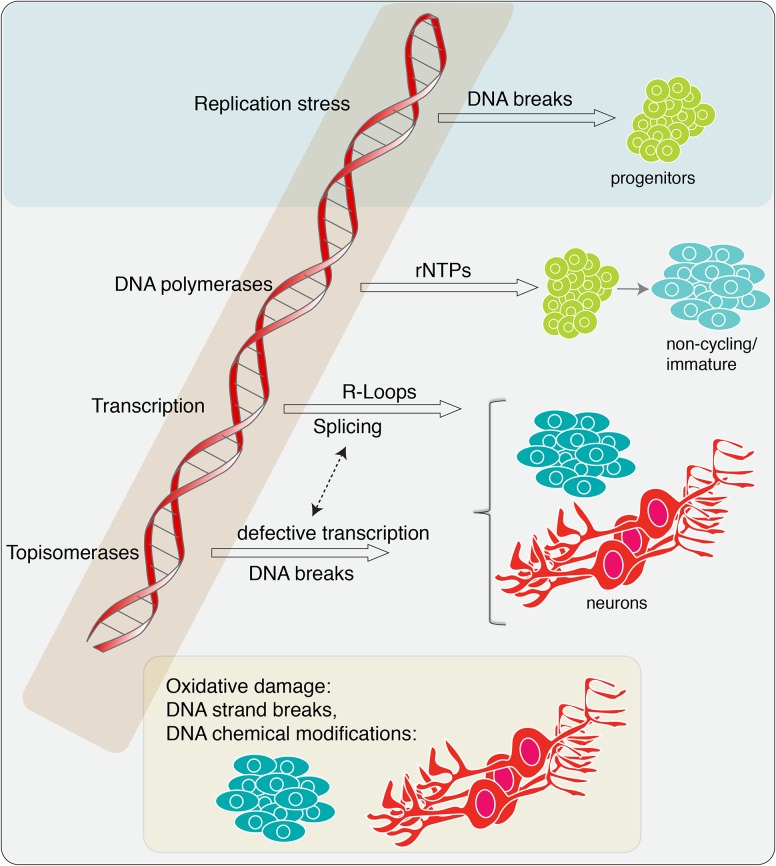
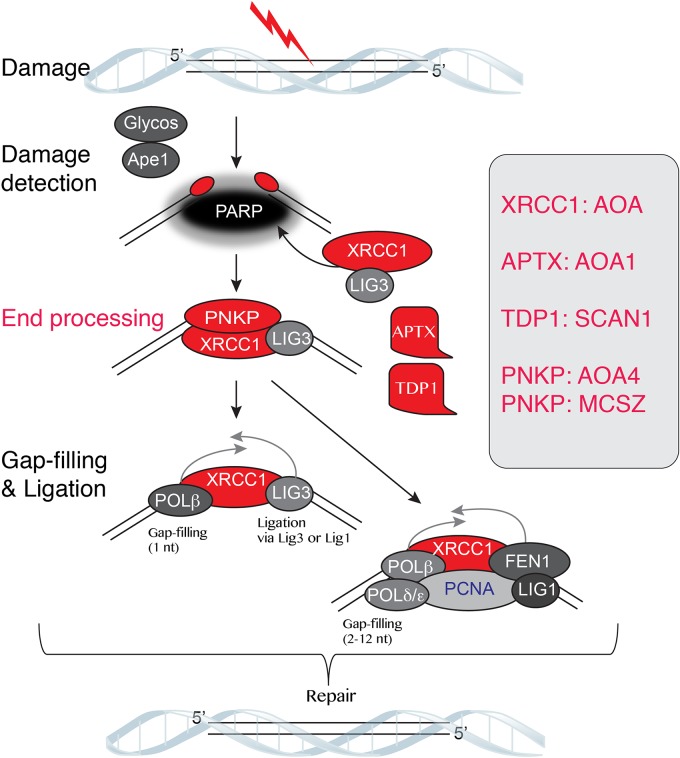
Multiple DNA repair pathways maintain genome stability and ensure that DNA remains essentially unchanged over the life of a cell. Various human diseases occur if DNA repair is compromised, and most of these impact the nervous system, in some cases exclusively. However, it is often unclear what specific endogenous damage underpins disease pathology. Generally, the types of causative DNA damage are associated with replication, transcription, or oxidative metabolism; other direct sources of endogenous lesions may arise from aberrant topoisomerase activity or ribonucleotide incorporation into DNA. This review focuses on the etiology of DNA damage in the nervous system and the genome stability pathways that prevent human neurologic disease.
多种DNA修复途径维持基因组稳定性,并确保DNA在细胞生命周期内基本保持不变。如果DNA修复受损,就会发生各种人类疾病,其中大多数会影响神经系统,在某些情况下甚至只会影响神经系统。然而,通常不清楚是哪种特定的内源性损伤导致了疾病病理。一般来说,致病性DNA损伤的类型与复制、转录或氧化代谢有关;内源性损伤的其他直接来源可能来自异常的拓扑异构酶活性或核糖核苷酸掺入DNA。本综述重点关注神经系统中DNA损伤的病因以及预防人类神经疾病的基因组稳定性途径。