Zoerle Tommaso, Carbonara Marco, Zanier Elisa R, Ortolano Fabrizio, Bertani Giulio, Magnoni Sandra, Stocchetti Nino
Fondazione IRCCS Ca' Granda-Ospedale Maggiore Policlinico, Department of Anesthesia and Critical Care, Neuroscience Intensive Care Unit, Milan, Italy.
Department of Neuroscience, IRCCS - Istituto di Ricerche Farmacologiche Mario Negri, Milano, Italy.
Front Neurol. 2017 Jul 24;8:354. doi: 10.3389/fneur.2017.00354. eCollection 2017.
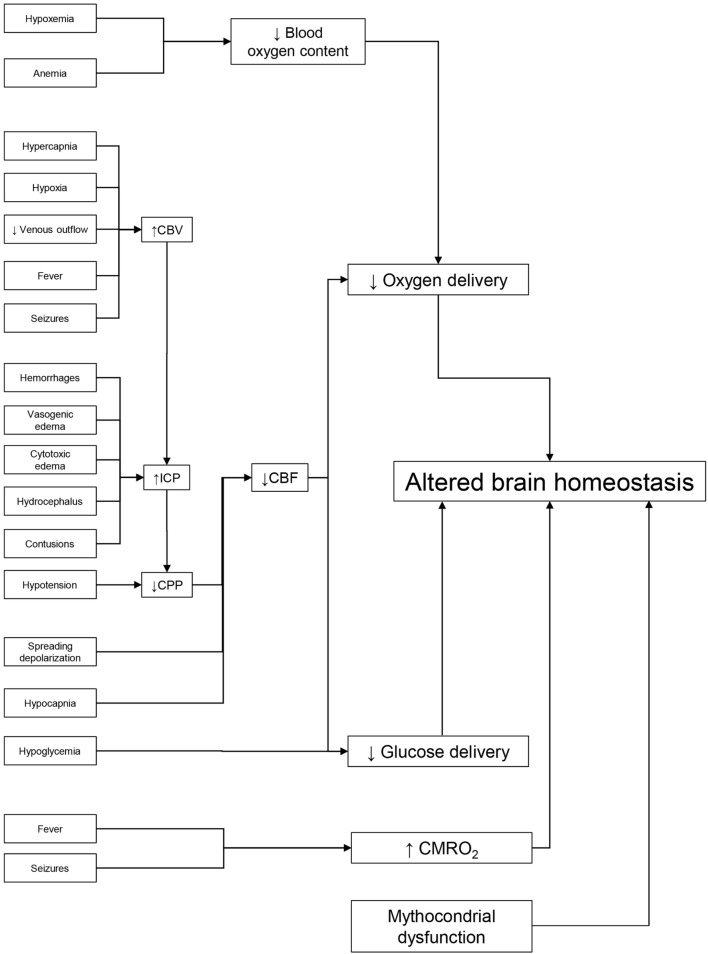
Neuroprotection after traumatic brain injury (TBI) is an important goal pursued strenuously in the last 30 years. The acute cerebral injury triggers a cascade of biochemical events that may worsen the integrity, function, and connectivity of the brain cells and decrease the chance of functional recovery. A number of molecules acting against this deleterious cascade have been tested in the experimental setting, often with preliminary encouraging results. Unfortunately, clinical trials using those candidate neuroprotectants molecules have consistently produced disappointing results, highlighting the necessity of improving the research standards. Despite repeated failures in pharmacological neuroprotection, TBI treatment in neurointensive care units has achieved outcome improvement. It is likely that intensive treatment has contributed to this progress offering a different kind of neuroprotection, based on a careful prevention and limitations of intracranial and systemic threats. The natural course of acute brain damage, in fact, is often complicated by additional adverse events, like the development of intracranial hypertension, brain hypoxia, or hypoperfusion. All these events may lead to additional brain damage and worsen outcome. An approach designed for early identification and prompt correction of insults may, therefore, limit brain damage and improve results.
创伤性脑损伤(TBI)后的神经保护是过去30年来一直积极追求的重要目标。急性脑损伤会引发一系列生化事件,这些事件可能会恶化脑细胞的完整性、功能和连通性,并降低功能恢复的机会。在实验环境中已经测试了许多针对这种有害级联反应的分子,通常会取得初步的令人鼓舞的结果。不幸的是,使用这些候选神经保护剂分子的临床试验一直产生令人失望的结果,这凸显了提高研究标准的必要性。尽管在药理学神经保护方面屡屡失败,但神经重症监护病房的TBI治疗已经取得了改善的结果。强化治疗很可能基于对颅内和全身威胁的仔细预防和限制,为这一进展做出了贡献,提供了一种不同类型的神经保护。事实上,急性脑损伤的自然病程常常因其他不良事件而复杂化,如颅内高压、脑缺氧或灌注不足的发生。所有这些事件都可能导致额外的脑损伤并使结果恶化。因此,一种旨在早期识别并迅速纠正损伤的方法可能会限制脑损伤并改善结果。