Liu Yongliang
Cotton Structure & Quality Research Unit, SRRC, ARS, USDA, 1100 Robert E. Lee Blvd., New Orleans, LA 70124, USA.
Materials (Basel). 2013 Jan 22;6(1):299-313. doi: 10.3390/ma6010299.
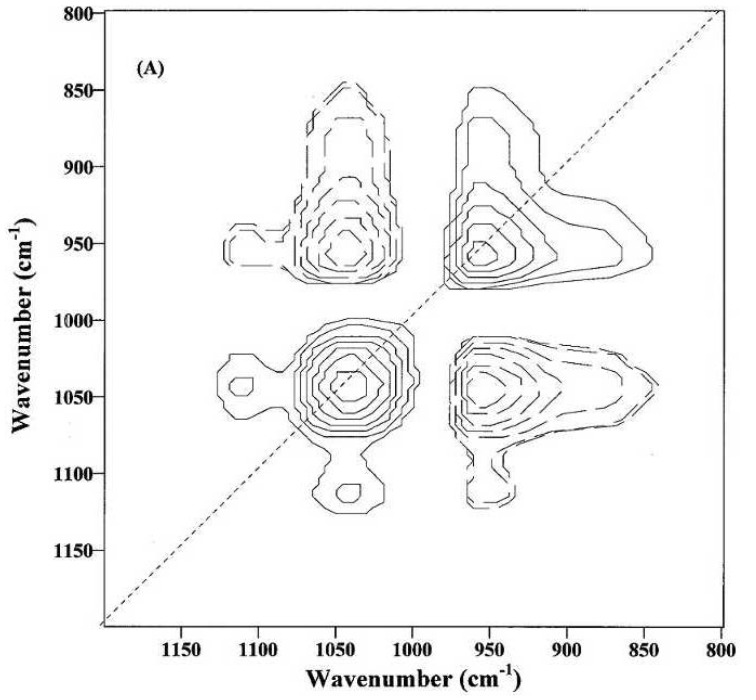
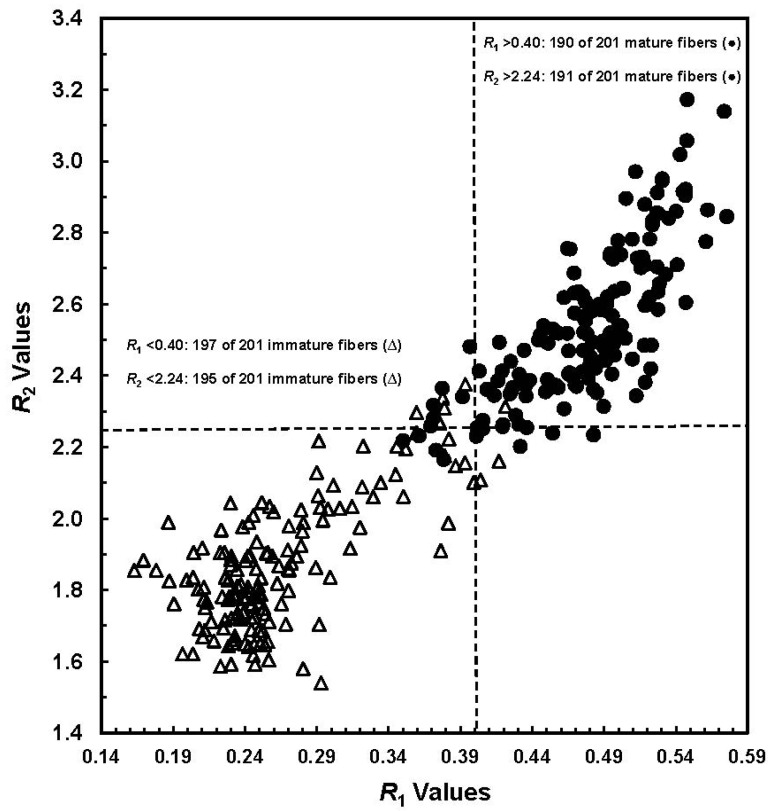
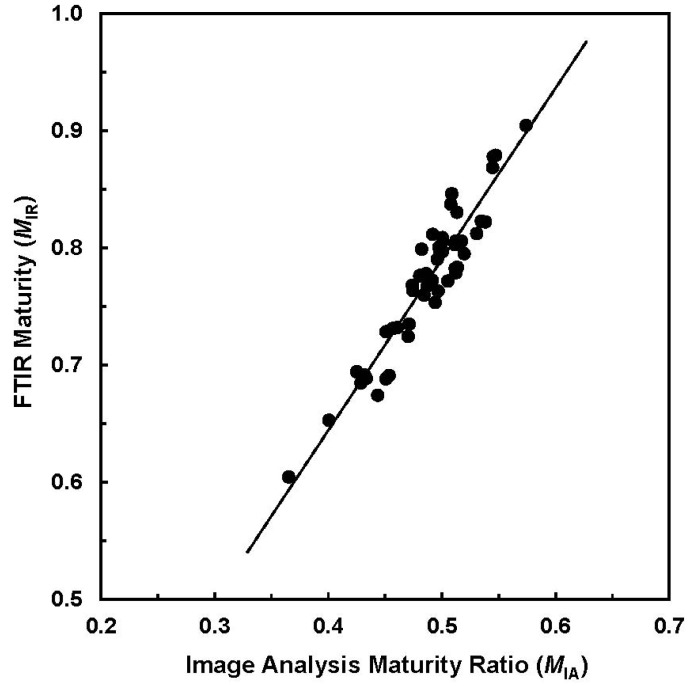
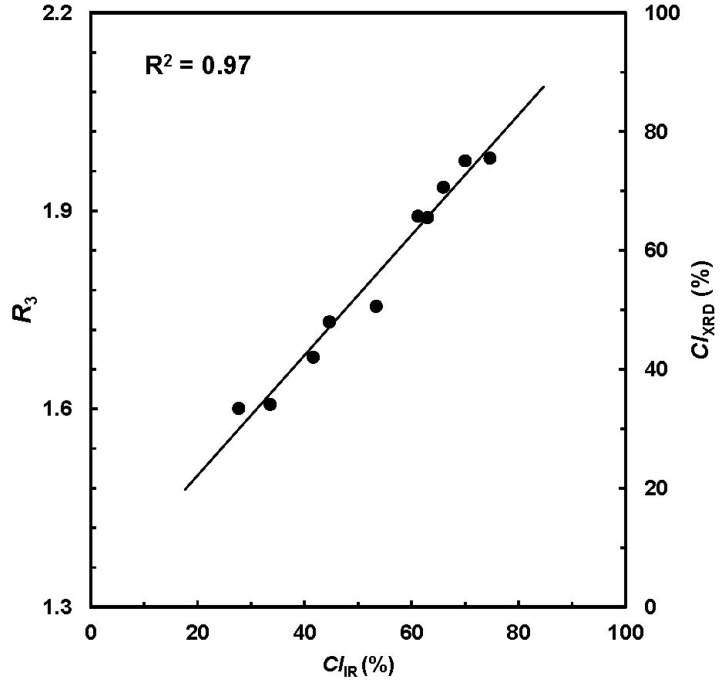
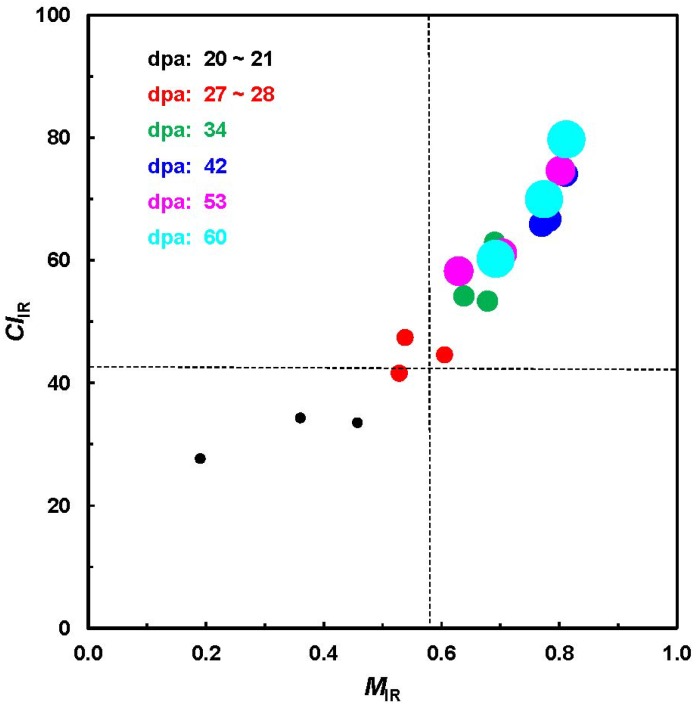
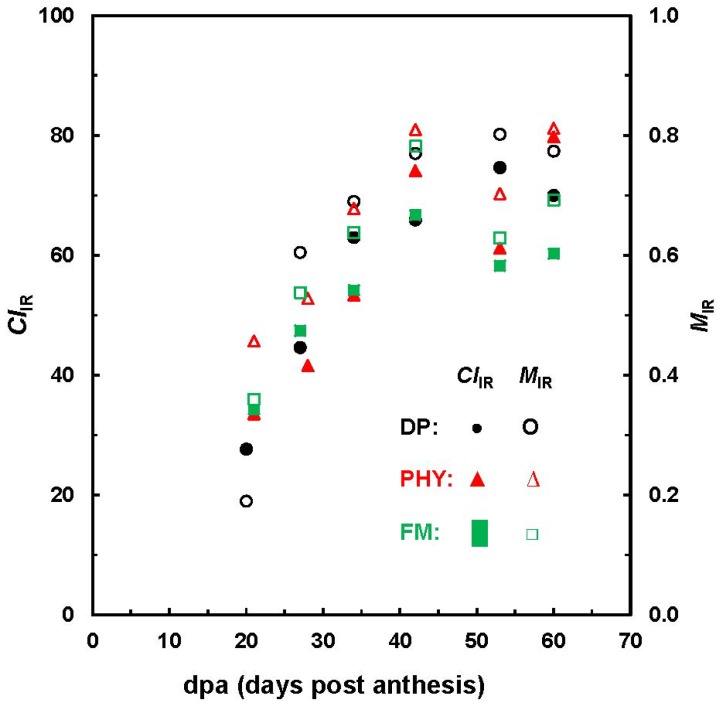
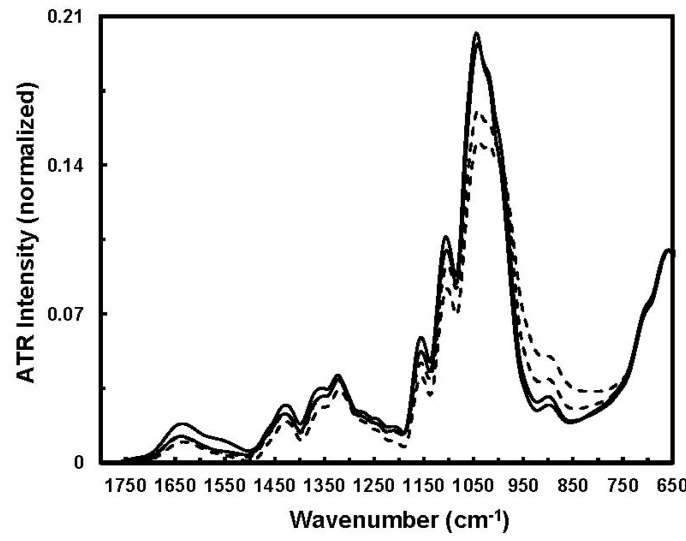
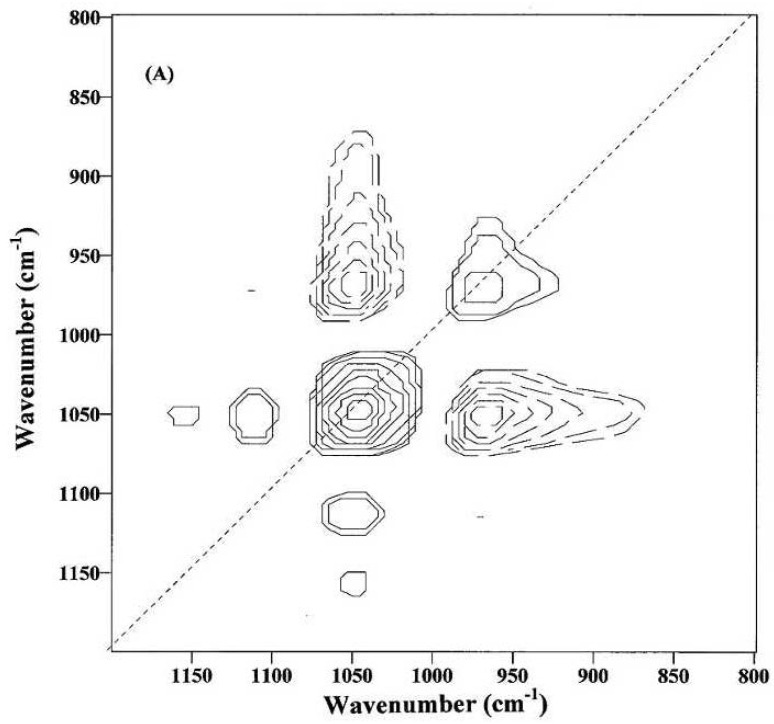
Cotton fibers are natural plant products, and their end-use qualities depend on their stages of development. In general, the quantity of cellulose in cotton fibers increases rapidly, thus it leads to compositional, structural and physical attribute variations among the fibers with shorter and longer growth periods. This article discusses recent progress in applying the Fourier transform infrared (FTIR) spectroscopic technique to characterize these differences, to discriminate immature fibers from mature fibers, to assess fiber maturity and crystallinity and also to unravel the band assignments in crystalline and amorphous celluloses. The results were achieved through the use of various strategies, including wet chemical analysis, principal component analysis (PCA), simple algorithm development, two-dimensional correlation analysis and other independent fiber tests. Of particular interest is that, in general, immature fibers might have the characteristics of less than 21-28 dpa, < 0.58 (in the maturity range of 0 to 1.0) and < 42% (in the crystallinity range of 0 to 100%).
棉纤维是天然植物产物,其最终使用品质取决于其发育阶段。一般来说,棉纤维中纤维素的含量迅速增加,因此导致了生长期长短不同的纤维在组成、结构和物理属性上的差异。本文讨论了应用傅里叶变换红外(FTIR)光谱技术来表征这些差异、区分未成熟纤维与成熟纤维、评估纤维成熟度和结晶度以及解析结晶和无定形纤维素中谱带归属的最新进展。这些结果是通过使用各种策略获得的,包括湿化学分析、主成分分析(PCA)、简单算法开发、二维相关分析以及其他独立的纤维测试。特别值得注意的是,一般而言,未成熟纤维可能具有以下特征:成熟度低于21 - 28 dpa、成熟度小于0.58(成熟度范围为0至1.0)以及结晶度小于42%(结晶度范围为0至100%)。