Banjar Haneen, Adelson David, Brown Fred, Chaudhri Naeem
School of Computer Science, University of Adelaide, Adelaide, SA, Australia.
Department of Computer Science, King Abdulaziz University, Jeddah, Saudi Arabia.
Biomed Res Int. 2017;2017:3587309. doi: 10.1155/2017/3587309. Epub 2017 Jul 25.
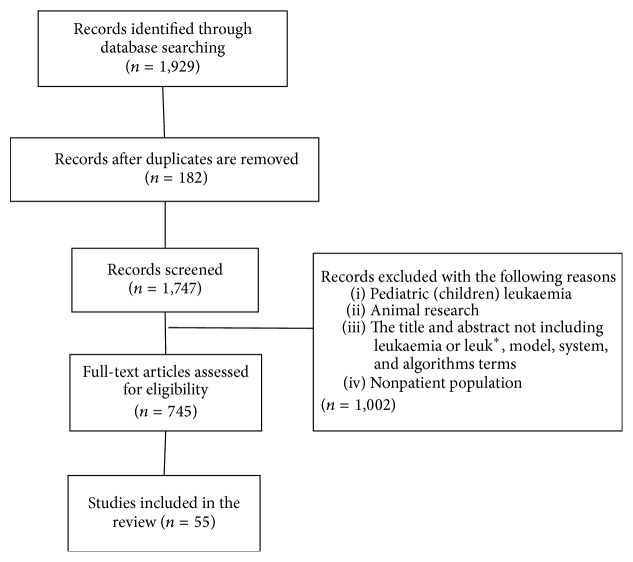
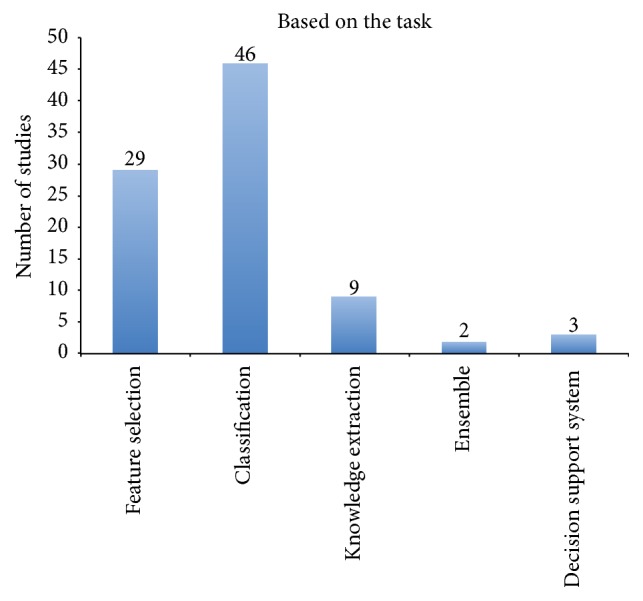
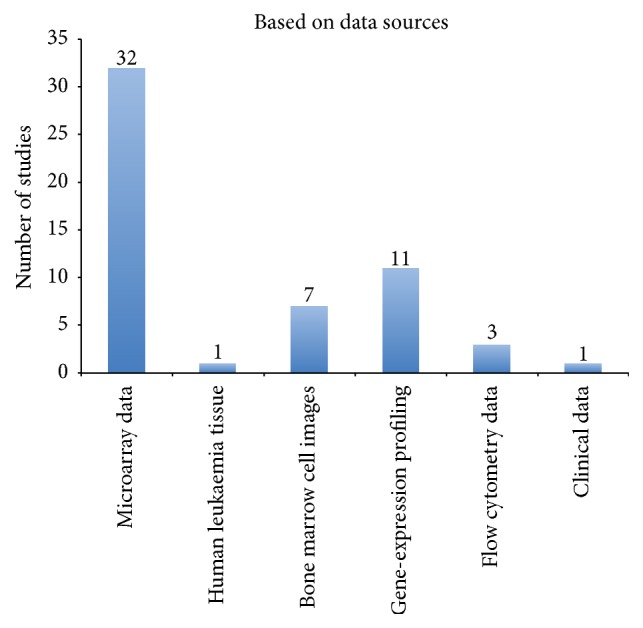
The use of intelligent techniques in medicine has brought a ray of hope in terms of treating leukaemia patients. Personalized treatment uses patient's genetic profile to select a mode of treatment. This process makes use of molecular technology and machine learning, to determine the most suitable approach to treating a leukaemia patient. Until now, no reviews have been published from a computational perspective concerning the development of personalized medicine intelligent techniques for leukaemia patients using molecular data analysis. This review studies the published empirical research on personalized medicine in leukaemia and synthesizes findings across studies related to intelligence techniques in leukaemia, with specific attention to particular categories of these studies to help identify opportunities for further research into personalized medicine support systems in chronic myeloid leukaemia. A systematic search was carried out to identify studies using intelligence techniques in leukaemia and to categorize these studies based on leukaemia type and also the task, data source, and purpose of the studies. Most studies used molecular data analysis for personalized medicine, but future advancement for leukaemia patients requires molecular models that use advanced machine-learning methods to automate decision-making in treatment management to deliver supportive medical information to the patient in clinical practice.
智能技术在医学中的应用为白血病患者的治疗带来了一线希望。个性化治疗利用患者的基因图谱来选择治疗方式。这一过程运用分子技术和机器学习来确定治疗白血病患者的最合适方法。到目前为止,尚未有从计算角度发表的关于利用分子数据分析为白血病患者开发个性化医疗智能技术的综述。本综述研究了已发表的关于白血病个性化医疗的实证研究,并综合了与白血病智能技术相关的各项研究结果,特别关注这些研究的特定类别,以帮助确定慢性髓性白血病个性化医疗支持系统的进一步研究机会。我们进行了系统的检索,以识别在白血病中使用智能技术的研究,并根据白血病类型以及研究的任务、数据来源和目的对这些研究进行分类。大多数研究将分子数据分析用于个性化医疗,但白血病患者未来的进展需要使用先进机器学习方法的分子模型,以便在治疗管理中实现决策自动化,从而在临床实践中为患者提供支持性医疗信息。