Rathore Ridhdhi, Dowling David N, Forristal Patrick D, Spink John, Cotter Paul D, Bulgarelli Davide, Germaine Kieran J
Envirocore, Dargan Research Centre, Institute of TechnologyCarlow, Ireland.
Teagasc Crops Research CentreCarlow, Ireland.
Front Microbiol. 2017 Aug 9;8:1489. doi: 10.3389/fmicb.2017.01489. eCollection 2017.
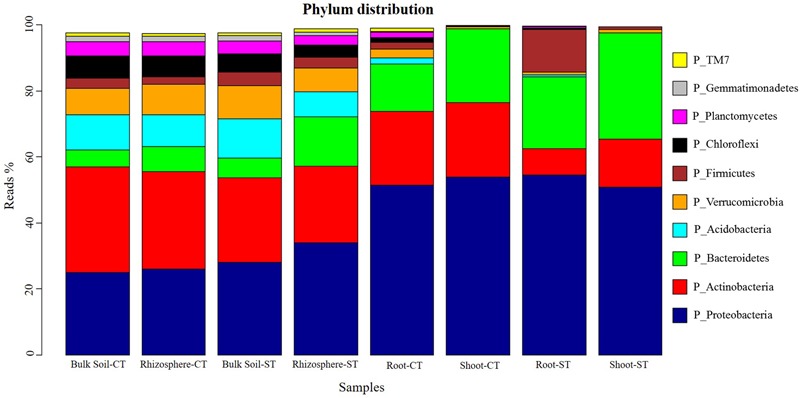
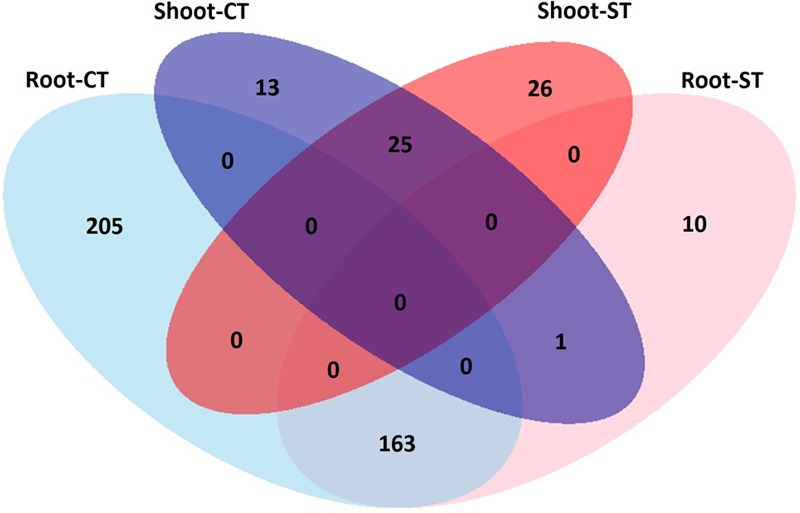
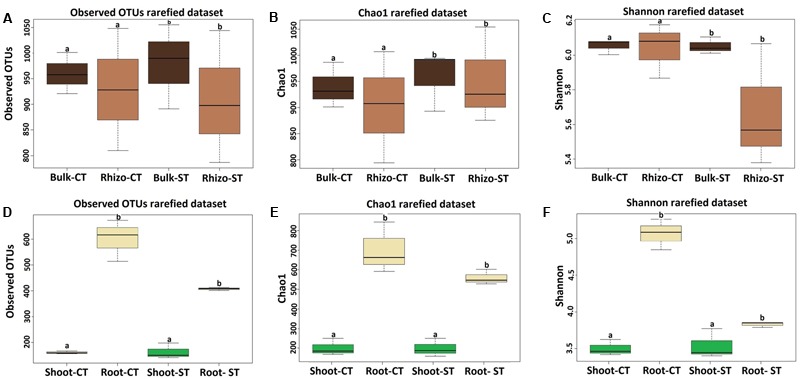
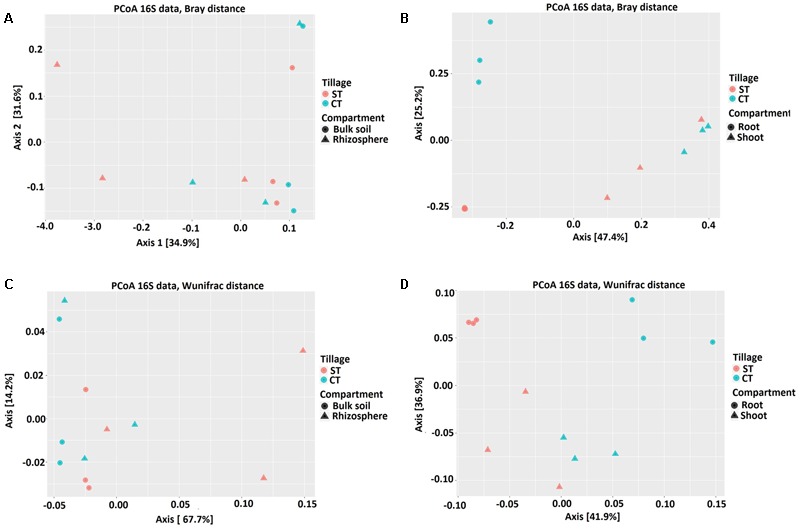
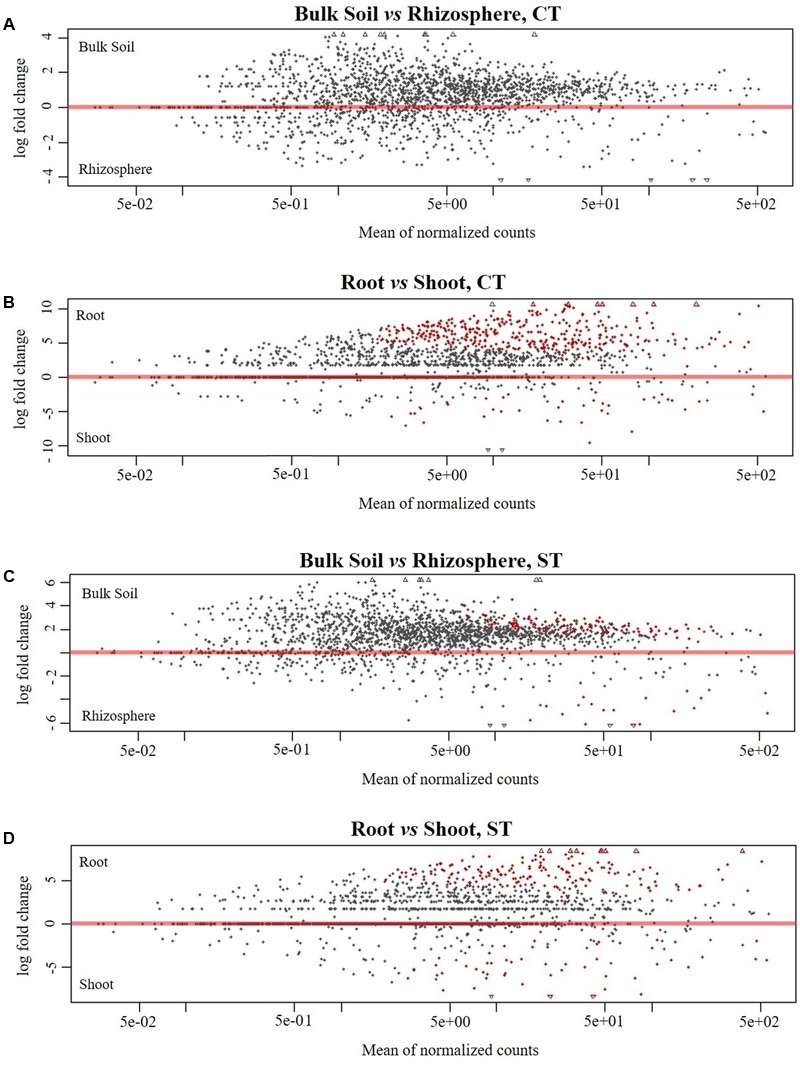
Gaining a greater understanding of the plant microbiota and its interactions with its host plant heralds a new era of scientific discovery in agriculture. Different agricultural management practices influence soil microbial populations by changing a soil's physical, chemical and biological properties. However, the impact of these practices on the microbiota associated with economically important crops such as oilseed rape, are still understudied. In this work we investigated the impact of two contrasting crop establishment practices, conventional (plow based) and conservation (strip-tillage) systems, on the microbiota inhabiting different plant microhabitats, namely rhizosphere, root and shoot, of winter oilseed rape under Irish agronomic conditions. Illumina 16S rRNA gene sequence profiling showed that the plant associated microhabitats (root and shoot), are dominated by members of the bacterial phyla and . The root and shoot associated bacterial communities displayed markedly distinct profiles as a result of tillage practices. We observed a very limited 'rhizosphere effect' in the root zone of WOSR, i.e., there was little or no increase in bacterial community richness and abundance in the WOSR rhizosphere compared to the bulk soil. The two tillage systems investigated did not appear to lead to any major long term differences on the bulk soil or rhizosphere bacterial communities. Our data suggests that the WOSR root and shoot microbiota can be impacted by management practices and is an important mechanism that could allow us to understand how plants respond to different management practices and environments.
对植物微生物群及其与宿主植物的相互作用有更深入的了解,预示着农业科学发现的一个新时代。不同的农业管理实践通过改变土壤的物理、化学和生物学特性来影响土壤微生物种群。然而,这些实践对与油菜等经济作物相关的微生物群的影响仍未得到充分研究。在这项工作中,我们研究了两种截然不同的作物种植方式,即传统(基于犁耕)和保护性(条耕)系统,对爱尔兰农艺条件下冬油菜不同植物微生境(即根际、根和地上部分)中微生物群的影响。Illumina 16S rRNA基因序列分析表明,与植物相关的微生境(根和地上部分)主要由细菌门 和 的成员主导。由于耕作方式的不同,与根和地上部分相关的细菌群落呈现出明显不同的特征。我们在冬油菜根区观察到非常有限的“根际效应”,即与大块土壤相比,冬油菜根际细菌群落的丰富度和丰度几乎没有增加或没有增加。所研究的两种耕作系统似乎没有导致大块土壤或根际细菌群落出现任何重大的长期差异。我们的数据表明,冬油菜的根和地上部分微生物群会受到管理实践的影响,这是一个重要机制,可使我们了解植物如何对不同的管理实践和环境做出反应。