Chen A J, Hubka V, Frisvad J C, Visagie C M, Houbraken J, Meijer M, Varga J, Demirel R, Jurjević Ž, Kubátová A, Sklenář F, Zhou Y G, Samson R A
Institute of Medicinal Plant Development, Chinese Academy of medical Sciences and Peking Union Medical College, Beijing 100193, PR China.
Westerdijk Fungal Biodiversity Institute, Uppsalalaan 8, 3584 CT Utrecht, The Netherlands.
Stud Mycol. 2017 Sep;88:37-135. doi: 10.1016/j.simyco.2017.07.001. Epub 2017 Jul 12.
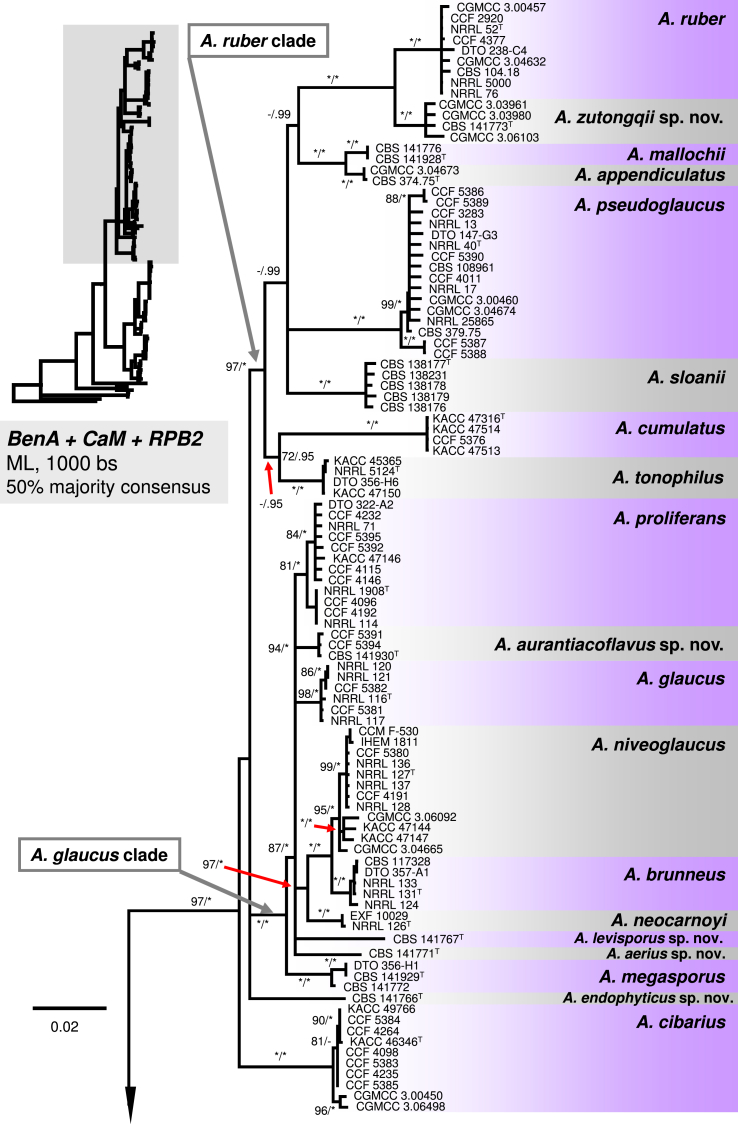
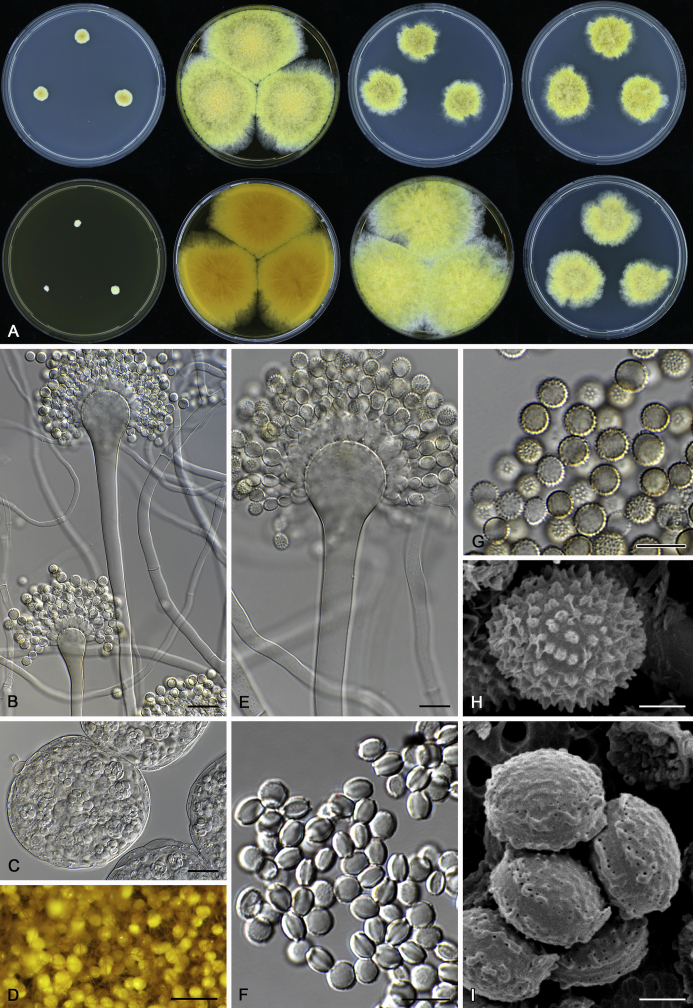
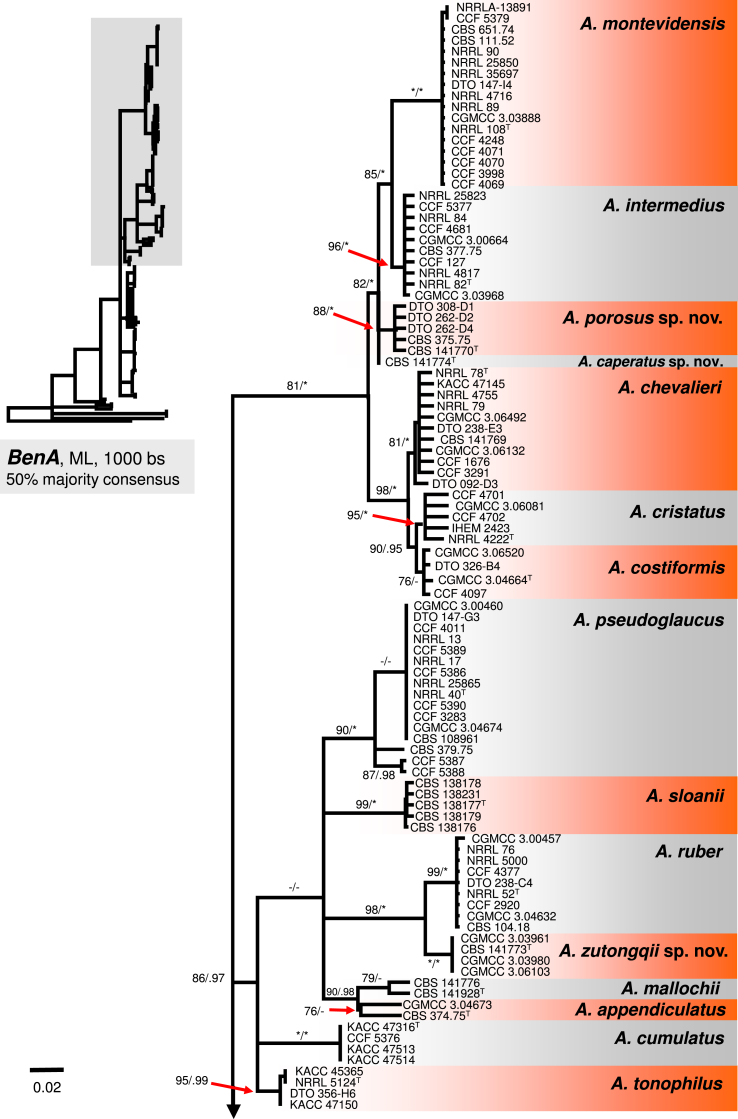
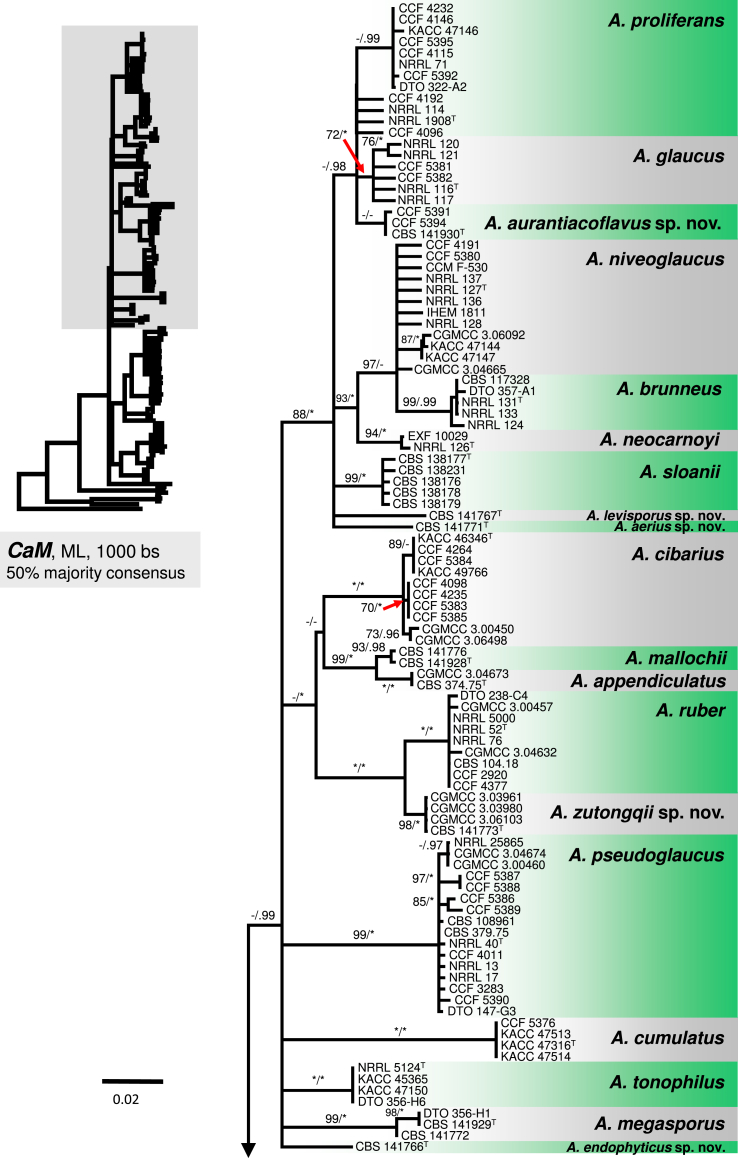
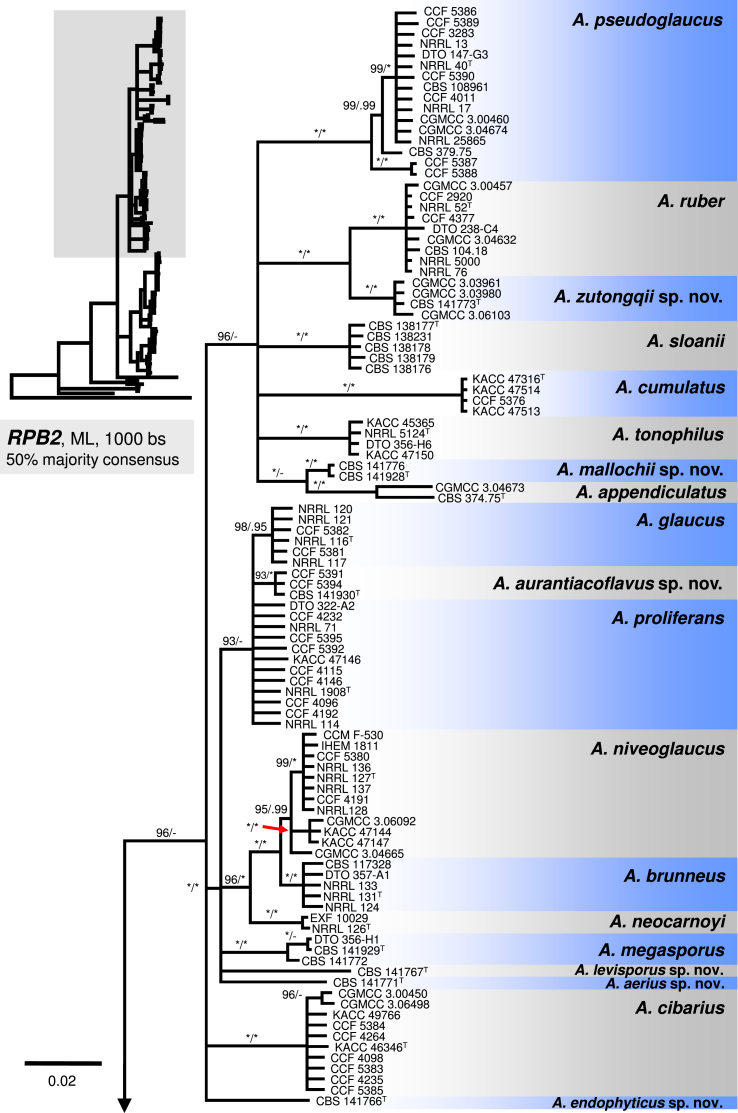
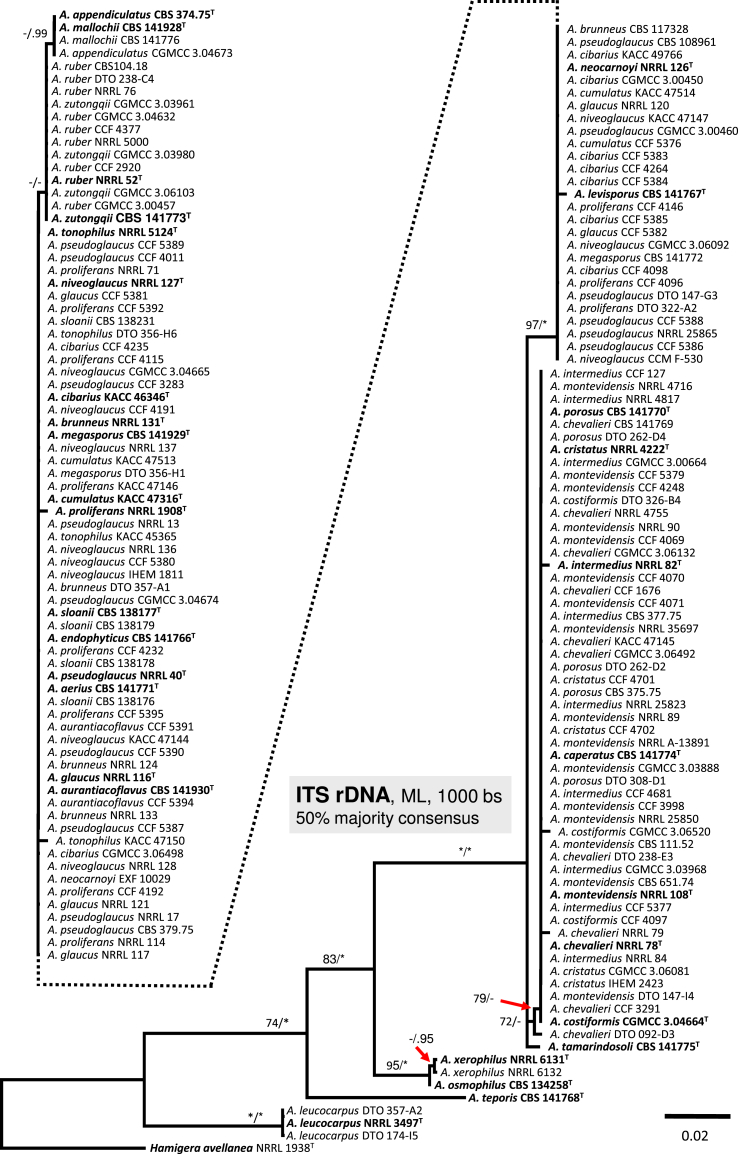
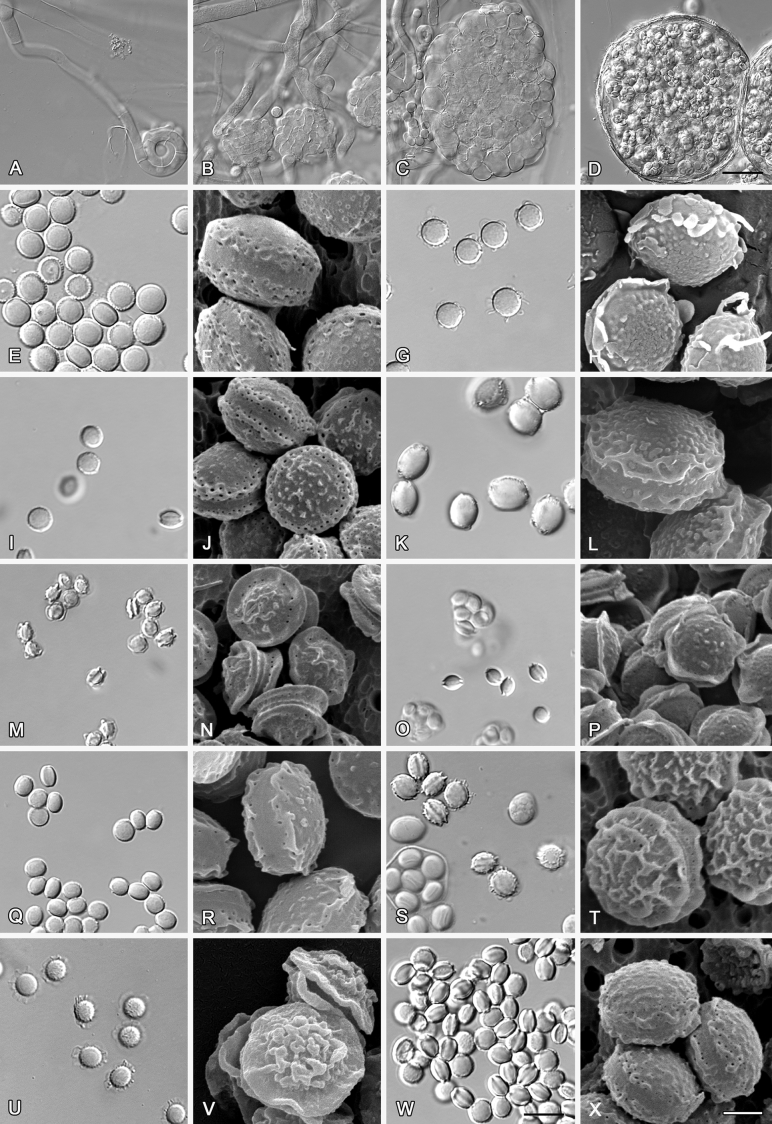
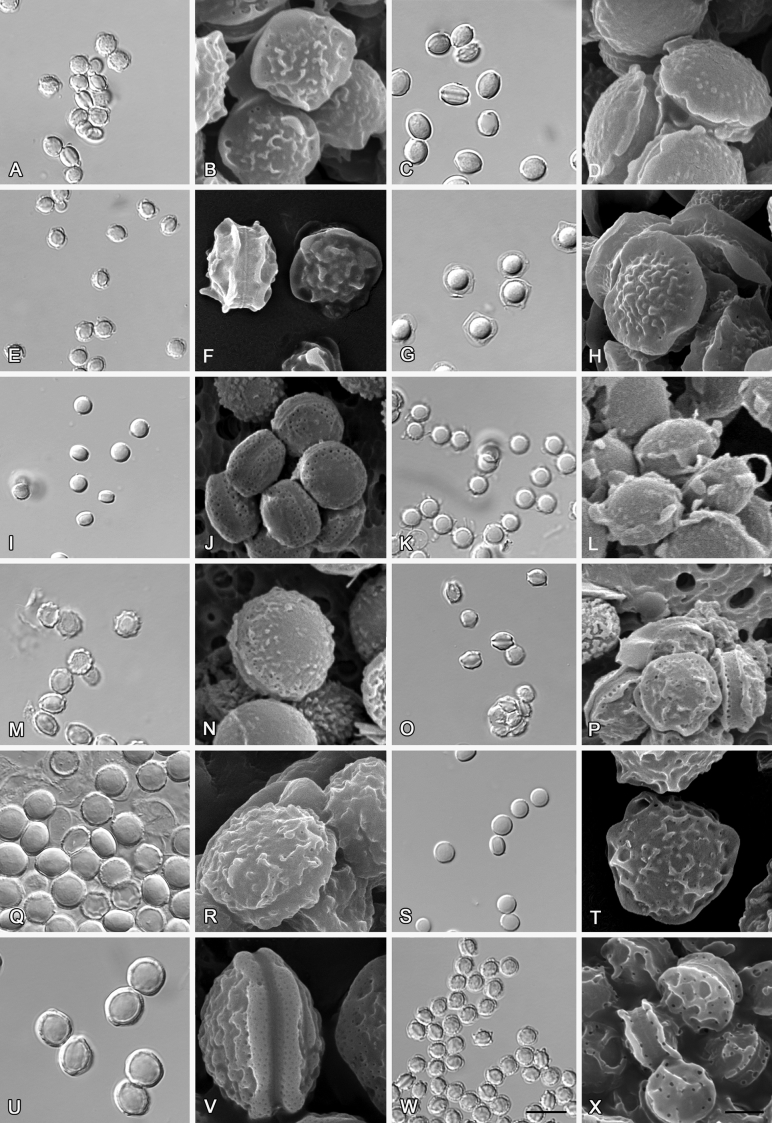
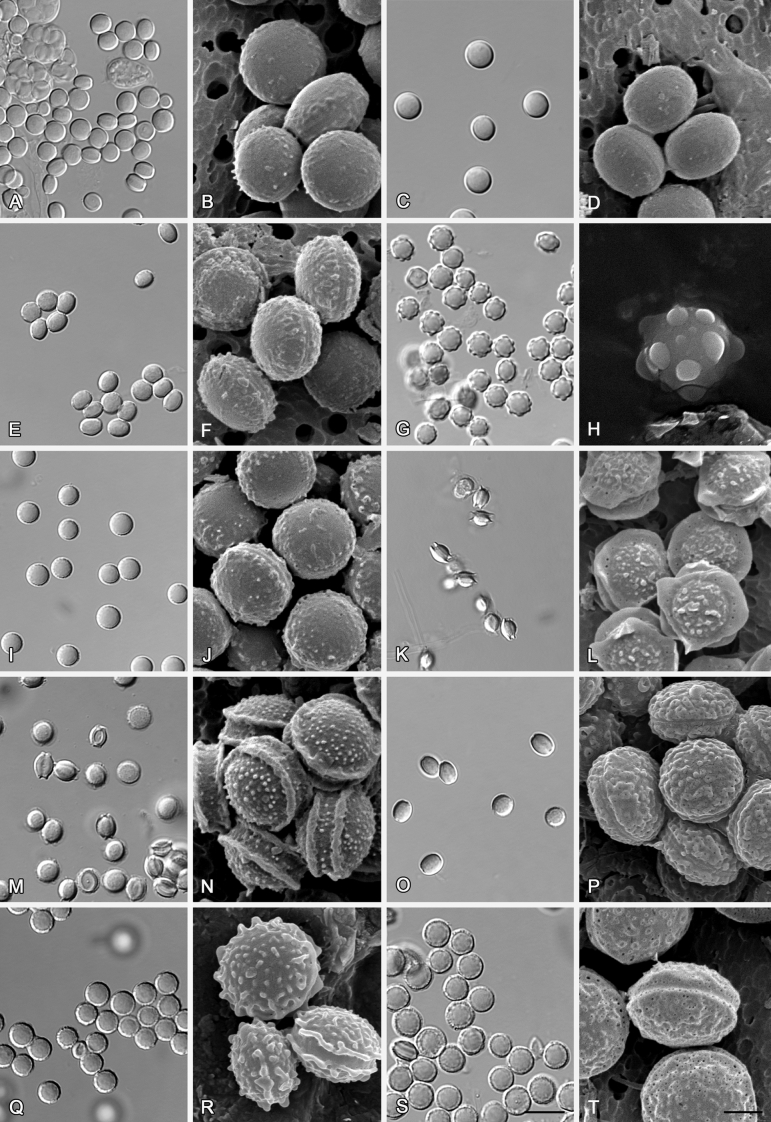
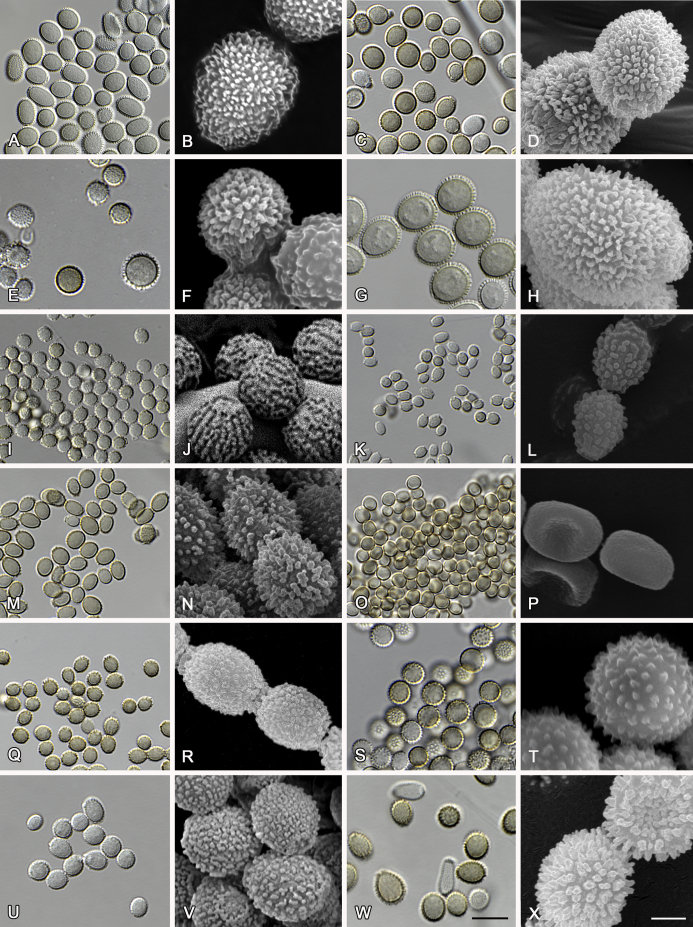
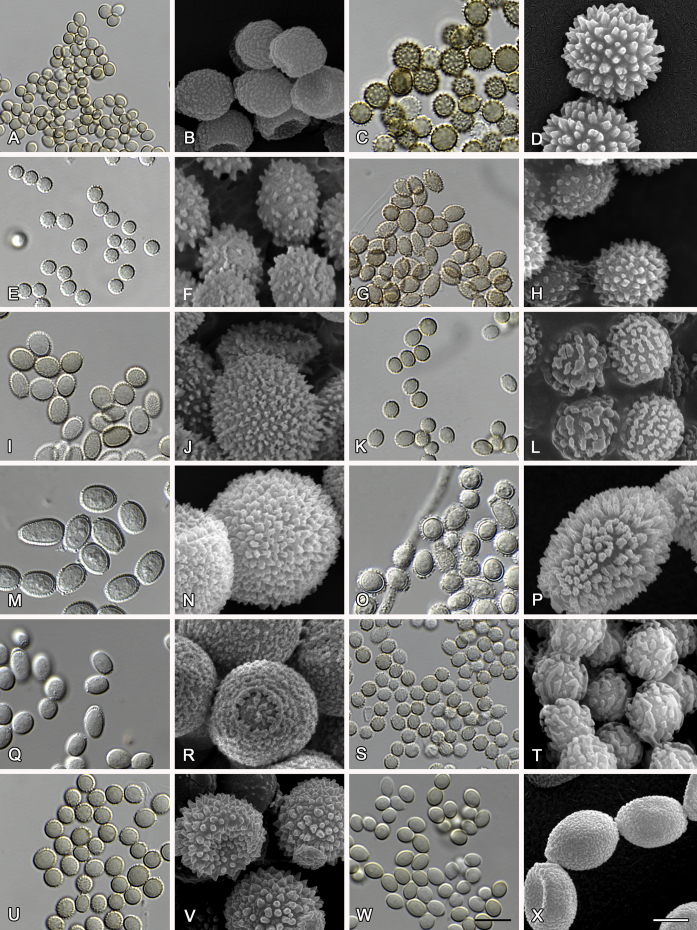
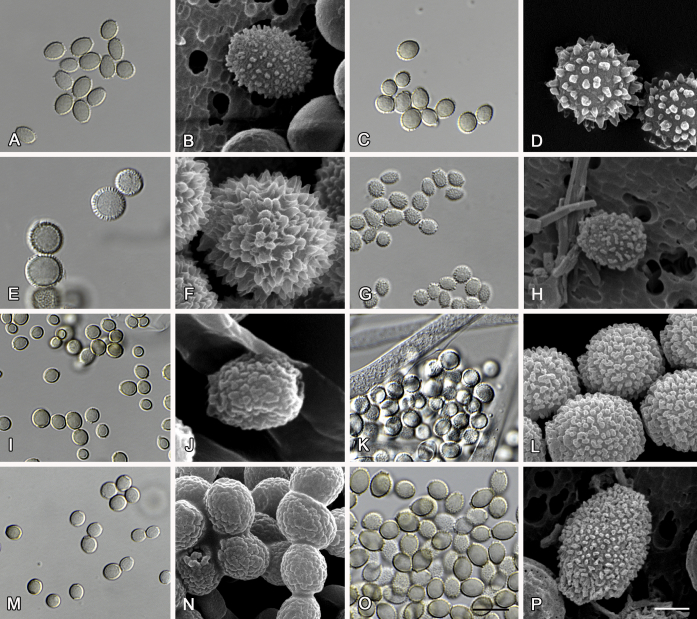
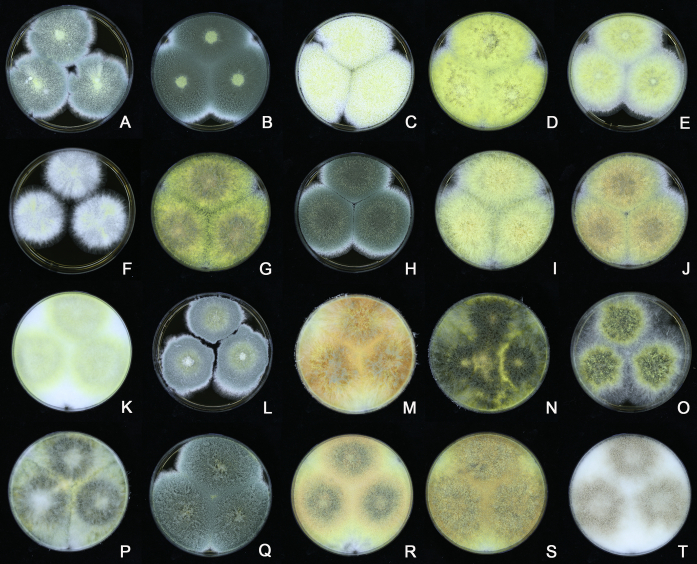
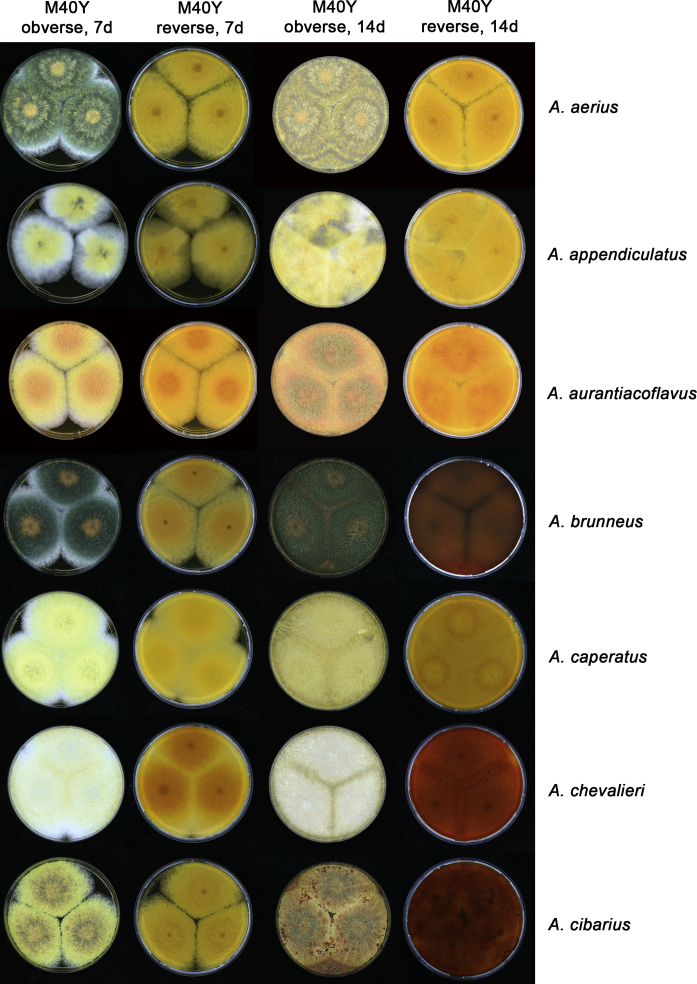
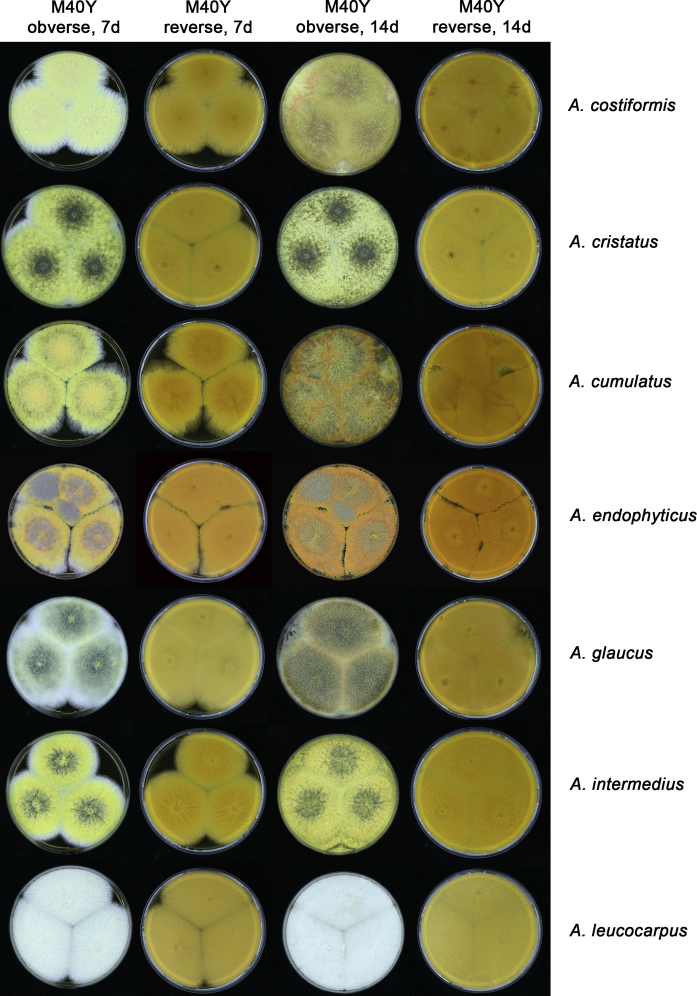
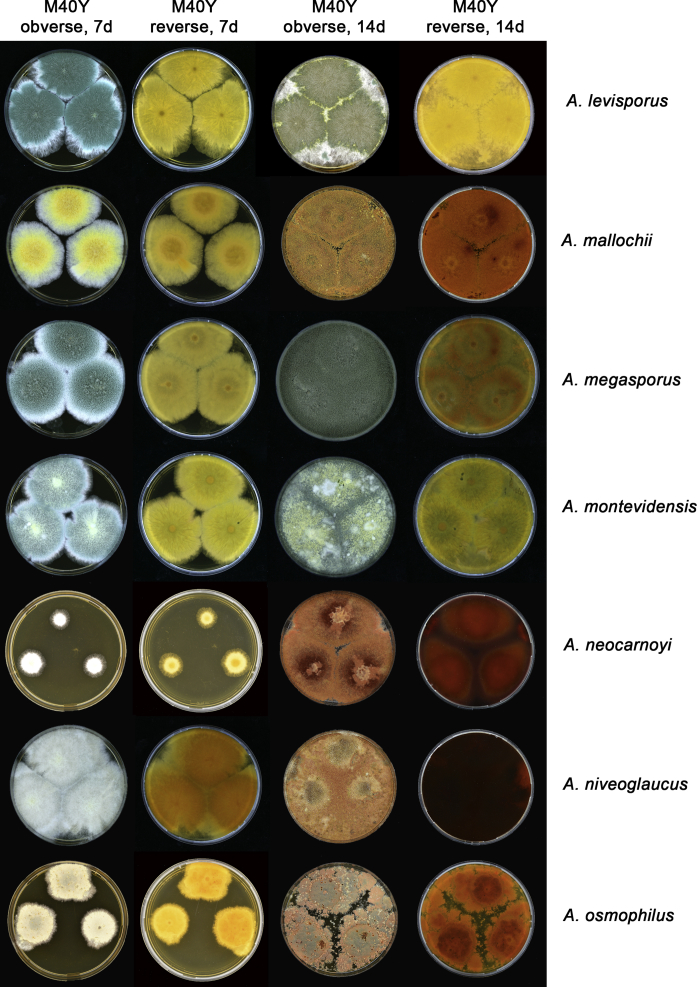
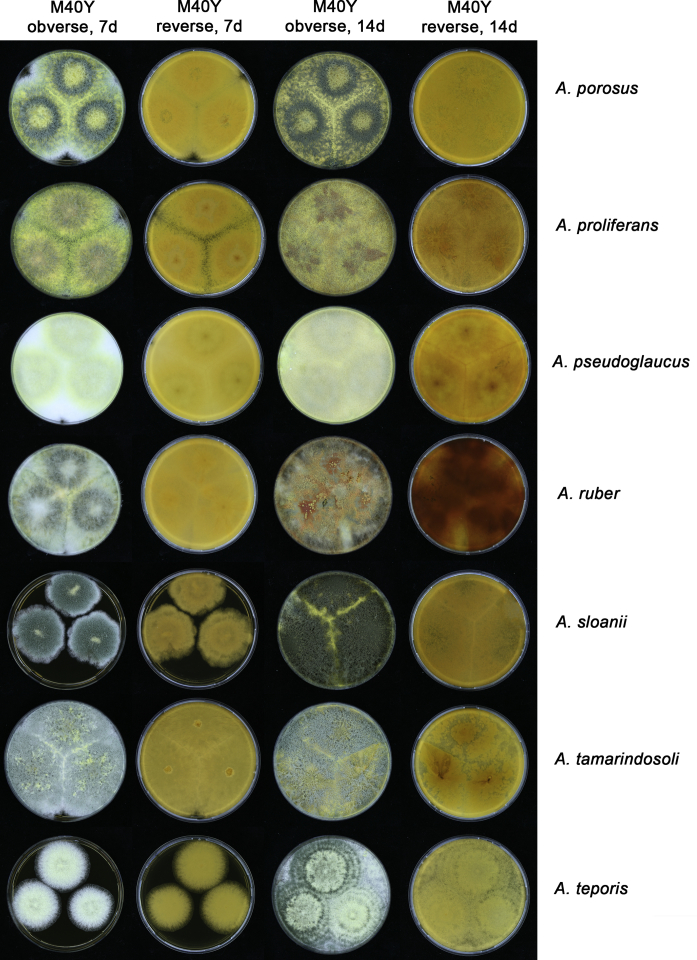
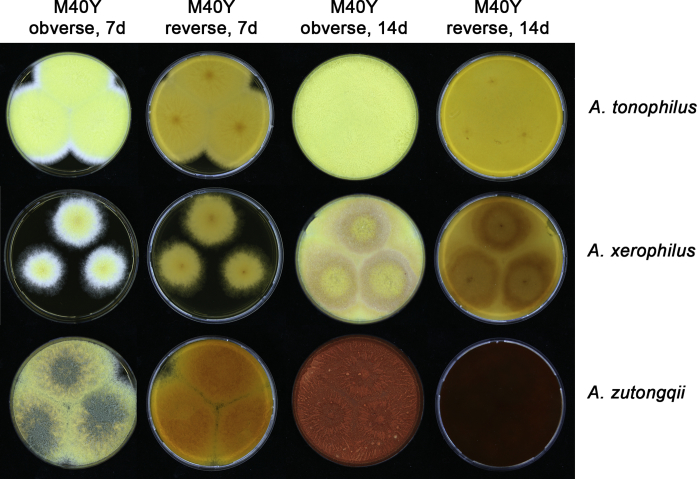
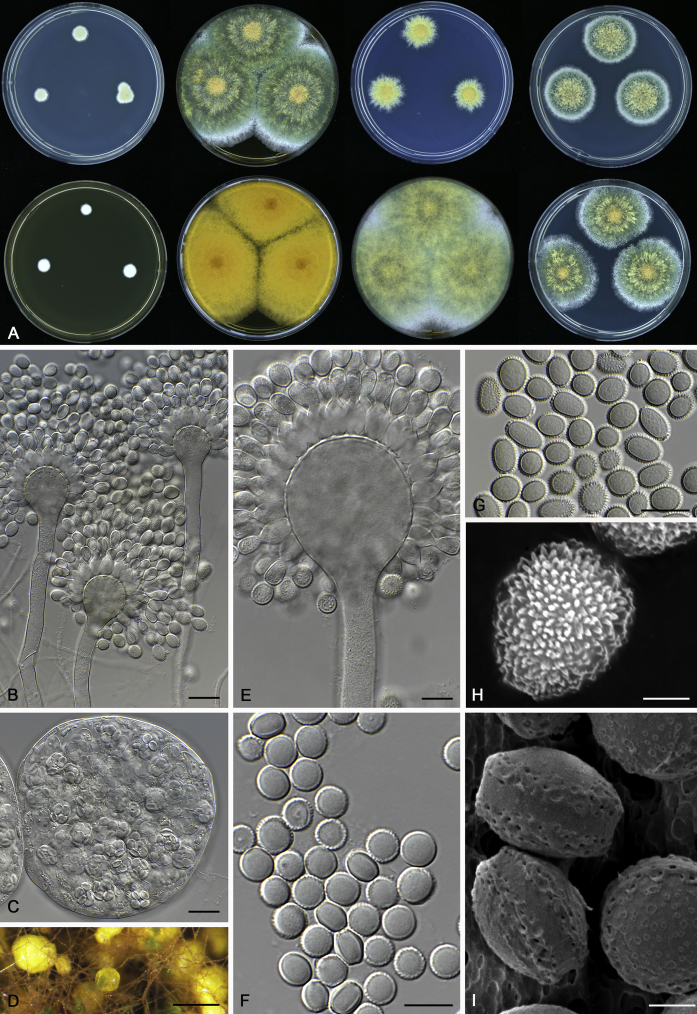
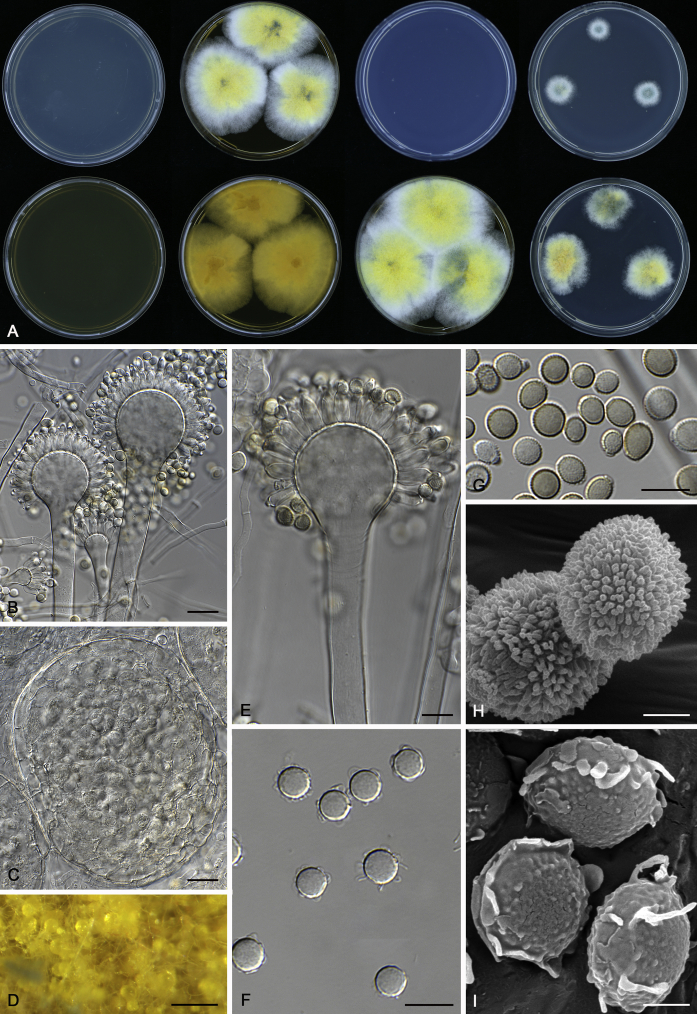
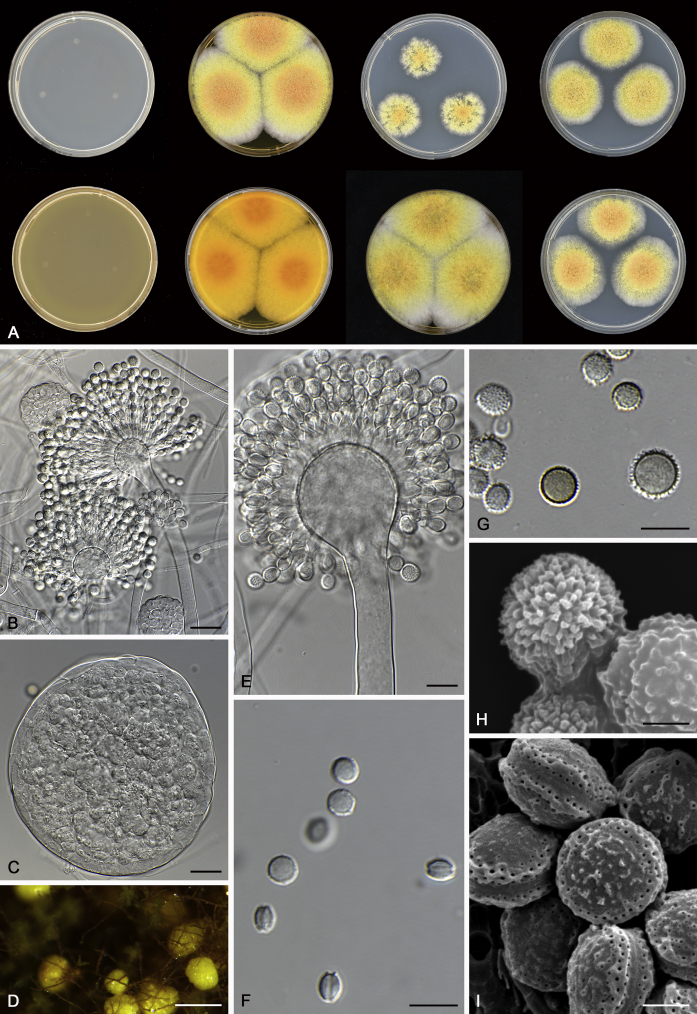
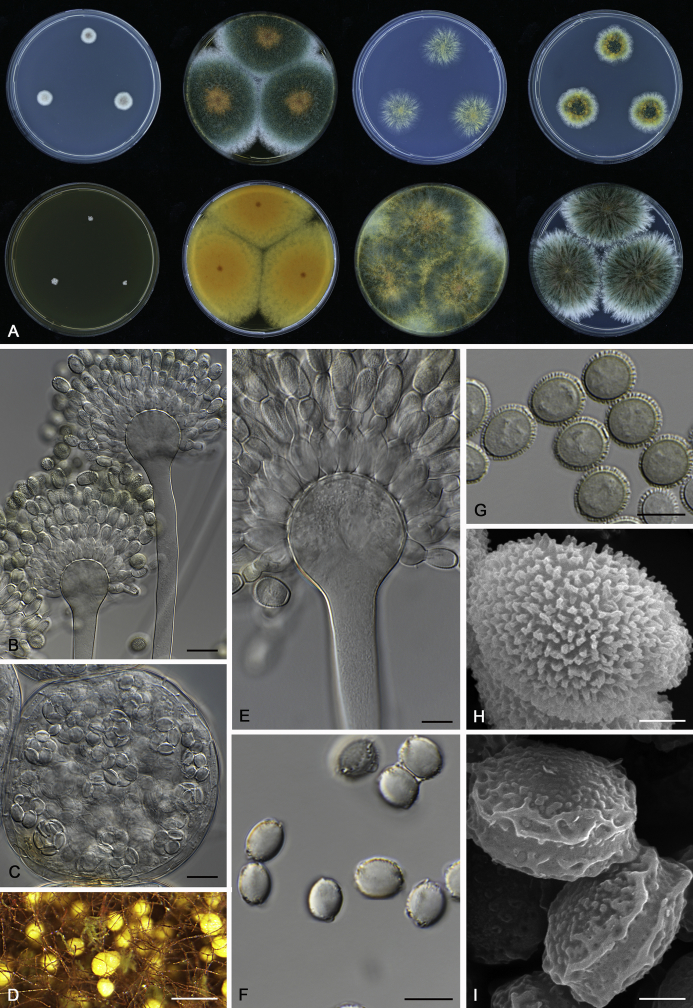
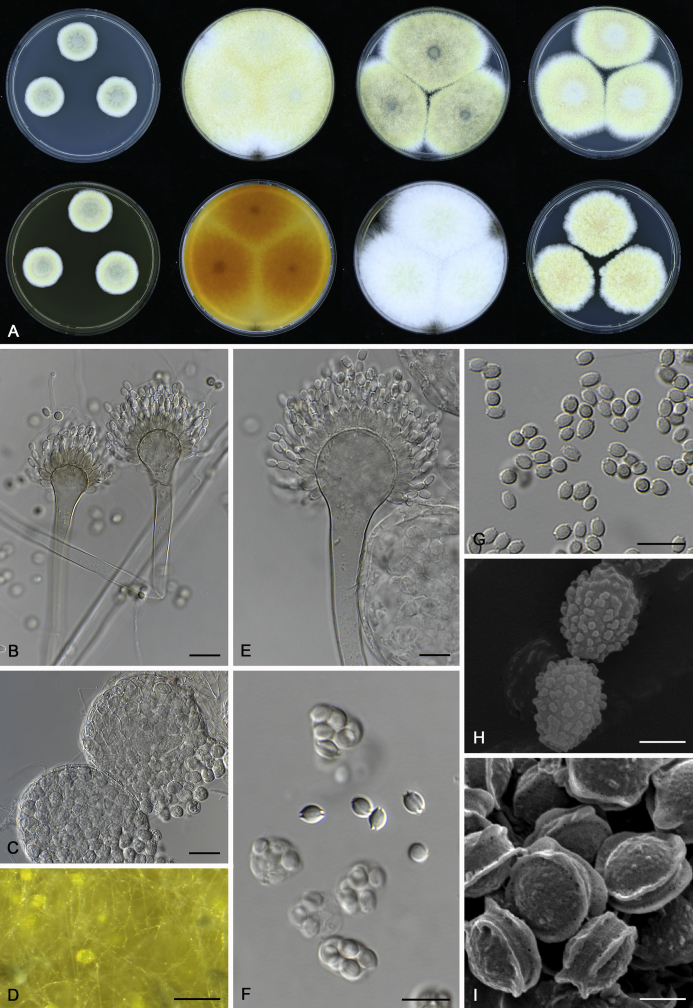
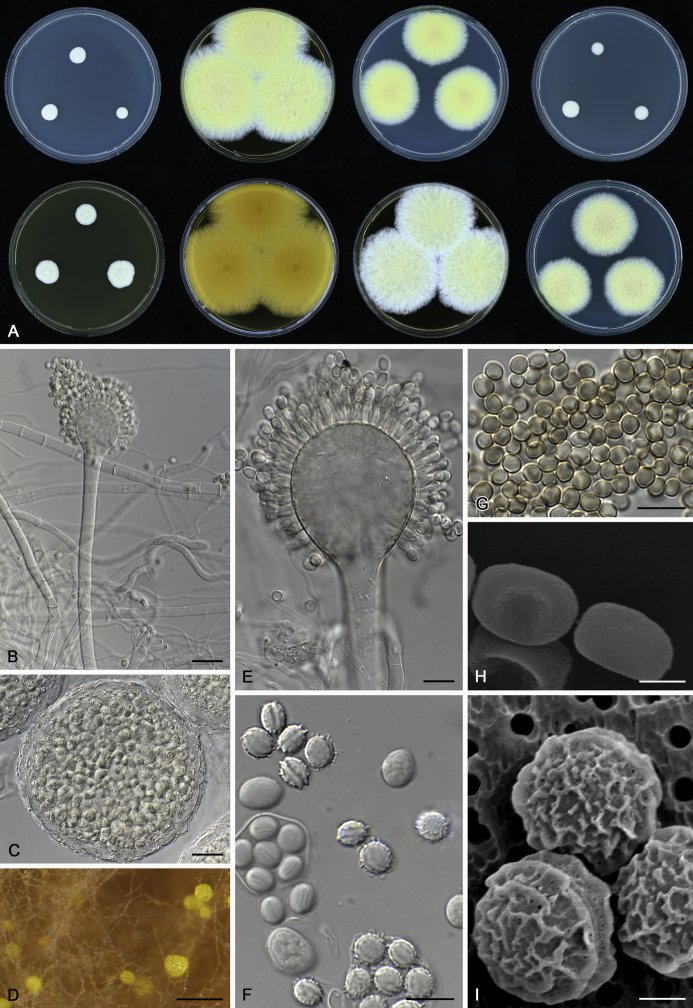
section (formerly the genus ) includes xerophilic species with uniseriate conidiophores, globose to subglobose vesicles, green conidia and yellow, thin walled eurotium-like ascomata with hyaline, lenticular ascospores. In the present study, a polyphasic approach using morphological characters, extrolites, physiological characters and phylogeny was applied to investigate the taxonomy of this section. Over 500 strains from various culture collections and new isolates obtained from indoor environments and a wide range of substrates all over the world were identified using calmodulin gene sequencing. Of these, 163 isolates were subjected to molecular phylogenetic analyses using sequences of ITS rDNA, partial β-tubulin (), calmodulin () and RNA polymerase II second largest subunit () genes. Colony characteristics were documented on eight cultivation media, growth parameters at three incubation temperatures were recorded and micromorphology was examined using light microscopy as well as scanning electron microscopy to illustrate and characterize each species. Many specific extrolites were extracted and identified from cultures, including echinulins, epiheveadrides, auroglaucins and anthraquinone bisanthrons, and to be consistent in strains of nearly all species. Other extrolites are species-specific, and thus valuable for identification. Several extrolites show antioxidant effects, which may be nutritionally beneficial in food and beverages. Important mycotoxins in the strict sense, such as sterigmatocystin, aflatoxins, ochratoxins, citrinin were not detected despite previous reports on their production in this section. Adopting a polyphasic approach, 31 species are recognized, including nine new species. ITS is highly conserved in this section and does not distinguish species. All species can be differentiated using or sequences. For , and share identical sequences. Ascospores and conidia morphology, growth rates at different temperatures are most useful characters for phenotypic species identification.
该属(以前的属)包括嗜干性物种,具有单列分生孢子梗、球形至近球形的囊状体、绿色分生孢子以及黄色、薄壁的类曲霉菌子囊果,带有透明的、双凸透镜状的子囊孢子。在本研究中,采用了一种多相方法,利用形态特征、次生代谢产物、生理特征和系统发育来研究该属的分类学。使用钙调蛋白基因测序对来自各种培养物保藏中心的500多个菌株以及从室内环境和世界各地广泛基质中获得的新分离株进行了鉴定。其中,163个分离株使用ITS rDNA、部分β-微管蛋白()、钙调蛋白()和RNA聚合酶II第二大亚基()基因序列进行了分子系统发育分析。在八种培养基上记录了菌落特征,记录了在三个培养温度下的生长参数,并使用光学显微镜和扫描电子显微镜检查了微观形态,以说明和表征每个物种。从培养物中提取并鉴定了许多特定的次生代谢产物,包括棘球白素、表赫韦德里德、金绿青霉素和蒽醌双蒽酮,并且几乎在所有物种的菌株中都是一致的。其他次生代谢产物是物种特异性的,因此对鉴定很有价值。几种次生代谢产物具有抗氧化作用,这在食品和饮料中可能具有营养益处。尽管之前有关于该属产生诸如柄曲霉素、黄曲霉毒素、赭曲霉毒素、桔霉素等严格意义上重要霉菌毒素的报道,但在本研究中未检测到。采用多相方法,识别出31个物种,包括9个新物种。ITS在该属中高度保守,无法区分物种。所有物种都可以使用或序列进行区分。对于、和共享相同的序列。子囊孢子和分生孢子形态、不同温度下的生长速率是表型物种鉴定最有用的特征。