Granitzer Petra, Rumpf Klemens
Institute of Physics, Karl Franzens University Graz, Universitaetsplatz 5, A-8010 Graz, Austria.
Materials (Basel). 2011 May 17;4(5):908-928. doi: 10.3390/ma4050908.
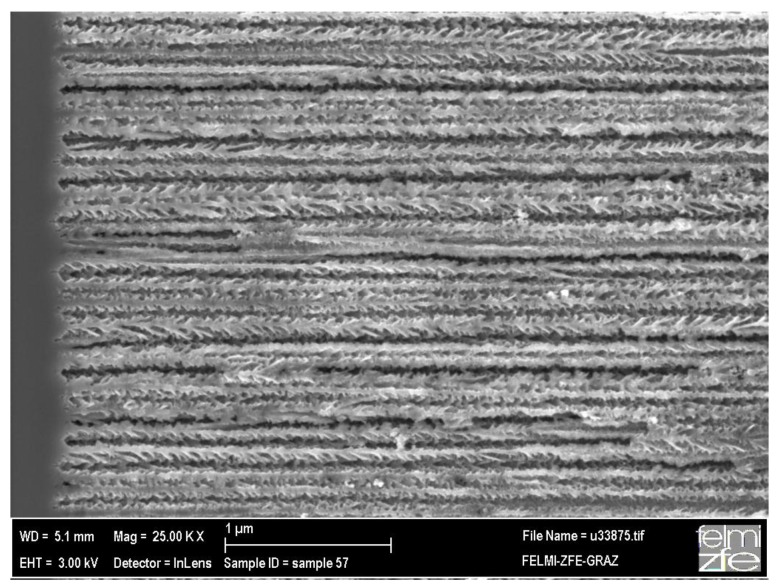
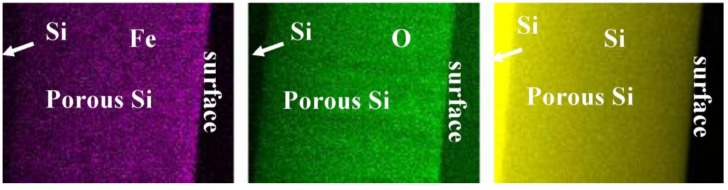
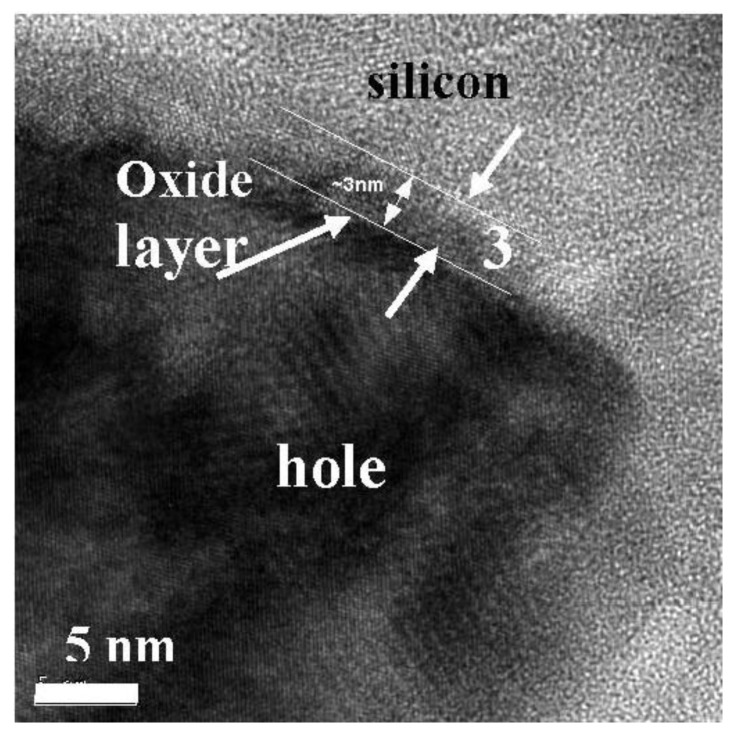
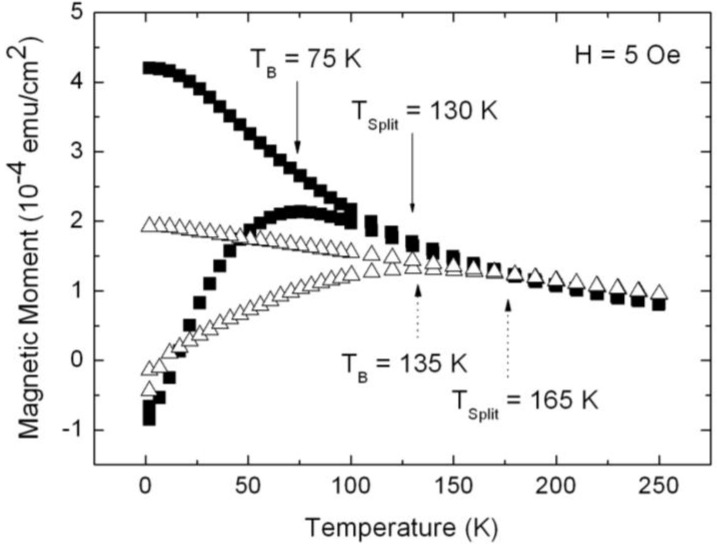
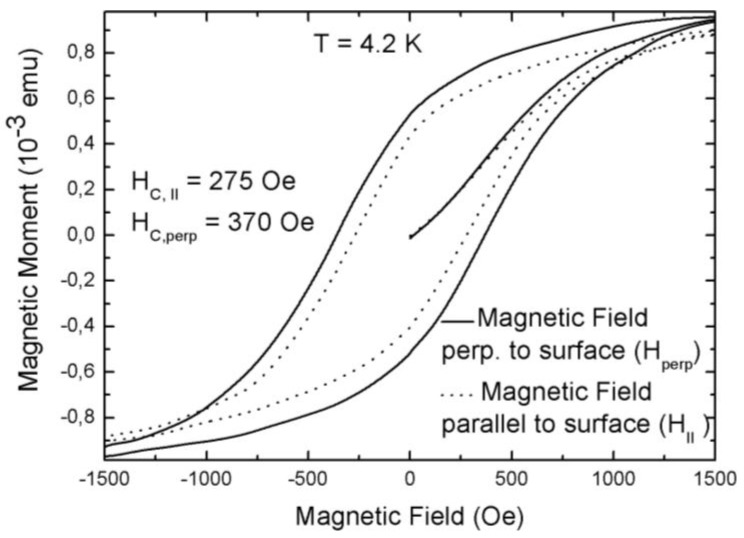
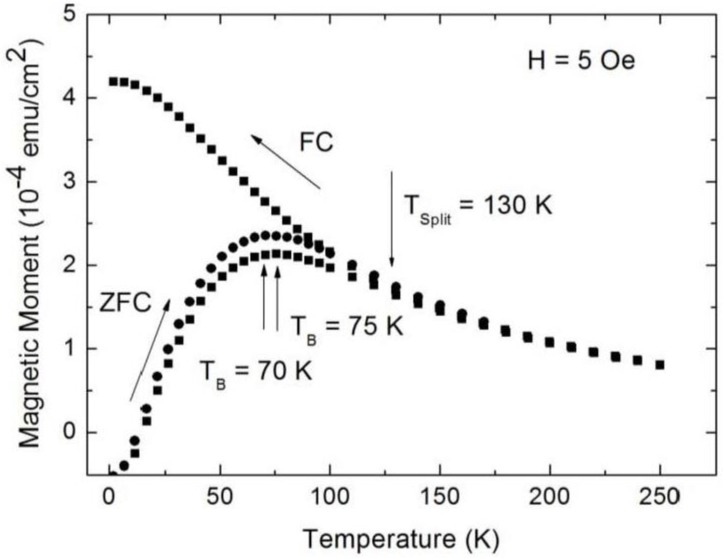
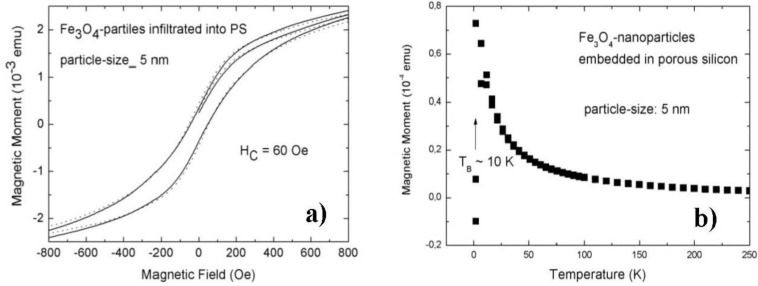
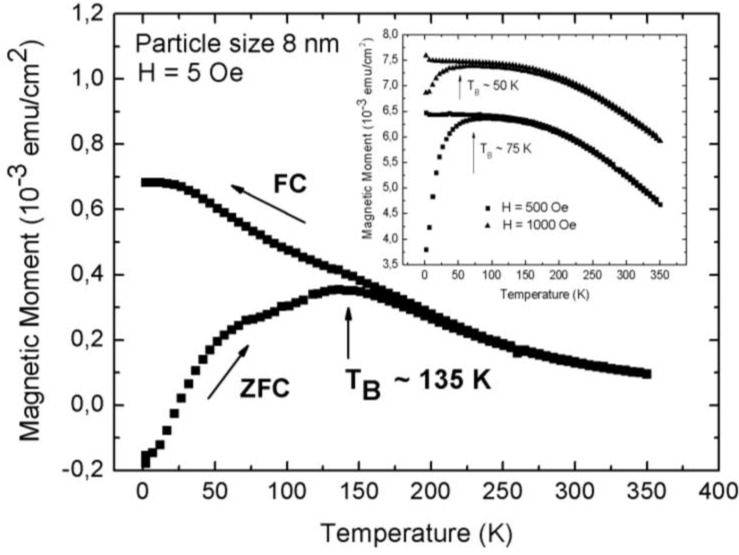
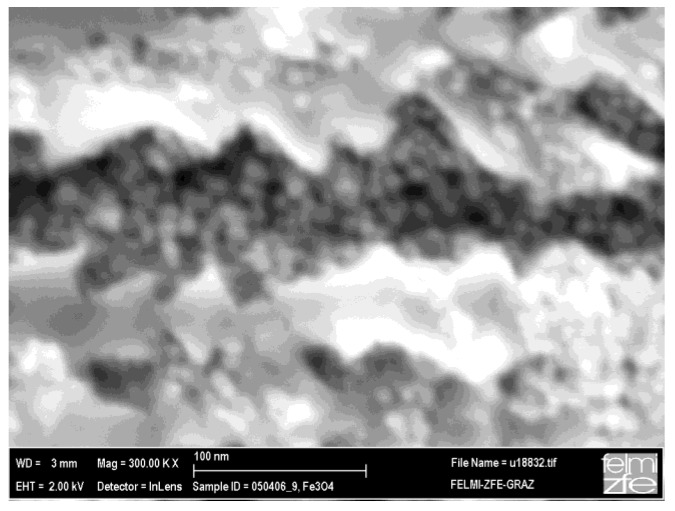
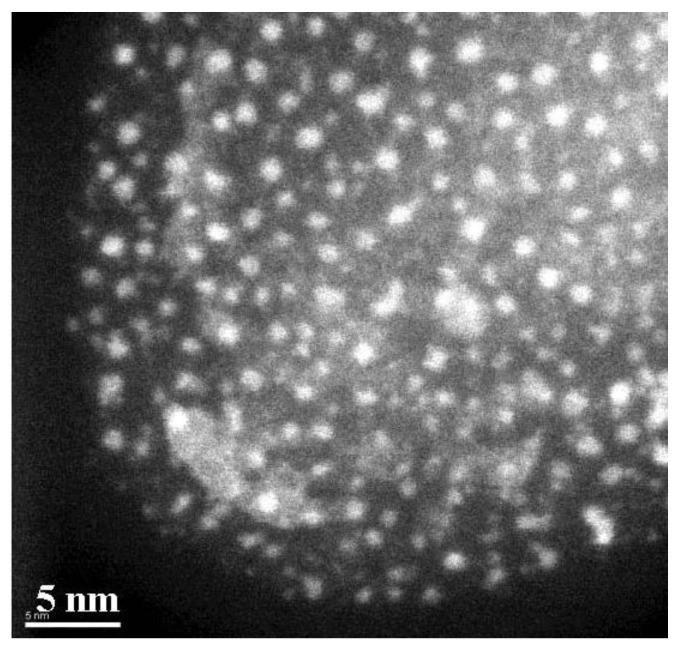
This paper represents a short overview of nanocomposites consisting of magnetic nanoparticles incorporated into the pores of a porous silicon matrix by two different methods. On the one hand, nickel is electrochemically deposited whereas the nanoparticles are precipitated on the pore walls. The size of these particles is between 2 and 6 nm. These particles cover the pore walls and form a tube-like arrangement. On the other hand, rather well monodispersed iron oxide nanoparticles, of 5 and 8 nm respectively, are infiltrated into the pores. From their size the particles would be superparamagnetic if isolated but due to magnetic interactions between them, ordering of magnetic moments occurs below a blocking temperature and thus the composite system displays a ferromagnetic behavior. This transition temperature of the nanocomposite can be varied by changing the filling factor of the particles within the pores. Thus samples with magnetic properties which are variable in a broad range can be achieved, which renders this composite system interesting not only for basic research but also for applications, especially because of the silicon base material which makes it possible for today's process technology.
本文简要概述了通过两种不同方法将磁性纳米颗粒掺入多孔硅基质孔中的纳米复合材料。一方面,镍通过电化学沉积,而纳米颗粒沉淀在孔壁上。这些颗粒的尺寸在2至6纳米之间。这些颗粒覆盖孔壁并形成管状排列。另一方面,分别为5纳米和8纳米的相当均匀分散的氧化铁纳米颗粒被渗入孔中。从尺寸来看,如果这些颗粒孤立存在将具有超顺磁性,但由于它们之间的磁相互作用,在低于阻塞温度时磁矩会发生有序排列,因此复合系统呈现出铁磁行为。通过改变孔内颗粒的填充因子,可以改变纳米复合材料的这种转变温度。因此,可以获得具有广泛可变磁性的样品,这使得这种复合系统不仅对基础研究有意义,而且对应用也很有吸引力,特别是因为硅基材料使得当今的加工技术成为可能。