Guzzetta Giorgio, Trentini Filippo, Poletti Piero, Baldacchino Frederic Alexandre, Montarsi Fabrizio, Capelli Gioia, Rizzoli Annapaola, Rosà Roberto, Merler Stefano, Melegaro Alessia
Fondazione Bruno Kessler, Trento, Italy.
Dondena Centre for Research on Social Dynamics and Public Policy, Bocconi University, Milan, Italy.
PLoS Negl Trop Dis. 2017 Sep 11;11(9):e0005918. doi: 10.1371/journal.pntd.0005918. eCollection 2017 Sep.
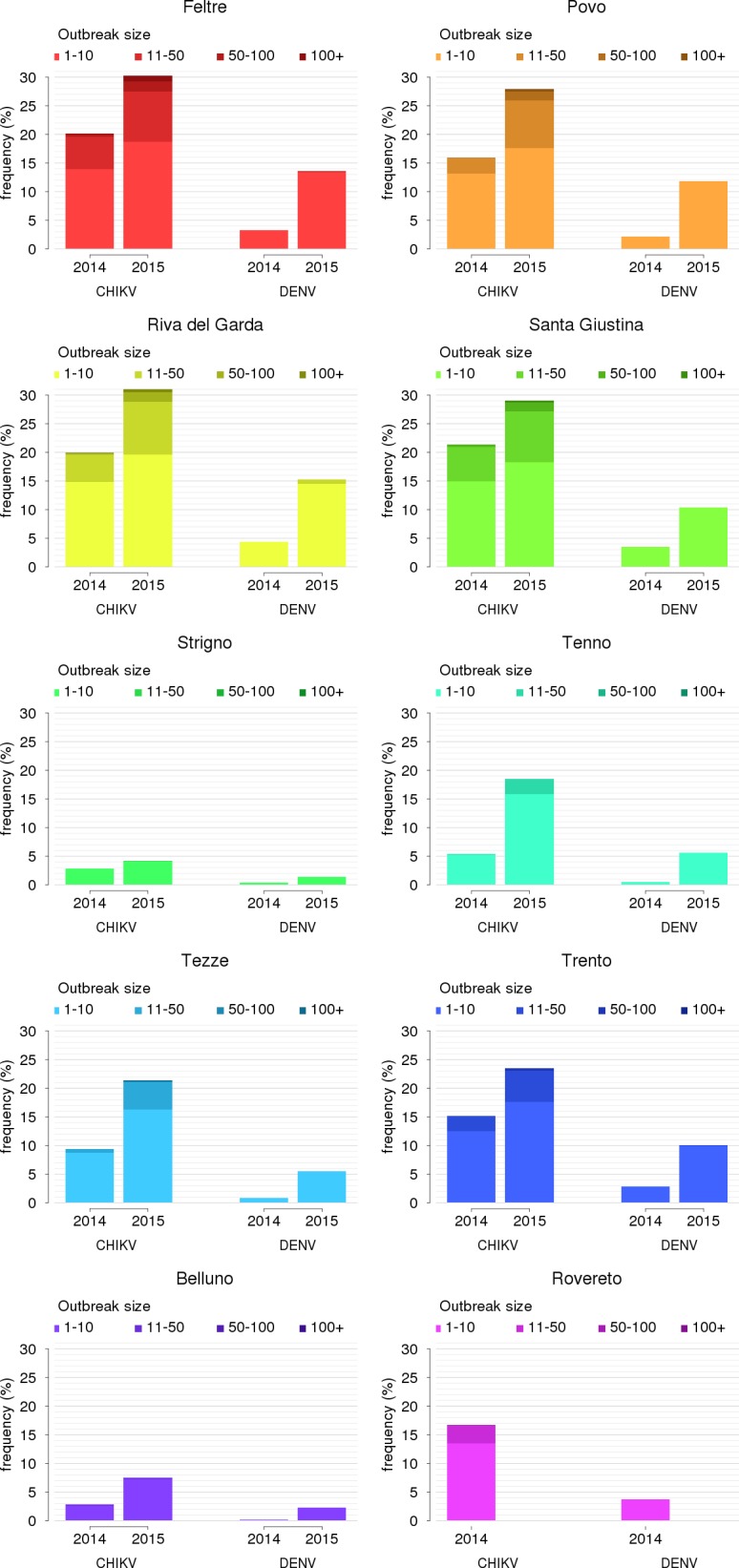
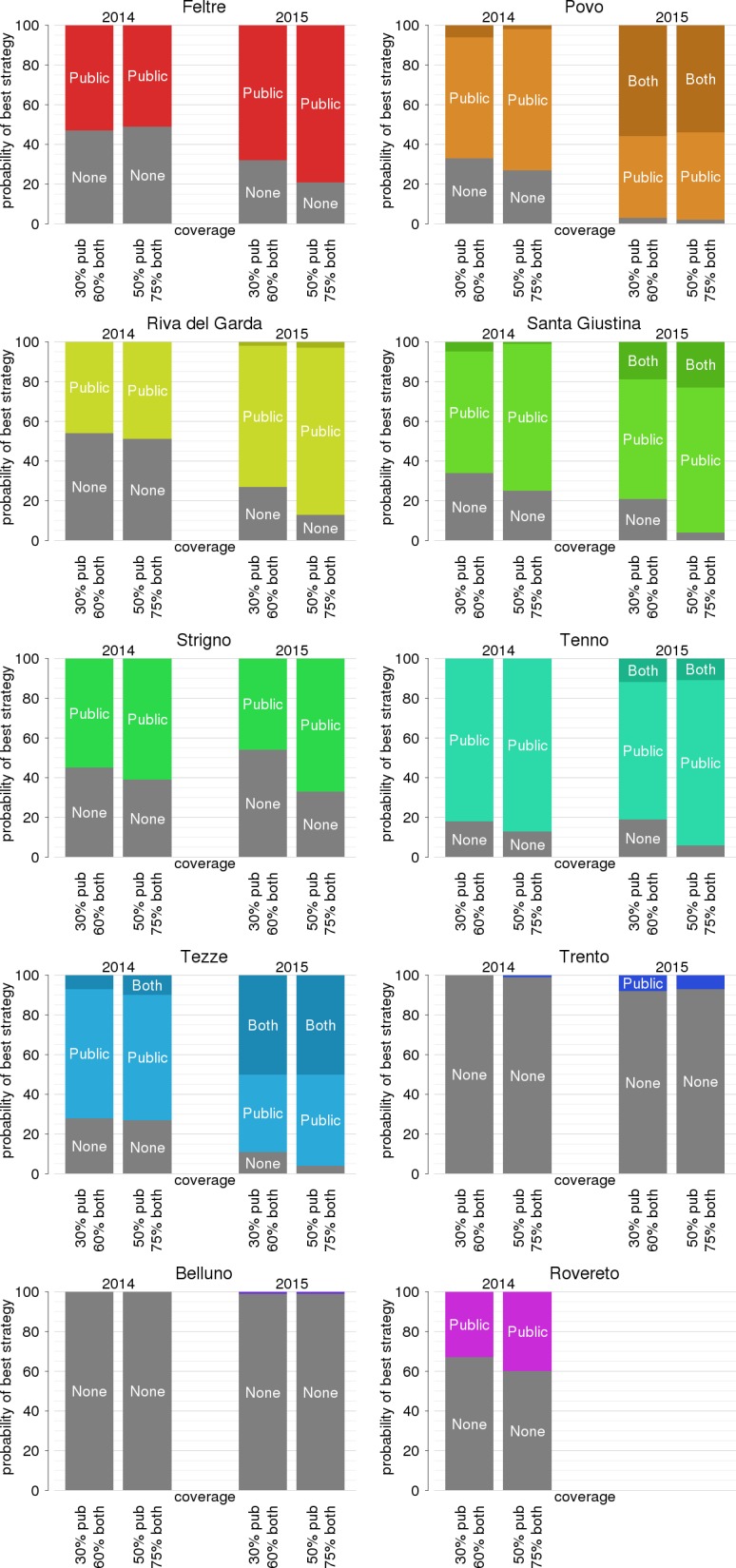
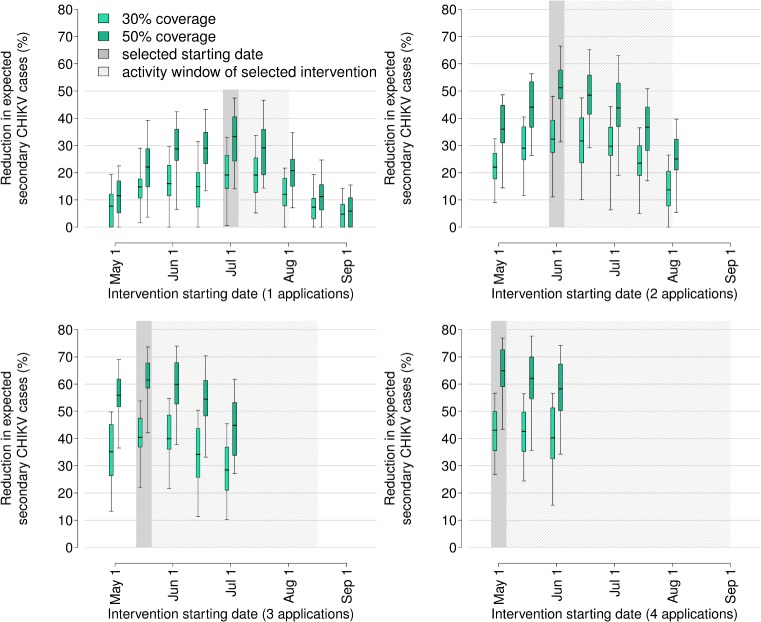
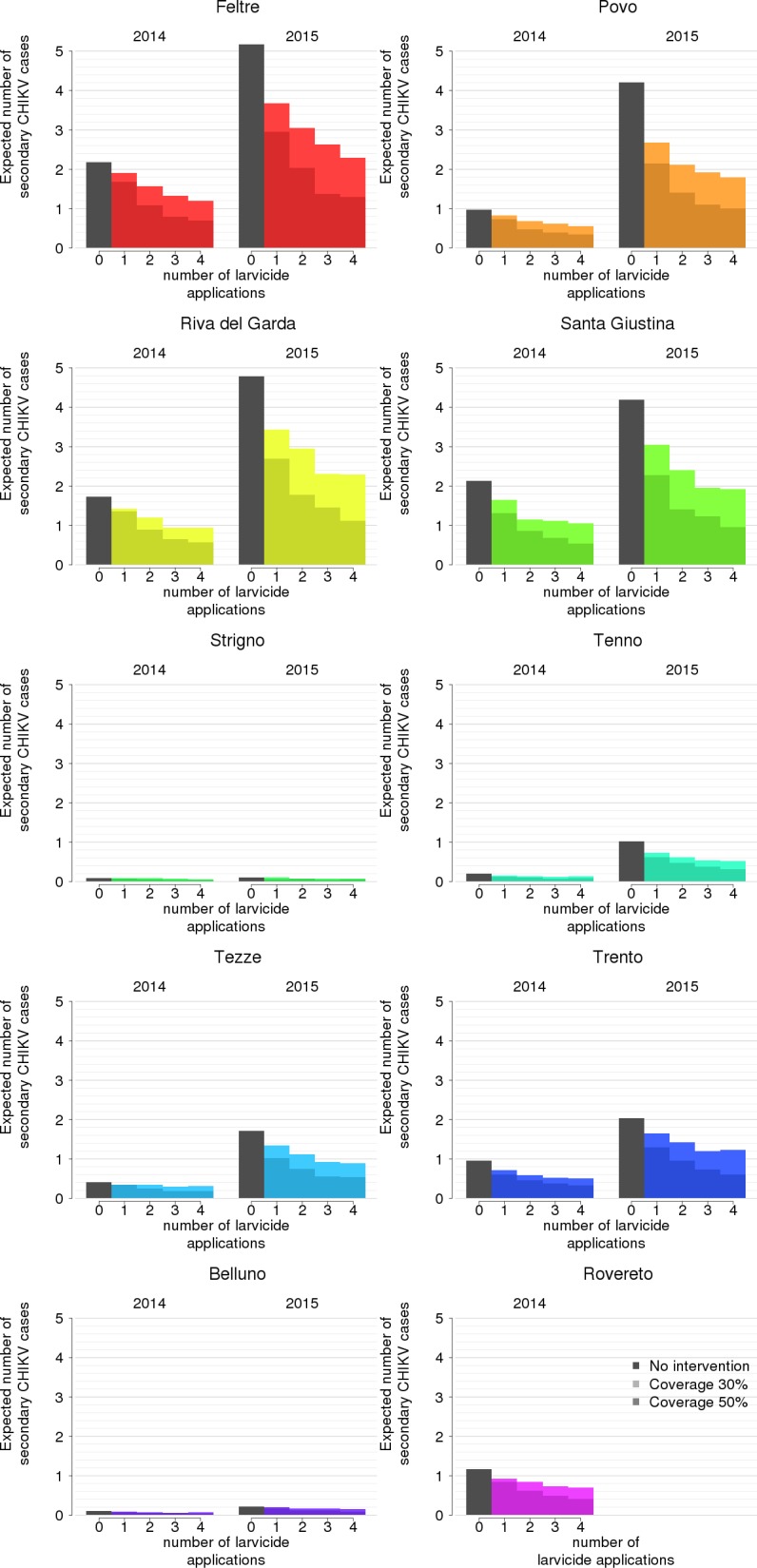
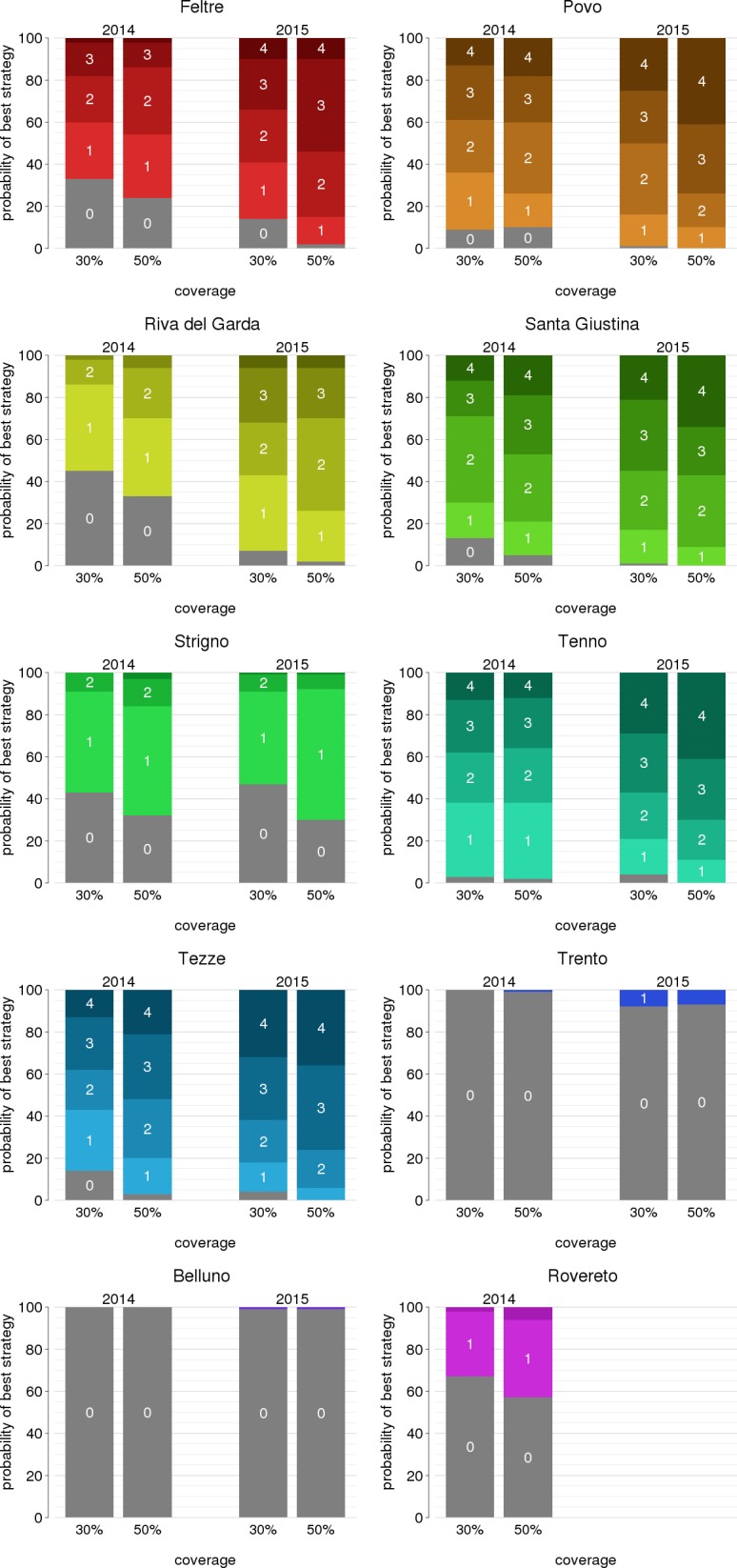
In the last decades, several European countries where arboviral infections are not endemic have faced outbreaks of diseases such as chikungunya and dengue, initially introduced by infectious travellers from tropical endemic areas and then spread locally via mosquito bites. To keep in check the epidemiological risk, interventions targeted to control vector abundance can be implemented by local authorities. We assessed the epidemiological effectiveness and economic costs and benefits of routine larviciding in European towns with temperate climate, using a mathematical model of Aedes albopictus populations and viral transmission, calibrated on entomological surveillance data collected from ten municipalities in Northern Italy during 2014 and 2015.We found that routine larviciding of public catch basins can limit both the risk of autochthonous transmission and the size of potential epidemics. Ideal larvicide interventions should be timed in such a way to cover the month of July. Optimally timed larviciding can reduce locally transmitted cases of chikungunya by 20% - 33% for a single application (dengue: 18-22%) and up to 43% - 65% if treatment is repeated four times throughout the season (dengue: 31-51%). In larger municipalities (>35,000 inhabitants), the cost of comprehensive larviciding over the whole urban area overcomes potential health benefits related to preventing cases of disease, suggesting the adoption of more localized interventions. Small/medium sized towns with high mosquito abundance will likely have a positive cost-benefit balance. Involvement of private citizens in routine larviciding activities further reduces transmission risks but with disproportionate costs of intervention. International travels and the incidence of mosquito-borne diseases are increasing worldwide, exposing a growing number of European citizens to higher risks of potential outbreaks. Results from this study may support the planning and timing of interventions aimed to reduce the probability of autochthonous transmission as well as the nuisance for local populations living in temperate areas of Europe.
在过去几十年中,一些并非虫媒病毒感染流行地区的欧洲国家面临了基孔肯雅热和登革热等疾病的疫情,这些疾病最初由来自热带流行地区的感染旅行者传入,随后通过蚊虫叮咬在当地传播。为控制流行病学风险,地方当局可实施旨在控制病媒数量的干预措施。我们使用白纹伊蚊种群和病毒传播的数学模型,根据2014年和2015年从意大利北部十个城市收集的昆虫学监测数据进行校准,评估了在气候温和的欧洲城镇进行常规杀幼虫措施的流行病学效果以及经济成本和效益。我们发现,对公共集水池进行常规杀幼虫处理可以限制本地传播风险和潜在疫情的规模。理想的杀幼虫干预措施应选择在7月进行。最佳时机进行的杀幼虫处理单次应用可将基孔肯雅热的本地传播病例减少20% - 33%(登革热:18 - 22%),如果在整个季节重复处理四次,则可减少多达43% - 65%(登革热:31 - 51%)。在较大的城市(>35000居民),整个市区全面杀幼虫的成本超过了预防疾病病例所带来的潜在健康益处,这表明应采用更具针对性的干预措施。蚊虫数量较多的中小城镇可能会有正的成本效益平衡。让公民参与常规杀幼虫活动可进一步降低传播风险,但干预成本过高。国际旅行和蚊媒疾病的发病率在全球范围内不断上升,使越来越多的欧洲公民面临潜在疫情爆发的更高风险。本研究结果可能有助于支持旨在降低本地传播可能性以及减少欧洲温带地区当地居民困扰的干预措施的规划和时机选择。