Belair David G, Wolf Cynthia J, Wood Carmen, Ren Hongzu, Grindstaff Rachel, Padgett William, Swank Adam, MacMillan Denise, Fisher Anna, Winnik Witold, Abbott Barbara D
Toxicity Assessment Division, US EPA, Office of Research and Development, National Health and Environmental Effects Research Laboratory, Research Triangle Park, North Carolina, United States of America.
Research Cores Unit, US EPA, Office of Research and Development, National Health and Environmental Effects Research Laboratory, Research Triangle Park, North Carolina, United States of America.
PLoS One. 2017 Sep 12;12(9):e0184155. doi: 10.1371/journal.pone.0184155. eCollection 2017.
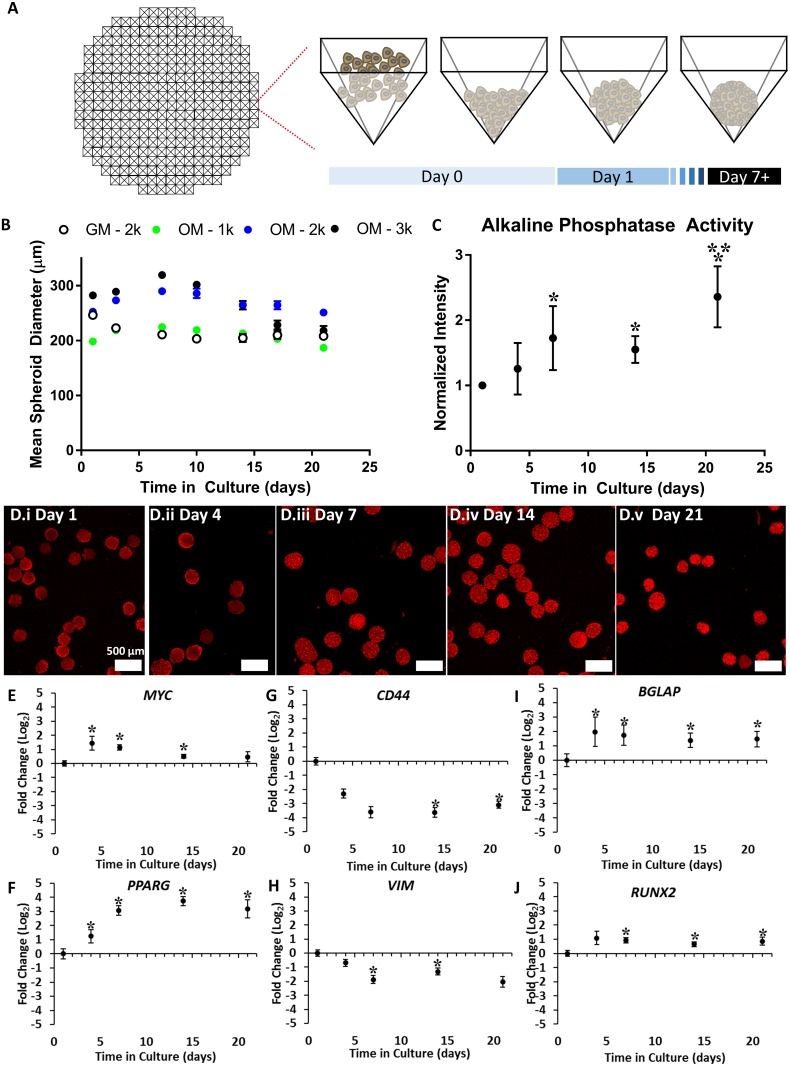
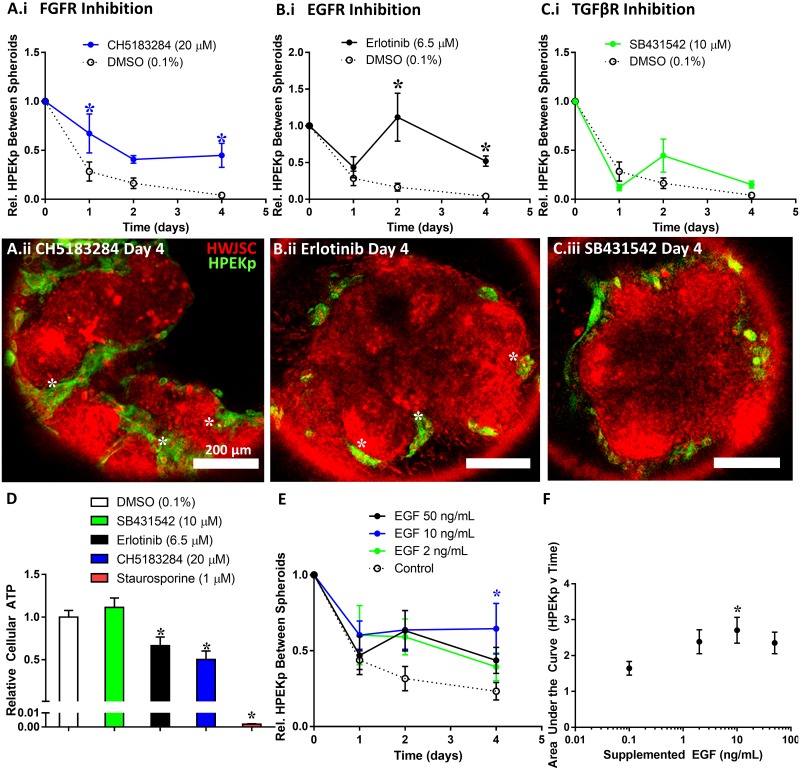
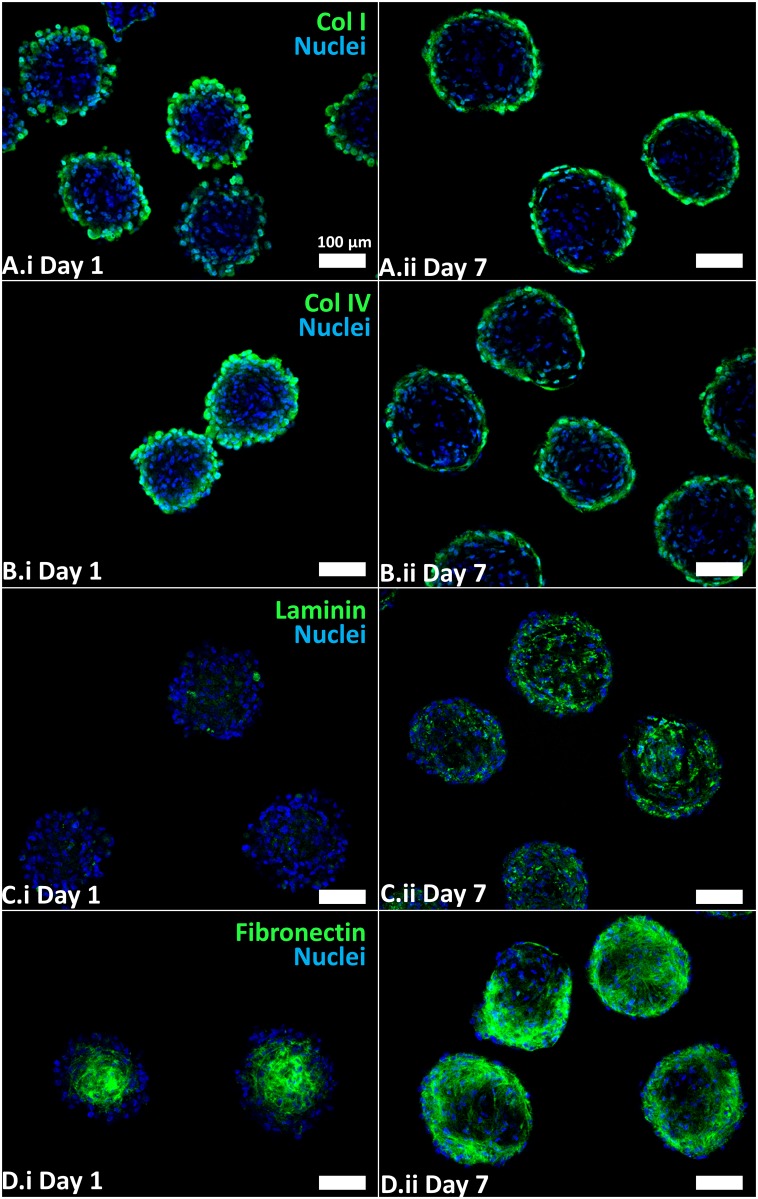
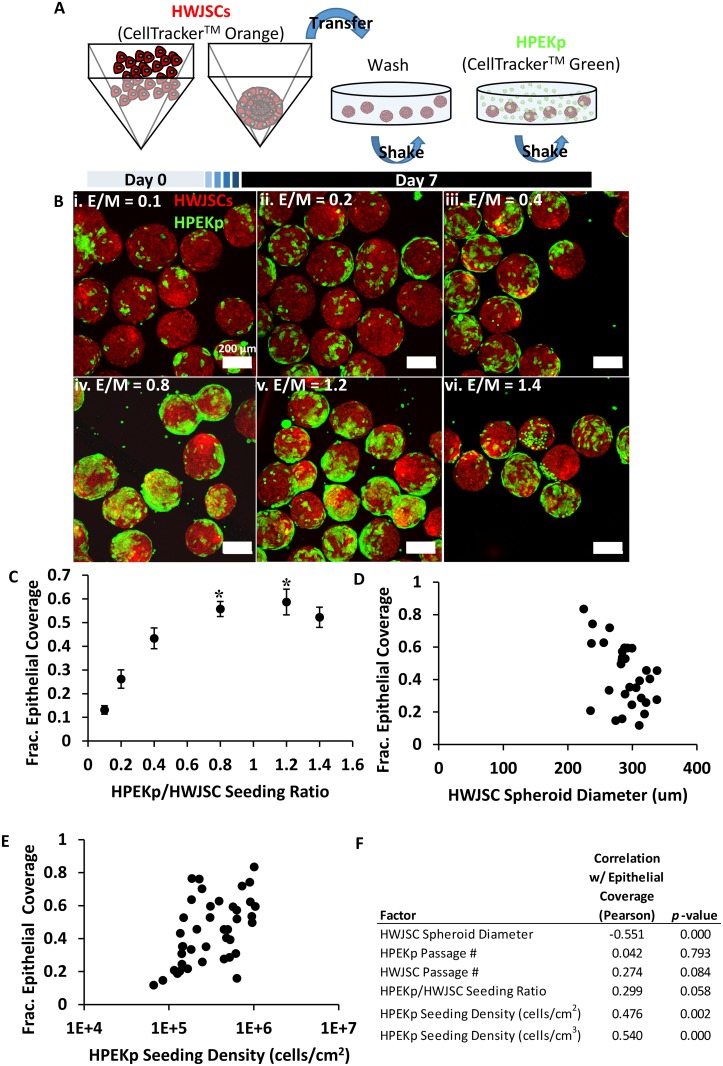
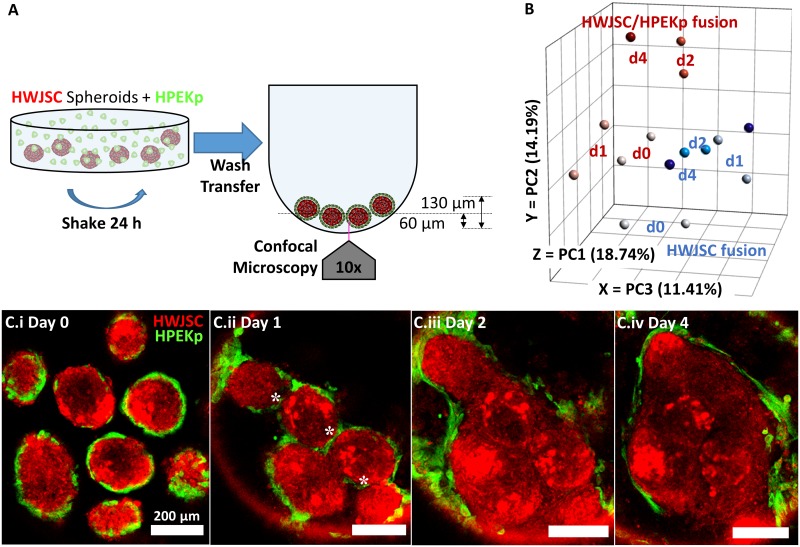
Epithelial-mesenchymal interactions drive embryonic fusion events during development, and perturbations of these interactions can result in birth defects. Cleft palate and neural tube defects can result from genetic defects or environmental exposures during development, yet very little is known about the effect of chemical exposures on fusion events during human development because of a lack of relevant and robust human in vitro assays of developmental fusion behavior. Given the etiology and prevalence of cleft palate and the relatively simple architecture and composition of the embryonic palate, we sought to develop a three-dimensional culture system that mimics the embryonic palate and could be used to study fusion behavior in vitro using human cells. We engineered size-controlled human Wharton's Jelly stromal cell (HWJSC) spheroids and established that 7 days of culture in osteogenesis differentiation medium was sufficient to promote an osteogenic phenotype consistent with embryonic palatal mesenchyme. HWJSC spheroids supported the attachment of human epidermal keratinocyte progenitor cells (HPEKp) on the outer spheroid surface likely through deposition of collagens I and IV, fibronectin, and laminin by mesenchymal spheroids. HWJSC spheroids coated in HPEKp cells exhibited fusion behavior in culture, as indicated by the removal of epithelial cells from the seams between spheroids, that was dependent on epidermal growth factor signaling and fibroblast growth factor signaling in agreement with palate fusion literature. The method described here may broadly apply to the generation of three-dimensional epithelial-mesenchymal co-cultures to study developmental fusion events in a format that is amenable to predictive toxicology applications.
上皮-间充质相互作用在发育过程中驱动胚胎融合事件,这些相互作用的扰动可导致出生缺陷。腭裂和神经管缺陷可能由发育过程中的遗传缺陷或环境暴露引起,但由于缺乏相关且可靠的人类发育融合行为体外试验,关于化学暴露对人类发育过程中融合事件的影响知之甚少。鉴于腭裂的病因和患病率以及胚胎腭相对简单的结构和组成,我们试图开发一种模拟胚胎腭的三维培养系统,该系统可用于使用人类细胞在体外研究融合行为。我们构建了尺寸可控的人脐带华通氏胶基质细胞(HWJSC)球体,并确定在成骨分化培养基中培养7天足以促进与胚胎腭间充质一致的成骨表型。HWJSC球体可能通过间充质球体沉积I型和IV型胶原蛋白、纤连蛋白和层粘连蛋白,支持人表皮角质形成细胞祖细胞(HPEKp)附着在球体表面。如球体间缝隙处上皮细胞的去除所示,涂有HPEKp细胞的HWJSC球体在培养中表现出融合行为,这取决于表皮生长因子信号和成纤维细胞生长因子信号,与腭融合文献一致。本文所述方法可能广泛适用于生成三维上皮-间充质共培养物,以一种适用于预测毒理学应用的形式研究发育融合事件。