Dalege Jonas, Borsboom Denny, van Harreveld Frenk, van der Maas Han L J
Department of Psychology, University of Amsterdam, Amsterdam, the Netherlands.
Soc Psychol Personal Sci. 2017 Jul;8(5):528-537. doi: 10.1177/1948550617709827. Epub 2017 Jul 10.
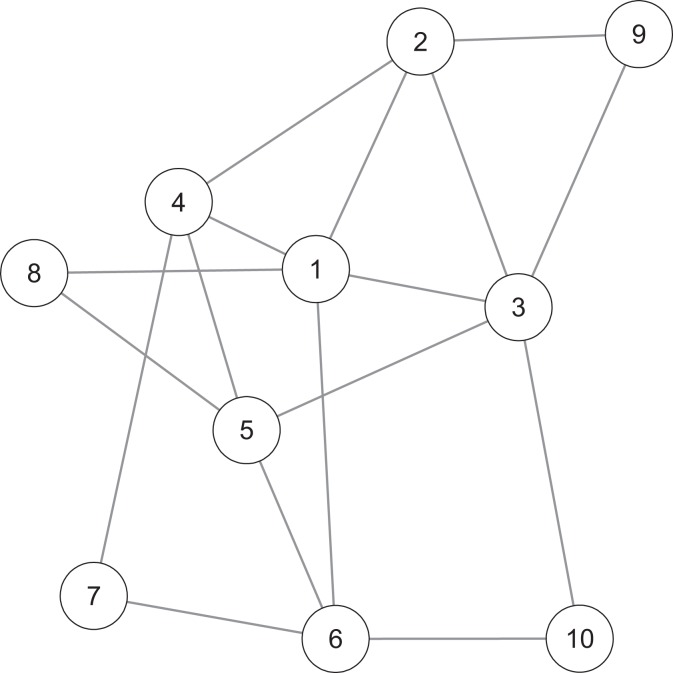
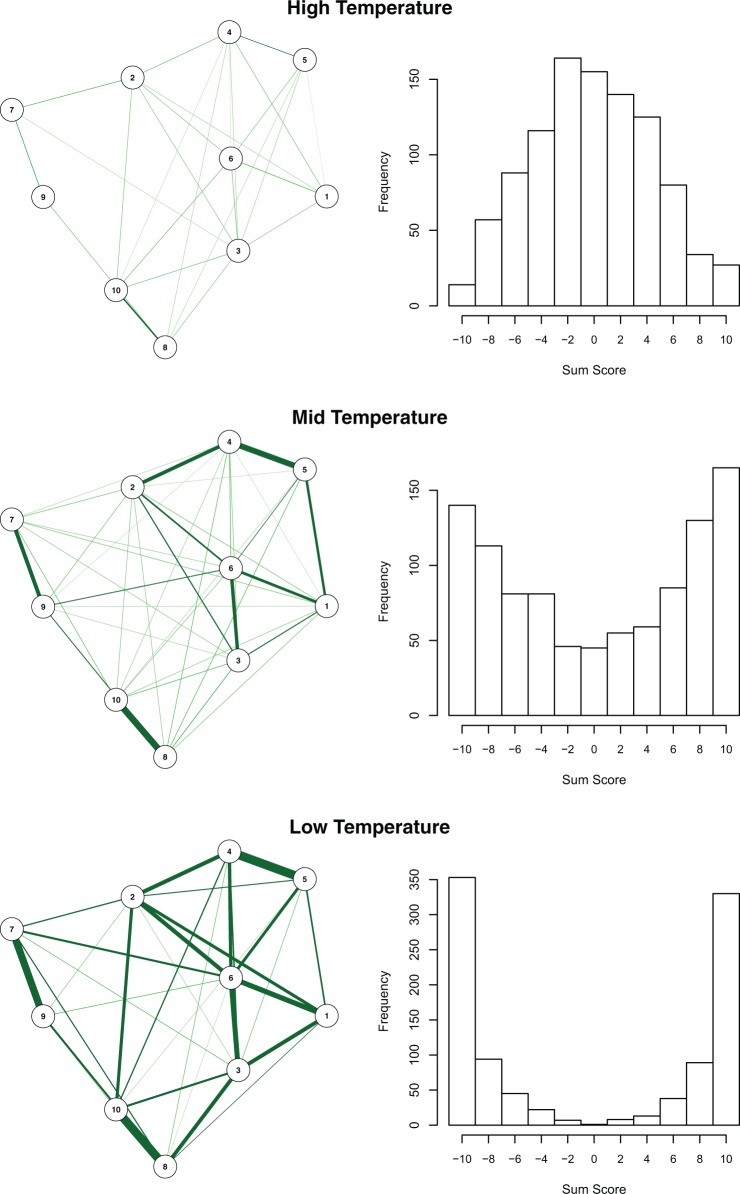
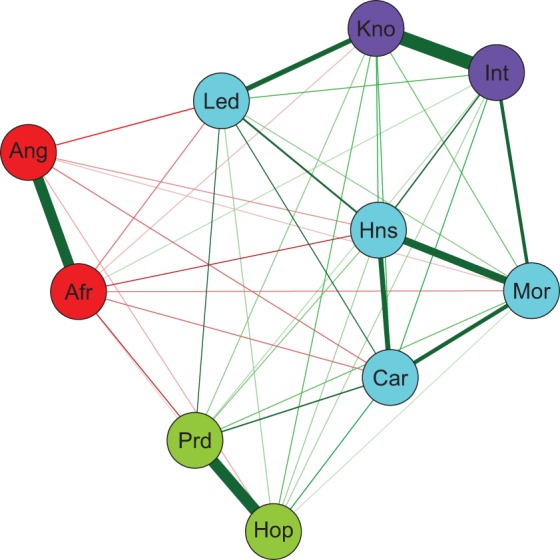
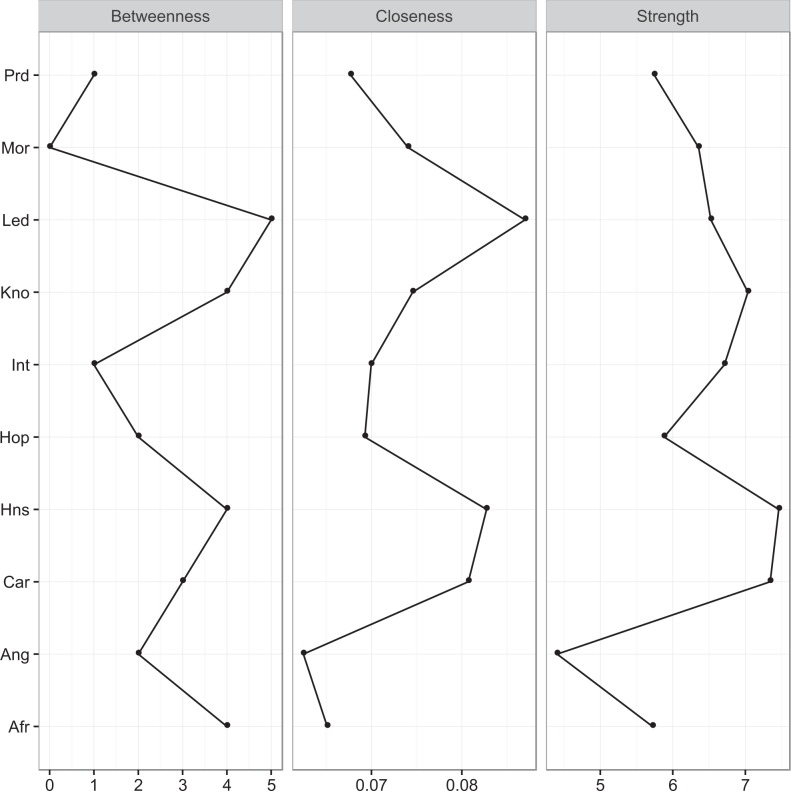
In this article, we provide a brief tutorial on the estimation, analysis, and simulation on attitude networks using the programming language R. We first discuss what a network is and subsequently show how one can estimate a regularized network on typical attitude data. For this, we use open-access data on the attitudes toward Barack Obama during the 2012 American presidential election. Second, we show how one can calculate standard network measures such as community structure, centrality, and connectivity on this estimated attitude network. Third, we show how one can simulate from an estimated attitude network to derive predictions from attitude networks. By this, we highlight that network theory provides a framework for both testing and developing formalized hypotheses on attitudes and related core social psychological constructs.
在本文中,我们提供了一个关于使用编程语言R对态度网络进行估计、分析和模拟的简短教程。我们首先讨论什么是网络,随后展示如何在典型的态度数据上估计一个正则化网络。为此,我们使用了2012年美国总统大选期间关于对巴拉克·奥巴马态度的开放获取数据。其次,我们展示如何在这个估计出的态度网络上计算诸如社区结构、中心性和连通性等标准网络指标。第三,我们展示如何从一个估计出的态度网络进行模拟,以从态度网络中得出预测。通过这样做,我们强调网络理论为检验和发展关于态度及相关核心社会心理结构的形式化假设提供了一个框架。