• 文献检索
  • 文档翻译
  • 深度研究
  • 学术资讯
  • Suppr Zotero 插件Zotero 插件
  • 邀请有礼
  • 套餐&价格
  • 历史记录
应用&插件
Suppr Zotero 插件Zotero 插件浏览器插件Mac 客户端Windows 客户端微信小程序
定价
高级版会员购买积分包购买API积分包
服务
文献检索文档翻译深度研究API 文档MCP 服务
关于我们
关于 Suppr公司介绍联系我们用户协议隐私条款
关注我们

Suppr 超能文献

核心技术专利:CN118964589B侵权必究
粤ICP备2023148730 号-1Suppr @ 2026

文献检索

告别复杂PubMed语法,用中文像聊天一样搜索,搜遍4000万医学文献。AI智能推荐,让科研检索更轻松。

立即免费搜索

文件翻译

保留排版,准确专业,支持PDF/Word/PPT等文件格式,支持 12+语言互译。

免费翻译文档

深度研究

AI帮你快速写综述,25分钟生成高质量综述,智能提取关键信息,辅助科研写作。

立即免费体验

埃博拉病毒与 T 淋巴细胞上的 Tim-1 结合会引发细胞因子风暴。

Ebola Virus Binding to Tim-1 on T Lymphocytes Induces a Cytokine Storm.

机构信息

Department of Pathology, The University of Texas Medical Branch, Galveston, Texas, USA.

Galveston National Laboratory, The University of Texas Medical Branch, Galveston, Texas, USA.

出版信息

mBio. 2017 Sep 26;8(5):e00845-17. doi: 10.1128/mBio.00845-17.

DOI:10.1128/mBio.00845-17
PMID:28951472
原文链接:https://pmc.ncbi.nlm.nih.gov/articles/PMC5615193/
Abstract

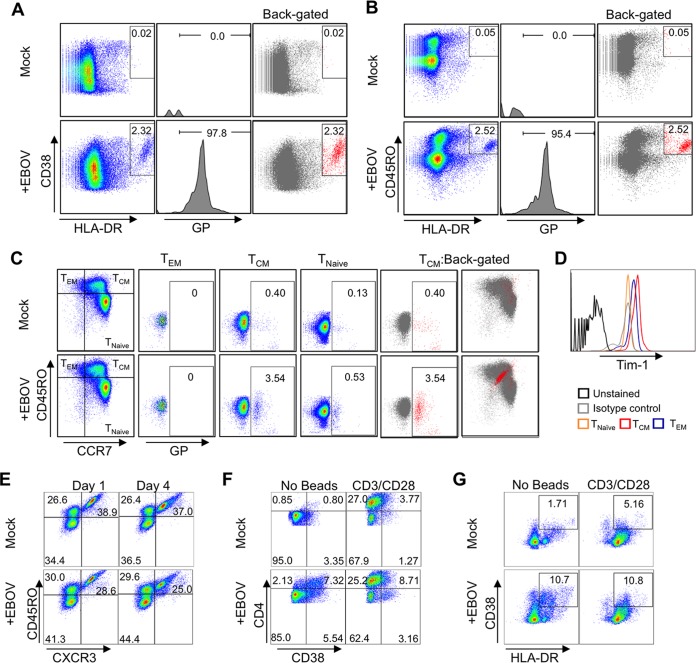
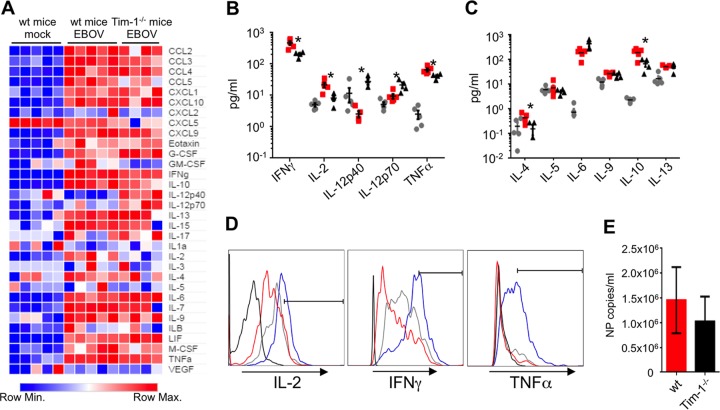
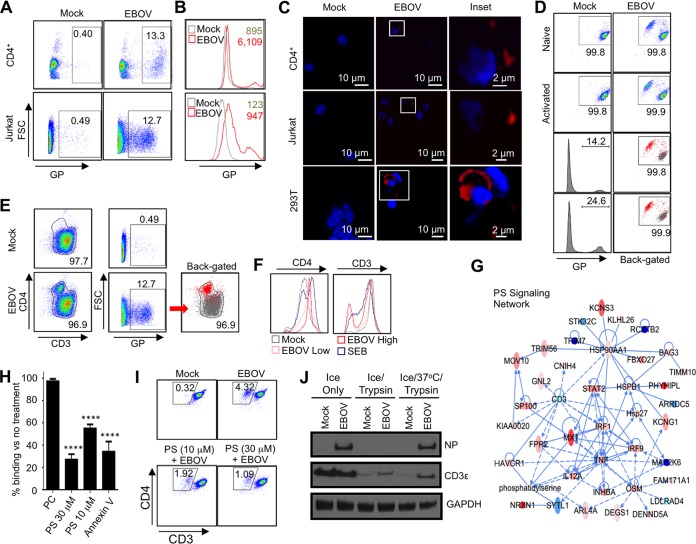
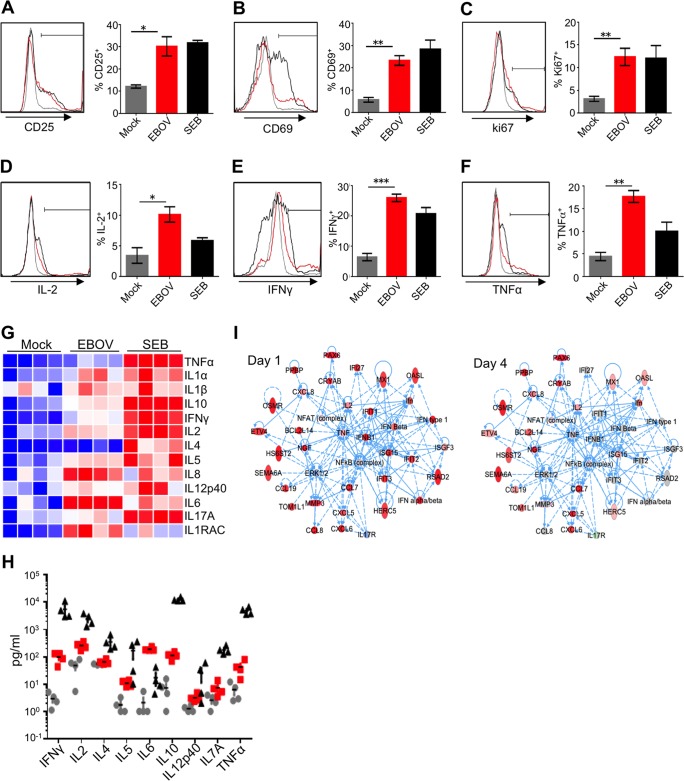
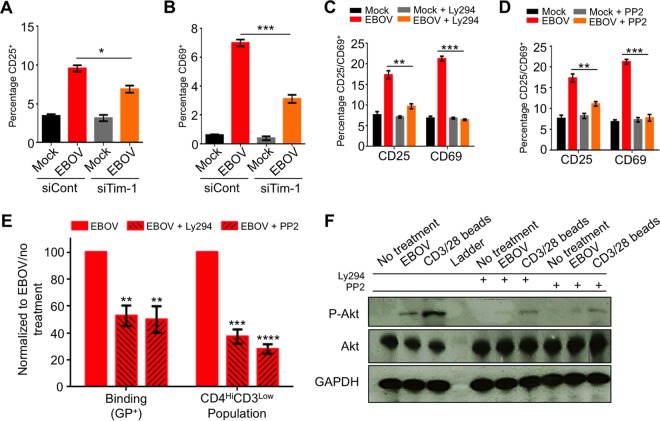
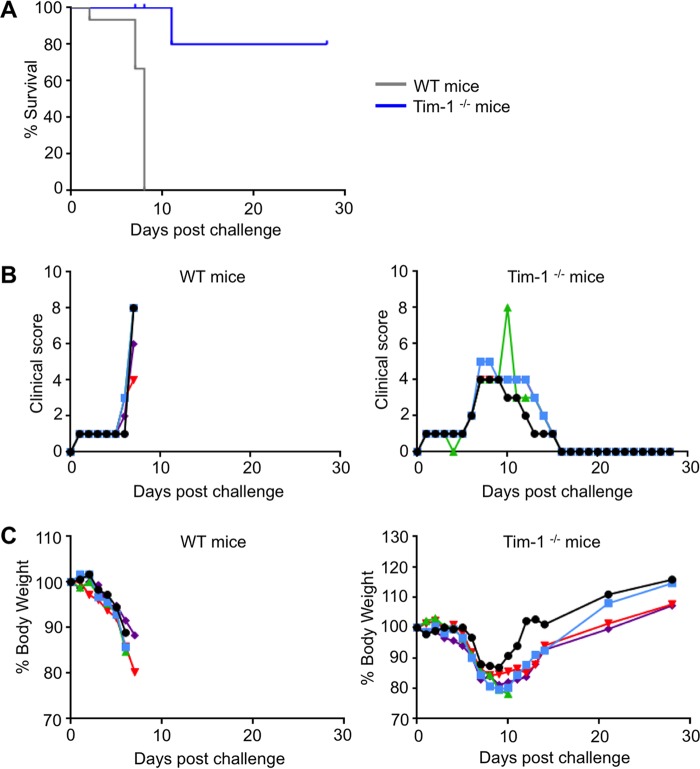
Ebola virus (EBOV) disease (EVD) results from an exacerbated immunological response that is highlighted by a burst in the production of inflammatory mediators known as a "cytokine storm." Previous reports have suggested that nonspecific activation of T lymphocytes may play a central role in this phenomenon. T-cell immunoglobulin and mucin domain-containing protein 1 (Tim-1) has recently been shown to interact with virion-associated phosphatidylserine to promote infection. Here, we demonstrate the central role of Tim-1 in EBOV pathogenesis, as Tim-1 mice exhibited increased survival rates and reduced disease severity; surprisingly, only a limited decrease in viremia was detected. Tim-1 mice exhibited a modified inflammatory response as evidenced by changes in serum cytokines and activation of T helper subsets. A series of assays based on the Tim-1 expression profile on T cells demonstrated that despite the apparent absence of detectable viral replication in T lymphocytes, EBOV directly binds to isolated T lymphocytes in a phosphatidylserine-Tim-1-dependent manner. Exposure to EBOV resulted in the rapid development of a CD4 CD3 population, non-antigen-specific activation, and cytokine production. Transcriptome and Western blot analysis of EBOV-stimulated CD4 T cells confirmed the induction of the Tim-1 signaling pathway. Furthermore, comparative analysis of transcriptome data and cytokine/chemokine analysis of supernatants highlight the similarities associated with EBOV-stimulated T cells and the onset of a cytokine storm. Flow cytometry revealed virtually exclusive binding and activation of central memory CD4 T cells. These findings provide evidence for the role of Tim-1 in the induction of a cytokine storm phenomenon and the pathogenesis of EVD. Ebola virus infection is characterized by a massive release of inflammatory mediators, which has come to be known as a cytokine storm. The severity of the cytokine storm is consistently linked with fatal disease outcome. Previous findings have demonstrated that specific T-cell subsets are key contributors to the onset of a cytokine storm. In this study, we investigated the role of Tim-1, a T-cell-receptor-independent trigger of T-cell activation. We first demonstrated that Tim-1-knockout (KO) mice survive lethal Ebola virus challenge. We then used a series of assays to demonstrate that Ebola virus directly binds primary T cells in a Tim-1-phosphatidylserine-dependent manner. We noted that binding induces a cytokine storm-like phenomenon and that blocking Tim-1-phosphatidylserine interactions reduces viral binding, T-cell activation, and cytokine production. These findings highlight a previously unknown role of Tim-1 in the development of a cytokine storm and "immune paralysis."

摘要

埃博拉病毒(EBOV)病(EVD)是由炎症介质的爆发引起的免疫反应加剧所致,这些介质被称为“细胞因子风暴”。先前的报告表明,非特异性激活 T 淋巴细胞可能在这种现象中起核心作用。T 细胞免疫球蛋白和粘蛋白结构域包含蛋白 1(Tim-1)最近已被证明与病毒相关的磷脂酰丝氨酸相互作用以促进感染。在这里,我们证明了 Tim-1 在 EBOV 发病机制中的核心作用,因为 Tim-1 小鼠表现出存活率增加和疾病严重程度降低;令人惊讶的是,仅检测到病毒血症的有限下降。Tim-1 小鼠表现出炎症反应的改变,表现为血清细胞因子的变化和 T 辅助亚群的激活。一系列基于 T 细胞上的 Tim-1 表达谱的测定表明,尽管在 T 淋巴细胞中明显没有检测到可检测的病毒复制,但 EBOV 以磷脂酰丝氨酸-Tim-1 依赖性方式直接结合分离的 T 淋巴细胞。暴露于 EBOV 导致 CD4 CD3 群体的快速发展,非抗原特异性激活和细胞因子产生。EBOV 刺激的 CD4 T 细胞的转录组和 Western blot 分析证实了 Tim-1 信号通路的诱导。此外,对 EBOV 刺激的 T 细胞的转录组数据和上清液中细胞因子/趋化因子分析的比较分析突出了与 EBOV 刺激的 T 细胞和细胞因子风暴发作相关的相似性。流式细胞术揭示了中央记忆 CD4 T 细胞的几乎排他性结合和激活。这些发现为 Tim-1 在诱导细胞因子风暴现象和 EVD 发病机制中的作用提供了证据。埃博拉病毒感染的特征是炎症介质的大量释放,这已被称为细胞因子风暴。细胞因子风暴的严重程度与致命疾病结局一致相关。先前的研究表明,特定的 T 细胞亚群是细胞因子风暴发作的关键贡献者。在这项研究中,我们研究了 Tim-1 的作用,Tim-1 是 T 细胞激活的独立于 T 细胞受体的触发因素。我们首先证明了 Tim-1 敲除(KO)小鼠在致命的埃博拉病毒攻击下存活。然后,我们使用一系列测定来证明埃博拉病毒以 Tim-1-磷脂酰丝氨酸依赖性方式直接结合原代 T 细胞。我们注意到,结合诱导细胞因子风暴样现象,并且阻断 Tim-1-磷脂酰丝氨酸相互作用可降低病毒结合,T 细胞激活和细胞因子产生。这些发现突出了 Tim-1 在细胞因子风暴和“免疫麻痹”发展中的先前未知作用。
https://cdn.ncbi.nlm.nih.gov/pmc/blobs/3912/5615193/3ad2fb541646/mbo0051734940006.jpg
https://cdn.ncbi.nlm.nih.gov/pmc/blobs/3912/5615193/da863b47ad84/mbo0051734940001.jpg
https://cdn.ncbi.nlm.nih.gov/pmc/blobs/3912/5615193/4f5026158645/mbo0051734940002.jpg
https://cdn.ncbi.nlm.nih.gov/pmc/blobs/3912/5615193/4b9bbf943718/mbo0051734940003.jpg
https://cdn.ncbi.nlm.nih.gov/pmc/blobs/3912/5615193/31223829c2a4/mbo0051734940004.jpg
https://cdn.ncbi.nlm.nih.gov/pmc/blobs/3912/5615193/a551e3b5139d/mbo0051734940005.jpg
https://cdn.ncbi.nlm.nih.gov/pmc/blobs/3912/5615193/3ad2fb541646/mbo0051734940006.jpg
https://cdn.ncbi.nlm.nih.gov/pmc/blobs/3912/5615193/da863b47ad84/mbo0051734940001.jpg
https://cdn.ncbi.nlm.nih.gov/pmc/blobs/3912/5615193/4f5026158645/mbo0051734940002.jpg
https://cdn.ncbi.nlm.nih.gov/pmc/blobs/3912/5615193/4b9bbf943718/mbo0051734940003.jpg
https://cdn.ncbi.nlm.nih.gov/pmc/blobs/3912/5615193/31223829c2a4/mbo0051734940004.jpg
https://cdn.ncbi.nlm.nih.gov/pmc/blobs/3912/5615193/a551e3b5139d/mbo0051734940005.jpg
https://cdn.ncbi.nlm.nih.gov/pmc/blobs/3912/5615193/3ad2fb541646/mbo0051734940006.jpg

相似文献

1
Ebola Virus Binding to Tim-1 on T Lymphocytes Induces a Cytokine Storm.埃博拉病毒与 T 淋巴细胞上的 Tim-1 结合会引发细胞因子风暴。
mBio. 2017 Sep 26;8(5):e00845-17. doi: 10.1128/mBio.00845-17.
2
TIM-1 serves as a receptor for Ebola virus in vivo, enhancing viremia and pathogenesis.TIM-1 在体内作为埃博拉病毒的受体,增强病毒血症和发病机制。
PLoS Negl Trop Dis. 2019 Jun 26;13(6):e0006983. doi: 10.1371/journal.pntd.0006983. eCollection 2019 Jun.
3
Characterization of Human and Murine T-Cell Immunoglobulin Mucin Domain 4 (TIM-4) IgV Domain Residues Critical for Ebola Virus Entry.对埃博拉病毒进入至关重要的人源和鼠源T细胞免疫球蛋白粘蛋白结构域4(TIM-4)IgV结构域残基的表征
J Virol. 2016 Jun 10;90(13):6097-6111. doi: 10.1128/JVI.00100-16. Print 2016 Jul 1.
4
Biomechanical characterization of TIM protein-mediated Ebola virus-host cell adhesion.TIM 蛋白介导埃博拉病毒-宿主细胞黏附的生物力学特性。
Sci Rep. 2019 Jan 22;9(1):267. doi: 10.1038/s41598-018-36449-2.
5
Ebolaviruses Associated with Differential Pathogenicity Induce Distinct Host Responses in Human Macrophages.与不同致病性相关的埃博拉病毒在人类巨噬细胞中引发不同的宿主反应。
J Virol. 2017 May 12;91(11). doi: 10.1128/JVI.00179-17. Print 2017 Jun 1.
6
The Toll-Like Receptor 4 Antagonist Eritoran Protects Mice from Lethal Filovirus Challenge.Toll样受体4拮抗剂埃瑞托单抗可保护小鼠免受致死性丝状病毒攻击。
mBio. 2017 Apr 25;8(2):e00226-17. doi: 10.1128/mBio.00226-17.
7
Role of the phosphatidylserine receptor TIM-1 in enveloped-virus entry.TIM-1 磷脂酰丝氨酸受体在包膜病毒进入中的作用。
J Virol. 2013 Aug;87(15):8327-41. doi: 10.1128/JVI.01025-13. Epub 2013 May 22.
8
Ebola virus glycoprotein directly triggers T lymphocyte death despite of the lack of infection.尽管没有感染,但埃博拉病毒糖蛋白直接引发T淋巴细胞死亡。
PLoS Pathog. 2017 May 22;13(5):e1006397. doi: 10.1371/journal.ppat.1006397. eCollection 2017 May.
9
Suppressor of Cytokine Signaling 3 Is an Inducible Host Factor That Regulates Virus Egress during Ebola Virus Infection.细胞因子信号传导抑制因子3是一种可诱导的宿主因子,在埃博拉病毒感染期间调节病毒释放。
J Virol. 2015 Oct;89(20):10399-406. doi: 10.1128/JVI.01736-15. Epub 2015 Aug 5.
10
Characterizing functional domains for TIM-mediated enveloped virus entry.鉴定 TIM 介导的包膜病毒进入的功能结构域。
J Virol. 2014 Jun;88(12):6702-13. doi: 10.1128/JVI.00300-14. Epub 2014 Apr 2.

引用本文的文献

1
ATG5 negatively regulates grass carp reovirus-induced immune-inflammatory response by degrading RIG-I and MDA5.自噬相关蛋白5(ATG5)通过降解视黄酸诱导基因I(RIG-I)和黑色素瘤分化相关基因5(MDA5)负向调节草鱼呼肠孤病毒诱导的免疫炎症反应。
J Virol. 2025 Jul 22;99(7):e0034425. doi: 10.1128/jvi.00344-25. Epub 2025 Jun 2.
2
Co-infections exacerbate inflammatory responses in COVID-19 patients, promoting coagulopathy and myocardial injury, leading to increased disease severity.合并感染会加剧新冠肺炎患者的炎症反应,引发凝血病和心肌损伤,导致疾病严重程度增加。
Front Immunol. 2025 Feb 19;16:1522313. doi: 10.3389/fimmu.2025.1522313. eCollection 2025.
3

本文引用的文献

1
Ebola virus glycoprotein directly triggers T lymphocyte death despite of the lack of infection.尽管没有感染,但埃博拉病毒糖蛋白直接引发T淋巴细胞死亡。
PLoS Pathog. 2017 May 22;13(5):e1006397. doi: 10.1371/journal.ppat.1006397. eCollection 2017 May.
2
Fighting Ebola: A Window for Vaccine Re-evaluation?抗击埃博拉:疫苗重新评估的契机?
PLoS Pathog. 2017 Jan 12;13(1):e1006037. doi: 10.1371/journal.ppat.1006037. eCollection 2017 Jan.
3
The Ebola Interferon Inhibiting Domains Attenuate and Dysregulate Cell-Mediated Immune Responses.
RNA Viruses, Toll-Like Receptors, and Cytokines: The Perfect Storm?
RNA病毒、Toll样受体与细胞因子:完美风暴?
J Innate Immun. 2025;17(1):126-153. doi: 10.1159/000543608. Epub 2025 Jan 16.
4
FSTL1 and TLR4 interact with PEDV structural proteins to promote virus adsorption to host cells.FSTL1和TLR4与猪流行性腹泻病毒结构蛋白相互作用,以促进病毒吸附到宿主细胞上。
J Virol. 2025 Jan 31;99(1):e0183724. doi: 10.1128/jvi.01837-24. Epub 2024 Dec 13.
5
Nano-Biomechanical Investigation of Phosphatidylserine-Mediated Ebola Viral Attachment via Human Gas6 and Axl.通过人 Gas6 和 Axl 对磷脂酰丝氨酸介导的埃博拉病毒附着的纳米生物力学研究
Viruses. 2024 Oct 30;16(11):1700. doi: 10.3390/v16111700.
6
The ability of human TIM1 to bind phosphatidylethanolamine enhances viral uptake and efferocytosis compared to rhesus and mouse orthologs.与恒河猴和鼠同源物相比,人 TIM1 结合磷脂酰乙醇胺的能力增强了病毒的摄取和胞噬作用。
J Virol. 2024 Nov 19;98(11):e0164924. doi: 10.1128/jvi.01649-24. Epub 2024 Oct 30.
7
The ability of human TIM1 to bind phosphatidylethanolamine enhances viral uptake and efferocytosis compared to rhesus and mouse orthologs.与恒河猴和小鼠的直系同源物相比,人类TIM1结合磷脂酰乙醇胺的能力增强了病毒摄取和胞葬作用。
bioRxiv. 2024 Jul 29:2024.07.29.605603. doi: 10.1101/2024.07.29.605603.
8
Vascular dysfunction in hemorrhagic viral fevers: opportunities for organotypic modeling.出血性病毒性发热中的血管功能障碍:器官型建模的机会。
Biofabrication. 2024 Jun 5;16(3):032008. doi: 10.1088/1758-5090/ad4c0b.
9
Phosphatidylserine externalization as immune checkpoint in cancer.磷脂酰丝氨酸外化作为癌症中的免疫检查点。
Pflugers Arch. 2024 Dec;476(12):1789-1802. doi: 10.1007/s00424-024-02948-7. Epub 2024 Apr 4.
10
An All-Dielectric Metamaterial Terahertz Biosensor for Cytokine Detection.用于细胞因子检测的全介质超材料太赫兹生物传感器。
Micromachines (Basel). 2023 Dec 26;15(1):53. doi: 10.3390/mi15010053.
埃博拉干扰素抑制结构域会减弱并失调细胞介导的免疫反应。
PLoS Pathog. 2016 Dec 8;12(12):e1006031. doi: 10.1371/journal.ppat.1006031. eCollection 2016 Dec.
4
Immune Regulation and Antitumor Effect of TIM-1.TIM-1 的免疫调节与抗肿瘤作用
J Immunol Res. 2016;2016:8605134. doi: 10.1155/2016/8605134. Epub 2016 Jun 20.
5
Kinetic Analysis of Biomarkers in a Cohort of US Patients With Ebola Virus Disease.美国埃博拉病毒病患者队列中生物标志物的动力学分析。
Clin Infect Dis. 2016 Aug 15;63(4):460-7. doi: 10.1093/cid/ciw334. Epub 2016 Jun 27.
6
Clinical development of Ebola vaccines.埃博拉疫苗的临床开发。
Ther Adv Vaccines. 2015 Sep;3(5-6):125-38. doi: 10.1177/2051013615611017.
7
Targeting GM-CSF in inflammatory diseases.针对炎症性疾病的 GM-CSF 靶向治疗。
Nat Rev Rheumatol. 2016 Jan;12(1):37-48. doi: 10.1038/nrrheum.2015.161. Epub 2015 Dec 3.
8
Use of ChAd3-EBO-Z Ebola virus vaccine in Malian and US adults, and boosting of Malian adults with MVA-BN-Filo: a phase 1, single-blind, randomised trial, a phase 1b, open-label and double-blind, dose-escalation trial, and a nested, randomised, double-blind, placebo-controlled trial.ChAd3-EBO-Z埃博拉病毒疫苗在马里和美国成年人中的应用,以及用MVA-BN-Filo对马里成年人进行加强免疫:一项1期单盲随机试验、一项1b期开放标签和双盲剂量递增试验,以及一项嵌套随机双盲安慰剂对照试验。
Lancet Infect Dis. 2016 Jan;16(1):31-42. doi: 10.1016/S1473-3099(15)00362-X. Epub 2015 Nov 4.
9
The effect of dose on the safety and immunogenicity of the VSV Ebola candidate vaccine: a randomised double-blind, placebo-controlled phase 1/2 trial.剂量对VSV埃博拉候选疫苗安全性和免疫原性的影响:一项随机双盲、安慰剂对照的1/2期试验。
Lancet Infect Dis. 2015 Oct;15(10):1156-1166. doi: 10.1016/S1473-3099(15)00154-1. Epub 2015 Aug 4.
10
The cytokine storm of severe influenza and development of immunomodulatory therapy.重症流感的细胞因子风暴与免疫调节治疗的进展
Cell Mol Immunol. 2016 Jan;13(1):3-10. doi: 10.1038/cmi.2015.74. Epub 2015 Jul 20.