Parasuraman Subramani, Raveendran Ramasamy, Rajesh Nachiappa Ganesh, Nandhakumar Subbiah
Department of Pharmacology, Jawaharlal Institute of Postgraduate Medical Education & Research (JIPMER), Puducherry 605006, India.
Unit of Pharmacology, Faculty of Pharmacy, AIMST University, Bedong-Semeling Road, Bedong 08100, Kedah, Malaysia.
Toxicol Rep. 2014 Aug 19;1:596-611. doi: 10.1016/j.toxrep.2014.08.006. eCollection 2014.
To investigate the toxicological effects of cleistanthin A and cleistanthin B using sub-chronic toxicity testing in rodents.
Cleistanthins A and B were isolated from the leaves of . Both the compounds were administered orally for 90 days at the concentration of 12.5, 25 and 50 mg/kg, and the effects on blood pressure, biochemical parameters and histology were assessed. The dose for sub-chronic toxicology was determined by fixed dose method according to OECD guidelines.
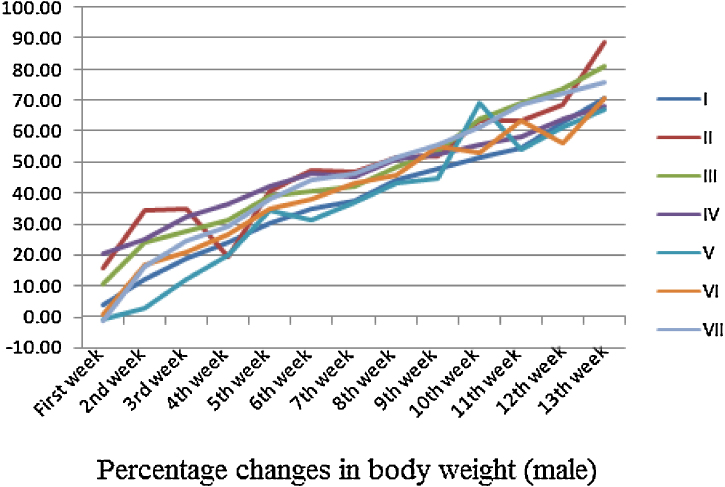
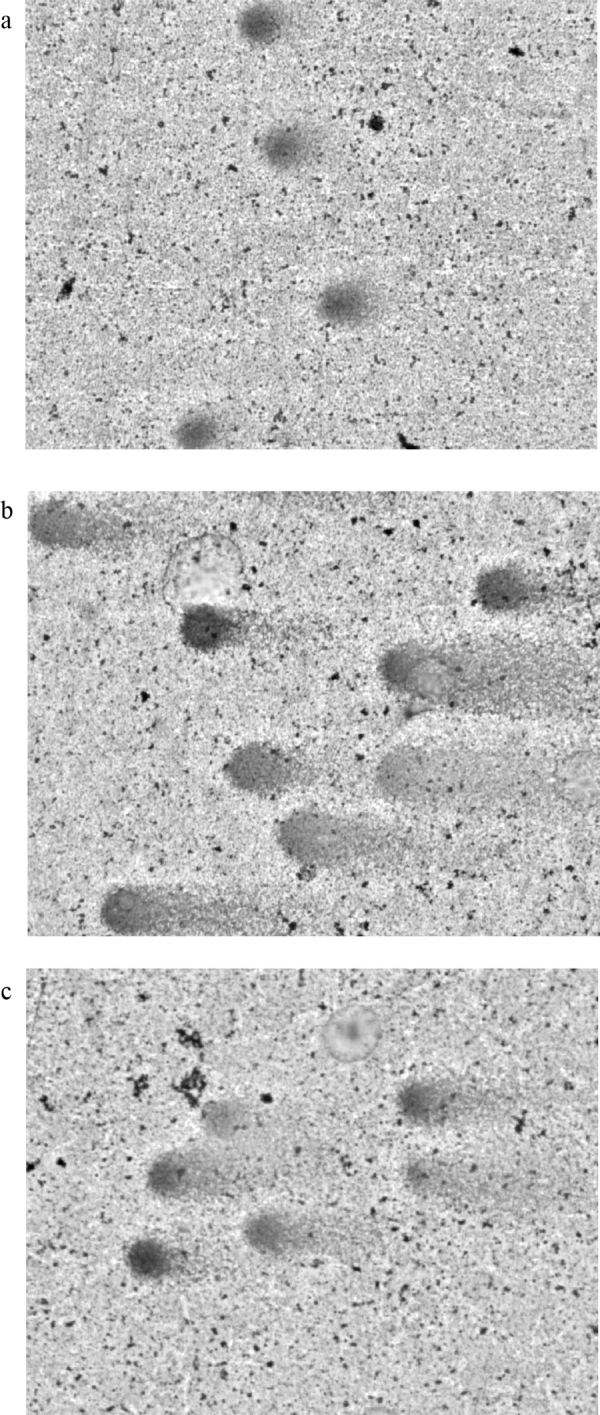
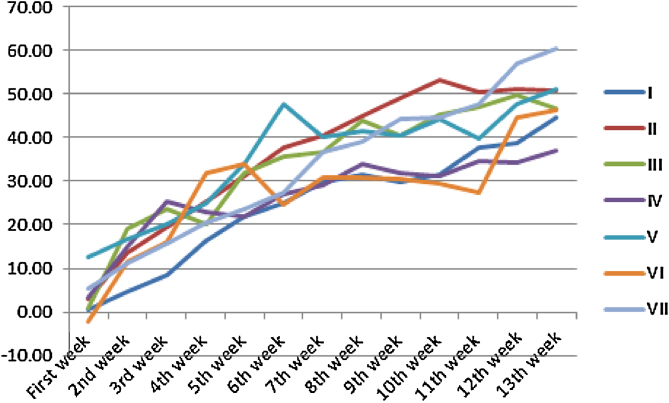
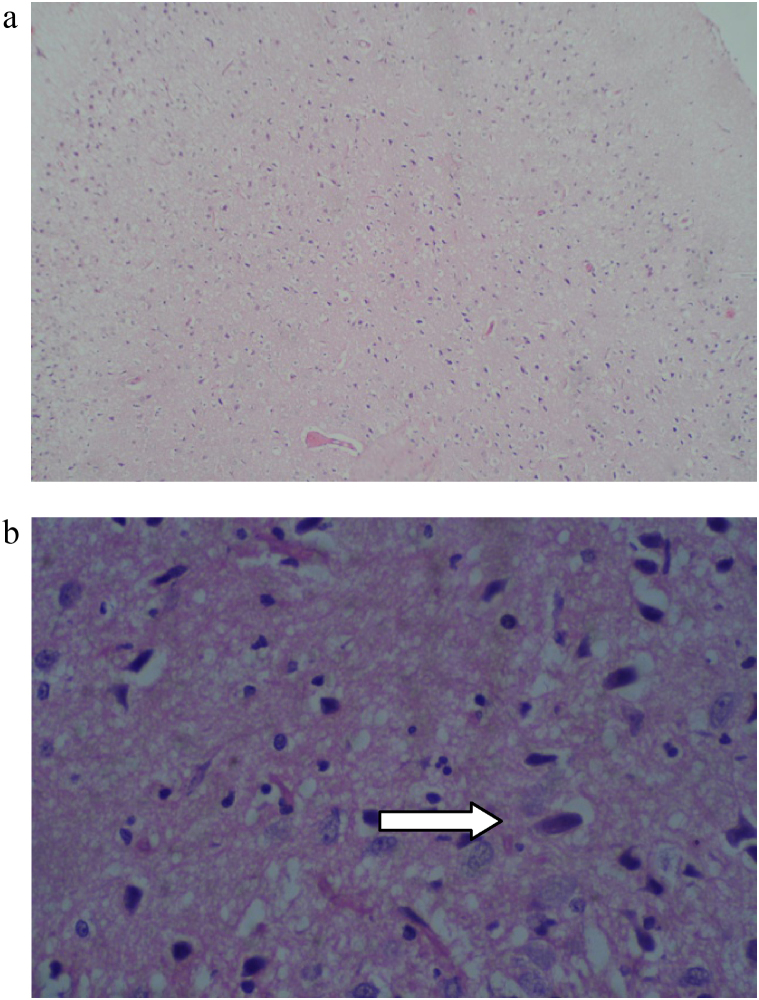
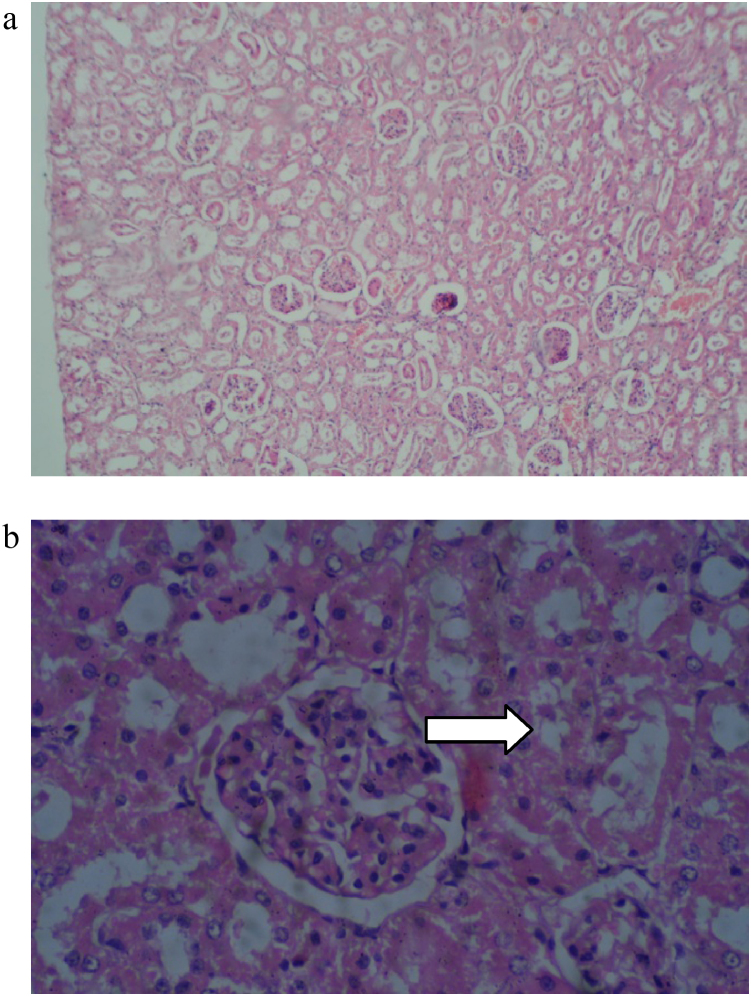
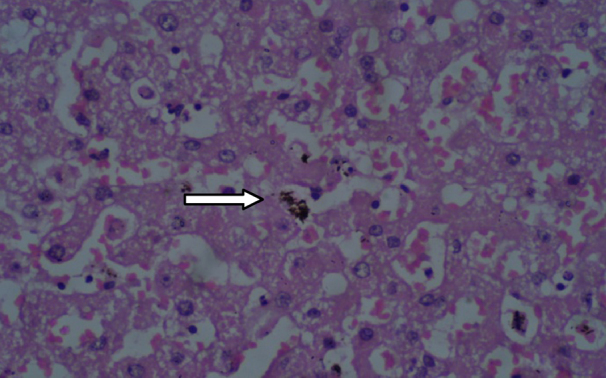
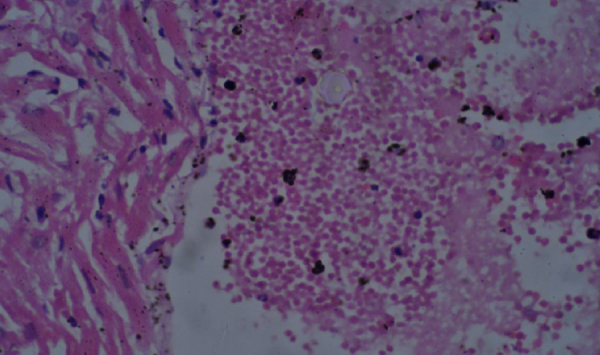
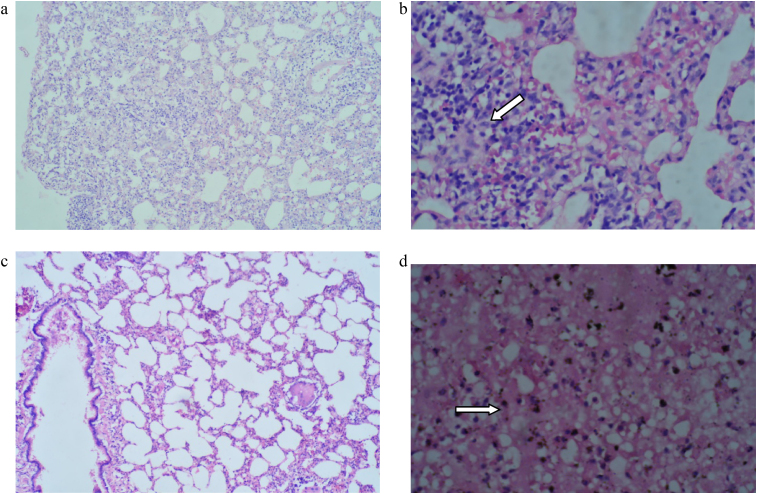
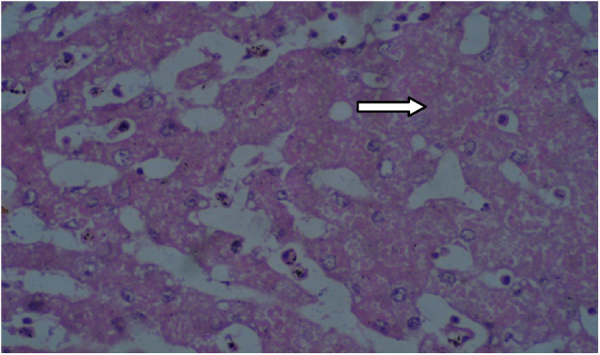
Sub-chronic toxicity study of cleistanthins A and B spanning over 90 days at the dose levels of 12.5, 25 and 50 mg/kg (once daily, per oral) revealed a significant dose dependant toxic effect in lungs. The compounds did not have any effect on the growth of the rats. The food and water intake of the animals were also not affected by both cleistanthins A and B. Both the compounds did not have any significant effect on liver and renal markers. The histopathological analysis of both cleistanthins A and B showed dose dependent morphological changes in the brain, heart, lung, liver and kidney. When compared to cleistanthin A, cleistanthin B had more toxic effect in Wistar rats. Both the compounds have produced a dose dependent increase of corpora amylacea in brain and induced acute tubular necrosis in kidneys. In addition, cleistanthin B caused spotty necrosis of liver in higher doses.
The present study concludes that both cleistanthin A and cleistanthin B exert severe toxic effects on lungs, brain, liver, heart and kidneys. They do not cause any significant pathological change in the reproductive system; neither do they induce neurodegenerative changes in brain. When compared to cleistanthin A, cleistanthin B is more toxic in rats.
通过对啮齿动物进行亚慢性毒性试验,研究Apholine A和Apholine B的毒理学效应。
从……的叶子中分离出Apholine A和Apholine B。两种化合物均以12.5、25和50mg/kg的浓度口服给药90天,并评估其对血压、生化参数和组织学的影响。根据经合组织指南,采用固定剂量法确定亚慢性毒理学剂量。
在12.5、25和50mg/kg(每日一次,口服)剂量水平下,对Apholine A和Apholine B进行为期90天的亚慢性毒性研究发现,其对肺部有显著的剂量依赖性毒性作用。这些化合物对大鼠的生长没有任何影响。动物的食物和水摄入量也不受Apholine A和Apholine B的影响。两种化合物对肝脏和肾脏标志物均无显著影响。对Apholine A和Apholine B的组织病理学分析显示,脑、心、肺、肝和肾出现剂量依赖性形态学变化。与Apholine A相比,Apholine B对Wistar大鼠的毒性作用更强。两种化合物均导致脑中淀粉样体剂量依赖性增加,并诱发肾急性肾小管坏死。此外,Apholine B在较高剂量下导致肝脏出现点状坏死。
本研究得出结论,Apholine A和Apholine B对肺、脑、肝、心和肾均有严重毒性作用。它们不会引起生殖系统的任何显著病理变化;也不会诱发脑中的神经退行性变化。与Apholine A相比,Apholine B对大鼠的毒性更强。